Attractions and Places To See around Grézac - Top 20
Best attractions and places to see around Grézac, a rural commune in Charente-Maritime, France, offers a blend of historical landmarks, natural beauty, and cultural insights. The area is characterized by its agricultural heritage, ancient past, and picturesque Saintonge countryside. Visitors can explore historical sites, enjoy views of the Seudre river and Gironde estuary, and engage in outdoor activities.
Best attractions and places to see around Grézac
- The most popular attractions is Lighthouse of George de Didonne's port, a notable landmark. This lighthouse, built between 1898 and 1902, is distinguished by its square tower shape and offers views of the Gironde estuary.
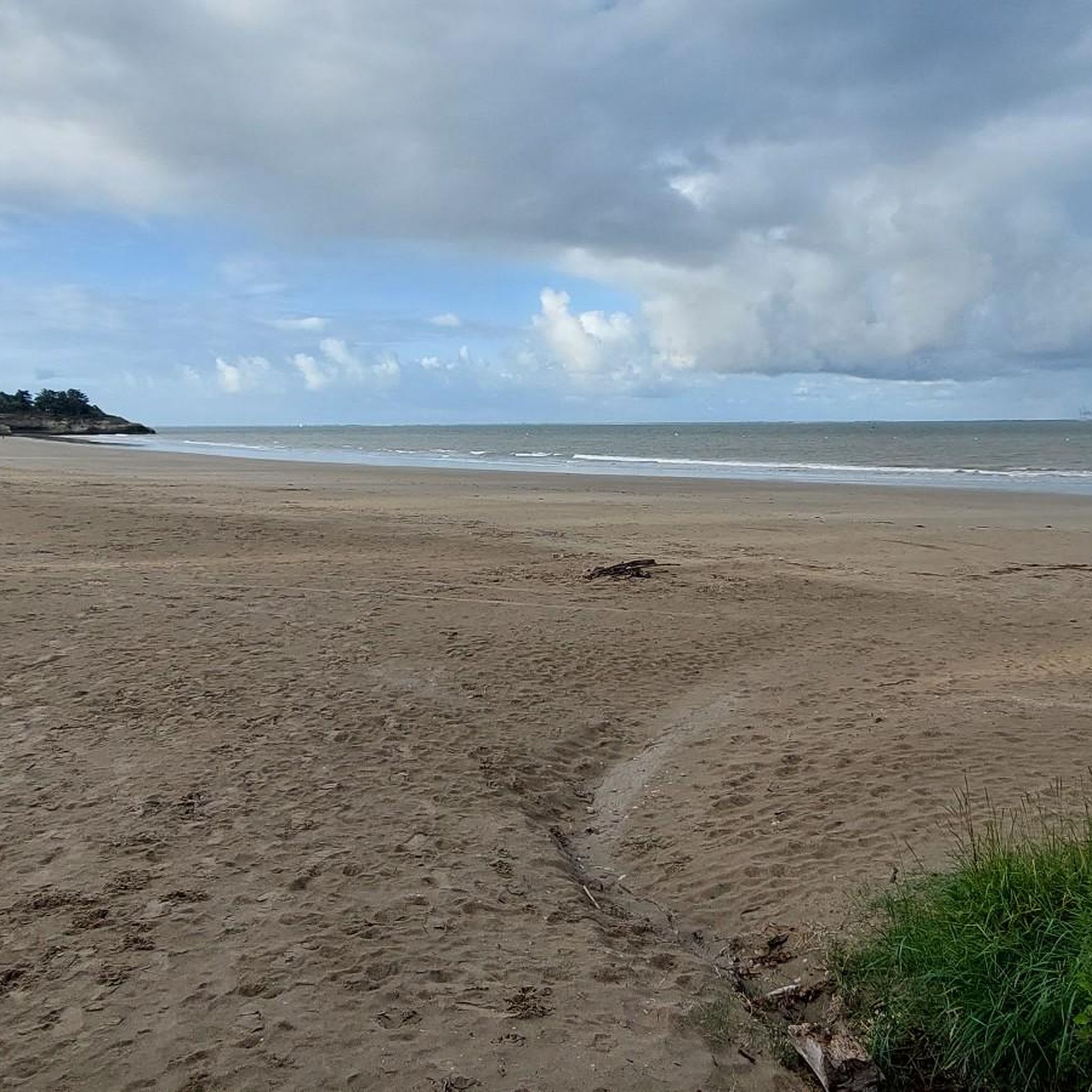
- Another must-see spot is Saint-Georges-de-Didonne Beach, a beach set between two limestone cliffs. This long sandy beach is suitable for swimming and offers various activities and services.
- Visitors also love Bunkers at Pointe de Suzac with a View of the Gironde Estuary, a historical site featuring World War II bunkers. These structures provide insight into the region's past and offer views of the estuary.
- Grézac is known for its historical sites, natural landscapes, and outdoor activities. The area offers a variety of attractions to see and explore, from ancient ruins to scenic viewpoints and cycling paths.
- The attractions around Grézac are appreciated by the komoot community, with over 220 upvotes and 4 photos shared.
Last updated: May 25, 2026
Saint-Georges-de-Didonne Beach
Highlight • Beach
Long of more than 2 km, the beach of Saint-Georges is very arranged in its part close to the city center and more natural, wild towards the point of Suzac.
On this immense expanse of fine sand, swimming is supervised in summer (several lifeguard stations).
Many activities and services are offered: kindergarten, beach club, swimming school, beach volleyball, nautical base, rental of tents and parasols, restaurants.
Outside the summer period, sand yachting sessions take place on the Grande Conche beach under the aegis of the St Georges de Didonne sailing club.
Translated by Google •
Tip by

Boulevard du Marais
Highlight (Segment) • Other
Due to tidal variations, the landscape is constantly changing and is a constant source of wonder.
Translated by Google •
Tip by

Sign up now to discover places like this
Get recommendations on the best single tracks, peaks, & plenty of other exciting outdoor places.
Sign up for free
Marsh Cycle Path in Meschers-sur-Gironde
Highlight (Segment) • Cycleway
Translated by Google •
Tip by

Bunkers at Pointe de Suzac with a View of the Gironde Estuary
Highlight • Historical Site
In December 1941, the Pio.Btl.327 of Oberstleutnant HUMBERT took part in the first work to build support points (the famous "Atlantic Wall") with the Fest.Pio.stab.28 of the Oberst SCHULTZ based in Royan and the Oberbauleitung PAULA of the Organization Todt.
The work took on more scope from October 1942 thanks to the Todt Organization, and was supervised by the Pionere Führer of the AOK 7 (7th Army), Generalmajor Otto SCHAUM.
In Charente Maritime, all the works will require the implementation of more than 4 million m3 of concrete. The TODT organization had a standardized fortification program "REGELBAUTEN" already used for the construction of the Siegfrid line. The Atlantic Wall required 300,000 French workers and nearly 3,000 companies.
The Chay, Suzac and Coubre batteries were installed in March 1942. Southern limit of the "Festungen Gironde Nord", the Suzac B1 battery, which became S 30 HKAA 5/746 Köln, was equipped, in 1944, with 5 series firing pieces composed of 4 tubes of 76.2 GK 307 (r) horse-drawn installed under casemates at 120° firing H669 and four 105 K 331 Schneider cannons sheltered under structures at 60° firing H671, controlled from a post of fire direction PDT H636a., armament supplemented by support weapons of lower caliber (50 mm mortar, 20 machine gun, DCA) installed on platform, in tank or in tobruk, and by a concrete shelter for H128 personnel and an H134 block. A minefield protects access to the battery and concrete obstacles deter any attempt to land on the beaches.
The Suzac battery, then the southern limit of La Poche de Royan, hit by bombing during Operation "Vénérable" on April 14 and 15, 1945, was largely destroyed by Allied aviation supported by "Lorraine" and the "Duquesne", two old ships built in 1913 and 1928 respectively.
There remain on the ground 5 bunkers (in English) or blockhouses in German) under the command of a firing post (CP) and the ruins of a shelter buried under ivy. 2 other shelters are embedded in buildings where they serve as cellars. Finally a last bunker is exploded.
Translated by Google •
Tip by
Grottes de Matata
Highlight • Cave
Translated by Google •
Tip by

Sign up for free to discover even more attractions around Grézac.
Sign up for free
Already have an account?
Start today with a free account
Your next adventure awaits.
Login or Signup

Tips from the Community

Originally 75 million years ago, natural holes dug into the sea. Later, they were conditioned by man to serve as homes. They are restored and can be visited.
0
0

These rock dwellings were created by the sea 65 million years ago and then carved out and repeatedly inhabited by humans.
0
0

Two caves right next to each other, Matata and Regulus. Definitely a nice view.
1
0
Bike path is okay here, nice view of Talmont. More information: https://de.m.wikipedia.org/wiki/Talmont-sur-Gironde
2
0

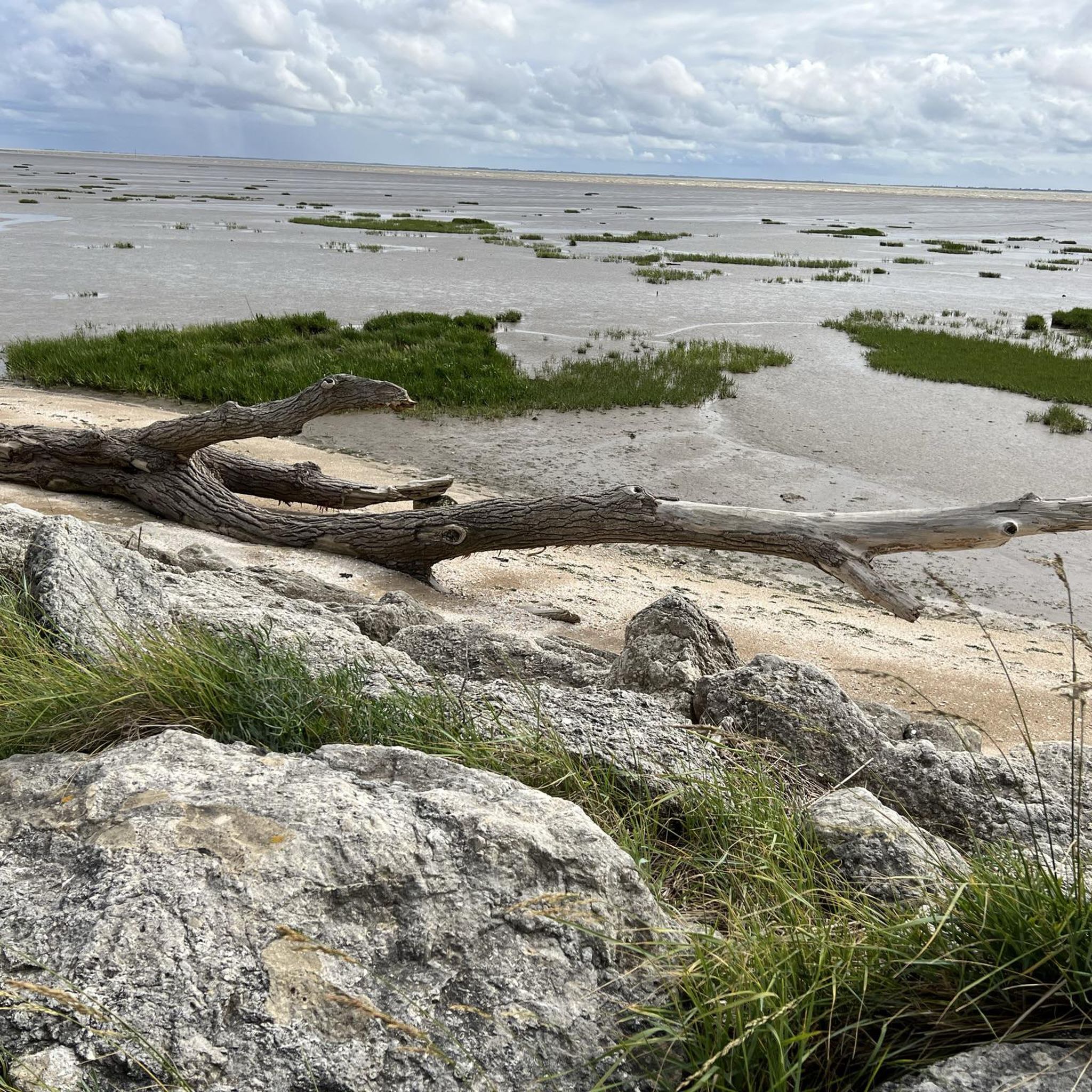
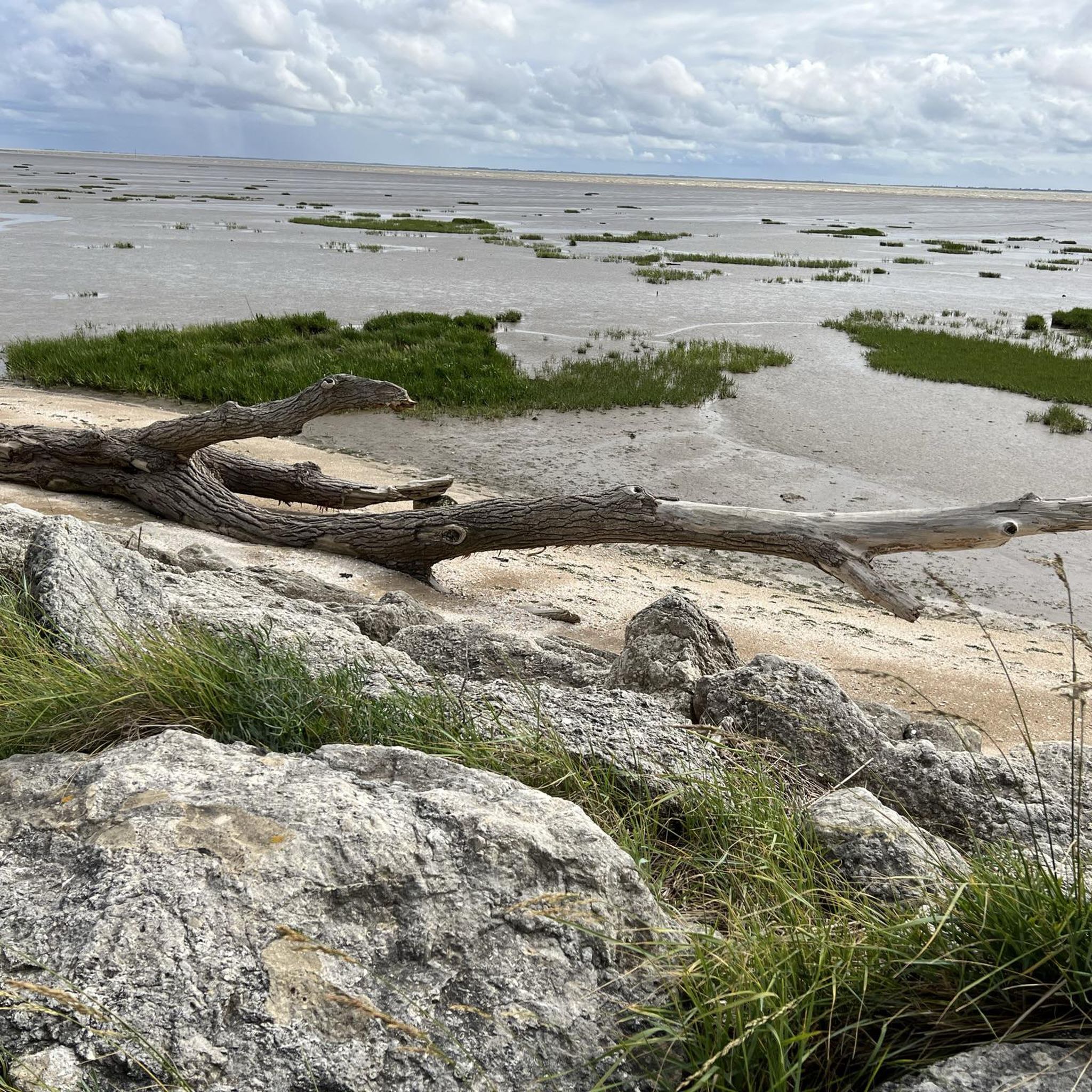
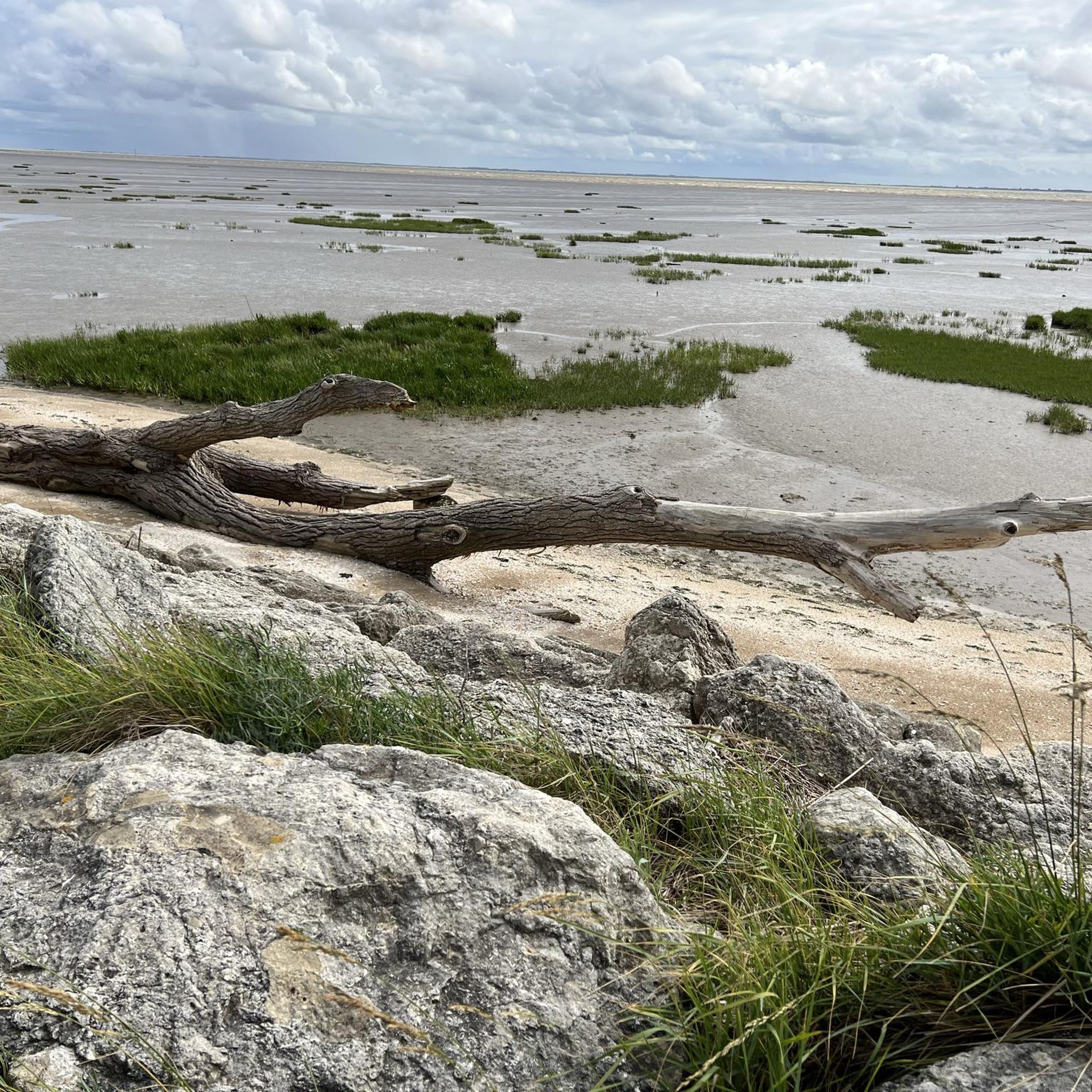
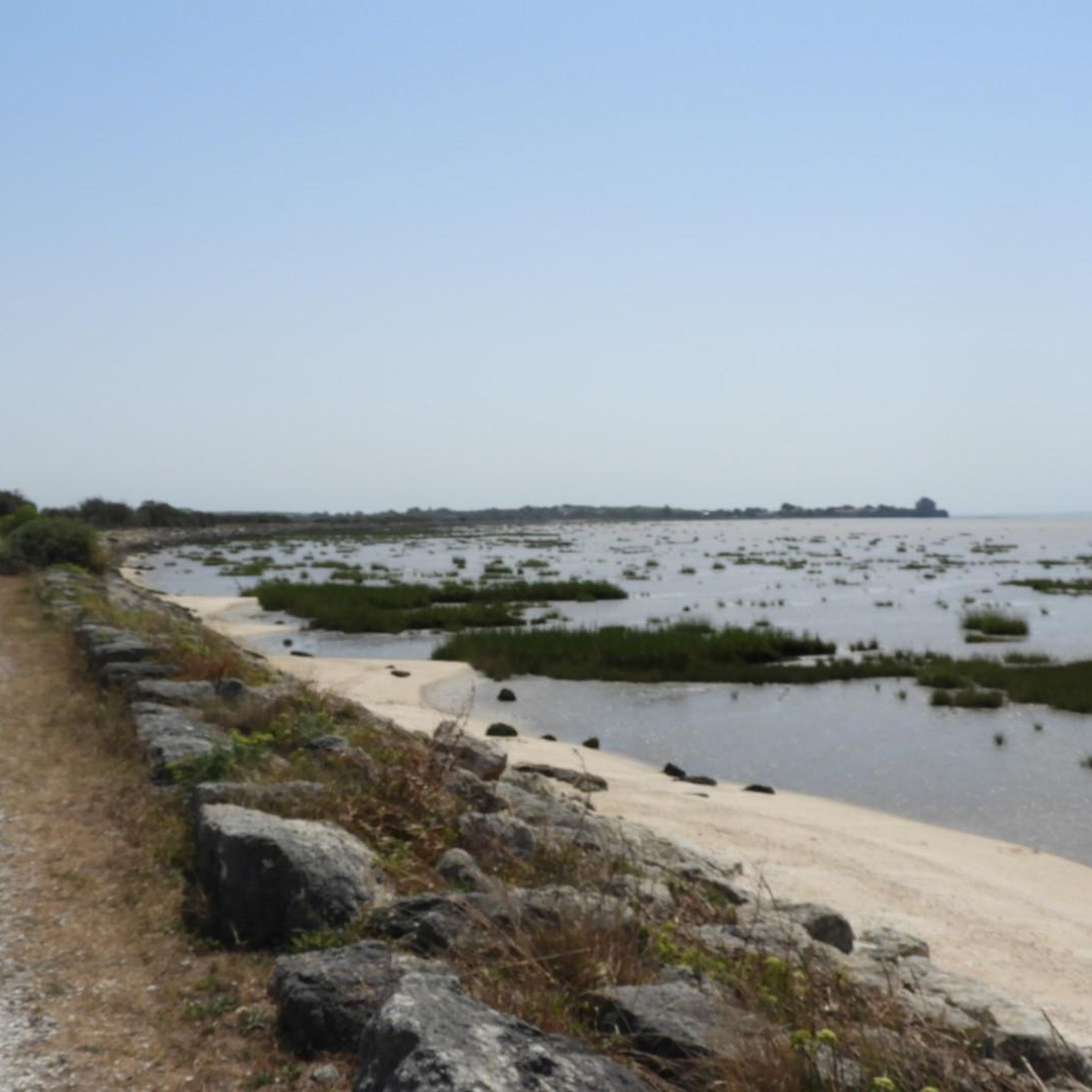
Boulevard du Marais offers both magnificent views of the coast and the Talmont marshes. We appreciate the contrast between the brackish meadows of the coast, the tamarisk hedges, the marshes and the salt-tolerant flora which adapts to humid environments. Due to tidal variations, the landscape is constantly changing and is a constant source of wonder.
1
0

There is a museum, within the dozen caves, which you can visit to go back in time to the prehistoric man who potentially took refuge in these trogolodyte caves.
3
0

2 detachments of the 44th division of the Heer (land army) of the Wehrmacht arrived in Royan and its region on 06/23/1940. Their mission is to control the Gironde estuary which controls access to the port of Bordeaux. In December 1941, the Pio.Btl.327 of Oberstleutnant HUMBERT took part in the first work to build support points (the famous "Atlantic Wall") with the Fest.Pio.stab.28 of the Oberst SCHULTZ based in Royan and the Oberbauleitung PAULA of the Organization Todt. The work took on more scope from October 1942 thanks to the Todt Organization, and was supervised by the Pionere Führer of the AOK 7 (7th Army), Generalmajor Otto SCHAUM. In Charente Maritime, all the works will require the implementation of more than 4 million m3 of concrete. The TODT organization had a standardized fortification program "REGELBAUTEN" already used for the construction of the Siegfrid line. The Atlantic Wall required 300,000 French workers and nearly 3,000 companies. The Chay, Suzac and Coubre batteries were installed in March 1942. Southern limit of the "Festungen Gironde Nord", the Suzac B1 battery, which became S 30 HKAA 5/746 Köln, was equipped, in 1944, with 5 series firing pieces composed of 4 tubes of 76.2 GK 307 (r) horse-drawn installed under casemates at 120° firing H669 and four 105 K 331 Schneider cannons sheltered under structures at 60° firing H671, controlled from a post of fire direction PDT H636a., armament supplemented by support weapons of lower caliber (50 mm mortar, 20 machine gun, DCA) installed on platform, in tank or in tobruk, and by a concrete shelter for H128 personnel and an H134 block. A minefield protects access to the battery and concrete obstacles deter any attempt to land on the beaches. The Suzac battery, then the southern limit of La Poche de Royan, hit by bombing during Operation "Vénérable" on April 14 and 15, 1945, was largely destroyed by Allied aviation supported by "Lorraine" and the "Duquesne", two old ships built in 1913 and 1928 respectively. There remain on the ground 5 bunkers (in English) or blockhouses in German) under the command of a firing post (CP) and the ruins of a shelter buried under ivy. 2 other shelters are embedded in buildings where they serve as cellars. Finally a last bunker is exploded.
4
1
Grande Conche Beach (or Saint Georges de Didonne Beach) is set between two limestone cliffs: to the north, on the Royan side, by the Vallières cliff and to the south, towards Meschers, by the Suzac cliff. Long of more than 2 km, the beach of Saint-Georges is very arranged in its part close to the city center and more natural, wild towards the point of Suzac. On this immense expanse of fine sand, swimming is supervised in summer (several lifeguard stations). Many activities and services are offered: kindergarten, beach club, swimming school, beach volleyball, nautical base, rental of tents and parasols, restaurants. Outside the summer period, sand yachting sessions take place on the Grande Conche beach under the aegis of the St Georges de Didonne sailing club.
1
0
Frequently Asked Questions
What historical sites can I explore in and around Grézac?
Grézac is rich in history. You can visit the Saint-Symphorien Church, which features the north apse of an original 12th-century Romanesque church with distinct architectural details. The area also boasts two historic mills: the Ambreuil Mill, a former watermill converted to a windmill, and the Alluchons Mill, dating back to 1770, offering panoramic views. Additionally, you can explore the Bunkers at Pointe de Suzac with a View of the Gironde Estuary, which are World War II structures providing insight into the region's past.
Where can I find scenic views of the landscape and estuary near Grézac?
For expansive views, head to the Alluchons Mill, which offers panoramic vistas of the Pellegrain meadow, the Seudre river, the Cozes plain, and the Gironde estuary. You can also enjoy views of the Gironde estuary from the Bunkers at Pointe de Suzac and from the Lighthouse of George de Didonne's port, which provides a breathtaking perspective after climbing its 144 steps.
Are there any beaches suitable for swimming and activities near Grézac?
Yes, the Saint-Georges-de-Didonne Beach is a must-see spot. This long sandy beach is nestled between two limestone cliffs and is ideal for swimming. It offers various activities and services, including supervised swimming in summer, a kindergarten, beach club, and watersports.
What kind of outdoor activities, like cycling or running, can I do near Grézac?
The agricultural landscapes of Grézac are perfect for outdoor exploration. You can find numerous routes for cycling and running. For gravel biking, explore routes like the 'Carrelets de Royan – Royan Promenade and Beach loop' or the 'Boulevard du Marais – View of the La Roche cliff loop'. If you prefer running, consider the 'Running loop from Semussac' or the 'Bois de la Gitte loop'. For more options, check out the Gravel biking around Grézac, Running Trails around Grézac, and Road Cycling Routes around Grézac guides.
Are there family-friendly attractions or activities in the Grézac area?
Yes, several attractions are suitable for families. The Saint-Georges-de-Didonne Beach offers supervised swimming, a kindergarten, and beach clubs. The Marsh Cycle Path in Meschers-sur-Gironde is a dedicated bike path without cars, perfect for a family bike ride with panoramic views. Exploring the historic mills, like the Ambreuil Mill and Alluchons Mill, can also be an engaging educational experience for children.
What is the best time of year to visit Grézac for outdoor activities and sightseeing?
The Charente-Maritime region, including Grézac, is generally pleasant from spring to early autumn (April to October). These months offer mild to warm weather, ideal for exploring historical sites, enjoying the beaches, and engaging in outdoor activities like hiking and cycling. Summer (July-August) is popular for beach activities, while spring and autumn provide comfortable temperatures for exploring the countryside and historical landmarks.
Can I find dedicated cycling paths with scenic views near Grézac?
Absolutely. The Marsh Cycle Path in Meschers-sur-Gironde is a dedicated bike path that runs along the marshes, offering panoramic views without car traffic. Additionally, the Boulevard du Marais provides a good cycle path with magnificent views of the coast and the Talmont marshes, showcasing the unique brackish meadows and salt-tolerant flora.
What kind of natural landscapes characterize the Grézac region?
Grézac is nestled within the picturesque Saintonge countryside, known for its rolling agricultural landscapes, alternating fields, and groves. The commune's northern border is defined by the serene Seudre River, often referred to as the 'Seudre douce'. From elevated points, you can also enjoy expansive views stretching towards the Gironde Estuary, offering a diverse natural environment.
Are there any specific historical landmarks related to the region's agricultural heritage?
Yes, the region's agricultural heritage is well represented by its historic mills. The Ambreuil Mill, originally a watermill on the Seudre river, was later converted into a windmill, reflecting changes in local industry. The Alluchons Mill, dating from 1770, also stands as a testament to the rural past and offers views over the agricultural plains that characterize the local economy, which includes extensive cultivation of cereals and viticulture for cognac production.
What do visitors particularly enjoy about the attractions around Grézac?
Visitors appreciate the diverse offerings, from the historical significance of sites like the Bunkers at Pointe de Suzac to the natural beauty of Saint-Georges-de-Didonne Beach. The scenic views, especially from the Alluchons Mill and the Lighthouse of George de Didonne's port, are highly praised. The well-maintained cycle paths, such as the Marsh Cycle Path in Meschers-sur-Gironde, are also popular for exploring the unique landscapes.
Are there any ancient historical traces or archaeological sites in the Grézac area?
Yes, the area around Grézac holds traces of ancient civilizations. Aerial archaeology has revealed a large Gaulish necropolis with circular and square funerary structures, indicating incineration burials. Furthermore, evidence of a Gallo-Roman villa, which functioned as an agricultural estate, points to the region's prosperity during the Roman era. A medieval path traversing the village also highlights its historical role, having been used by monks and pilgrims.
Most popular attractions around Grézac

Get inspired with the komoot mobile app


Explore more
Still not found the Highlight you’re looking for? See guides of the top attractions in other regions:
