Top 5 Castles around La Bâtie-Rolland
Best castles around La Bâtie-Rolland are found in a region historically significant for its ancient fortified past. The area, part of the Drôme Provençale, features a blend of medieval ruins and historical structures. Situated on hills like Le Chatelas, these sites often provide panoramic views of the surrounding Valdaine plain. Visitors can explore remnants of 13th-century fortifications and associated historical chapels.
Best castles around La Bâtie-Rolland
- The most popular castles is Rochefort-en-Valdaine Castle and Saint-Blaise Chapel, a castle that…
Last updated: July 1, 2026
Adhémar Castle
Highlight • Castle
Translated by Google •
Tip by

Château Loubet
Highlight • Castle
Translated by Google •
Tip by

Sign up now to discover places like this
Get recommendations on the best single tracks, peaks, & plenty of other exciting outdoor places.
Sign up for free
Rochefort-en-Valdaine Castle and Saint-Blaise Chapel
Highlight • Castle
Translated by Google •
Tip by

Marsanne Castle - Viewpoint
Highlight • Castle
Translated by Google •
Tip by

Start today with a free account
Your next adventure awaits.
Login or Signup


Tips from the Community

only 750 m
0
0

The Château des Adhémar in Montélimar is a stunning example of medieval architecture and a significant landmark in the Drôme region. Originally built in the 11th century by the Counts of Toulouse, it was expanded into a magnificent palace by the Adhémar family in the 12th century. Over the centuries, it has served as a fortress, citadel, and prison. Today, it is a publicly accessible monument historique and offers a fascinating insight into the region's history. Visitors can admire the well-preserved Romanesque architectural features and enjoy the breathtaking views from the battlements.
0
0

nice little walk visiting the town center of Montelimar with a stop at the restaurant Le Troquet next to the post office
0
0

This castle (private property) founded in the 14ᵉ century retains very few vestiges of this period. It was refurbished in the 17ᵉ century, with a south facade made in the 19ᵉ century in a neo-medieval style. Its current quadrangular plan is confined to the corners of four circular turrets; its four wings overlook an interior courtyard accessible from the east. The agricultural outbuilding (farm) which was attached to it and adjoining to the northeast, probably in the 19ᵉ century, adopts a U-shaped plan. It has an interior courtyard and includes a stable wing.
2
0

From the small village of La Touche, after a beautiful but not very easy hike (good hiking shoes 🥾 / sure-footedness) you reach this beautiful castle ruin over a rocky ridge. The well-preserved/renovated tower is open for free visits at certain times (currently: 2:30 p.m. - 5:00 p.m. except on Saturdays and Sundays).
1
1

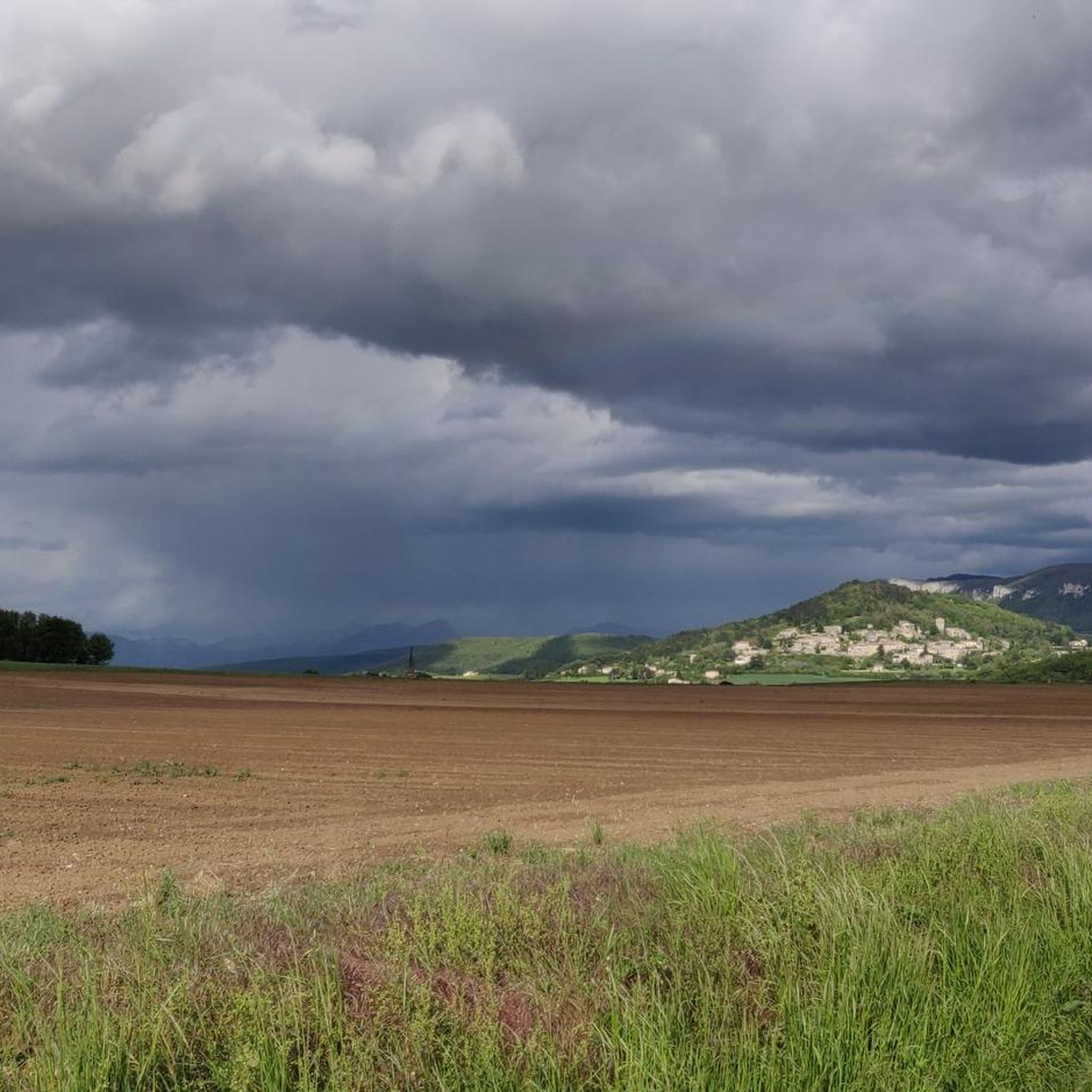
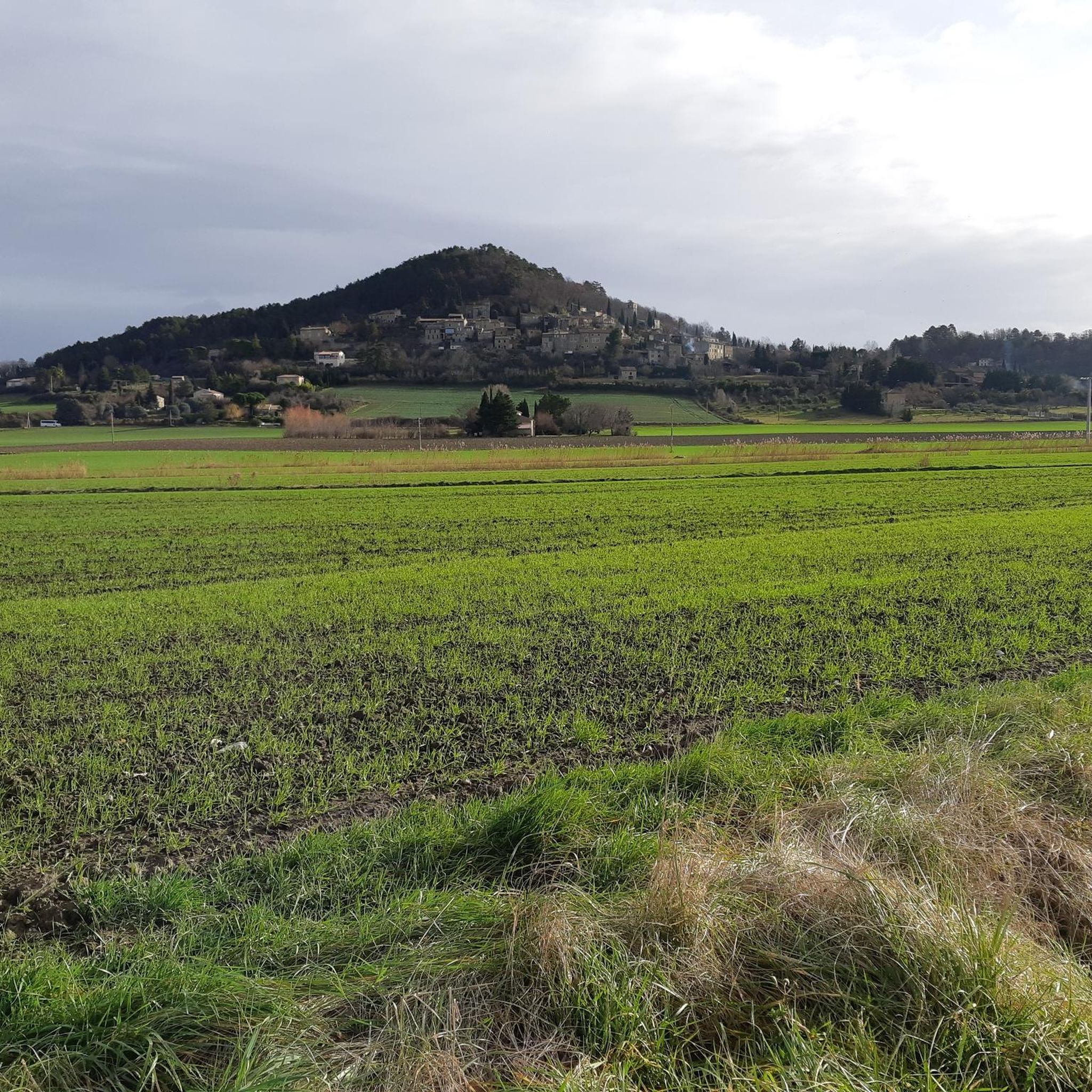
This very fine example of a fortified castle is old: the keep and its enclosure date from the 12th century. The very pretty Saint-Blaise chapel is also part of the site and can be visited. From the ruins of this building, you will have a very beautiful view of the Rhône valleys and those surrounding them.
0
0

Beautiful historic site and view of the region. Good starting point or destination for hiking or mountain biking
0
0

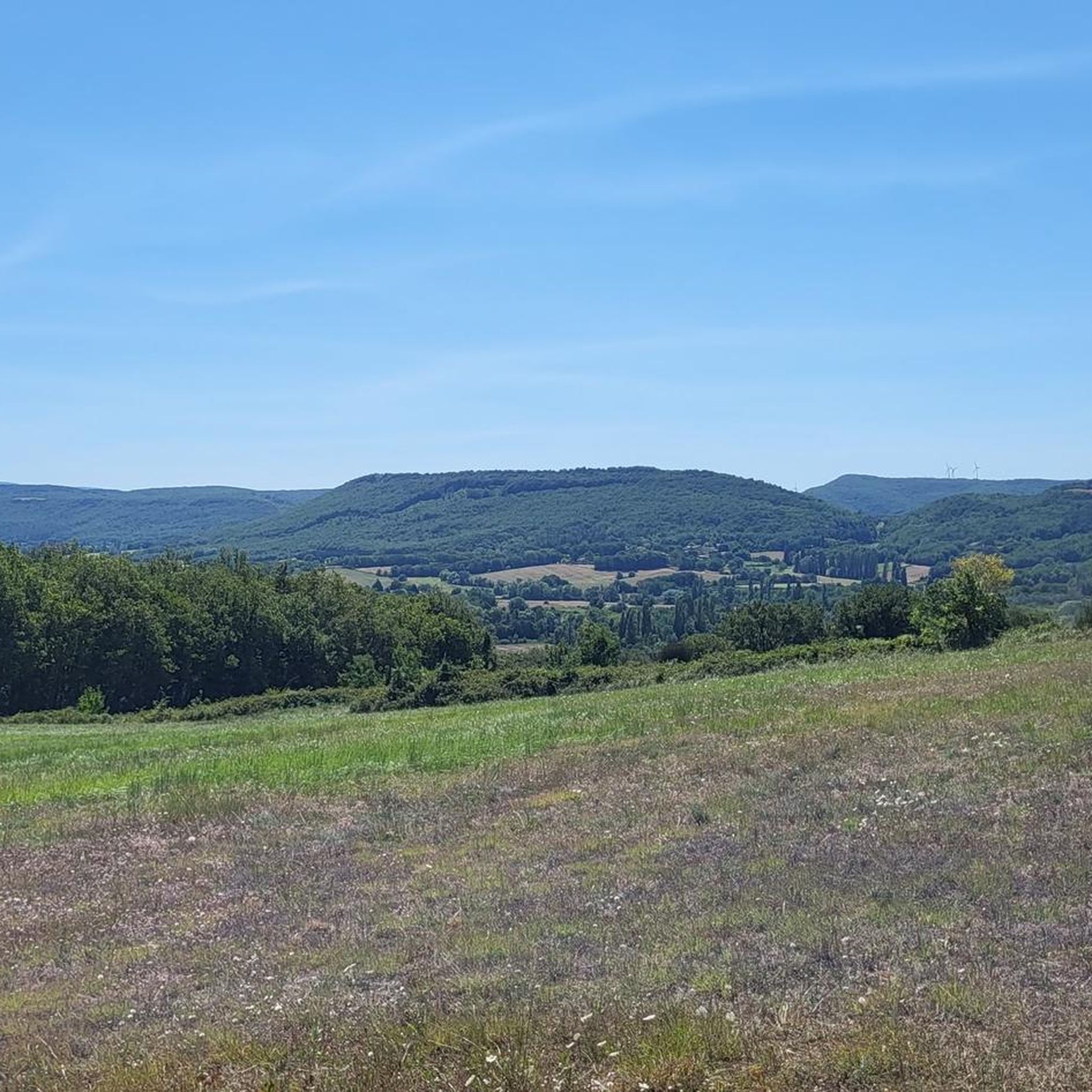
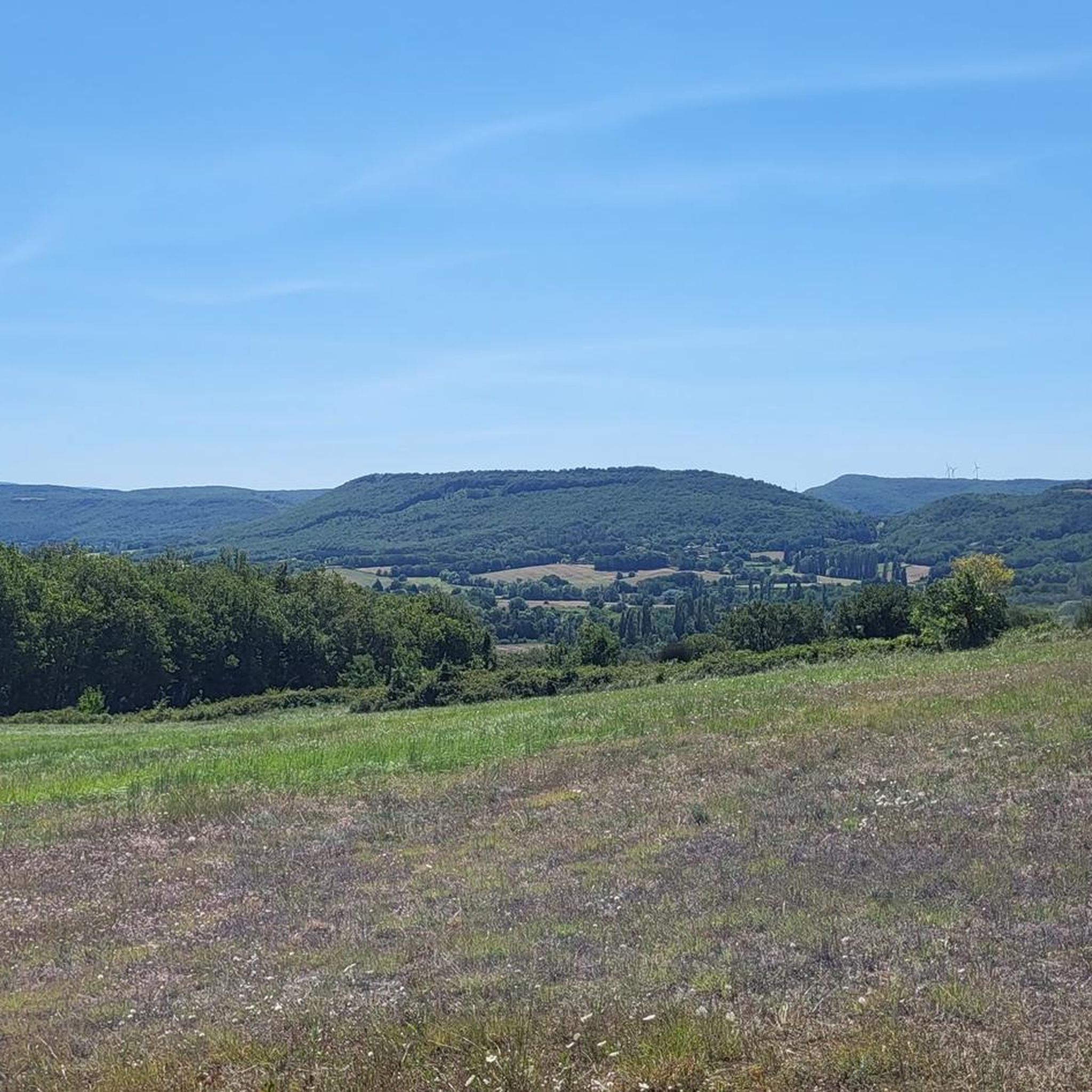
Beautiful view on the full of Montélimar. The village of Marsanne below is very pleasant to regain strength before the pass.
0
0
Frequently Asked Questions
What kind of historical sites can I explore around La Bâtie-Rolland?
The region is rich in medieval history. You can explore the ruins of fortified castles, such as the 13th-century castle in La Bâtie-Rolland itself, which offers panoramic views from Le Chatelas hill. Additionally, there are associated historical structures like the ruins of the 12th-century Saint-Roch Church and the well-preserved 12th-century Saint-Andéol Chapel, known for its Romanesque Provençal art.
Are there hiking opportunities that include castles in the La Bâtie-Rolland area?
Yes, the area is excellent for hiking. Many trails lead to or pass by historical sites. For instance, you can hike to Rochefort-en-Valdaine Castle and Saint-Blaise Chapel, which features a 12th-century keep and offers beautiful views of the Rhône valleys. Some routes can be challenging, so good hiking shoes are recommended.
What are some family-friendly castle experiences near La Bâtie-Rolland?
While specific 'family-friendly' categories aren't listed, many castles offer engaging experiences for all ages. Exploring the ruins of the fortified castle in La Bâtie-Rolland, with its panoramic views, can be an adventure. Adhémar Castle in Montélimar is a medieval castle with Romanesque architecture and battlements that can spark imagination. Always check specific site details for accessibility and facilities for children.
Can I bring my dog to the castle trails and sites?
Many outdoor trails and ruins in the region are generally dog-friendly, especially for walks around the castle exteriors and viewpoints. However, access policies for specific castle interiors or protected historical sites can vary. It's always best to keep dogs on a leash and check local signage or official websites for any restrictions before visiting.
What is the best time of year to visit the castles around La Bâtie-Rolland?
The Drôme Provençale region is pleasant for visiting castles during spring, early summer, and autumn. These seasons offer comfortable temperatures for exploring ruins and enjoying panoramic views without the intense heat of mid-summer. The views from sites like Le Chatelas hill are particularly stunning in clear weather.
Are there any wheelchair-accessible castles or historical sites in the Drôme region near La Bâtie-Rolland?
Accessibility can be challenging for older, ruined castles due to uneven terrain, stairs, and historical structures. While the panoramic viewpoints might be accessible, exploring the full extent of ruins like the fortified castle of La Bâtie-Rolland or Rochefort-en-Valdaine Castle may involve difficult paths. It is advisable to check specific site information for detailed accessibility options.
What kind of views can I expect from the castles in this area?
The castles and their ruins are often strategically located on hills, providing magnificent panoramic views. From the fortified castle in La Bâtie-Rolland, you can enjoy a 220-degree vista of the Valdaine plain, stretching from Marsanne to Puygiron. Similarly, Marsanne Castle - Viewpoint offers expansive views of Montélimar and the village of Marsanne below.
What other outdoor activities can I do near the castles?
Beyond exploring castles, the region offers various outdoor activities. You can find numerous routes for mountain biking, running, and cycling. For example, there are MTB trails like the 'Lavender trail' loops, running trails including the 'Château de Lalo loop', and cycling routes such as 'On the banks of the Jabron' loops.
How long should I allocate to visit the castles around La Bâtie-Rolland?
The time needed varies depending on the site. For ruins like the fortified castle of La Bâtie-Rolland, you might spend 1-2 hours exploring the remnants and enjoying the views, especially if combined with a visit to the nearby chapels. Larger, more preserved castles like Adhémar Castle might require 2-3 hours for a thorough visit of the interior and grounds.
Are there any lesser-known or 'hidden gem' castles worth visiting?
While many castles are well-known, exploring the smaller, more ruined sites can offer a unique experience. For instance, Château Loubet, originally a fortified Provençal estate, retains medieval towers and a neo-medieval style facade, offering a glimpse into its layered history, even if it's private property. These sites often provide a quieter, more reflective historical encounter.
What do visitors enjoy most about the castles in the La Bâtie-Rolland region?
Visitors frequently appreciate the blend of historical exploration and the stunning natural surroundings. The panoramic views from the castle ruins, the tangible link to medieval history, and the opportunity for outdoor activities like hiking and cycling are often highlighted. The well-preserved Romanesque architectural features of sites like the Saint-Andéol Chapel also receive praise.
What should I wear for castle tours and explorations in this region?
Given that many sites involve walking on uneven terrain, exploring ruins, or hiking to viewpoints, comfortable and sturdy footwear is essential. Layers of clothing are advisable, as weather can change, especially on elevated sites. Sun protection (hat, sunscreen) is also recommended, particularly during warmer months, due to open, exposed areas.
Most popular routes around La Bâtie-Rolland
Most popular attractions around La Bâtie-Rolland

Get inspired with the komoot mobile app


Explore more
Looking for the best castles somewhere else? Discover other guides around La Bâtie-Rolland:
