The best walks and hikes around Saint-Jean-De-Muzols
4.4
(466)
3,162
hikers
174
hikes
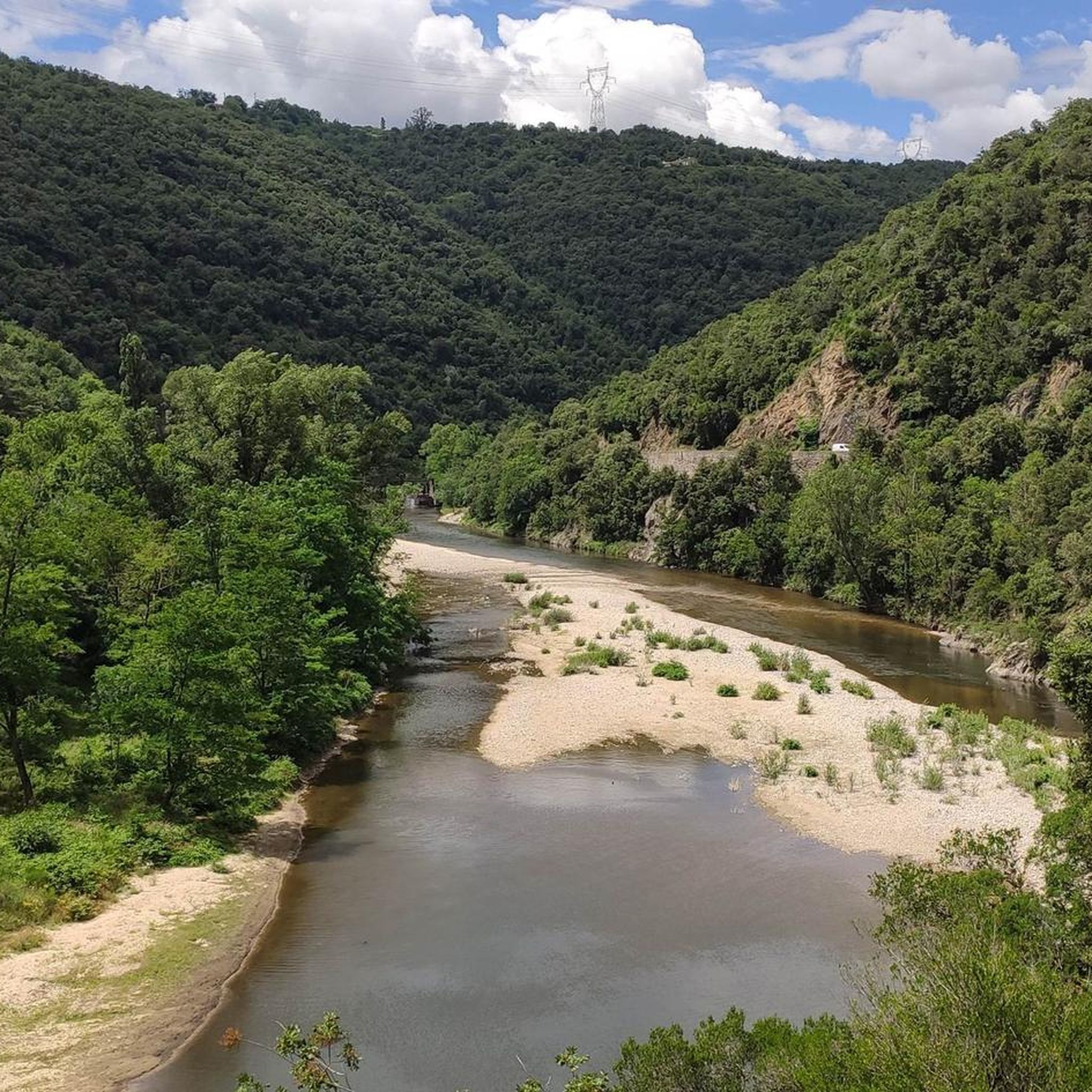
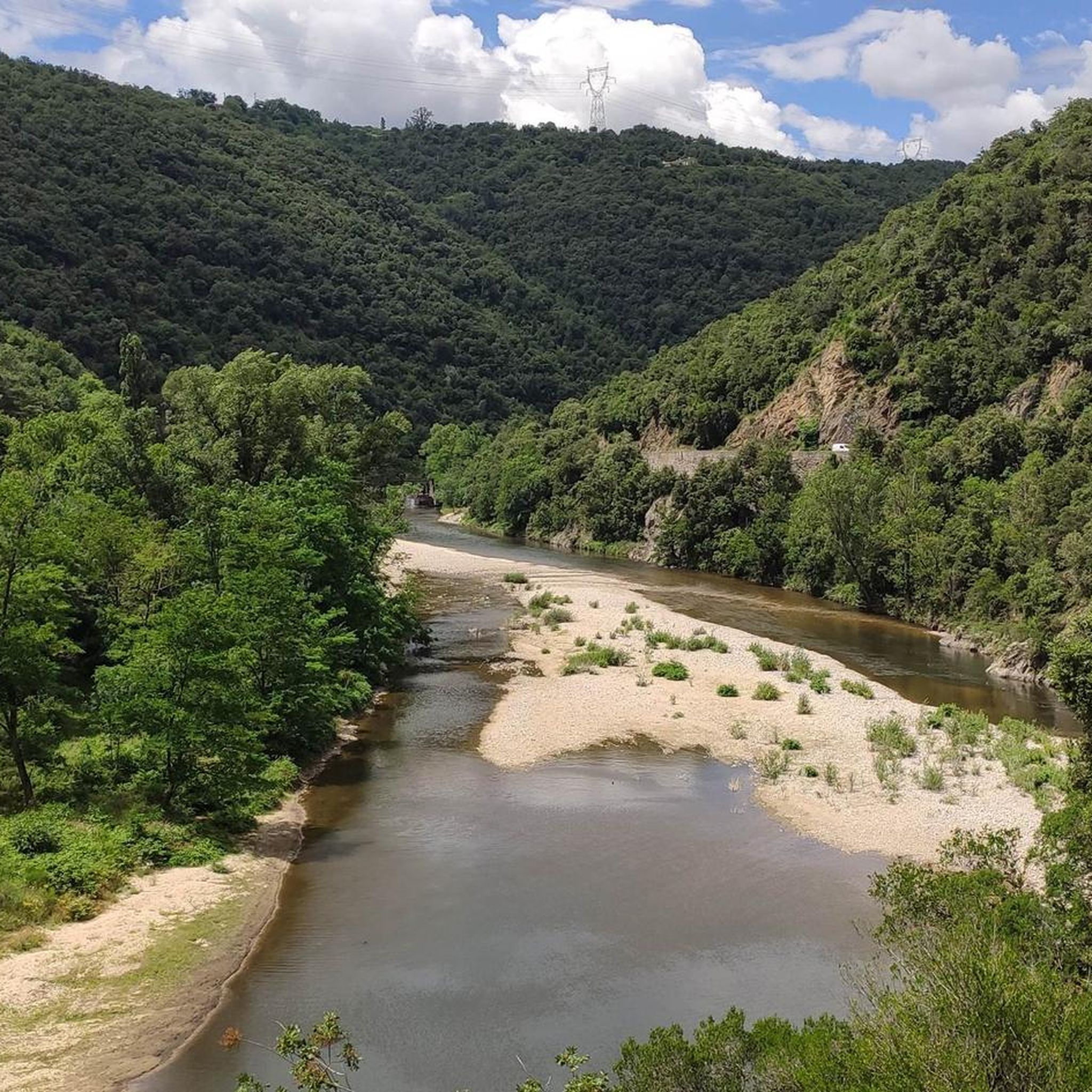
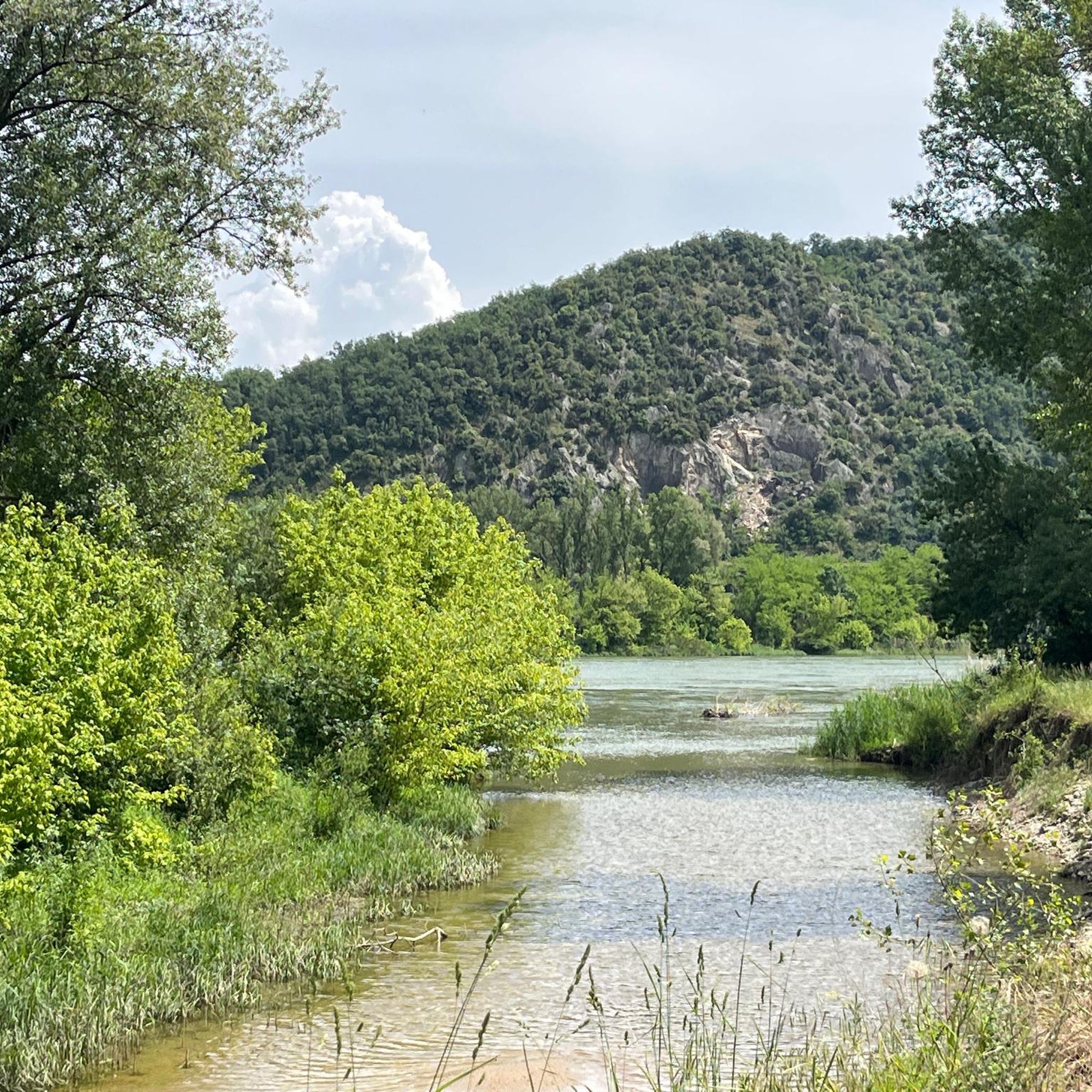
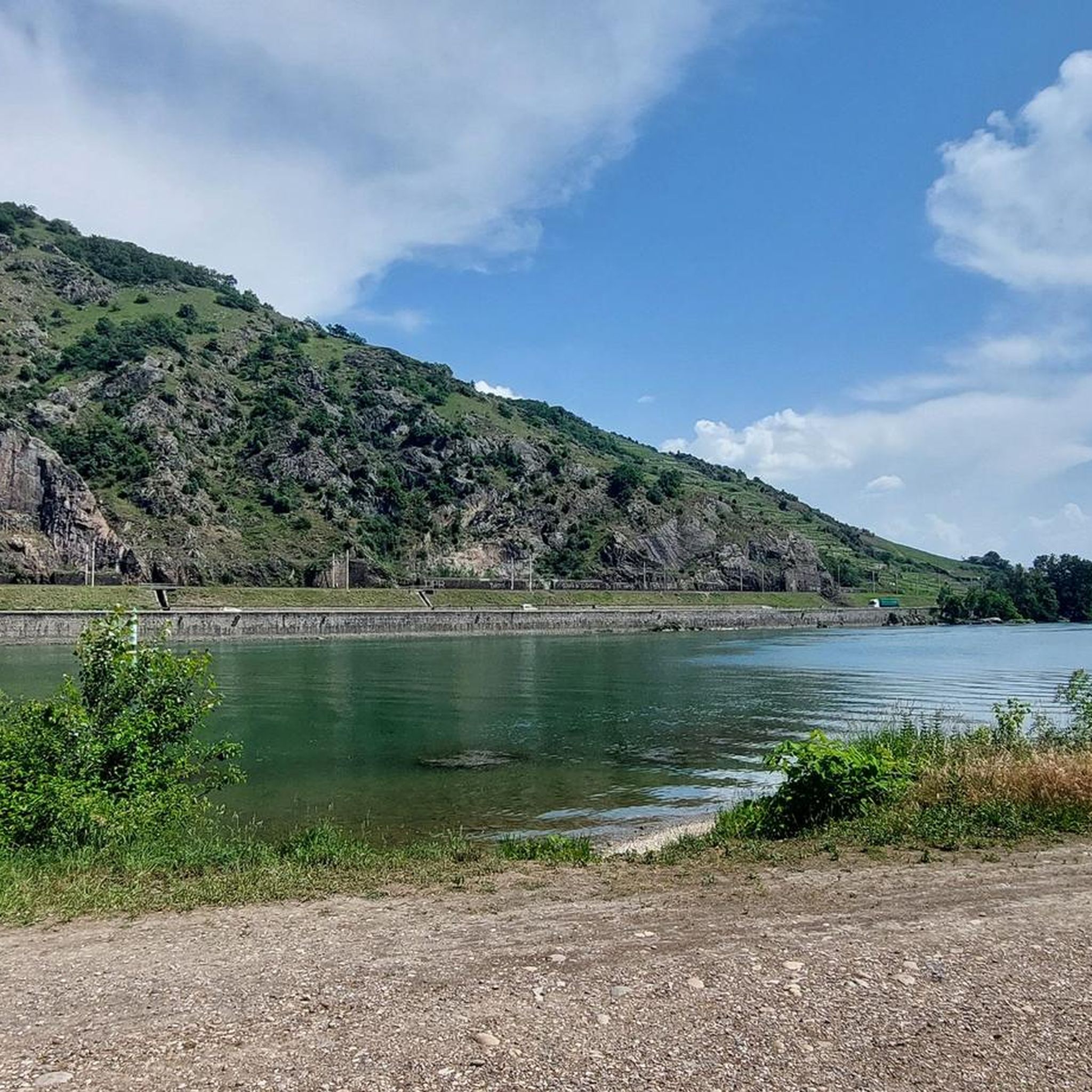
Hiking around Saint-Jean-De-Muzols offers diverse landscapes within the Ardèche region, situated at the confluence of the Rhône and Doux rivers. The terrain features terraced vineyards, orchards, and wooded areas, with elevations ranging from 109 to 418 meters. This provides a mix of riverine paths and surrounding hills, offering views of the Rhône Valley and access to the Gorges du Doux.
Best hiking trails around Saint-Jean-De-Muzols
- The most popular hiking route is Saint Christopher's Chapel loop from Tournon-sur-Rhône, an easy…
Last updated: July 1, 2026
4.8
(19)
204
hikers
6.31km
01:52
180m
180m
Easy hike. Great for any fitness level. Easily-accessible paths. Suitable for all skill levels.
4.4
(13)
88
hikers
Easy hike. Great for any fitness level. Easily-accessible paths. Suitable for all skill levels.

Sign up for free
4.5
(8)
40
hikers
Moderate hike. Good fitness required. Easily-accessible paths. Suitable for all skill levels.
4.6
(7)
51
hikers
Easy hike. Great for any fitness level. Easily-accessible paths. Suitable for all skill levels.
4.0
(6)
40
hikers
6.51km
02:01
240m
240m
Moderate hike. Good fitness required. Easily-accessible paths. Suitable for all skill levels.
Get access to more routes and recommendations from other explorers.
Sign up for free
Already have an account?
Our route recommendations are based on thousands of hikes, rides, and runs completed by other people on komoot.
Start today with a free account
Your next adventure awaits.
Login or Signup

Tips from the Community

The name of Saint-CHRISTOPHE, to whom this chapel – built in an extremely exposed position amidst the vineyards – is dedicated, means "Christ-bearer". According to the hagiographic legend, he was a gigantic man and carried people across a river. One day, a small child called him and he carried it on his shoulders to the other bank. Surprisingly, the child became heavier and heavier, and he said he felt the weight of the whole world on his shoulders. Then the child revealed himself to him as Jesus Christ, Saviour and Redeemer of the world.
0
0

The first footbridge built by Marc Seguin between Tournon and Tain in 1825 was revolutionary for its time. It was the world's first iron cable suspension bridge, a true technical feat for the era. This footbridge facilitated commercial exchanges and strengthened ties between the two towns. However, the original footbridge underwent several transformations over time. It was first raised to allow the passage of steamships, and then a second footbridge was built by Marc Seguin in 1847, still following the principle of the iron cable suspension bridge. The two footbridges coexisted for a time, with the first used for pedestrian traffic and the second for road traffic. Over time, as road traffic intensified, it became necessary to build a new bridge to facilitate circulation. Thus, the Gustave Toursier bridge was built in 1958. Located about 350 meters downstream from the Marc Seguin footbridge, this suspension bridge over 240 meters long comprises three spans. It is designed to support road traffic, thus facilitating exchanges between the two municipalities. The current footbridge, inaugurated in 1972, is therefore the fourth of its name. It was designed to resemble the 1847 footbridge, while meeting safety standards and current needs. https://www.ardeche-hermitage.com/fr/zoom-sur/la-passerelle-marc-seguin-celebre-son-bicentenaire/
0
0
A rare testimony of Gothic architecture in Ardèche, the Saint-Julien church is one of the best-preserved in the region. Listed as a historical monument, it recalls the ancient character of Tournon's heritage. https://www.tournon-sur-rhone.fr/ma-ville/decouvrir-tournon-sur-rhone/patrimoine/eglise-saint-julien/
0
0
The first footbridge built by Marc Seguin between Tournon and Tain in 1825 was revolutionary for its time. It was the world's first iron cable suspension bridge, a true technical feat for the era. This footbridge helped facilitate trade and strengthen ties between the two towns. However, the original footbridge underwent several transformations over time. It was first raised to allow the passage of steamships, then a second footbridge was built by Marc Seguin in 1847, still based on the iron cable suspension principle. The two footbridges coexisted for a time, the first being used for pedestrian traffic and the second for road traffic. As road traffic intensified over time, it became necessary to build a new bridge to facilitate circulation. This is how the Gustave Toursier bridge was built in 1958. Located about 350 meters downstream from the Marc Seguin footbridge, this suspension bridge over 240 meters long comprises three spans. It is designed to support road traffic, thus facilitating exchanges between the two municipalities. The current footbridge, inaugurated in 1972, is therefore the fourth of its name. It was designed to resemble the 1847 footbridge, while meeting current safety standards and needs. https://www.ardeche-hermitage.com/fr/zoom-sur/la-passerelle-marc-seguin-celebre-son-bicentenaire/
0
0

Hello everyone, Please note that the footbridge crossing the Rhône between Tournon and Tain is closed until November 28th due to ongoing construction. You must use the motorway bridge 500m away… it's much less pleasant.
0
0

The Marc Seguin Suspension Bridge in Tournon-sur-Rhône is a 19th-century engineering masterpiece and one of the oldest suspension bridges in Europe. A stroll over the Rhône offers impressive views of the river and the surrounding vineyards. Tournon's old town boasts charming alleyways, historic buildings, and a Renaissance palace. Wine lovers can sample local wines from the Cornas and Saint-Joseph regions. The combination of engineering, nature, and history makes this place an unforgettable experience. By the way, cycling is prohibited and police patrol the area!
0
0
The Tournon-sur-Rhône War Memorial impressively commemorates the fallen of both World Wars. It is centrally located in the old town, near the Rhône River and the castle. The bronze figure and delicate reliefs convey quiet dignity and gratitude. A brief stop is worthwhile for history buffs and strollers alike.
0
0
The Église Saint-Julien in Tournon-sur-Rhône is a stunning example of Gothic architecture in the Ardèche region. The ornate murals in the 15th-century Chapel of the Penitents are particularly noteworthy. The exceptional acoustics make the church a popular venue for music festivals.
0
0
Frequently Asked Questions
How many hiking trails are available around Saint-Jean-De-Muzols?
There are over 160 hiking routes available around Saint-Jean-De-Muzols, catering to various skill levels. You'll find a good mix of easy, moderate, and some more challenging trails to explore the region's diverse landscapes.
What kind of landscapes can I expect to see while hiking in Saint-Jean-De-Muzols?
Hiking in Saint-Jean-De-Muzols offers a rich variety of landscapes. You'll encounter picturesque terraced vineyards, especially those of the renowned Saint-Joseph appellation, lush orchards, and serene wooded areas. The trails often provide stunning views of the Rhône Valley and follow the banks of both the Rhône and Doux rivers, including sections of the scenic Doux Gorges.
Are there any easy hiking trails suitable for families or beginners?
Yes, Saint-Jean-De-Muzols offers many easy trails perfect for families or those new to hiking. For example, the Saint Christopher's Chapel loop from Tournon-sur-Rhône is an easy 6.3 km route that provides lovely views over the Rhône and vineyards. There are over 60 easy routes in the area.
Can I bring my dog on the hiking trails in Saint-Jean-De-Muzols?
Many trails around Saint-Jean-De-Muzols are dog-friendly, allowing you to enjoy the outdoors with your canine companion. However, it's always recommended to keep your dog on a leash, especially when passing through vineyards, agricultural areas, or near wildlife, and to respect local signage regarding pet regulations.
What are some notable landmarks or attractions I can see on a hike?
Several hikes incorporate historical and natural landmarks. You can walk across the historic Passerelle Marc-Seguin, a 19th-century suspension bridge, or explore sections of the ViaRhôna, a riverside path winding through orchards and vineyards. The area also features the ancient 'Grand Pont' over the Doux River and offers views of the Rochetaillée Castle.
Are there any circular hiking routes available?
Yes, many of the hiking routes around Saint-Jean-De-Muzols are circular, offering convenient starting and ending points. A popular moderate option is the Virgin's Tower – Passerelle Marc-Seguin loop from Tain l'Hermitage - Tournon, which is 15.5 km long and integrates varied scenery along the Rhône.
What is the best time of year to go hiking in Saint-Jean-De-Muzols?
The best time to hike in Saint-Jean-De-Muzols is generally during spring (April to June) and autumn (September to October). During these seasons, the weather is pleasant, the landscapes are vibrant with blossoms or autumn colors, and the temperatures are ideal for outdoor activities. Summer can be hot, especially in July and August, while winter offers a quieter experience with cooler temperatures.
What kind of trail surfaces can I expect?
Hiking trails in Saint-Jean-De-Muzols feature a mix of surfaces. You'll find well-maintained paved sections, especially along the ViaRhôna, as well as dirt paths, gravel tracks, and sometimes rocky sections, particularly on trails ascending into the vineyards or hills. The varied terrain adds to the hiking experience.
Is public transport available to access hiking trails?
Saint-Jean-De-Muzols is situated near larger towns like Tournon-sur-Rhône and Tain l'Hermitage, which are better connected by public transport. While direct public transport to every trailhead might be limited, you can often reach central points in these towns by bus or train and then start your hike or connect to local services.
Where can I find parking for hiking trails?
Parking is generally available in and around Saint-Jean-De-Muzols, particularly in village centers or near popular trailheads. Look for designated parking areas in Saint-Jean-De-Muzols itself, or in nearby Tournon-sur-Rhône and Tain l'Hermitage, which serve as common starting points for many routes.
What do other hikers enjoy most about hiking in Saint-Jean-De-Muzols?
The area is highly rated by the komoot community, with an average score of 4.4 stars from over 300 reviews. Reviewers often praise the stunning views over the Rhône Valley, the unique experience of hiking through terraced vineyards, and the peaceful atmosphere of the wooded paths. The variety of routes suitable for different fitness levels is also frequently highlighted.
Are there any hikes that offer panoramic viewpoints?
Absolutely. Many trails in the region are known for their panoramic views. For instance, the Tour de Pierregourde – View over Tournon-sur-Rhône loop from Tournon-sur-Rhône is a moderate 6.7 km trail specifically designed to lead through hills with breathtaking viewpoints overlooking Tournon-sur-Rhône and the surrounding valley.
Most popular routes around Saint-Jean-De-Muzols
Most popular attractions around Saint-Jean-De-Muzols

Get inspired with the komoot mobile app


Explore more
Browse the best Hikes in other regions.
