Top 20 Lakes around Sainte-Foy-Tarentaise
Best lakes around Sainte-Foy-Tarentaise are found in the French Alps, an area characterized by a mountainous landscape and numerous alpine lakes. This region offers a variety of natural and man-made lakes, often set against dramatic backdrops of peaks and glaciers. The lakes are typically situated at high elevations, contributing to their clear waters and unique ecosystems. The area provides opportunities to explore diverse natural environments, from glacial valleys to protected nature reserves.
Best lakes around Sainte-Foy-Tarentaise
- The most popular lakes is Lake Arpy, a lake that is located at 2,066 meters above sea level in a valley, featuring shades of color from brown to green. It is considered one of the most accessible lakes in the Aosta Valley, suitable for families.
- Another must-see spot is Lac du Verney, a lake of glacial origin, situated at 2,088 meters above sea level in a hanging valley. It is one of the largest natural alpine lakes in the Aosta Valley, with a surface of over 20 hectares.
- Visitors also love Alberto Deffeyes Hut, a hut located at 2,500 meters above sea level in an area rich in alpine lakes. This hut serves as a stopping point for the Alta Via della Valle d'Aosta n. 2 and offers views of the Rutor glacier.
- Sainte-Foy-Tarentaise is known for natural alpine lakes, glacial lakes, and artificial reservoirs. The region offers a variety of lakes to see and explore, from those nestled in protected nature reserves to large dammed lakes.
- The lakes around Sainte-Foy-Tarentaise are appreciated by the komoot community, with over 700 upvotes and more than 300 photos shared across various highlights.
Last updated: August 16, 2026
Lake Arpy
Highlight • Lake
Translated by Google •
Tip by

Alberto Deffeyes Hut
Highlight • Mountain Hut
Translated by Google •
Tip by

Sign up now to discover places like this
Get recommendations on the best single tracks, peaks, & plenty of other exciting outdoor places.
Sign up for free
Lac du Verney
Highlight • Lake
Translated by Google •
Tip by

Lake Chevril
Highlight • Lake
Another work of art is located on the dam itself and therefore more difficult to see. It is a gigantic wall fresco representing Hercules who seems to be holding back water by his sole force.
It is the highest French dam. It supplies two hydroelectric power stations.
Translated by Google •
Tip by

Lago dei Seracchi
Highlight • Lake
The beggar reacted by casting a curse on him that made it snow for days on end. Accompanying the snow was also a very cold wind which caused the green pastures to turn into ice. Thus the Rutor glacier was born.
Translated by Google •
Tip by
Sign up for free to discover even more lakes around Sainte-Foy-Tarentaise.
Sign up for free
Already have an account?
Start today with a free account
Your next adventure awaits.
Login or Signup
Popular around Sainte-Foy-Tarentaise
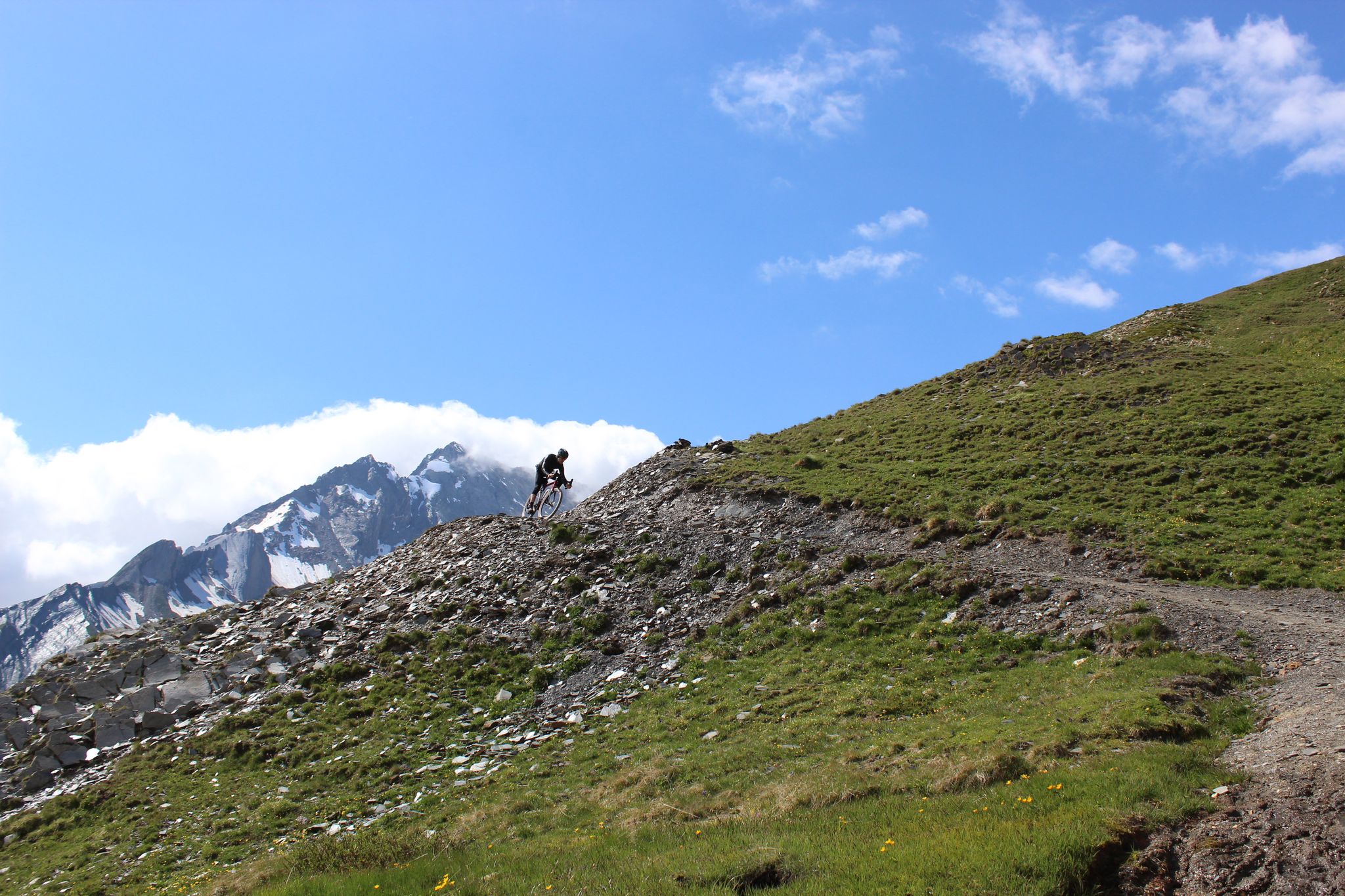
Spectacular Alpine gravel roads of the Tarentaise Valley
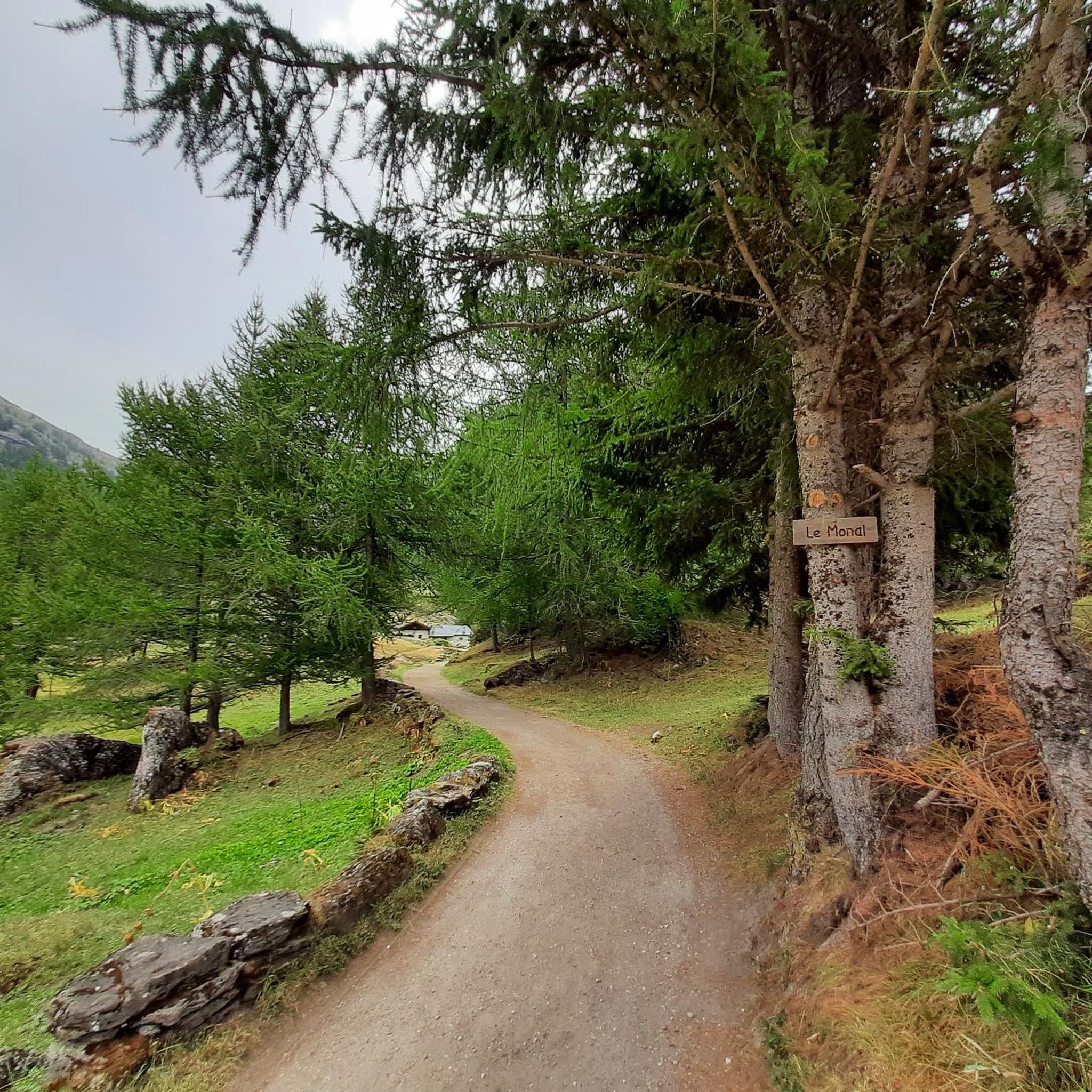
Hiking around Sainte-Foy-Tarentaise
Road Cycling Routes around Sainte-Foy-Tarentaise
MTB Trails around Sainte-Foy-Tarentaise
Cycling around Sainte-Foy-Tarentaise

Gravel biking around Sainte-Foy-Tarentaise
Running Trails around Sainte-Foy-Tarentaise
Mountain Hikes around Sainte-Foy-Tarentaise
Other adventures around Sainte-Foy-Tarentaise

Tips from the Community

Isere reservoir, tunnels and galleries on the D902.
2
0


Very simple and relaxing route through the woods to this splendid lake. If you want to visit it in peace, avoid midday hours, especially in summer
1
0

There is a legend that hovers around the Rutor glacier which tells that the place now occupied by the glacier was once a large green meadow where the cows of a rich farmer grazed. One day God wanted to test his goodness and sent him a beggar to ask for some milk to feed his family. The rich farmer, instead of giving him some of his milk, mocked the beggar and, out of insult, ordered his workers to pour the buckets of fresh milk on the lawn. The beggar reacted by casting a curse on him that made it snow for days on end. Accompanying the snow was also a very cold wind which caused the green pastures to turn into ice. Thus the Rutor glacier was born.
4
0
Lake Arpy is located at 2,066 meters above sea level. It is located in a splendid valley and enclosed between Mount Charvel and Becca Pouegnenta to the left of Mount Colmet. The lake has shades of color ranging from brown to light blue to green. In its waters there are trout and a rare species of amphibian, the Alpine newt.
5
0
On this link you will find all the information on the Deffeyes Refuge http://www.rifugiodeffeyes.it/
0
0
The Alberto Deffeyes refuge is a refuge located in the municipality of La Thuile (AO), in the La Thuile valley, in the Graian Alps, at 2,500 meters above sea level. It was built in 1953 and dedicated to Albert Deffeyes. It is located at the foot of the Testa del Rutor peak and the Rutor glacier in a basin particularly rich in alpine lakes. It is a stopping point of the Alta Via della Valle d'Aosta n. 2. It also offers the possibility of climbing almost overlooking the adjacent lake with various routes from grade 5c to 7a. For info: http://www.rifugiodeffeyes.it
0
1
Lake Verney is the largest natural alpine lake in the Aosta Valley. Of glacial origin, it is located at 2,088 m above sea level, between the Bec des Rousses, the promontory of the Piccolo San Bernardo, and Mount Chaz Dura. The shores of the lake are colonized by hygrophilous vegetation that includes prized botanical varieties such as eriophilous grasses, sedges and rushes as well as sphagnum, a typical species of peat bogs. On the sides, the work of nature has left morainic deposits rich in springs, a perfect habitat for primroses and saxifrages. In a distant time, over 2,000 years ago, the Salassi people considered these waters sacred: they were used to bless the fields, unions and children, to propitiate a fruitful summer or a benevolent winter. When the Salassi leaders returned victorious from a battle, they offered the swords of their fallen adversaries to Graio, the god of war and rocks, as a sign of thanks. Today, Lake Verney is a favorite destination for many tourists as well as a fishing reserve. You can walk around its entire perimeter with a comfortable walk of about 45 minutes and by climbing further you can reach the Upper Lake Verney in about half an hour.
1
0
Frequently Asked Questions
What are some of the most popular lakes to visit around Sainte-Foy-Tarentaise?
The region boasts several stunning lakes. Among the most popular are Lake Arpy, known for its accessible trails and vibrant colors, and Lac du Verney, one of the largest natural alpine lakes in the Aosta Valley. Other highly regarded lakes include Lac de Tignes, Lac du Chevril, Lac de Roselend, and Lac de la Sassière, each offering unique experiences.
Are there family-friendly lakes and hikes near Sainte-Foy-Tarentaise?
Yes, several lakes are ideal for families. Lake Arpy is considered one of the most accessible lakes in the Aosta Valley, with simple walks suitable for children. Lac de la Sassière also offers easy and accessible hikes, with options for wider paths suitable for strollers, making it perfect for family picnics and wildlife spotting.
What kind of outdoor activities can I do around the lakes in Sainte-Foy-Tarentaise?
The lakes offer a wide range of activities. At Lac de Tignes, you can enjoy walking, jogging, paddleboarding, pedal boats, and kayaking in summer, and unique experiences like ice diving or dog sledding in winter. Lac de Roselend is great for relaxation, picnics, hiking, fishing, kayaking, and stand-up paddleboarding. For more structured activities, you can explore various running, gravel biking, and mountain hiking routes in the region. For example, you can find running trails like the 'Le Monal loop' or gravel biking routes such as the 'Roselend Chapel – Roselend Dam loop' on komoot. You can find more details on these activities in the Running Trails around Sainte-Foy-Tarentaise, Gravel biking around Sainte-Foy-Tarentaise, and Mountain Hikes around Sainte-Foy-Tarentaise guides.
Which lakes offer the best opportunities for wildlife spotting?
Lac de la Sassière, located within its eponymous nature reserve, is an excellent spot for wildlife. You might encounter chamois, ibex, marmots, and even bearded vultures. The area around Lake Arpy is also home to trout and a rare species of amphibian, the Alpine newt.
Are there any lakes with historical significance or unique man-made features?
Yes, Lac du Chevril is a man-made lake with a compelling history. It was created in 1952 by the impressive Tignes Dam, which submerged the original village of Tignes. When water levels are significantly lowered for maintenance, the haunting remnants of the old village, including foundations of homes and churches, can reappear. Lac de Roselend is also formed by the stunning Roselend Dam, considered one of France's highest and most aesthetic dams.
What are the best lakes for photography in the region?
Many lakes offer incredible photographic opportunities due to their dramatic alpine settings. Lac de Tignes is known for its surreal reflections and dramatic mountain landscapes. Lac de Roselend, with its turquoise waters against majestic mountains and the impressive Roselend Dam, provides captivating beauty. Lac de la Sassière also offers stunning mountain vistas and glacial rock formations, perfect for landscape photography.
Can I find accommodation or facilities near these lakes?
While specific accommodation details vary, some areas around the lakes are well-equipped. Lac de Tignes, being part of the Tignes resort, has wellness centers with swimming pools, jacuzzis, and fitness areas. The Alberto Deffeyes Hut, located at 2,500 meters above sea level in an area rich in alpine lakes, serves as a stopping point for hikers and offers accommodation and facilities.
What is the best time to visit the lakes around Sainte-Foy-Tarentaise?
The best time largely depends on the activities you plan. Summer (June to September) is ideal for hiking, water sports, and enjoying the lush alpine pastures. In winter, when lakes like Lac de Tignes freeze over, unique ice-related activities become available. Always check local conditions, especially for higher-altitude lakes, as snow can persist into early summer.
Are there any easy lake walks suitable for beginners?
Absolutely. The hike to Lake Arpy is a simple walk suitable for the whole family and beginners. Similarly, the path to Lac de la Sassière is generally considered easy and accessible, with options for wider paths. You can also walk around the entire perimeter of Lac du Verney with a comfortable walk of about 45 minutes.
What natural features characterize the lakes in this region?
The lakes around Sainte-Foy-Tarentaise are primarily alpine, often set against dramatic backdrops of peaks and glaciers. Many are of glacial origin, like Lac du Verney, or are dammed lakes nestled in protected nature reserves, such as Lac de la Sassière. They are typically at high elevations, contributing to their clear waters and unique ecosystems, with colors ranging from turquoise to shades of brown, light blue, and green, as seen in Lake Arpy.
Can I swim in the lakes around Sainte-Foy-Tarentaise?
While many alpine lakes are beautiful, their waters can be very cold due to their high altitude and glacial origins. For example, only the bravest swim in Lac du Verney. Lac de Tignes offers water sports like paddleboarding and kayaking, and in winter, unique experiences like ice floating. Always exercise caution and check local regulations regarding swimming.
What do visitors enjoy most about the lakes around Sainte-Foy-Tarentaise?
Visitors particularly appreciate the stunning natural beauty, the clear alpine waters, and the dramatic mountain backdrops. The accessibility of some lakes, like Lake Arpy, for families and beginners is a big draw. The diverse range of activities, from tranquil picnics and wildlife spotting to adventurous water sports and challenging hikes, also contributes to a highly enjoyable experience.
Most popular routes around Sainte-Foy-Tarentaise
Most popular attractions around Sainte-Foy-Tarentaise

Get inspired with the komoot mobile app


Explore more
Still not found your perfect lake around Sainte-Foy-Tarentaise? Check out the guides of these regions to see even more beautiful places.
