Attractions and Places To See around Moissac - Top 20
Attractions and places to see around Moissac include historical sites, natural features, and architectural heritage. Located at the confluence of the Tarn and Garonne rivers, Moissac offers a diverse landscape for exploration. The town is recognized for its UNESCO World Heritage site and its unique Art Deco architecture. Visitors can explore waterways, vineyards, and charming medieval streets.
Best attractions and places to see around Moissac
- The most popular attractions is Saint Peter's Abbey Church and Cloister, a historical site that is a UNESCO World Heritage site. Its Romanesque portal and cloister feature 76 intricately carved capitals depicting biblical scenes.
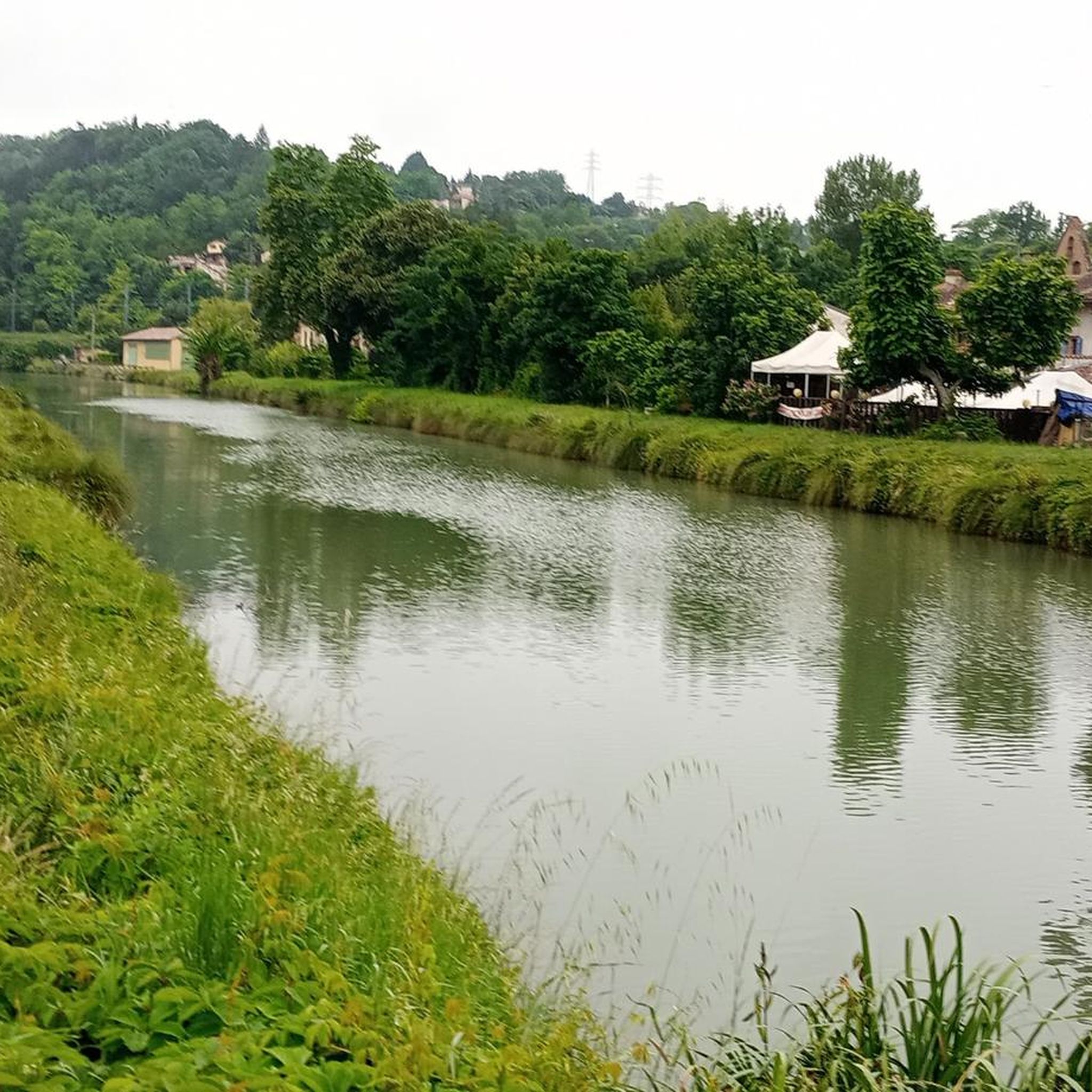
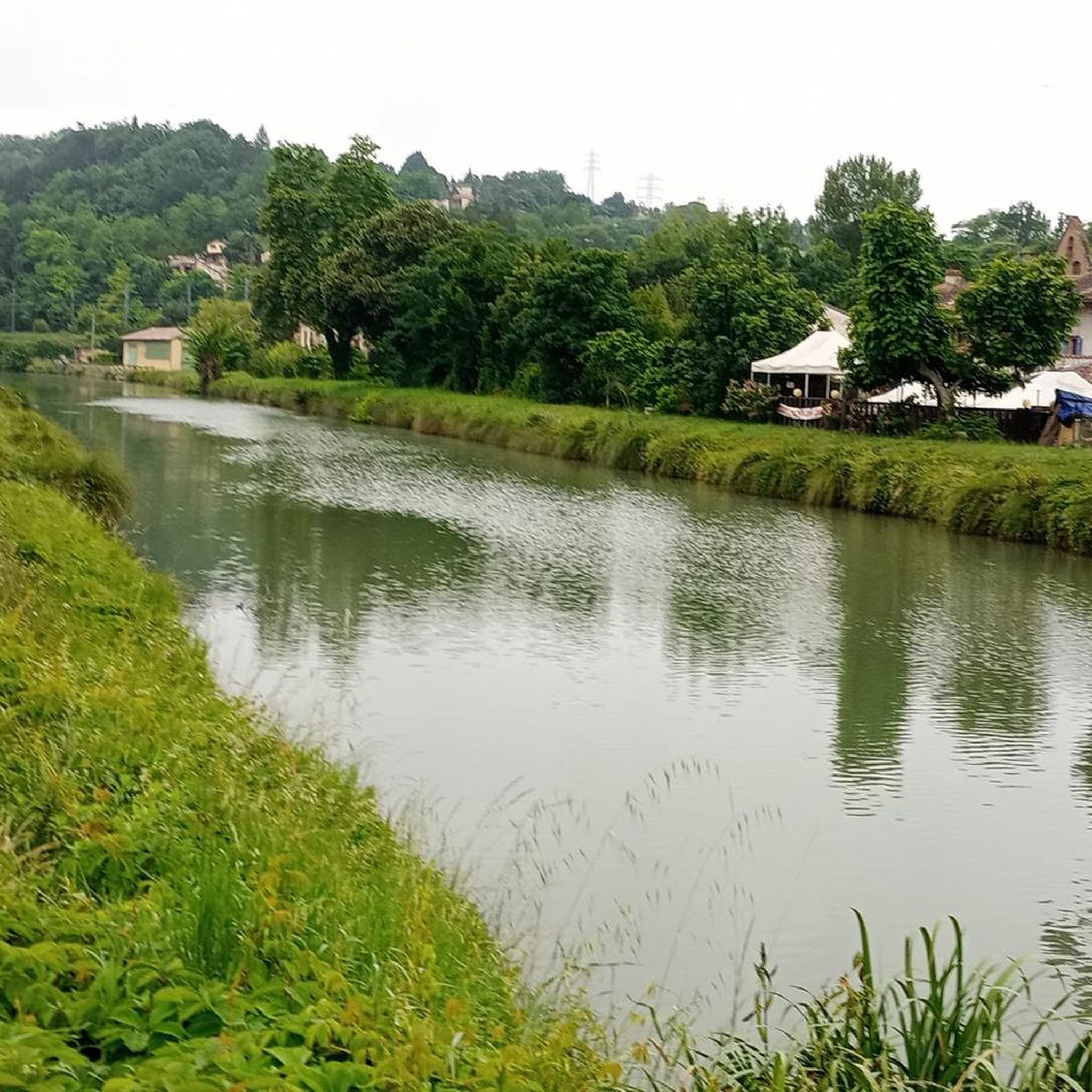
- Another must-see spot is Cacor Canal Bridge, a bridge that allows the Canal des Deux-Mers to span the Tarn River. This 19th-century structure is an impressive engineering feat built from Toulouse bricks and Quercy stone.
- Visitors also love A typical local dovecote, a well-preserved man-made monument. Its unique 4-pillar construction with fungal pads was designed to protect pigeons from rodents.
- Moissac is known for its historical sites, waterways, and Art Deco architecture. These attractions offer a blend of cultural significance and natural beauty to explore.
- The attractions around Moissac are appreciated by the komoot community, with over 260 upvotes and 73 photos shared across 8 highlights.
Last updated: August 25, 2026
Cacor Canal Aqueduct in Moissac
Highlight • Bridge
Entirely made of Toulouse bricks and Quercy stone, the Cacor canal bridge is located about twenty minutes from the city center, and is still today one of the largest in France.
Translated by Google •
Tip by

Moissac
Highlight • Other
Translated by Google •
Tip by

Sign up now to discover places like this
Get recommendations on the best single tracks, peaks, & plenty of other exciting outdoor places.
Sign up for free
Saint Peter's Abbey Church and Cloister
Highlight • Historical Site
Peter and Paul are also known as the “Princes of the Apostles”; their common feast day in the saints’ calendar is June 29th.
Translated by Google •
Tip by

A typical local dovecote
Highlight • Monument
The construction of the 4 pillars is very interesting. The fungal pads made it impossible for the rats to get in and eat the pigeons' eggs.
Translated by Google •
Tip by

Ancien Carmel de Moissac
Highlight • Religious Site
Surrounded by a park layered with greenery and trees, it is organized around the old cloister with a southern atmosphere. The panorama extends over the town and the united plains of the Garonne and the Tarn, the confluence of which is very close.
The Ancien Carmel de Moissac is a place of accommodation for 80 people, with rooms of 2 to 7 beds.
It is open every day of the year.
Translated by Google •
Tip by
Sign up for free to discover even more attractions around Moissac.
Sign up for free
Already have an account?
Start today with a free account
Your next adventure awaits.
Login or Signup
Other adventures around Moissac

Tips from the Community

The abbey and its cloister, the historic center, the Art Deco buildings, the Napoleon bridge, the towpath, and the Cacor canal bridge are must-sees. Everything can be easily discovered on foot. Moissac is a major stop on the Camino de Santiago thanks to its exceptional heritage, particularly its abbey, a UNESCO World Heritage site. Its Romanesque cloister and sculpted tympanum make it an emblematic place for pilgrims from all over the world.
0
0
The Old Carmel of Moissac, overlooking the Saint-Pierre abbey, was built between 1857 and 1858 on the initiative of the "ladies of Praslin", wealthy benefactresses. It is a major stop for pilgrims on the Way of Saint James of Compostela (via Podiensis). The architecture of the Old Carmel of Moissac perfectly reflects the spirit of poverty, contemplation, and self-sufficient life characteristic of the Carmelite order in the 19th century. Cloister with raised dormitories, open south gallery, enclosure, predominance of limestone, cut stones, stepped church, stained glass from three periods, including three signed ones from the 20th century.
0
0
Abbey founded in the mid-7th century. After its affiliation with Cluny in 1047, the abbey was consecrated in 1063. Cloister built at the end of the 11th century (high altar consecrated by Urban II), portal completed between 1115 and 1135, fortifications and cloister arcades in the 13th century. After the troubles of the Hundred Years' War and the looting due to the Wars of Religion, the abbey came under commendatory abbots in the 17th century. After the Revolution, the abbey was bought back as national property and saved by the town hall secretary. The church was returned to worship in 1801 and was restored at the initiative of Viollet-le-Duc in 1847. In 1856, the conventual buildings located on the site of the seminary were destroyed and divided for sale. The repurchase of the plots allowed for the construction of the minor seminary and a chapel between 1860 and 1865. The seminary is built on medieval remains of the abbey, particularly the cistern and the Hall of the Dead, which retains painted decoration from the 14th century.
0
0

Great medieval frescoes and a unique cloister
0
0

Beautiful canal bridge overlooking the River Tarn
2
0
Beautiful abbey. There is also a hostel for pilgrims attached, where you can also find the stamp to put on your credentials.
5
0


A nice stop on the road, very pretty. In addition, it offers a special rate for itinerant cyclists: reduced rate "eco-travellers"
0
0
Frequently Asked Questions
What is the most historically significant site in Moissac?
The most historically significant site is undoubtedly the Saint Peter's Abbey Church and Cloister. This magnificent 12th-century abbey is a UNESCO World Heritage site and a crucial stop on the Pilgrim's Way to Santiago de Compostela. Its cloister is renowned for 76 intricately carved capitals, and the church features a monumental Romanesque tympanum depicting the Last Judgment.
Are there any unique architectural styles to explore in Moissac beyond the abbey?
Yes, Moissac boasts a notable concentration of Art Deco-style buildings. Following a devastating flood in 1930, the town underwent significant reconstruction, resulting in this unique architectural heritage. You can explore a 2km urban trail to discover gables, metal hinges, and murals, including the Uvarium kiosk with frescoes celebrating the local Chasselas grape.
What natural features and waterways can I explore around Moissac?
Moissac is rich in natural beauty, situated at the confluence of the Tarn and Garonne rivers. You can explore the Cacor Canal Bridge, an impressive engineering feat where the Canal des Deux-Mers spans the Tarn River. The banks of the Tarn and Garonne offer beautiful landscapes ideal for walking, cycling, birdwatching, and various water sports. Don't miss the Chasselas grape vineyards that characterize the surrounding countryside.
Where can I find panoramic views of Moissac and its surroundings?
For breathtaking panoramic views, head to the Calvary Viewpoint. From here, you can see Moissac, including the Tarn River, the abbey's bell tower, the Canal des Deux-Mers, and the surrounding orchards and vineyards. On clear days, you might even catch a glimpse of the Pyrenees mountain range.
What outdoor activities are available near Moissac's attractions?
The area around Moissac is perfect for outdoor enthusiasts. You can enjoy cycling along the Canal des Deux-Mers, with routes like the 'Moissac Canal – Boudou Bridge loop' which is an easy 21 km ride. For running, there's the 'Moissac – Cacor Canal Aqueduct in Moissac loop' covering 21.5 km. You can find more options for cycling and running on komoot.
Are there family-friendly attractions or activities in Moissac?
Yes, Moissac offers several family-friendly options. The Cacor Canal Bridge and the Canal des Deux-Mers are great for easy walks or bike rides with children. Additionally, the Bike Park Castel-Sarrasin provides a fun area with different levels of tracks, including pump-tracks, ideal for training younger cyclists in a safe environment.
What is a 'dovecote' and why is it a notable attraction in Moissac?
A dovecote is a structure designed to house pigeons. In Moissac, you can find A typical local dovecote which is very well preserved. Its unique 4-pillar construction with fungal pads was ingeniously designed to protect the pigeons from rodents, showcasing historical ingenuity in agriculture.
What is the best time of year to visit Moissac for outdoor activities?
Moissac is pleasant for outdoor activities from spring through autumn. The weather is generally mild, making it ideal for exploring the canals, rivers, and vineyards. Summer offers warm days perfect for water sports and enjoying the Uvarium esplanade, while spring and autumn provide comfortable temperatures for cycling and walking.
Can I visit other charming villages near Moissac?
Absolutely! Moissac serves as an excellent base for exploring nearby villages recognized among 'Les Plus Beaux Villages de France' (The Most Beautiful Villages of France). Consider visiting Auvillar, known for its unusual round market hall, or Lauzerte, a well-preserved bastide town. Both are also stages on the Santiago de Compostela routes.
What do visitors particularly enjoy about Moissac?
Visitors are consistently captivated by Moissac's blend of historical grandeur and natural beauty. The serene atmosphere of the Abbey's cloister, the impressive engineering of the Cacor Canal Bridge, and the charm of the old town's medieval streets are frequently praised. Many also appreciate the opportunities for peaceful walks and bike rides along the waterways.
Is Moissac considered a 'Town of Art and History'?
Yes, Moissac proudly holds the 'Ville d'Art et d'Histoire' (Town of Art and History) label. This recognition highlights its rich architectural heritage, which includes not only the Romanesque abbey but also its distinctive Art Deco buildings and charming medieval streets, offering a diverse cultural experience.

Get inspired with the komoot mobile app


Explore more
Still not found the Highlight you’re looking for? See guides of the top attractions in other regions:
