The best walks and hikes around Moissac
4.5
(84)
610
hikers
41
hikes
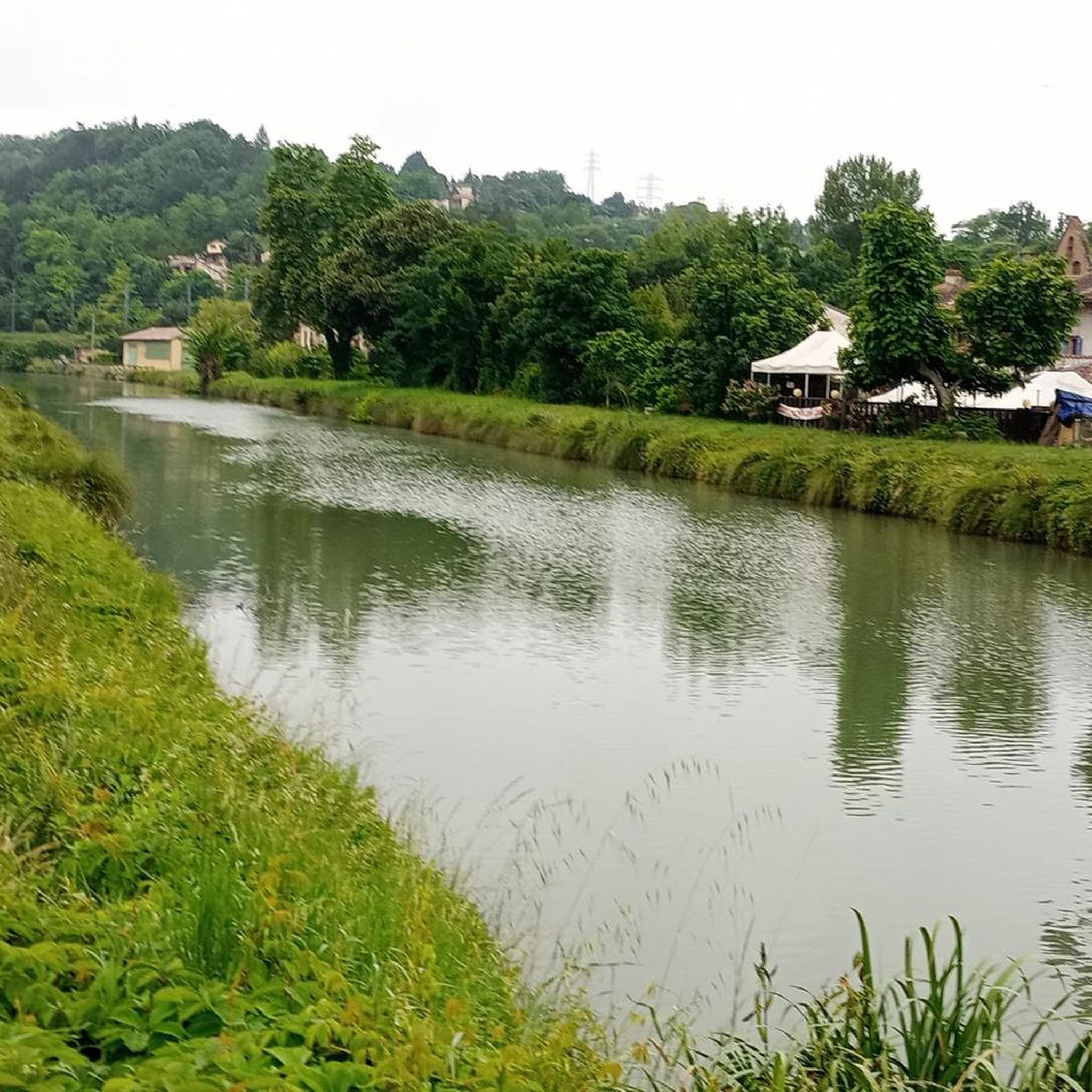
Hiking around Moissac offers diverse landscapes at the confluence of the Tarn and Garonne rivers. The region features extensive orchards and vineyards on its hillsides, alongside the historic Canal latéral à la Garonne. Trails often follow shaded towpaths, meander through agricultural areas, and ascend to viewpoints overlooking the river plains. This varied terrain provides options for different hiking experiences.
Best hiking trails around Moissac
- The most popular hiking route is Cacor Canal Bridge – Cacor Canal Aqueduct in Moissac loop from Moissac, an easy 4.2 miles (6.7 km) trail that takes 1 hour 42 minutes to complete. This route highlights the impressive 19th-century Cacor Canal Bridge, which carries the canal over the Tarn River.
- Another top favourite among local hikers is Boudou Bridge loop from Moissac, a moderate 9.2 miles (14.8 km) path. This trail explores the "Coteaux de Boudou" area, known for its vineyards and orchards, offering views over the Garonne River.
- Local hikers also love the Sonthique Nomade Sculpture – Mosaic Shrine Rest Area loop from Lotissement Belle-Île, a 15.8 miles (25.4 km) trail leading through varied countryside, often completed in about 7 hours 1 minute.
- Hiking around Moissac is defined by riverside paths, canal towpaths, and routes through orchards and vineyards. The network offers options for various ability levels, from easy strolls to more challenging treks.
- The routes in Moissac are highly rated by the komoot community with an average score of 4.4 stars from over 70 reviews. More than 500 hikers have used komoot to explore Moissac's varied terrain.
Last updated: August 19, 2026
4.5
(13)
88
hikers
Hard hike. Very good fitness required. Easily-accessible paths. Suitable for all skill levels.
4.4
(10)
49
hikers
20.2km
05:31
310m
310m
Hard hike. Very good fitness required. Easily-accessible paths. Suitable for all skill levels.

Sign up for free
4.7
(3)
31
hikers
6.39km
01:38
20m
20m
Easy hike. Great for any fitness level. Easily-accessible paths. Suitable for all skill levels.
5.0
(2)
33
hikers
14.8km
04:02
200m
200m
Moderate hike. Good fitness required. Easily-accessible paths. Suitable for all skill levels.
5.0
(4)
58
hikers
27.0km
07:27
460m
460m
Hard hike. Very good fitness required. Easily-accessible paths. Suitable for all skill levels.
Get access to more routes and recommendations from other explorers.
Sign up for free
Already have an account?
Our route recommendations are based on thousands of hikes, rides, and runs completed by other people on komoot.
Start today with a free account
Your next adventure awaits.
Login or Signup
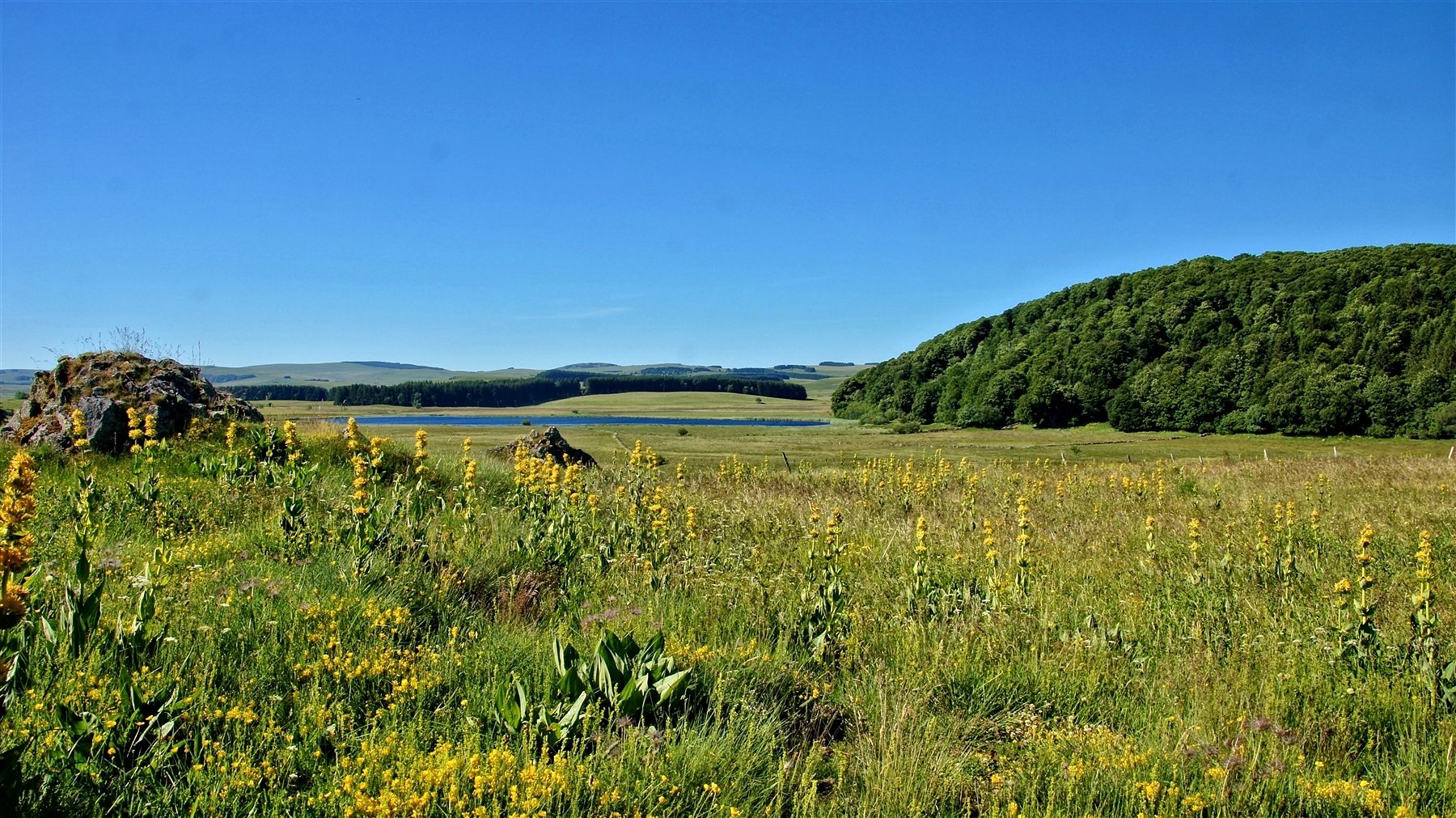
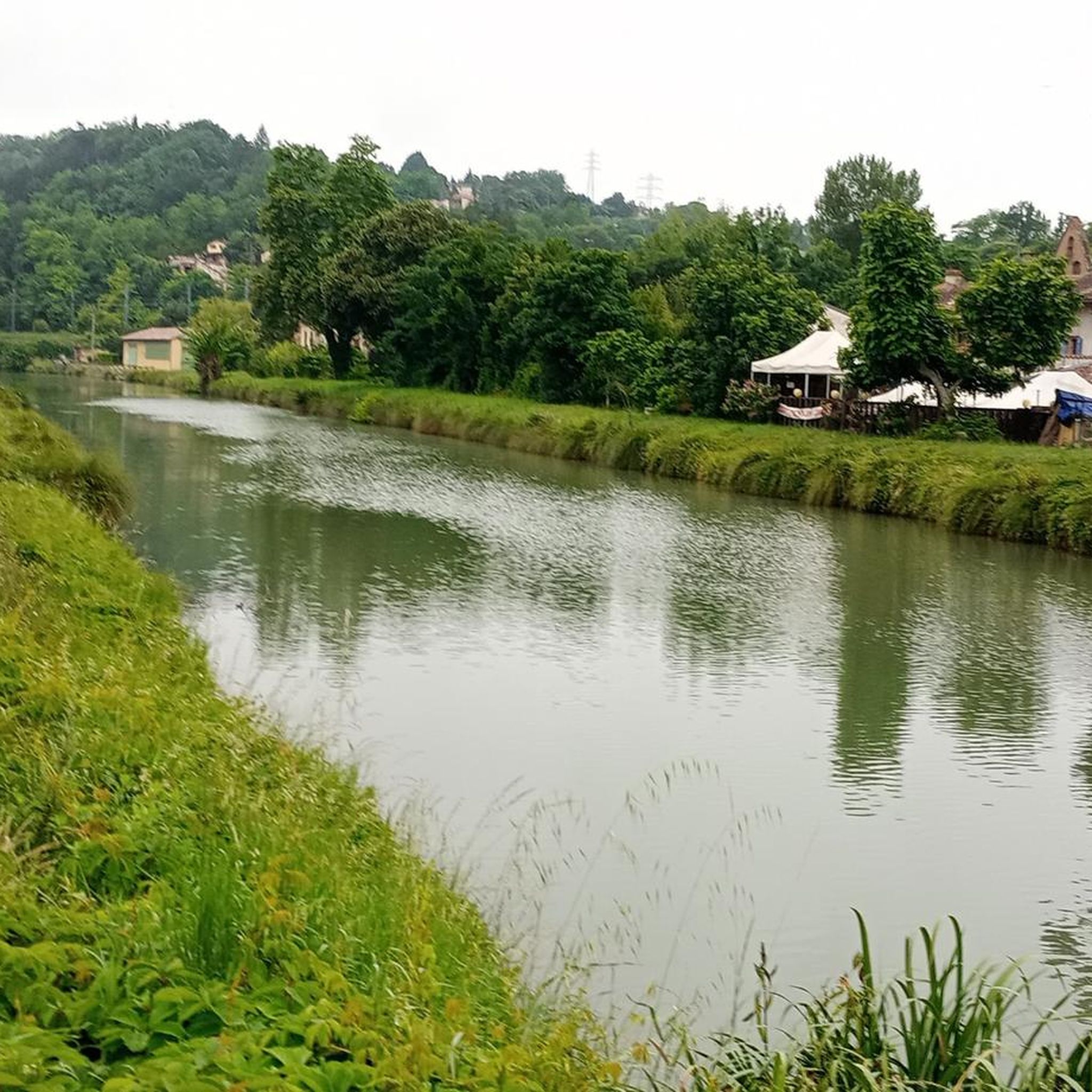
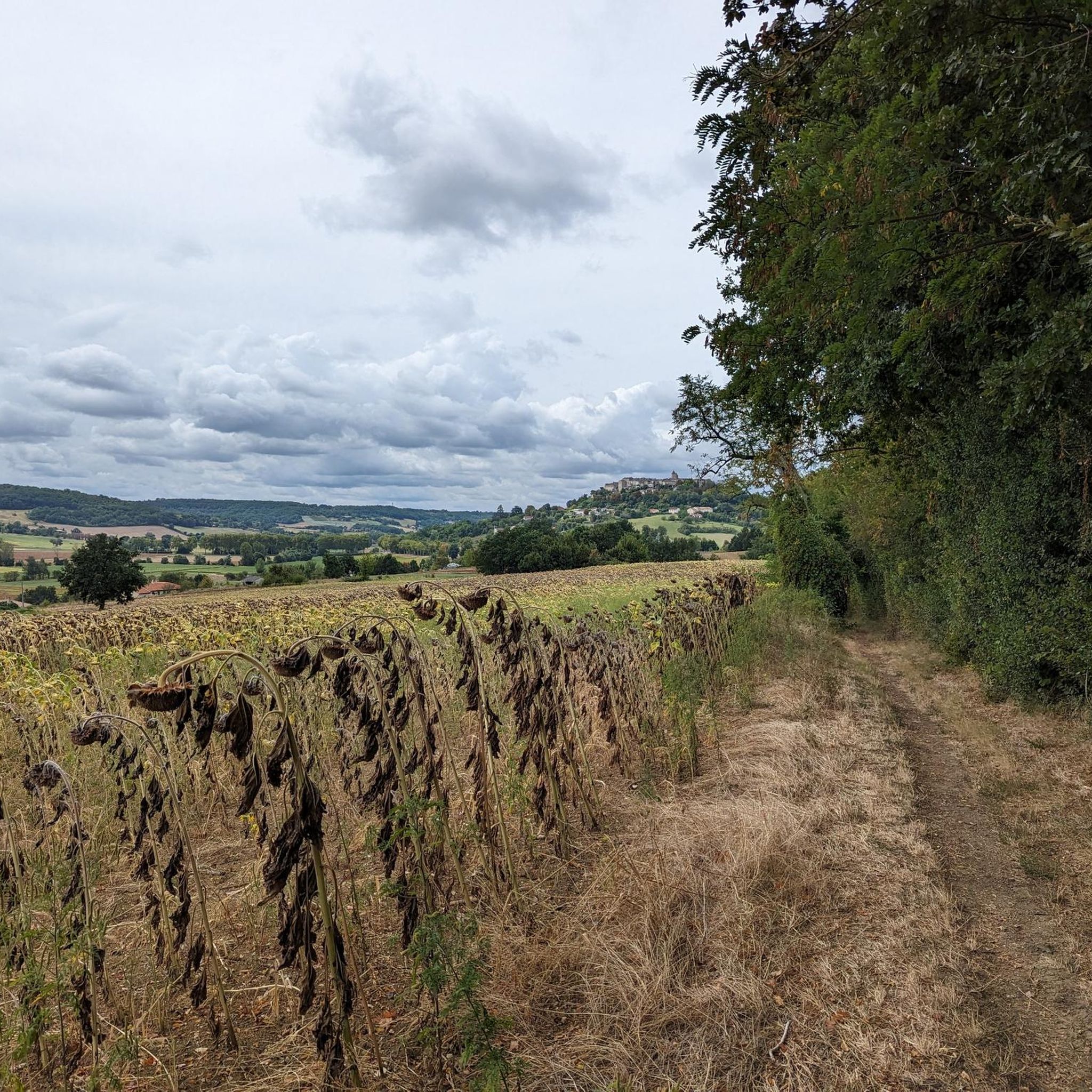
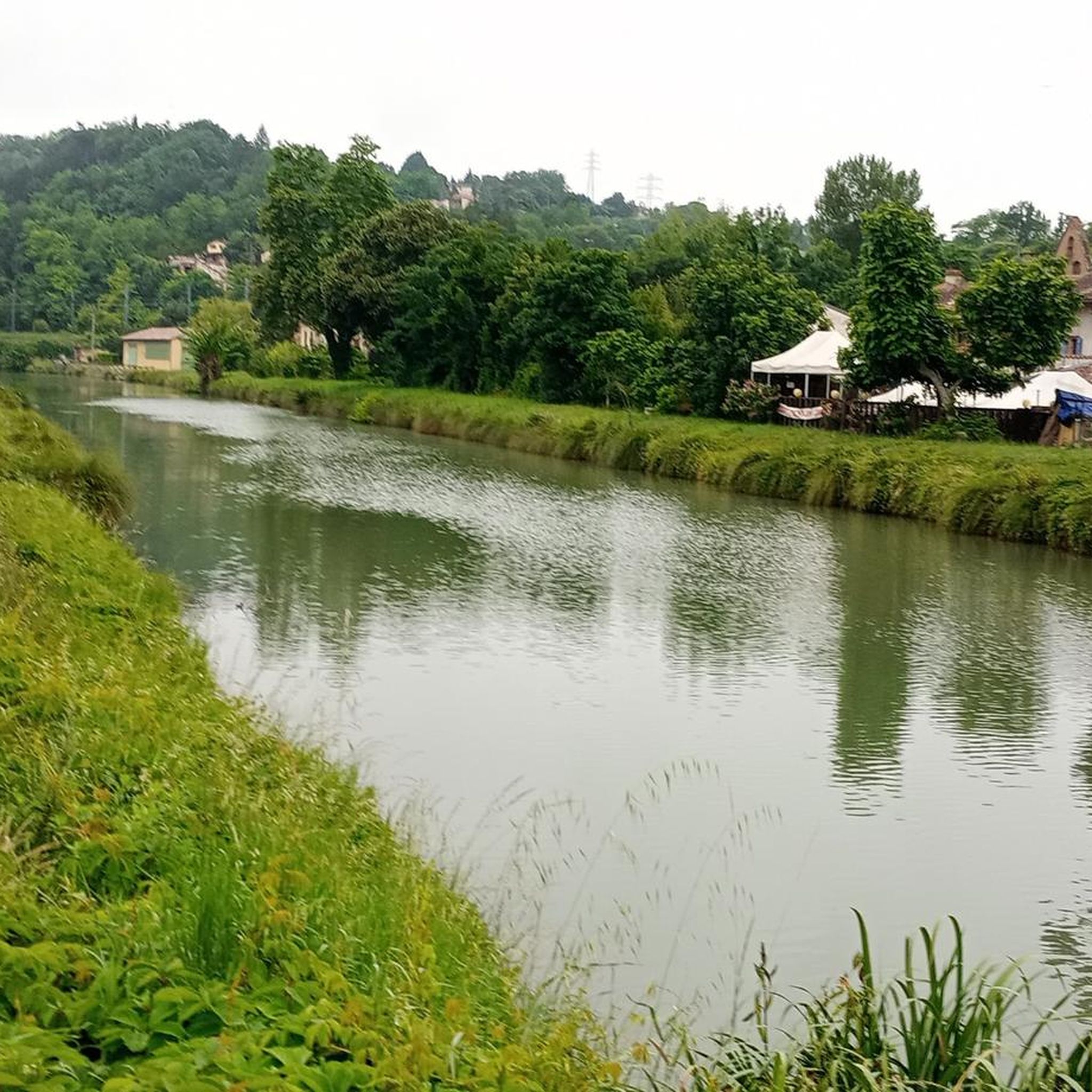
Other adventures around Moissac

Tips from the Community

The abbey and its cloister, the historic center, the Art Deco buildings, the Napoleon bridge, the towpath, and the Cacor canal bridge are must-sees. Everything can be easily discovered on foot. Moissac is a major stop on the Camino de Santiago thanks to its exceptional heritage, particularly its abbey, a UNESCO World Heritage site. Its Romanesque cloister and sculpted tympanum make it an emblematic place for pilgrims from all over the world.
0
0
Abbey founded in the mid-7th century. After its affiliation with Cluny in 1047, the abbey was consecrated in 1063. Cloister built at the end of the 11th century (high altar consecrated by Urban II), portal completed between 1115 and 1135, fortifications and cloister arcades in the 13th century. After the troubles of the Hundred Years' War and the plundering due to the Wars of Religion, the abbey passed into commendam in the 17th century. After the Revolution, the abbey was bought back as national property and saved by the town hall secretary. The church was returned to worship in 1801 and was restored at the initiative of Viollet-le-Duc in 1847. In 1856, the conventual buildings located on the site of the seminary were destroyed and divided into plots for sale. The purchase of the plots allowed for the construction of the minor seminary and a chapel between 1860 and 1865. The seminary is built on medieval remains of the abbey, particularly the cistern and the Hall of the Dead, which retains painted decoration from the 14th century.
0
0
Abbey founded in the mid-7th century. After its affiliation with Cluny in 1047, the abbey was consecrated in 1063. Cloister built at the end of the 11th century (high altar consecrated by Urban II), portal completed between 1115 and 1135, fortifications and cloister arcades in the 13th century. After the troubles of the Hundred Years' War and the looting due to the Wars of Religion, the abbey came under commendatory abbots in the 17th century. After the Revolution, the abbey was bought back as national property and saved by the town hall secretary. The church was returned to worship in 1801 and was restored at the initiative of Viollet-le-Duc in 1847. In 1856, the conventual buildings located on the site of the seminary were destroyed and divided for sale. The repurchase of the plots allowed for the construction of the minor seminary and a chapel between 1860 and 1865. The seminary is built on medieval remains of the abbey, particularly the cistern and the Hall of the Dead, which retains painted decoration from the 14th century.
0
0
The abbey and its cloister, the historic center, the Art Deco buildings, the Napoleon bridge, the towpath and the Cacor canal bridge are must-sees. Moissac is a major stop on the routes to Santiago de Compostela thanks to its exceptional heritage, notably its abbey, a UNESCO World Heritage site. Its Romanesque cloister and sculpted tympanum make it an emblematic place for pilgrims from all over the world.
0
0
The abbey and its cloister, the historic center, the Art Deco buildings, the Napoleon bridge, the towpath, and the Cacor canal bridge are must-sees. Moissac is a major stop on the Camino de Santiago routes thanks to its exceptional heritage, notably its abbey, a UNESCO World Heritage site. Its Romanesque cloister and sculpted tympanum make it an emblematic place for pilgrims from all over the world.
0
0

A very nice route with varied landscapes. Possibility of leaving from Moissac center to exceed 20km.
1
0

Small, pretty church (unfortunately closed) on a hill in Saint Martin. In front of the church there is a nice rest area under an old, shady oak tree.
2
0
Small pilgrim restaurant right on the Camino. Ideal for a coffee☕️or a cold drink. There is also a 'free' water point outside. They also serve snacks.
2
0
Frequently Asked Questions
How many hiking trails are available around Moissac?
Moissac offers a wide variety of hiking experiences, with over 35 routes available. These range from easy strolls along the riverbanks to more challenging treks through vineyards and hillsides.
Are there easy hiking trails suitable for beginners or casual walkers in Moissac?
Yes, Moissac has plenty of easy trails. For instance, the Cacor Canal Bridge – Cacor Canal Aqueduct in Moissac loop from Moissac is an easy 4.2-mile (6.7 km) route that takes less than two hours to complete, highlighting the impressive 19th-century Cacor Canal Bridge. Many paths along the Canal latéral à la Garonne are also flat and shaded, perfect for leisurely walks.
Can I find circular hiking routes around Moissac?
Absolutely. Many of Moissac's trails are designed as loops, allowing you to start and finish in the same location. An example is the Boudou Bridge loop from Moissac, a moderate 9.2-mile (14.8 km) path exploring the scenic "Coteaux de Boudou" area with its vineyards and views over the Garonne River.
What kind of landscapes can I expect to see while hiking in Moissac?
Hiking in Moissac offers diverse scenery, from picturesque waterside trails along the Tarn and Garonne rivers to shaded paths beside the historic Canal latéral à la Garonne. You'll also traverse extensive orchards and vineyards on the hillsides, particularly in areas like the "Coteaux de Boudou," providing beautiful agricultural landscapes and panoramic views.
What are some good hiking options for families with children in Moissac?
Moissac is very family-friendly. The local tourist office provides maps for 22 "Randoland" routes specifically designed for families, ranging from 1 to 4 kilometers. The flat, traffic-free towpaths along the Canal latéral à la Garonne are also excellent for easy strolls with children. For more information on family activities, you can visit the Moissac Tourist Office website.
Are dogs allowed on hiking trails in Moissac?
Generally, dogs are welcome on most hiking trails in Moissac, especially on rural paths and canal towpaths. However, it's always recommended to keep them on a leash, particularly when passing through agricultural areas, near livestock, or in more populated sections of the town. Please ensure you clean up after your dog to maintain the beauty of the trails.
What are the best viewpoints or landmarks to see on a hike in Moissac?
Moissac offers several notable landmarks and viewpoints. The Cacor Canal Bridge, an impressive 19th-century structure carrying the canal over the Tarn River, is a must-see. Elevated spots like Le Calvaire provide breathtaking panoramic views of Moissac and the surrounding countryside. Don't miss the historic Saint Peter's Abbey Church and Cloister, a significant stop on the Camino de Santiago, which can be incorporated into urban walks.
Is public transport available to access hiking trails in Moissac?
Moissac is a key stop on the GR 65 (Via Podiensis) of the Camino de Santiago, making it accessible for long-distance hikers. For local trails, while some routes start directly from the town center, access to others might require a short drive. Specific public transport options to trailheads can vary, so it's advisable to check local bus schedules or consider carpooling for routes further afield.
What do other hikers enjoy most about hiking in Moissac?
The hiking routes in Moissac are highly rated by the komoot community, with an average score of 4.4 stars from over 70 reviews. Hikers often praise the region's diverse scenery, from the tranquil riverside paths and historic canal towpaths to the beautiful vineyard and orchard landscapes. The variety of trails catering to different ability levels is also frequently highlighted.
What is the best time of year to go hiking in Moissac?
The spring (April to June) and autumn (September to October) are generally the best times for hiking in Moissac. During these seasons, the weather is pleasant, temperatures are mild, and the landscapes are particularly beautiful, with blooming orchards in spring and vibrant colors in autumn. Summer can be warm, but shaded canal paths offer respite, while winter can be cooler but still suitable for walks.
Are there any long-distance hiking routes that pass through Moissac?
Yes, Moissac is a crucial and popular stop on the GR 65 (Via Podiensis), one of the main routes of the Camino de Santiago. This makes it a significant destination for long-distance pilgrims and hikers. Notable stages connected to Moissac include the 24km stretch from Lauzerte to Moissac and the 21km route from Moissac to Auvillar.
Where can I find information about local walking circuits provided by the Moissac Tourist Office?
The Moissac Tourist Office provides maps detailing various local walking circuits, including family-friendly "Randoland" routes and specific circuits around the town. These cater to different fitness levels. You can find more information on their website, specifically the hikes section.
Most popular attractions around Moissac

Get inspired with the komoot mobile app


Explore more
Browse the best Hikes in other regions.
