Attractions and Places To See around Thuré - Top 15
Best attractions and places to see around Thuré, a commune in the Vienne department in western France, offers a variety of attractions ranging from historical landmarks to natural sites and recreational activities. The region features remnants of Gallo-Roman history, medieval architecture, and expansive natural areas. Visitors can explore ancient ruins, fortified castles, and serene lakes.
Best attractions and places to see around Thuré
- The most popular attractions is Châtellerault, a settlement that is the second largest city in the…
Last updated: November 2, 2026
Châtellerault
Highlight • Settlement
Translated by Google •
Tip by

Gallo-Roman Theatre of Old Poitiers
Highlight • Other
Translated by Google •
Tip by
Sign up now to discover places like this
Get recommendations on the best single tracks, peaks, & plenty of other exciting outdoor places.
Le Grand Atelier
Highlight • Museum
Translated by Google •
Tip by

The troglodytes
Highlight (Segment) • Other
Translated by Google •
Tip by

St-Cyr Lake Loop
Highlight (Segment) • Lake
Translated by Google •
Tip by
Sign up for free to discover even more attractions around Thuré.
Already have an account?
Start today with a free account
Your next adventure awaits.
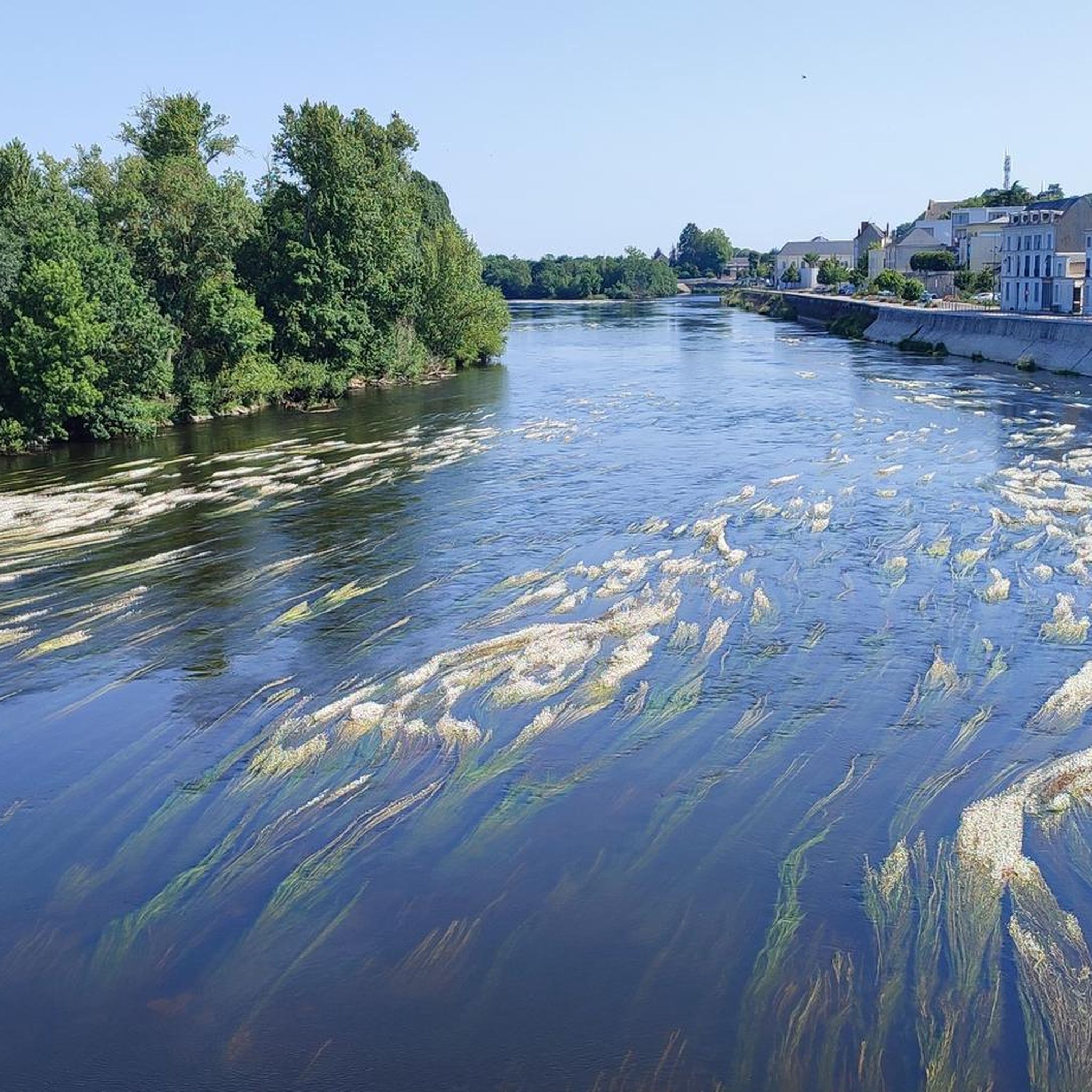

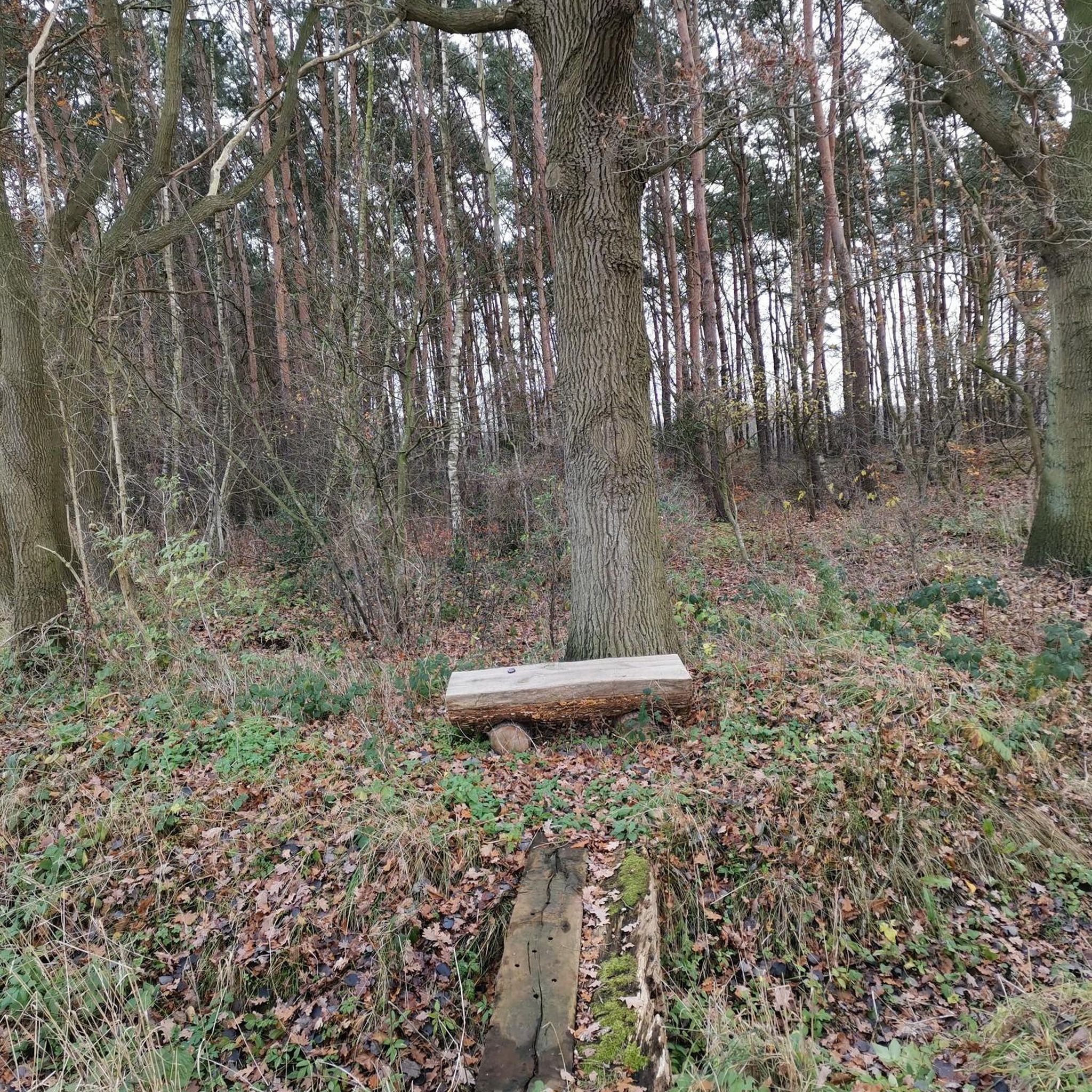


Tips from the Community

On 30/08/2026, the Francois Mitterand space, right in front of the kiosk, welcomed almost 1400 clarinettists to break the world record held by Hong Kong and entered in the Guinness Book. This has been done and recorded by an official member of the organization who came specifically for this purpose. The objective announced for months by the Poitiers conductor Emmanuel Boulanger has been largely achieved. The old record, set in Hong Kong with 448 clarinettists, has been smashed. Amateurs, music school students and professionals played together, in front of a large audience. The performance should now feature in the Guinness Book of Records. Below is the press article and video published locally. https://share.google/KJQ2WCRdVkkB0aF61
0
0
🏭 1. A museum set up in the former “Manu” Le Grand Atelier - Museum of Art and Industry is located on the site of the former Châtellerault Arms Factory ("Manufacture d’armes"). The Manufacture was created by royal ordinance on July 14, 1819, under Louis XVIII. Construction began in 1820. Its location in Châtellerault was notably due to the presence of the Vienne river, which allowed for the use of hydraulic energy, and the existence of a significant local tradition of cutlery and metallurgy. Initially, it mainly produced edged weapons: sabers, swords, lances, and cuirasses. From the 1830s onwards, production also turned to firearms. The Manufacture gradually became a huge industrial complex, employing several thousand people. It played a considerable role in the economic and social history of Châtellerault. 🔧 2. The museum building The building now occupied by the Grand Atelier is particularly interesting. It is part of the former assembly and finishing workshop, built between 1886 and 1887, notably in the context of the production of the Lebel rifle. It is a characteristic industrial building from the late 19th century, with vast spaces, large glass bays, and saw-tooth roofs allowing for significant natural light. It is now protected as heritage. The Manufacture closed permanently in 1968. 🚗 3. The birth of the automobile museum After the closure of the Manufacture, part of the buildings was reused for cultural purposes. As early as 1969, the site hosted a museum, notably stemming from Bernard de Lassée's vehicle collection. It was first named Musée de la Technique et de l’Automobile, then became Musée Auto-Moto-Vélo. The town of Châtellerault acquired part of Bernard de Lassée's collection and gradually developed the museum. The collections include, in particular, vintage cars, motorcycles, bicycles, engines, posters, and accessories, featuring prestigious brands such as Panhard-Levassor, Delahaye, Talbot, Darracq, or Bugatti. 🏛️ 4. The merger with the former Sully museum This is an important step in understanding why the museum today bears the name “museum of art and industry”. Châtellerault also had another museum, located in the Hôtel Sully, dedicated to the history and heritage of the town: archaeology, fine arts, weapons, cutlery, ethnology, local artists, etc. Gradually, the collections of the two institutions were brought together on the site of the former Manufacture. The Ministry of Culture thus indicates that the collections were regrouped on the Manufacture site, first under the name Musée de la technique et de l’automobile, then Musée Auto-Moto-Vélo, and finally Grand Atelier. 🎭 5. The transformation into “Grand Atelier” After significant renovations, the museum was reorganized and took its current name in 2019: Le Grand Atelier – Musée d’art et d’industrie. It is therefore no longer just a museum dedicated to automobiles. It now offers three main tours: 🚗 Auto-Moto-Vélo: the evolution of transport from the 19th century to the 2000s; 🔫 Manufacture d’armes: the industrial and social history of the “Manu” and its workers; 🎭 Cabaret du Chat Noir: dedicated to Rodolphe Salis, born in Châtellerault and founder of the famous Montmartre cabaret. The museum now covers over 3,000 m² of exhibition space. An important clarification It is therefore necessary to distinguish: - The Arms Factory (“La Manufacture d’armes”) → the large industrial site created in 1819, closed in 1968. - The Grand Atelier building → a former workshop of the Manufacture, built in 1886-1887. - Le Grand Atelier – Museum of Art and Industry → the museum gradually created on this site, whose current name dates from 2019. - And the former Sully museum → a historic museum institution in Châtellerault, part of whose collections have been integrated into the Grand Atelier.
0
0

A few houses bear witness to a rich past on the troglodytes. Sometimes mushroom farms, sometimes natural wine cellars, some have become habitable dwellings. It's a shame they aren't more developed. Pleasant hiking trails.
0
0

Very beautiful hike, with varied paths and discoveries
1
0

The Gallo-Roman Theatre of Old Poitiers is a major archaeological site located in the Vienne department, in the Nouvelle-Aquitaine region. This ancient theatre is one of the remains of the Gallo-Roman period in France. Cultural Importance Heritage: The Gallo-Roman Theatre of Old Poitiers is a precious testimony to Roman civilisation in Gaul and is part of the city's rich historical heritage. It offers insights into cultural and social life in Roman times. Education: The site also serves as an educational tool to understand Roman architecture and ancient theatrical practices, enriching visitors' knowledge of ancient history. The Gallo-Roman Theatre of Old Poitiers is therefore a must-see site for ancient history enthusiasts and visitors interested in Gallo-Roman heritage, offering a fascinating journey into the past. Guided tours possible by appointment.
3
0
Lac de Saint-Cyr, located near Poitiers in Vienne (86), is a must-see place for relaxation and leisure for nature lovers. Covering approximately 85 hectares, this vast body of water is surrounded by a 300-hectare park, offering an idyllic setting for a day outdoors. One of the main reasons to come for a walk around Lac de Saint-Cyr is the beauty and diversity of the landscapes. The shores of the lake are lined with sandy beaches, green meadows, and shady forests, offering a mosaic of settings conducive to relaxation and exploration. The well-maintained trails around the lake allow you to make the complete circuit while enjoying panoramic views of the sparkling water and the surrounding hills. The lake is also a refuge for many species of birds and other wildlife, making it an ideal place for wildlife observation. Photography enthusiasts will find plenty of opportunities to capture the natural beauty of the site. Finally, Lake Saint-Cyr offers a multitude of activities: swimming, water sports, fishing, a children's playground, and even a golf course nearby. Whether you are looking for tranquility or adventure, Lake Saint-Cyr offers a perfect setting to recharge your batteries in the heart of nature.
1
0
Frequently Asked Questions
What historical sites can I explore around Thuré?
Thuré and its surroundings are rich in history. You can visit the Gallo-Roman Theatre of Old Poitiers, a 2000-year-old archaeological site offering insights into Roman architecture. Another significant historical landmark is the Haut-Clairvaux Keep, which are the remains of a castle fortified by Richard the Lionheart and an active archaeological excavation site. Additionally, you can discover the unique troglodytes, rock-cut houses that served as ancient shelters.
Are there natural attractions or outdoor spaces to enjoy near Thuré?
Yes, nature lovers will appreciate the area. The St-Cyr Lake Loop offers wooded and grassy areas, perfect for walks and relaxation within its 300-hectare park. You can also explore the Jardin Les Bucoliques in Beaumont, a garden focused on harmony with nature, or enjoy the various hiking trails known as 'Circuits pédestres de Thuré' that allow you to discover the natural surroundings.
What activities are available for families around Thuré?
Families have several options for fun. Châtellerault is considered family-friendly, offering a pleasant environment for strolls. The St-Cyr Lake Loop provides a children's playground and opportunities for water sports and swimming during warmer months. For an adventurous day out, Parc Aven'Thuré is the largest forest adventure park in the Vienne region, offering tree-climbing experiences.
Can I go hiking or running near Thuré's attractions?
Absolutely! The region offers numerous opportunities for outdoor activities. For running, you can find various trails, including a moderate 13 km loop around Châtellerault. If you prefer gravel biking, routes like the 49 km 'Château de la Motte d'Usseau – Châtellerault loop' are available. Mountain biking enthusiasts can explore trails such as the 53 km 'Haut-Clairvaux Keep loop' from Scorbé-Clairvaux. You can find more details on these and other routes in the Running Trails around Thuré, Gravel biking around Thuré, and MTB Trails around Thuré guides.
What is there to see in the nearby city of Châtellerault?
Châtellerault, the second-largest city in the Vienne department, is about 7 kilometers from Thuré. It boasts notable 18th-century townhouses, the Targé castle, the historic Manu site (a former arms factory), and picturesque bridges over the Vienne river. It's a great place for a stroll and to experience local urban life.
Are there any castles or châteaux accessible to visitors around Thuré?
While many châteaux in the region are private or have limited access, the Haut-Clairvaux Keep offers visible remains of a castle fortified by Richard the Lionheart. The Château des Robinières, a 16th-century castle, was expected to reopen for visitors to see its press, bakery, moats, dovecote, and ground floor. Other châteaux like Château de Thuré (in La Bazouge-des-Alleux) and Château de la Motte are notable for their architecture, though public access may be restricted to exteriors.
What is the best time to visit the attractions around Thuré?
The best time to visit Thuré and its attractions generally aligns with pleasant weather for outdoor activities. For sites like the Gallo-Roman Theatre of Old Poitiers, guided tours are typically available from July to August, and on weekends in May-June and September. Spring and early autumn offer comfortable temperatures for exploring historical sites and enjoying the natural landscapes around St-Cyr Lake.
What do visitors enjoy most about the attractions around Thuré?
Visitors particularly appreciate the blend of historical depth and natural beauty. The archaeological significance of sites like the Gallo-Roman Theatre and the Haut-Clairvaux Keep, combined with the serene environment of St-Cyr Lake, offers a diverse experience. Many also enjoy the charm of nearby towns like Châtellerault and the unique glimpse into the past provided by the troglodytes.
Are there any unique or 'hidden gem' attractions in the Thuré area?
Beyond the main highlights, the troglodytes offer a unique glimpse into ancient dwellings carved into rock, providing a fascinating and less common discovery. The Site Castral du Haut-Clairvaux, with its ongoing archaeological excavations, also presents a dynamic historical site that continues to reveal new insights. For a peaceful natural escape, the Jardin Les Bucoliques in Beaumont is a charming, lesser-known garden emphasizing harmony with nature.
Can I find local markets near Thuré?
Yes, you can explore local markets in and around Thuré to experience regional produce and crafts. Notable markets are held in nearby towns such as Châtellerault, Naintre, Jaunay-Clan, and the larger city of Poitiers. These markets offer a great opportunity to discover local flavors and products.
Is Futuroscope easily accessible from Thuré?
Futuroscope, one of France's most popular theme parks, is situated approximately 19 kilometers from Thuré. This makes it a convenient day trip option for those staying in the Thuré area, offering unique and immersive attractions for all ages.

Get inspired with the komoot mobile app


Explore more
Still not found the Highlight you’re looking for? See guides of the top attractions in other regions:
