Attractions and Places To See around Saint-Michel - Top 20
Best attractions and places to see around Saint-Michel include historical sites and monuments related to 20th-century conflicts and regional heritage. This area features remnants of the Maginot Line, offering insights into military history and defense strategies. Visitors can also explore fortified churches and memorials that reflect the region's past. The landscape provides opportunities for cycling along former railway lines, connecting historical points with natural scenery.
Best attractions and places to see around Saint-Michel
- The most popular attractions is Grand Marais…
Last updated: May 20, 2026
Grand Marais East Casemate – Maginot Line
Highlight • Historical Site
Translated by Google •
Tip by

Bloc de la Limite No. 551 (Maginot Line)
Highlight • Historical Site
Historical explanation: The purpose of the line was to protect France against a surprise attack such as that which had occurred in the Franco-Prussian …
Translated by Google •
Tip by

Sign up now to discover places like this
Get recommendations on the best single tracks, peaks, & plenty of other exciting outdoor places.
Sign up for free
Canadian Prisoners Memorial, Momignies
Highlight • Monument
Translated by Google •
Tip by

Fortified Church of Saint-Nicolas of Signy-le-Petit
Highlight • Religious Site
Translated by Google •
Tip by
RAVEL Line 156 i/o
Highlight • Cycleway
Translated by Google •
Tip by
Sign up for free to discover even more attractions around Saint-Michel.
Sign up for free
Already have an account?
Start today with a free account
Your next adventure awaits.
Login or Signup


Tips from the Community

Interesting historical reminder.
3
0
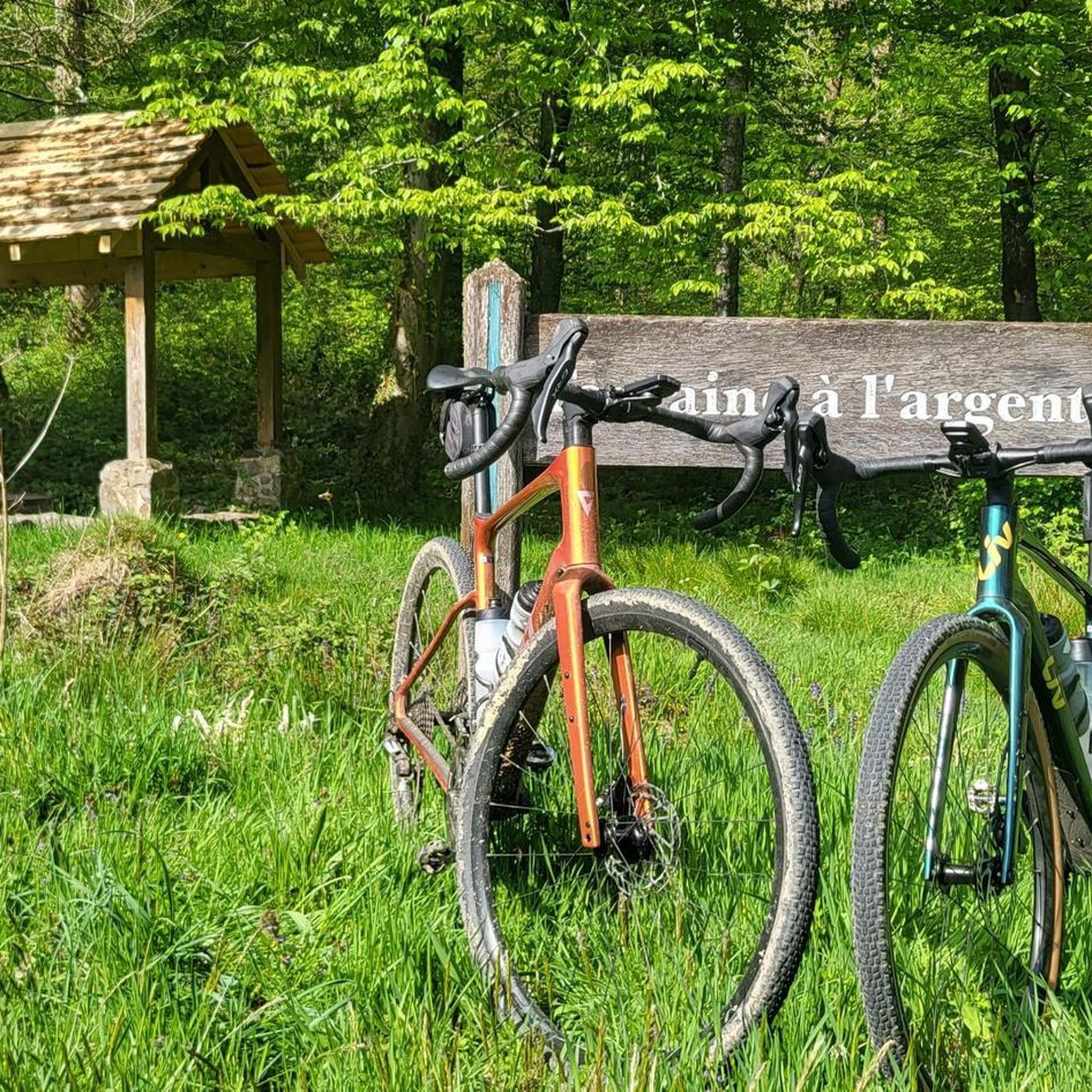
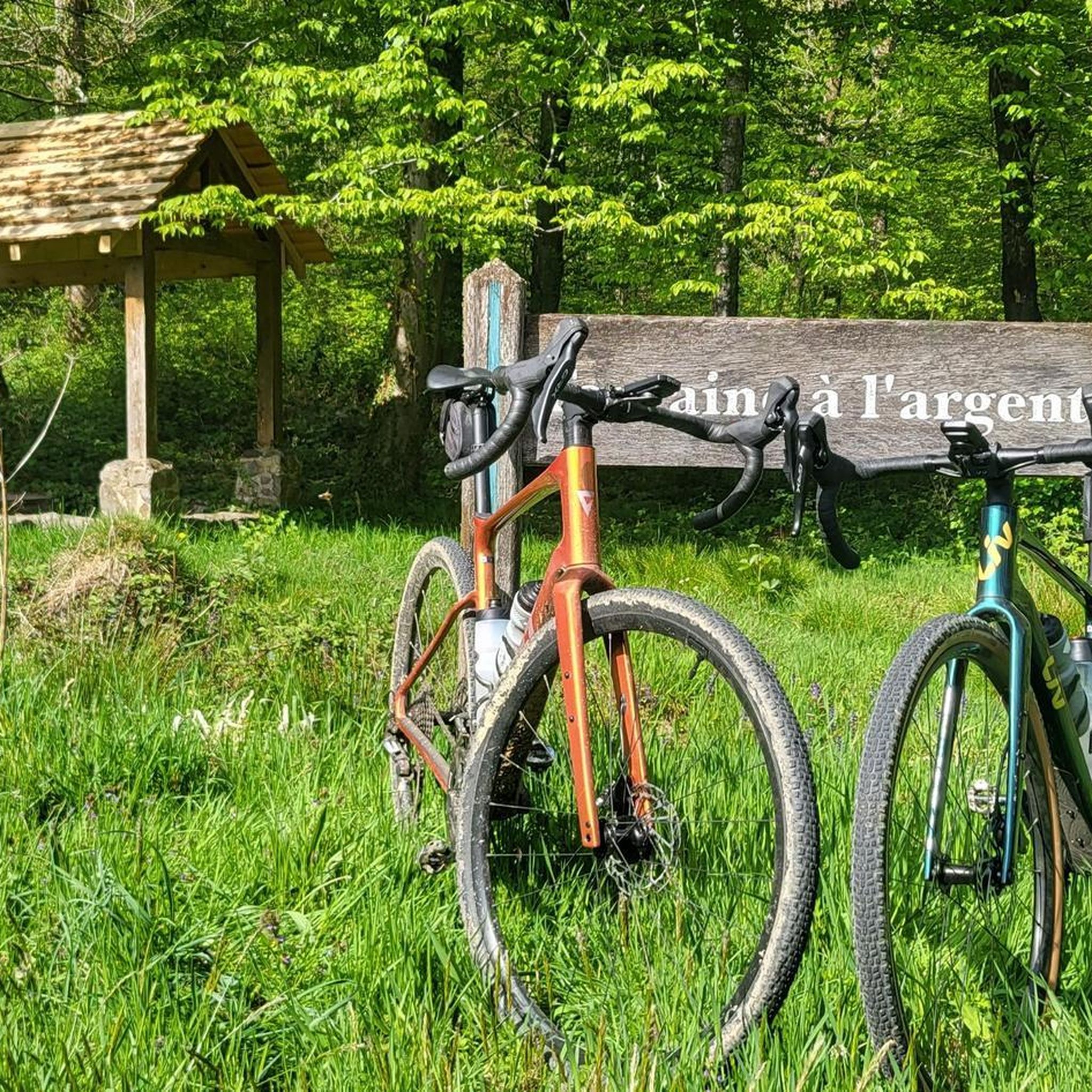
Absolutely perfect railway line cycle path. Lots of rest areas and lots of little things along the way.
3
1

The bunker is called " Bloc de limite No. 551
4
0

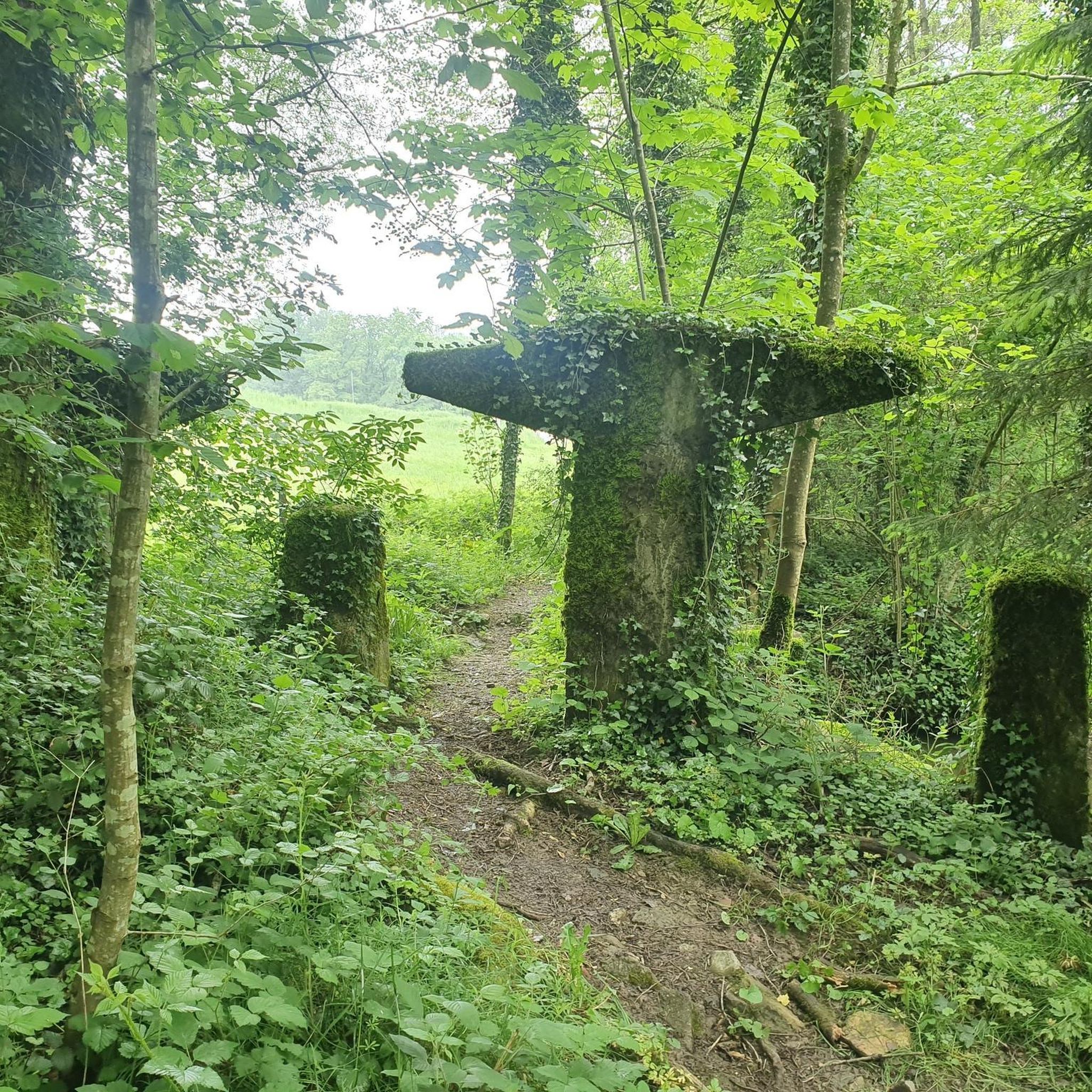
This casemate is typical of that encountered along the Maginot Line. This fortification line was built in the 1930s to prevent a German invasion. The casemates of the La Neuville-aux-Joutes forest mainly served as shelters for troops and locations for machine guns and light artillery.
0
0

Momignies is located on the French border west of Chimay. The village was crossed by a railway line which has now become a slow lane reserved for walkers and cyclists. On August 31, 1942, a convoy en route to Germany stopped in this small village. It was made up of three locomotives and thirty cattle cars carrying 1,500 prisoners, most of the Canadians having been taken prisoner during the Battle of Dieppe on August 19, 1942. It was very hot and the men were crowded together in inhumane conditions. The convoy will remain at the dock for ten hours. We can imagine that the prisoners will take advantage of the stop to heckle and shout their thirst and hunger! The villagers, attracted by the noise, rush to the station and quickly understand that they must help the unfortunate Allied soldiers. They will then negotiate with the Germans for long hours to finally obtain authorization to relieve the prisoners' misery by supplying them with water and food.
8
0
In recognition of the population of mummies towards the Canadian nation
8
0
The RAVeL Ligne 156 is a cycling route in Wallonia that runs from Momignies to Hastière. The route is divided into two stages: the first stage (27.5 Km) runs from Momignies to Mariembourg (Couvin) and the second stage (30 Km) runs from Mariembourg to Hastière. The route offers many surprises, such as forests, bogs, an open-air museum, the castle of the Princes of Chimay, the Aquascope of Virelles, a beautiful tourist train in three valleys, a river, nature reserves and of course gastronomic specialties and regional breweries. The missing section between the industrial zone (N5) and Mariembourg station will be developed in the short term
8
0
The phenomenon of fortified churches and farms is typical of the Thiérache region. In the 16th century, the churches took over the role of protecting the population against the conquests of the French and the actions from Flanders. With cattle and all, people were sometimes locked up for weeks.
6
0
Frequently Asked Questions
What historical sites can I visit around Saint-Michel?
The area around Saint-Michel is rich in military history. You can explore sites related to the Maginot Line, such as the Grand Marais East Casemate and the Bloc de la Limite No. 551, which were part of France's defense strategy in the 1930s. Additionally, the Canadian Prisoners Memorial in Momignies commemorates a significant event from World War II.
Are there any unique religious buildings to see in the Saint-Michel area?
Yes, the Fortified Church of Saint-Nicolas of Signy-le-Petit is a notable religious building. Built in the late 17th century, its exterior has a warlike appearance with a large square portico tower, embrasures, and watchtowers, reflecting its historical defensive role in the region.
What kind of outdoor activities are available near Saint-Michel's attractions?
The area is excellent for cycling. You can enjoy routes along former railway lines, such as the RAVEL Line 156 i/o. This route offers scenic paths through forests and bogs, connecting various points of interest. For more cycling options, explore the cycling routes around Saint-Michel.
Are there family-friendly attractions or activities in Saint-Michel?
Yes, several attractions are suitable for families. The Canadian Prisoners Memorial in Momignies and the Fortified Church of Saint-Nicolas of Signy-le-Petit are marked as family-friendly historical sites. Additionally, the RAVEL Line 156 i/o offers an easy and enjoyable cycling trail for all ages.
What are the best cycling routes for different skill levels around Saint-Michel?
You'll find a variety of cycling routes. For touring bicycles, options range from easy to moderate, like the 'Hirson – Ohis Railway Viaduct loop' (easy) or the 'Ohis Railway Viaduct – Old railroad loop from Hirson Écoles' (moderate). Gravel biking also offers moderate to difficult routes, including the 'Château de Trélon – Hirson loop'. You can find more details on cycling, gravel biking, and road cycling routes in the area.
What do visitors appreciate most about the attractions in Saint-Michel?
Visitors particularly appreciate the historical significance of the Maginot Line casemates, noting them as 'silent witnesses' to past conflicts. The Canadian Prisoners Memorial is valued for its 'interesting historical reminder.' Cyclists enjoy the 'absolutely perfect railway line cycle path' of the RAVEL Line 156 i/o, highlighting its many rest areas and points of interest.
Is there any information on accessibility for attractions in Saint-Michel?
Yes, the Canadian Prisoners Memorial in Momignies is specifically marked as wheelchair accessible, making it a suitable option for visitors with mobility needs.
What is the historical context of the Maginot Line sites in Saint-Michel?
The Maginot Line was a French defense system constructed between 1930 and 1938 to protect against a surprise attack, particularly from Germany. Sites like the Grand Marais East Casemate and Bloc de la Limite No. 551 were designed to house troops and artillery, serving as crucial fortifications to defend France's borders.
Can I combine historical exploration with outdoor activities in Saint-Michel?
Absolutely. The region is ideal for this. You can cycle along the RAVEL Line 156 i/o, which often passes near historical points. For example, the railway line that now forms part of the RAVEL route once played a role in the events commemorated at the Canadian Prisoners Memorial in Momignies.
What should I wear for a day trip to the attractions around Saint-Michel?
Given the focus on historical sites and outdoor cycling routes, comfortable walking shoes are recommended. If you plan to cycle, appropriate cycling attire is advisable. Layers are always a good idea to adapt to changing weather conditions, especially when exploring outdoors.
How long should I plan to spend at the Maginot Line casemates?
While the casemates themselves can be explored relatively quickly, understanding their historical significance and reading the provided information will enhance your visit. Allow at least 30-60 minutes per site, such as the Grand Marais East Casemate or the Bloc de la Limite No. 551, to fully appreciate their context.
Are there any hidden gems or lesser-known spots to discover near Saint-Michel?
The specific Maginot Line bunkers, like the Bloc de la Limite No. 551, can be considered hidden gems as they offer a more intimate glimpse into military history away from more crowded sites. Exploring the full length of the RAVEL Line 156 i/o also reveals many small surprises and natural beauty.
Most popular routes around Saint-Michel

Get inspired with the komoot mobile app


Explore more
Still not found the Highlight you’re looking for? See guides of the top attractions in other regions:
