The best MTB trails around Sanary-Sur-Mer
4.3
(638)
3,286
riders
188
rides
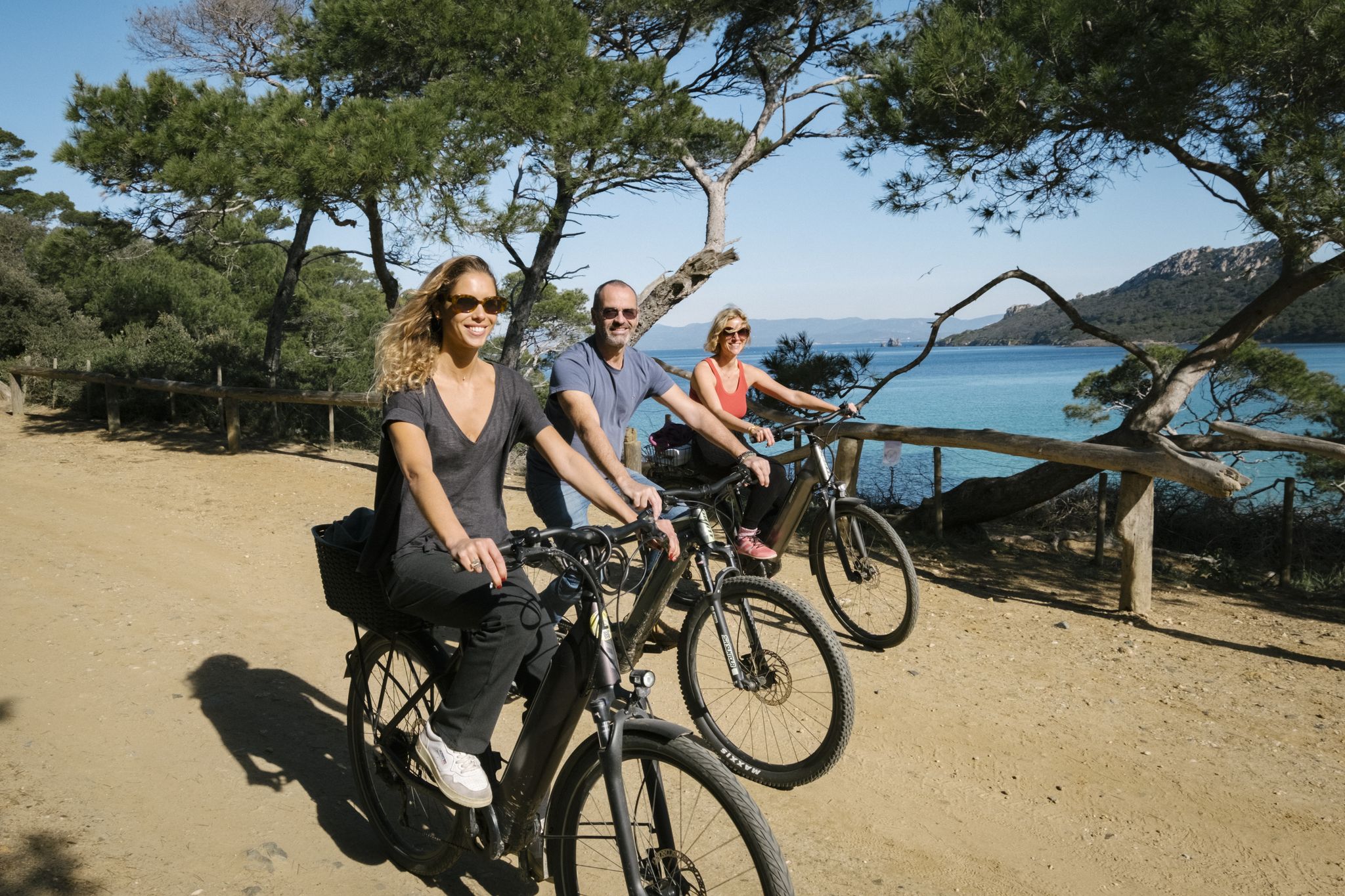
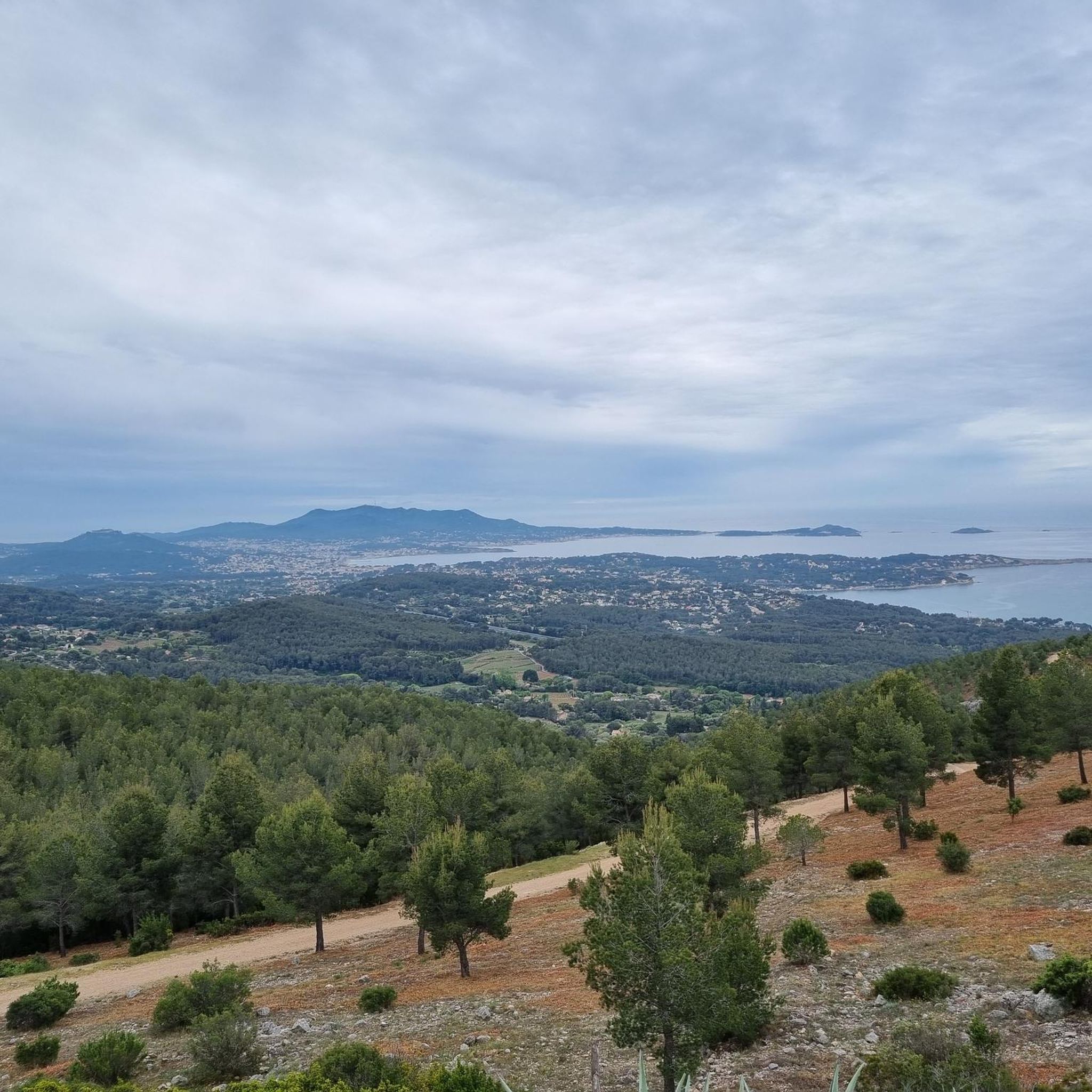
Mountain bike trails around Sanary-Sur-Mer offer a varied terrain, blending coastal paths with the challenging ascents of the Gros Cerveau Massif. This region, situated on the Mediterranean coast, features significant elevation changes and diverse natural environments. Riders can expect a mix of wooded areas, scrubland, and routes with panoramic sea views. The area provides a network of paths suitable for different skill levels, from moderate to difficult.
Best mountain bike trails around Sanary-Sur-Mer
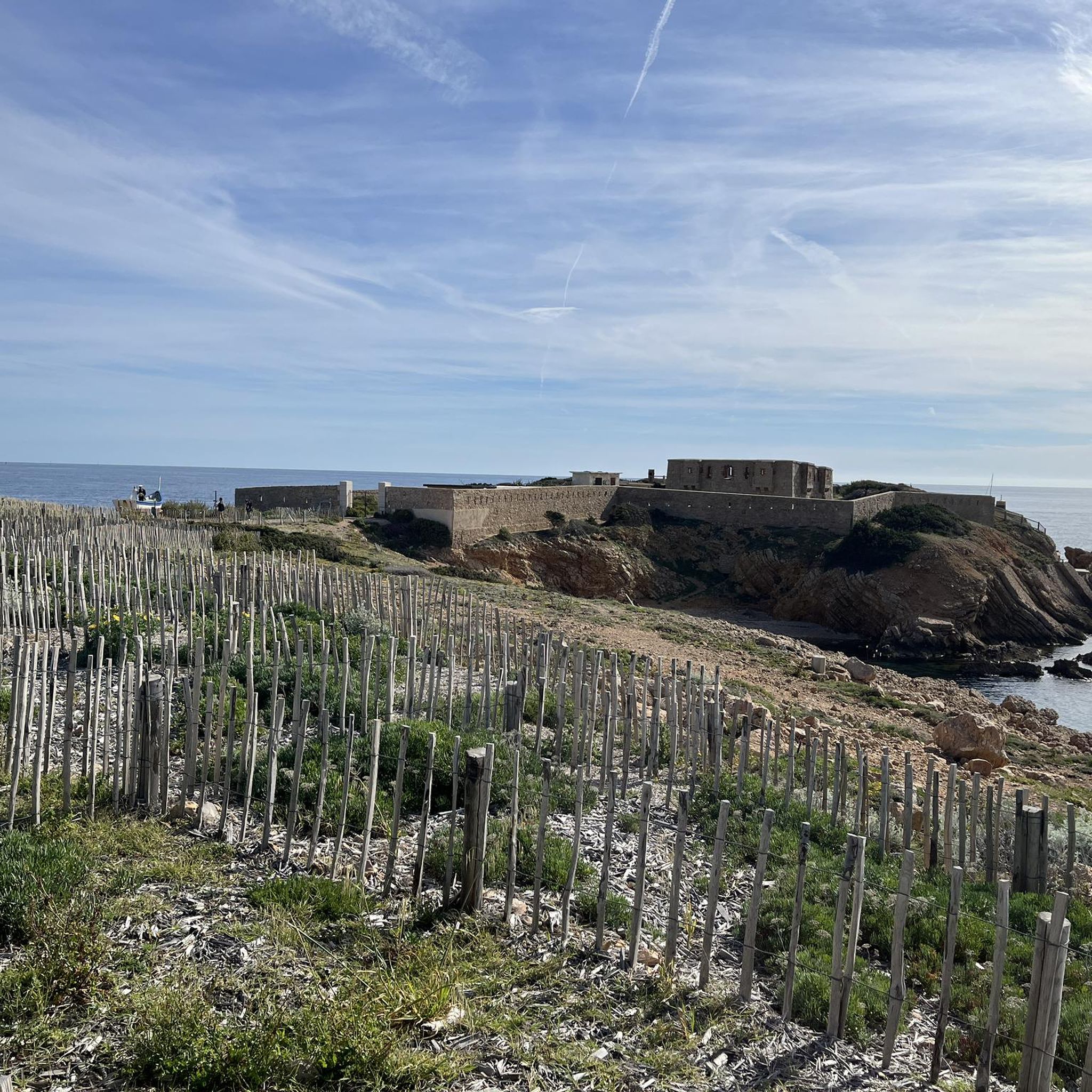
- The most popular mountain bike trail is Fort at Pointe du Cerveau – Gros Cerveau Loop loop from Bandol, a 12.6 miles (20.3 km) trail that takes 1 hour 50 minutes to complete. This route offers views over the coastline and the Gros Cerveau massif.
- Another top favourite among local mountain bikers is Village d Evenos – Col du Corps de Garde loop from Sanary-sur-Mer, a difficult 25.0 miles (40.2 km) path. This trail explores the hinterland with significant uphill gradients.
- Local mountain bikers also love the Fort at Pointe du Cerveau – Gros Cerveau Loop loop from Beaucours, a 10.1 miles (16.3 km) trail leading through the Gros Cerveau Massif, often completed in about 1 hour 25 minutes.
- Mountain biking around Sanary-Sur-Mer is defined by coastal paths, the Gros Cerveau massif, and Mediterranean vegetation. The network offers options for different ability levels, from moderate to difficult routes.
- The routes in Sanary-Sur-Mer are highly rated by the komoot community with an average score of 4.3 stars from over 600 reviews. More than 3900 mountain bikers have used komoot to explore Sanary-Sur-Mer's varied terrain.
Last updated: August 28, 2026
3.5
(6)
38
riders
19.3km
01:49
550m
550m
Hard mountain bike ride. Good fitness required. Advanced riding skills necessary. Some portions of the route may require you to push your bike.
4.0
(6)
35
riders
39.7km
03:18
900m
900m
Moderate mountain bike ride. Good fitness required. Advanced riding skills necessary.

Sign up for free
5.0
(4)
43
riders
30.2km
02:14
610m
610m
Moderate mountain bike ride. Good fitness required. Suitable for all skill levels.
4.0
(5)
30
riders
38.9km
02:36
600m
600m
Moderate mountain bike ride. Good fitness required. Suitable for all skill levels.
4.5
(4)
25
riders
56.8km
03:12
340m
340m
Moderate mountain bike ride. Good fitness required. Advanced riding skills necessary.
Get access to more routes and recommendations from other explorers.
Sign up for free
Already have an account?
Our route recommendations are based on thousands of hikes, rides, and runs completed by other people on komoot.
Start today with a free account
Your next adventure awaits.
Login or Signup

Other adventures around Sanary-Sur-Mer

Tips from the Community


a beautiful old paved road that winds along the mountainside without much incline.
0
0


A true gateway to the historic Arsenal
1
0

Although cervèu means "brain" in French, according to Wikipedia it is a variant of lou cèrvi, which means "the deer" (fr.m.wikipedia.org).
0
0

watch out for cars but on the whole on Sundays it's fine
0
0

It is beautiful here
1
0
Frequently Asked Questions
How many mountain bike trails are available around Sanary-Sur-Mer?
There are nearly 200 mountain bike trails around Sanary-Sur-Mer, offering a wide range of options for different skill levels. The komoot community has explored over 195 routes in the area.
What kind of terrain can I expect on mountain bike trails in Sanary-Sur-Mer?
You'll find a diverse mix of terrain, from picturesque coastal paths offering stunning sea views to the challenging ascents and wooded areas of the Gros Cerveau Massif. The region features significant elevation changes and Mediterranean vegetation like scrubland with thyme, heather, and rosemary.
Are there mountain bike trails suitable for beginners or families in Sanary-Sur-Mer?
Yes, Sanary-Sur-Mer offers trails for various skill levels. While many routes involve significant elevation, there are 50 trails rated as 'easy' in the area. These often provide a good starting point for less experienced riders or families looking for a more relaxed outing.
What are some notable viewpoints or attractions I can discover along the mountain bike trails?
Many trails offer breathtaking views. The summit of the Gros Cerveau massif provides a sumptuous panorama. You can also find historical fortifications like the Ouvrage de la Pointe and the Gros Cerveau fort. For incredible 360-degree views, consider routes that pass near Notre dame du mai, which offers vistas encompassing Six-Fours-les-Plages, the Embiez archipelago, and Toulon harbor.
Are there any circular mountain bike routes in the Sanary-Sur-Mer area?
Yes, many routes in the region are designed as loops. For example, the Baou des Aoures loop from Ollioules-Sanary is a moderate 22.3 km circular trail. Another option is the Evenos hinterland – Route des Gorges loop from Ollioules-Sanary, a 31.2 km moderate route exploring the inland areas.
What do other mountain bikers enjoy most about the trails in Sanary-Sur-Mer?
The trails around Sanary-Sur-Mer are highly rated by the komoot community, with an average score of 4.3 stars from over 600 reviews. Riders often praise the diverse landscapes, from coastal views to the challenging climbs of the Gros Cerveau massif, and the variety of routes suitable for different abilities.
Can I bring my dog on the mountain bike trails in Sanary-Sur-Mer?
While many trails in natural areas are generally dog-friendly, it's always best to check local regulations for specific paths, especially within protected zones or during certain seasons. The Gros Cerveau massif is known for its Rove goats, so keeping dogs on a leash is advisable to protect local wildlife.
What is the best time of year for mountain biking in Sanary-Sur-Mer?
The Mediterranean climate makes Sanary-Sur-Mer enjoyable for mountain biking for much of the year. Spring and autumn generally offer the most pleasant temperatures. Summer can be very hot, so early morning or late afternoon rides are recommended, and always be mindful of potential fire regulations in wooded areas during dry periods.
Are there any specific regulations or safety considerations for mountain biking in the region?
When riding in natural areas, especially during dry seasons, be aware of potential fire risk regulations. Always stay on marked trails to protect the environment and yourself. Some areas, like the Gros Cerveau massif, are home to wildlife such as Rove goats, so ride responsibly. For general safety, ensure your bike is in good condition and carry sufficient water, especially on longer routes with significant elevation.
Are there mountain bike trails with good parking access in Sanary-Sur-Mer?
Many trailheads around Sanary-Sur-Mer offer convenient parking. For example, routes starting from Bandol or Beaucours, such as the Fort at Pointe du Cerveau – Gros Cerveau Loop loop from Bandol, typically have designated parking areas nearby, allowing for easy access to the trails.
What is the typical difficulty level of mountain bike trails in Sanary-Sur-Mer?
The trails range from moderate to difficult. You'll find 106 moderate routes and 39 difficult ones, often featuring significant uphill gradients and technical sections. For instance, the Village d Evenos – Col du Corps de Garde loop from Sanary-sur-Mer is a difficult 40.2 km path with over 900 meters of elevation gain.
Most popular routes around Sanary-Sur-Mer
Most popular attractions around Sanary-Sur-Mer

Get inspired with the komoot mobile app


Explore more
Browse the best MTB trails in other regions.
