The best cycling routes around Fleurigné
4.6
(277)
1,436
riders
115
rides
Touring cycling routes around Fleurigné offer a diverse landscape characterized by greenways, minor roads, and varied countryside. The region features the Couesnon river valley with distinctive granite formations and expansive forests like Villecartier. Cyclists can find both flat sections and hilly areas, particularly in the Coglais area. This blend of natural beauty and historical charm provides a range of touring cycling experiences.
Best touring cycling routes around Fleurigné
- The most popular touring cycling route is Fougères–Vitré Greenway – Guinguette de…
Last updated: July 4, 2026
4.6
(48)
227
riders
55.4km
03:31
200m
200m
Moderate bike ride. Good fitness required. Mostly paved surfaces. Suitable for all skill levels.
4.6
(21)
58
riders
23.1km
01:30
100m
100m
Easy bike ride. Great for any fitness level. Mostly paved surfaces. Suitable for all skill levels.

Sign up for free
5.0
(6)
51
riders
43.2km
02:46
250m
250m
Moderate bike ride. Good fitness required. Mostly paved surfaces. Suitable for all skill levels.
4.8
(5)
25
riders
20.2km
01:20
120m
120m
Easy bike ride. Great for any fitness level. Mostly paved surfaces. Suitable for all skill levels.
5.0
(2)
10
riders
42.2km
03:18
420m
420m
Hard bike ride. Good fitness required. You may need to push your bike for some segments of this route.
Get access to more routes and recommendations from other explorers.
Sign up for free
Already have an account?
Our route recommendations are based on thousands of hikes, rides, and runs completed by other people on komoot.
Start today with a free account
Your next adventure awaits.
Login or Signup
Tips from the Community

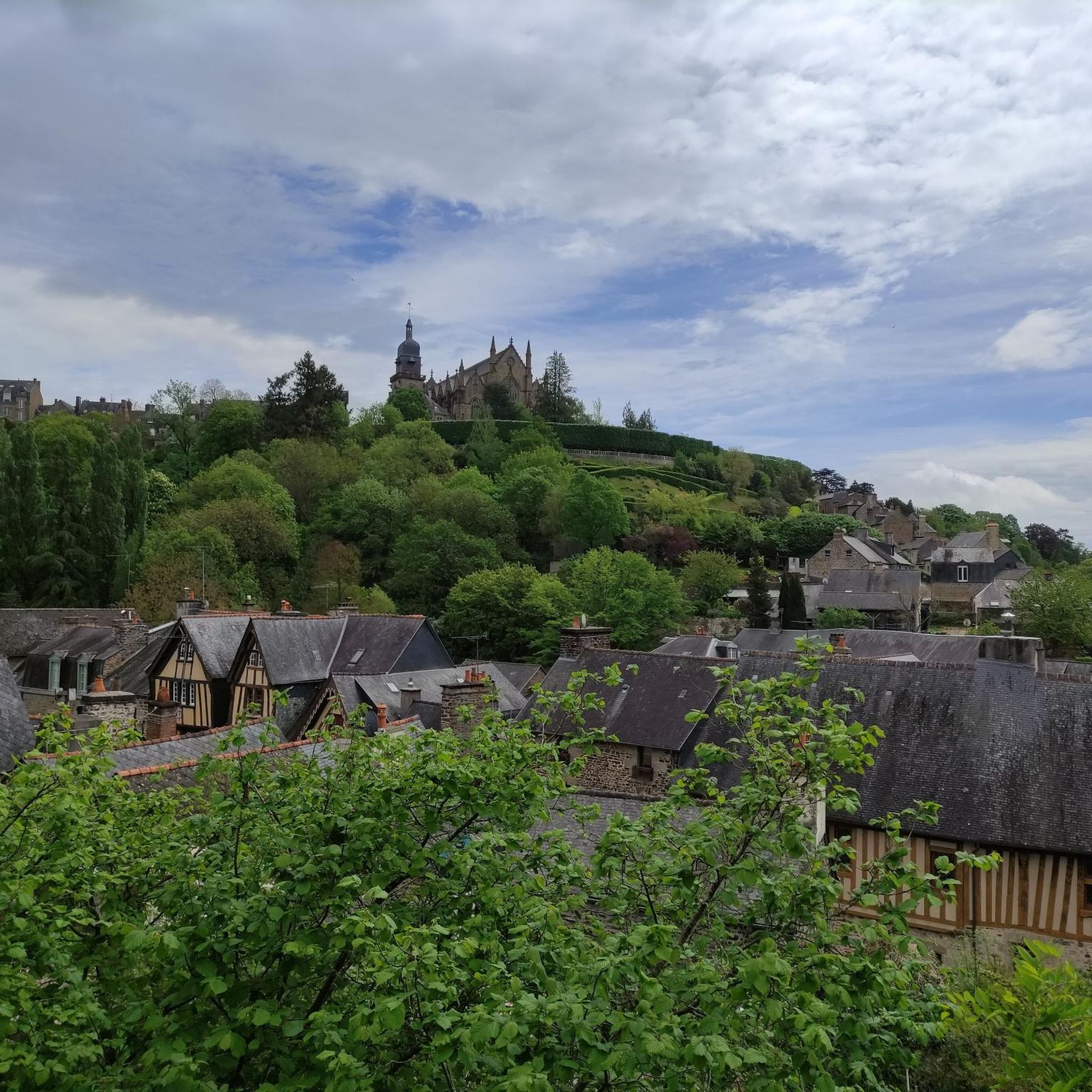
The Église Saint-Léonard was built in the 12th century and acquired its present form in the flamboyant Gothic style in the 15th and 16th centuries. During the French Revolution, the church was deprived of its sacred function, but in the 19th century, under architects such as Aristide Tourneux, it underwent extensive renovations, including a new main façade with a large rose window. Inside, 19th-century stained-glass windows depicting episodes from the life of Saint Léonard can be seen.
1
0

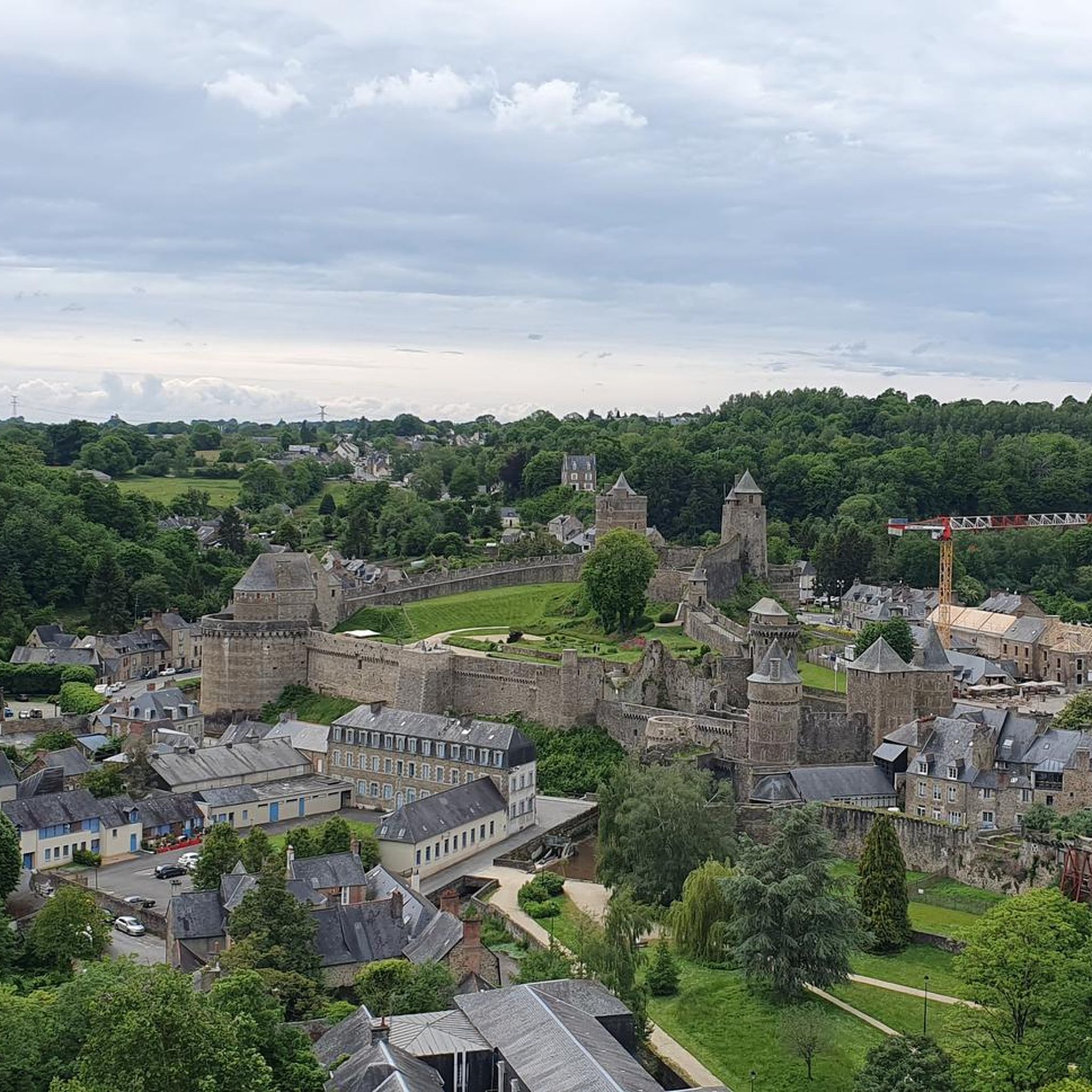
Dominated by one of the largest medieval castles in Europe, Fougères boasts magnificent ramparts, towers, and a perfectly preserved historic center. From the heights, the view takes in the Nançon Valley and its half-timbered houses, offering beautiful perspectives. It's an ideal stop along the Régalante to immerse yourself in Breton history before hitting the road again.
0
0

Bird watching possible!
0
0

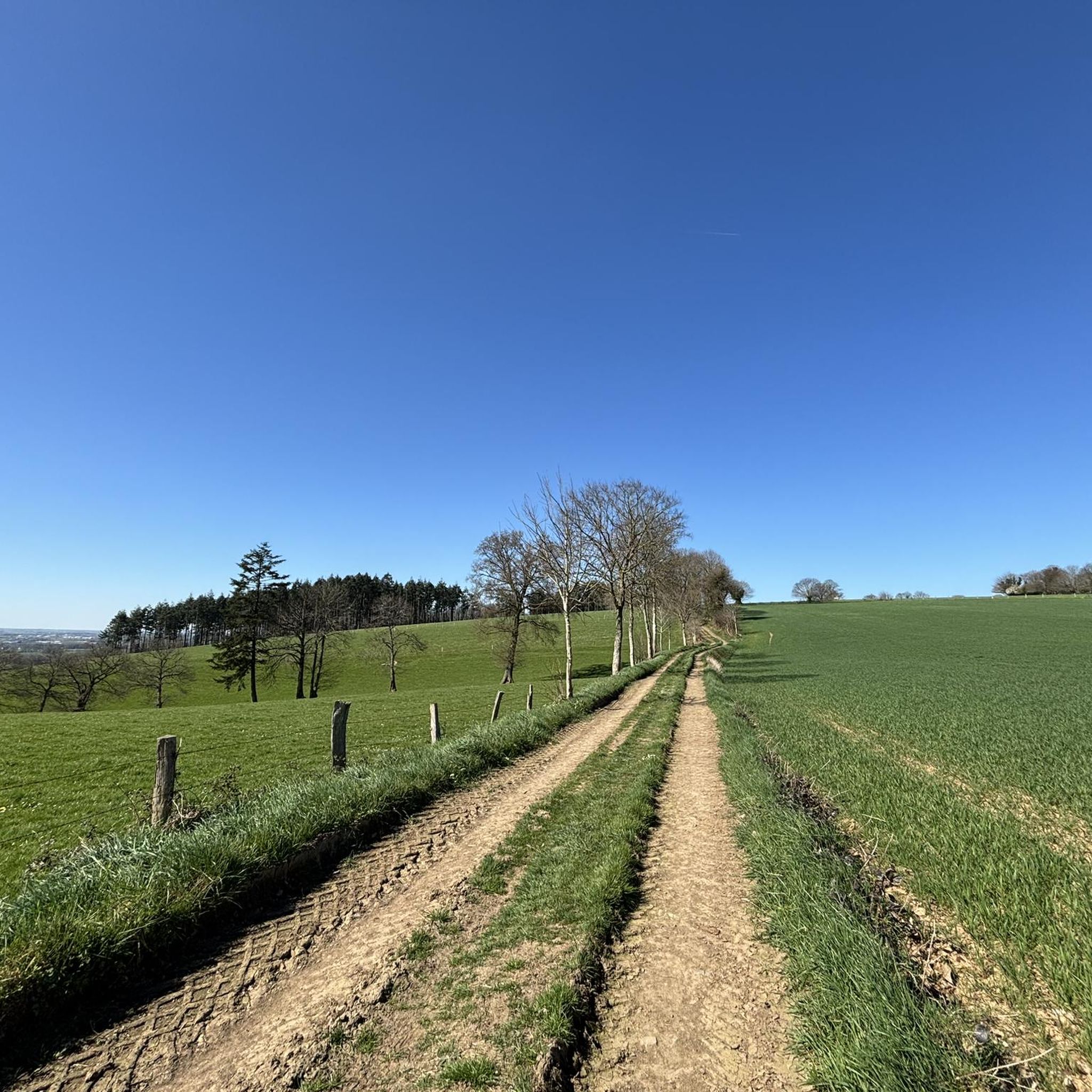
This part of the greenway is really in a pitiful state. Holes, stones, moss.... the other part up to Fougères is new.
0
1

The largest fortress in Europe, the castle of Fougères stands on a rocky outcrop surrounded by marshland. The first castle of Fougères was built around the turn of the millennium to defend the north-eastern part of the border area of the Duchy of Brittany. Built at the crossroads of important trade routes, this primitive fortress had the main objective of monitoring the powerful neighbors and preventing their raids on Breton lands. To the north, Normandy belonged to the kings of England at the time.
4
1
The church tower can be visited in high season, where you can discover an incredible panorama of Fougères as well as its monuments and the surrounding countryside. Here you will have the opportunity to discover the secret interior of its tower, its impressively large bell and of course... a spectacular 360° view of the city, the castle and the valley!
1
0
The building at the stop is located on the former railway line from Nantes via Vitré and Fougeres to Mont Saint-Michel. The connection is called "Régalante". (see: https://de.francevelotourisme.com/radroute/regalante )
3
0
The former stop is located directly on the Voie Verte 409.
3
0
Frequently Asked Questions
How many touring cycling routes are available around Fleurigné?
There are over 110 touring cycling routes available around Fleurigné, offering a wide range of options for different skill levels and preferences. The komoot community has rated these routes highly, with an average score of 4.6 stars.
What kind of terrain can I expect on touring cycling routes near Fleurigné?
The terrain around Fleurigné is diverse, featuring greenways, minor roads, and varied countryside. You'll find preserved bocage (hedged farmland), lush valleys, and rolling farmland. While many routes offer a gently rolling landscape, some areas, particularly in the Coglais, can be hillier. Routes often follow river and canal paths, providing picturesque and tranquil journeys on shaded towpaths.
Are there family-friendly touring cycling routes in Fleurigné?
Yes, Fleurigné offers several family-friendly touring cycling routes. The region's extensive network includes 'voies vertes' (greenways) which are generally flat and reserved for non-motorized traffic, making them ideal for families and beginners. An example of an easy route is the Fougères–Vitré Greenway – Étang de Dompierre du Chemin loop from Beaucé, which follows old train tracks.
Can I find circular touring cycling routes around Fleurigné?
Yes, many touring cycling routes around Fleurigné are designed as loops, allowing you to start and finish at the same point. For instance, the Fougères–Vitré Greenway – Guinguette de Villanfray loop from Beaucé and the Cordon des druides loop from Forairie - Cotterêts are popular circular options.
What historical sites or natural attractions can I see along touring cycling routes?
The region is rich in heritage and natural beauty. You can cycle past charming villages, granite quarries, castles, and manors. Notable attractions include the medieval Fougères Castle, the Place du Marchix with its half-timbered houses, and the alignment of megaliths known as the "Cordon des druides" in the Fougères forest. The plan d'eau (lake) of La Chapelle-Janson also provides a scenic spot.
Are there dedicated greenways (voies vertes) for touring cyclists in the Fleurigné area?
Absolutely. The Ille-et-Vilaine department, where Fleurigné is located, boasts an impressive network of nearly 3,300 km of cycling routes, including many 'voies vertes'. These paths, often converted from former railway lines or towpaths, are reserved for non-motorized traffic, offering safe and accessible cycling. Routes like the Fougères–Vitré Greenway are excellent examples of these dedicated paths.
What is the best time of year for touring cycling in Fleurigné?
While specific seasonal conditions can vary, the gently rolling landscape and extensive greenway network make Fleurigné enjoyable for touring cycling for much of the year. Spring and autumn generally offer pleasant temperatures and beautiful scenery. Summer is also popular, especially on shaded towpaths along rivers and canals.
Are there options for longer touring cycling adventures that connect to other regions?
Yes, Fleurigné's location allows access to larger, well-established touring routes. The "voie verte VD3 Fougères-Antrain" connects towards the iconic Mont-Saint-Michel. Additionally, regional, national, and European routes like the Vélomaritime (EV4) in Ille-et-Vilaine offer extensive exploration possibilities, linking coastal beauty with historical sites across Brittany. You can find more information on regional routes at Brittany Tourism.
What do other touring cyclists enjoy most about cycling in Fleurigné?
The area is highly rated by the komoot community, with an average score of 4.6 stars from over 200 reviews. Reviewers often praise the diverse landscape, the presence of quiet greenways and minor roads, and the blend of natural beauty with historical charm. The accessibility of routes for various skill levels is also frequently highlighted.
Can I combine touring cycling with public transport in the Fleurigné region?
Brittany, including the Ille-et-Vilaine department, has been developing its cycling infrastructure to be more integrated with public transport. While specific details for Fleurigné may vary, many regional trains and buses in France offer options for transporting bicycles, especially outside of peak hours. It's advisable to check with local transport providers like SNCF or regional bus services for their current policies on bikes before planning your trip.
Are there places to eat or stay near the cycling routes in Fleurigné?
Yes, cycling routes often connect to charming villages and towns where you can find local amenities. The region is known for its quaint villages, which may offer local bakeries, cheesemakers, cafes, and inns. These provide opportunities for refreshment breaks and authentic cultural experiences. For accommodation, you'll find options in nearby towns like Fougères, which is a notable attraction accessible to cyclists.
Most popular routes around Fleurigné
Most popular attractions around Fleurigné

Get inspired with the komoot mobile app


Explore more
Browse the best Cycling routes in other regions.
