Attractions and Places To See around Treize-Septiers - Top 20
Best attractions and places to see around Treize-Septiers include historical landmarks, natural features, and walking trails. This commune offers a variety of sites, from medieval structures to scenic lakes and rivers. The region is characterized by its rivers, such as the Moine and Sèvre Nantaise, and its historical significance. Visitors can explore a range of cultural sites and natural landscapes.
Best attractions and places to see around Treize-Septiers
- The most popular attractions is Château de Clisson, a castle that…
Last updated: July 2, 2026
Château de Clisson
Highlight • Castle
Translated by Google •
Tip by

Lac de la Bultière
Highlight • Lake
Translated by Google •
Tip by

Sign up now to discover places like this
Get recommendations on the best single tracks, peaks, & plenty of other exciting outdoor places.
Sign up for free
The Arsenal
Highlight • Bridge
Translated by Google •
Tip by

Valley of the Three Provinces
Highlight • Monument
Translated by Google •
Tip by

Chapelle des Templiers
Highlight • Other
Translated by Google •
Tip by
Sign up for free to discover even more attractions around Treize-Septiers.
Sign up for free
Already have an account?
Start today with a free account
Your next adventure awaits.
Login or Signup



Tips from the Community

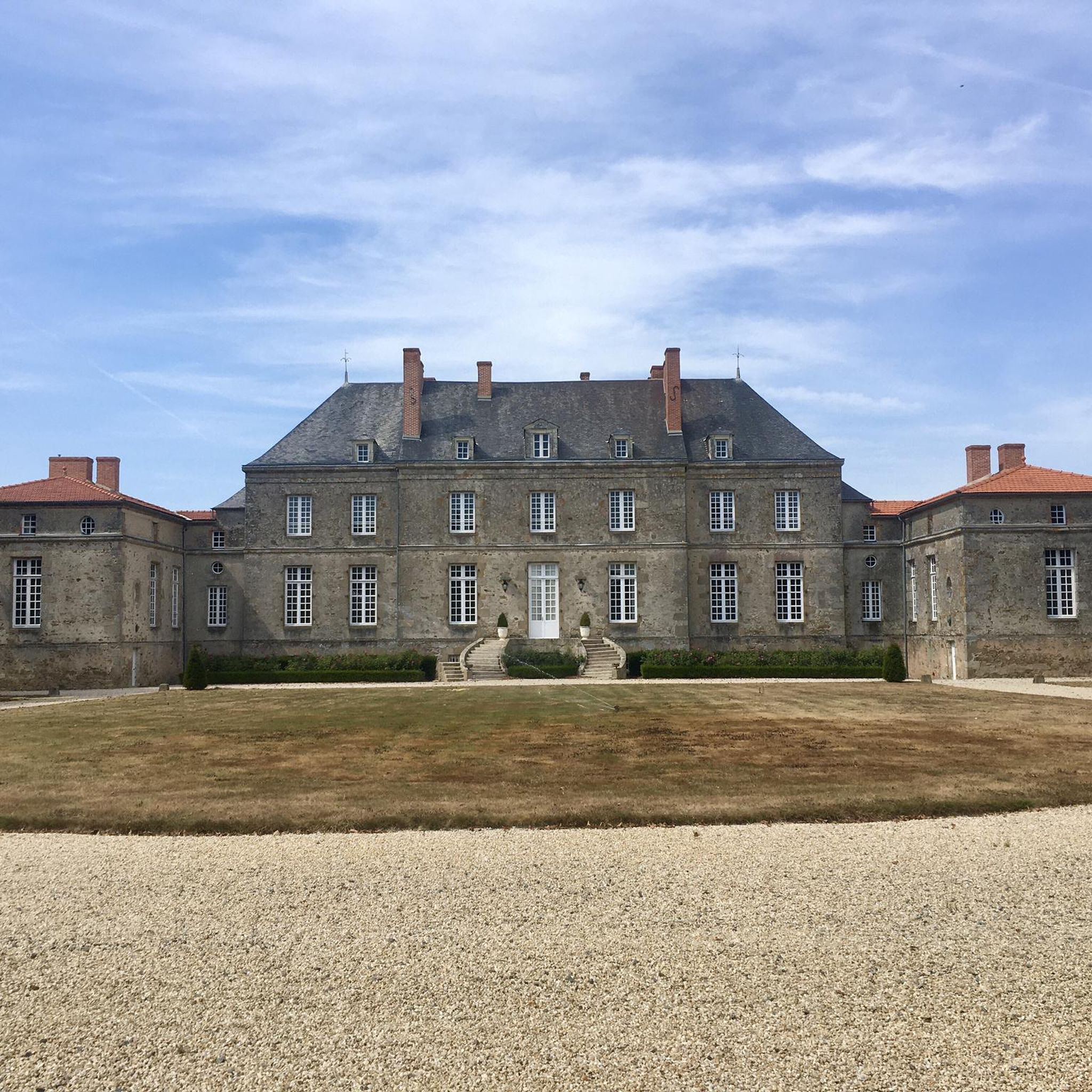
Clisson Castle has quite a story to tell: first an impregnable fortress overlooking the Sèvre, then a ducal residence, and finally a romantic ruin. In the 12th century, the powerful lordship of Clisson built this stone castle with highly elaborate defensive architectural systems: arrow slits, gun ports, and slits. A strategic point protecting the border of the Duchy of Brittany in the 15th century, it was abandoned by its owners from the second half of the 17th century onward before being burned down by Republican troops in 1793. But, beyond its grand history, this castle also has a more historic significance! In 1807, François-Frédéric Lemot, creator of the Garenne Lemot estate (a picturesque landscape located on the other side of the river), was captivated by these ruins and purchased it to turn it into an ornamental factory. The château was declared a historic monument in 1924, before being acquired by the Loire-Atlantique department in 1962. Today, visitors can visit it, take a guided tour, or simply experience its history. A stop on the Journey through the Vineyard, it's a stopover during the wine tourism tour of Nantes' wine country, featuring natural sites, heritage features, characterful villages, and unique cellars.
1
0
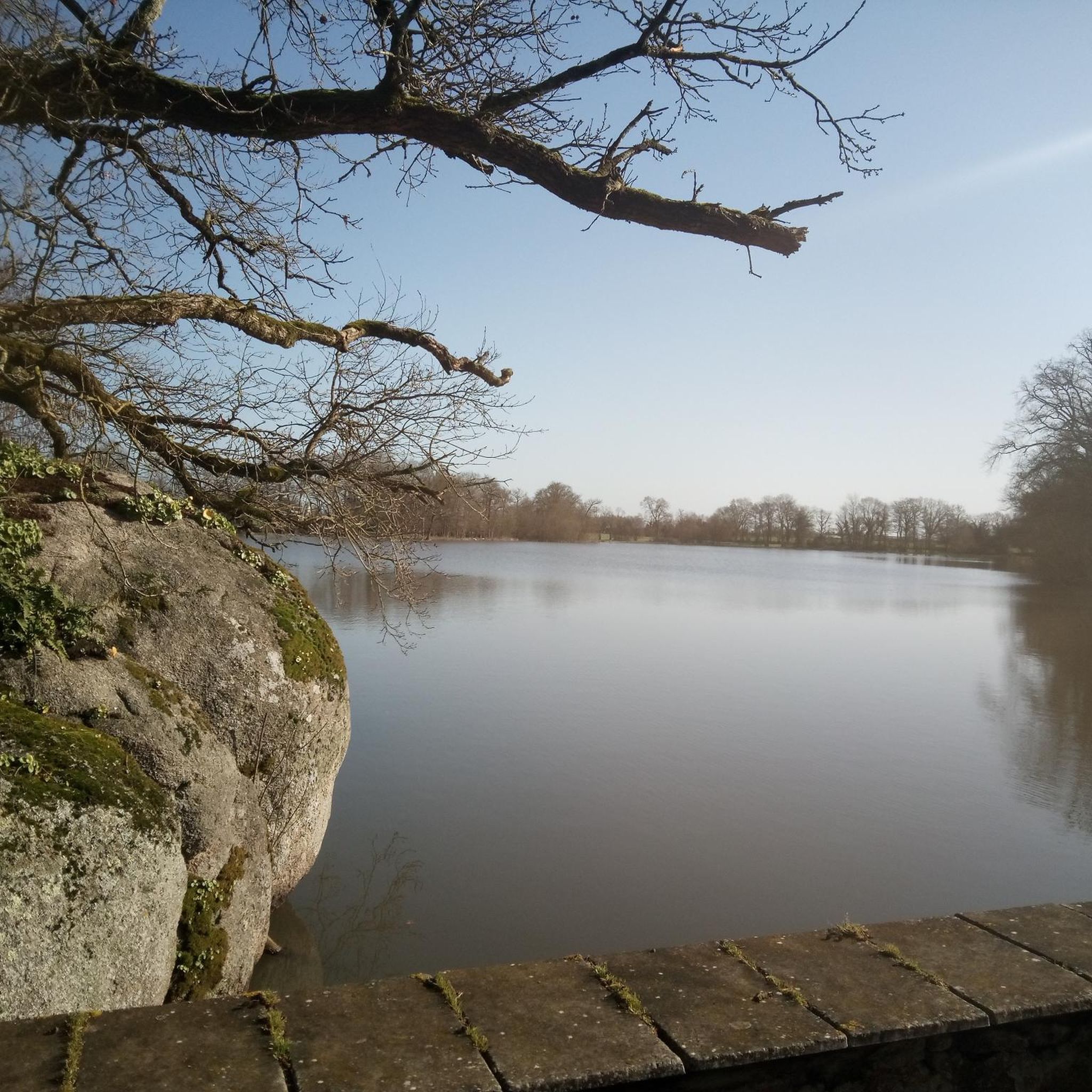
Bultière Lake is an artificial reservoir. The Bultière Dam was built in 1994. It is located in the commune of Chavagne en paillers. It supplies the drinking water network. Its surface area is 72 hectares and contains 5.2 million cubic meters of water. It is possible to walk around the lake via a 15-km trail. This lake, with its exceptionally rich fish population, awaits you with almost every type of fish (perch, pike, zander, catfish, carp, roach, bream, tench, etc.). You can go predator fishing from the shore or from a boat to catch zander, pike, and catfish. It is, of course, possible to still fish for roach, bleak, or bream. Carp are also present in this lake. A night carp fishing route located on the right bank in the Maurosière sector will delight those who love a good catch.
0
0

Another beautiful site on the Sèvre Nantaise, with the unusual feature this time: it's not only at the crossroads of three departments (LA, Vendée, and M&L), a rather common occurrence, but also of three former provinces: Brittany, Poitou, and Anjou. The crossroads is formed by the Sèvre on one side and its tributary, the Bon Débit, on the other. The inn of the same name looks very nice; in any case, the setting is splendid.
0
0

This chapel is the remaining remnant of a commandery (a branch of the order) of the community often referred to as the "Order of the Templars" or "Knights Templar", whose full name is "Poor Knights of Christ and of Solomon's Temple in Jerusalem". The association gained notoriety due to the fact that in 1312 this order was dissolved by the French king and the pope and many members were burned at the stake as alleged heretics. The main reason for the dissolution was not the human and religious misconduct/heresy of the members, which was claimed as the motive, but the legendary wealth of this order. With his meticulously planned approach, King Philip IV of France primarily wanted to secure their possessions in order to improve his coffers.
4
0

This vast body of water, popular for fishing and nature walks, offers an ideal setting for a bike ride along its banks. The trails surrounding the lake reveal superb views of the calm water and the surrounding hills.
0
0

Long an impregnable fortress, Clisson Castle is a model of a fortified castle. Built by the powerful Clisson family from the 12th century, this castle became a strategic point protecting the border of the Duchy of Brittany in the 15th century. In 1793, during the Vendée War, the fortress was burned and partially destroyed. Today, Clisson Castle still offers many examples of defensive architecture: archers, gunboats, stunners, etc. Ref: enpaysdeloire.com
0
0

Long an impregnable fortress, Clisson Castle is a model of a fortified castle. Built by the powerful Clisson family from the 12th century, this castle became a strategic point protecting the border of the Duchy of Brittany in the 15th century. In 1793, during the Vendée War, the fortress was burned and partially destroyed. Today, the Château de Clisson still offers many examples of defensive architecture: archers, gunboats, stunners…|
0
0

Lake Bultière is an artificial water reservoir. The Bultière dam was built in 1994. It is located in the town of Chavagne en strawlers. It supplies the drinking water network. Its surface area is 72 hectares containing 5.2 million m3 of water. it is possible to go around the lake via a 15 km path. This lake of exceptional fish wealth awaits you with almost all kinds of fish (perch, pike, zander, catfish, carp, roach, bream, tench, etc.). You can practice predator fishing from the shore or with a boat to catch zander or pike, catfish.
0
0
Frequently Asked Questions
What historical landmarks can I explore around Treize-Septiers?
The region boasts several significant historical sites. You can visit the impressive Château de Clisson, a medieval fortress dating from the 11th century that dominates the Sèvre river. Closer to Treize-Septiers, the medieval Pont Saint-Antoine, built in 1430, is a notable landmark. Additionally, the Chapelle des Templiers offers a glimpse into the area's past with its Romanesque architecture from the late 12th century.
Are there natural areas for outdoor activities near Treize-Septiers?
Yes, the area offers beautiful natural settings. The Lac de la Bultière is an artificial lake with a scenic 15-kilometer path perfect for walking or cycling, and it's also popular for fishing. The Sentier des Peneuillés is another great option, a 13.7 km walking trail through a wooded and humid environment, starting from the Treize-Septiers lake leisure area.
What kind of outdoor routes are available for cycling or running?
You'll find a variety of routes for different activities. For running, there are several loops around Treize-Septiers, including moderate options like the 'Running loop from Treize-Septiers' (7.5 km) or more challenging ones like the 'Étang du Passou loop' (17.5 km). Cyclists can explore routes such as the 'Beau Soleil natural site – The Arsenal loop' (34.5 km) or the 'Château de Clisson – Valley Bridge loop' (50.7 km). For gravel biking, routes like the 'Clisson – The Arsenal loop' (44.7 km) are available. You can find more details on these and other routes in the respective guides for Running Trails, Cycling, and Gravel Biking around Treize-Septiers.
Are there any family-friendly attractions in the area?
Absolutely. The Lac de la Bultière is a great spot for families, offering a leisure area with picnic spots, a bicross track, and a football field, in addition to walking paths. For a larger adventure, the internationally acclaimed Puy du Fou historical theme park is located approximately 25 km away and provides an immersive experience with spectacular shows suitable for all ages.
What are some unique viewpoints or scenic spots?
The Arsenal bridge offers picturesque views of the Sèvre river and connects hamlets, making it a pleasant spot for pedestrians and cyclists. Another unique location is the Valley of the Three Provinces, where the Sèvre Nantaise river converges with its tributary, the Bon Débit, marking the historical crossroads of Brittany, Poitou, and Anjou.
What cultural sites are there besides castles and chapels?
Beyond the historical structures, you can explore the Domaine De La Garenne Lemot in Gétigné, which offers cultural and scenic outings. For those interested in nature and local fauna, the Maison de la Rivière in Montaigu-Vendée and the Cité des Oiseaux in Les Landes-Genusson provide insightful discovery centers and museums.
Where can I find a peaceful garden for a stroll?
The Jardin De La Cheveriere, a charming country garden located in La Boissière-de-Montaigu, is about 4.5 km from Treize-Septiers and is ideal for a leisurely and tranquil stroll.
What is the best time of year to visit Treize-Septiers for outdoor activities?
The spring and autumn months generally offer pleasant weather for outdoor activities like hiking, cycling, and exploring the natural and historical sites. Temperatures are milder, and the landscapes are vibrant. Summer can also be enjoyable, especially around the lakes and rivers, though it can be warmer.
Are there any religious heritage sites in Treize-Septiers itself?
Within Treize-Septiers, you can visit L'Église de Treize-Septiers, which was consecrated in 1875, and La Chapelle de la Salette, erected in 1854 in the presbytery garden. Another notable chapel is La Chapelle des Godelinières “Notre Dame de Grâce,” inaugurated in 1949 and built with local granite.
What do visitors enjoy most about the attractions around Treize-Septiers?
Visitors particularly appreciate the blend of historical richness and natural beauty. The medieval charm of sites like Château de Clisson and the serene environment of Lac de la Bultière are frequently highlighted. The community also enjoys the well-maintained walking and cycling paths, offering opportunities to explore the scenic river valleys and diverse landscapes.
Can I go fishing in the area?
Yes, the Lac de la Bultière is renowned for its abundant fish population. You can practice predator fishing from the shore or by boat for species like zander, pike, and catfish, or enjoy still fishing for roach, bleak, and bream. Carp are also present, with a dedicated night carp fishing route available.
Most popular routes around Treize-Septiers
Most popular attractions around Treize-Septiers

Get inspired with the komoot mobile app


Explore more
Still not found the Highlight you’re looking for? See guides of the top attractions in other regions:
