Attractions and Places To See around Ploumoguer - Top 20
Attractions and places to see around Ploumoguer, a commune in Finistère, Brittany, offer a blend of historical landmarks and natural landscapes. The area features a rugged coastline with cliffs, sandy beaches, and significant historical sites. Visitors can explore lighthouses, abbey ruins, and ancient megalithic monuments, alongside natural features like peninsulas and bays.
Best attractions and places to see around Ploumoguer
- The most popular attractions is Kermovan Lighthouse, an other man-made structure that was built in 1849 and stands 20…
Last updated: July 6, 2026
Croaë Footbridge
Highlight • Bridge
Translated by Google •
Tip by

Kermovan Lighthouse
Highlight • Structure
The Lighthouse was built in 1849 and had a height of 20m.
Translated by Google •
Tip by

Sign up now to discover places like this
Get recommendations on the best single tracks, peaks, & plenty of other exciting outdoor places.
Sign up for free
Saint-Mathieu Lighthouse
Highlight • Historical Site
Translated by Google •
Tip by

Ruins of Saint-Mathieu Abbey
Highlight • Historical Site
Translated by Google •
Tip by

Ruins of Saint-Mathieu Abbey and Lighthouse
Highlight • Historical Site
Translated by Google •
Tip by

Sign up for free to discover even more attractions around Ploumoguer.
Sign up for free
Already have an account?
Start today with a free account
Your next adventure awaits.
Login or Signup

Tips from the Community

Phare de Saint-Mathieu is the name of a lighthouse in the village of Saint-Mathieu on the Saint-Mathieu Point in Plougonvelin in the Finistère department. It was built on the site of the former Saint-Mathieu Abbey. Its theoretical range is 29 nautical miles, which is approximately 55 kilometers. Together with the Kermorvan lighthouse, it indicates the Passage du Four (Chenal du Four), an important north-south passage from or to the Iroise Sea, which runs between the mainland and the island of Ouessant, thus saving about two days of travel time. In conjunction with the Portzic lighthouse, it illuminates the entrance to the Bay of Brest. The lighthouse has been listed as a French Historic Monument since May 23, 2011. It is open to the public. Just west of the lighthouse is the Sémaphore de la Pointe Saint-Mathieu.
1
0
A sign says: everyone travels at the same speed here. So cycling is allowed, but at walking pace.
1
0

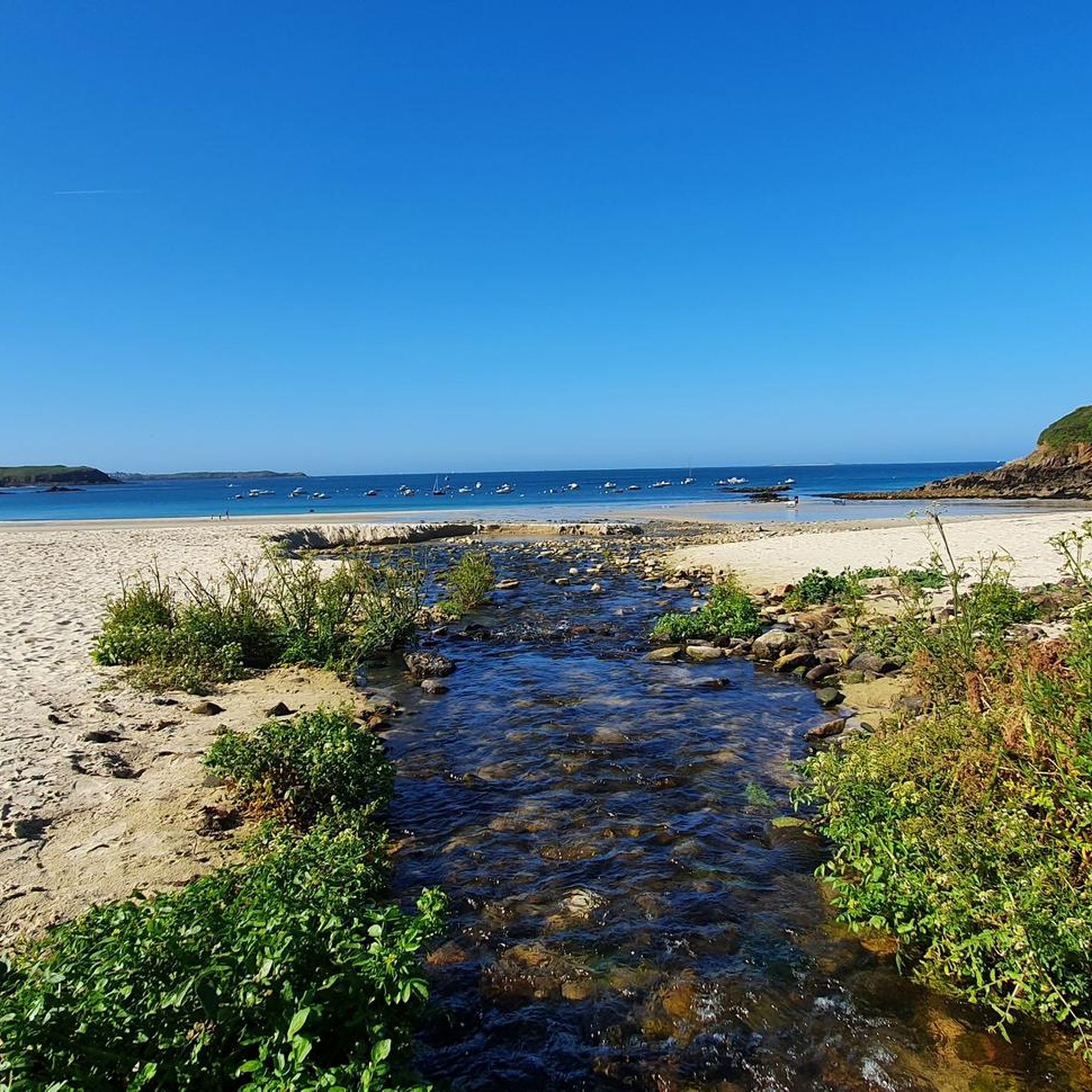
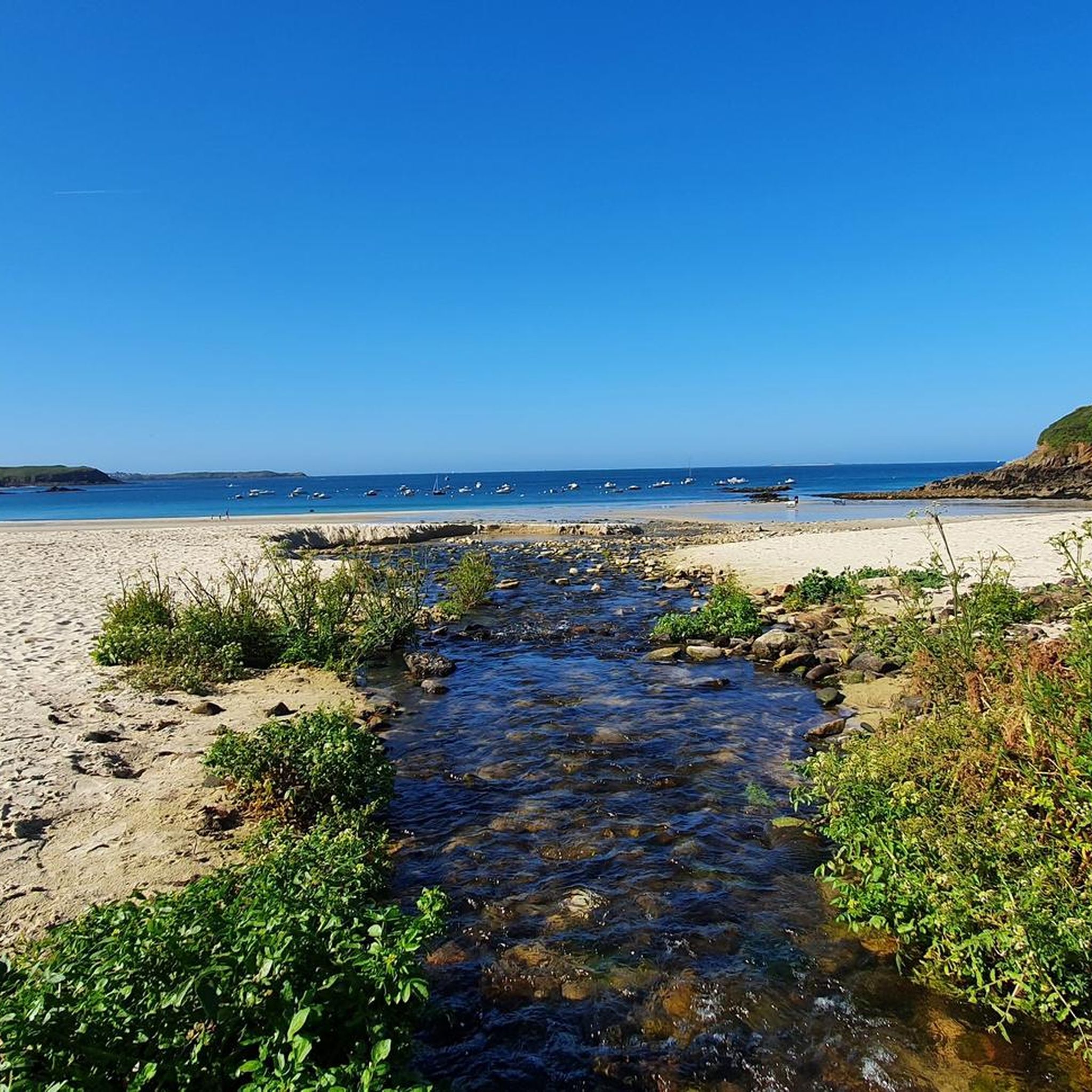
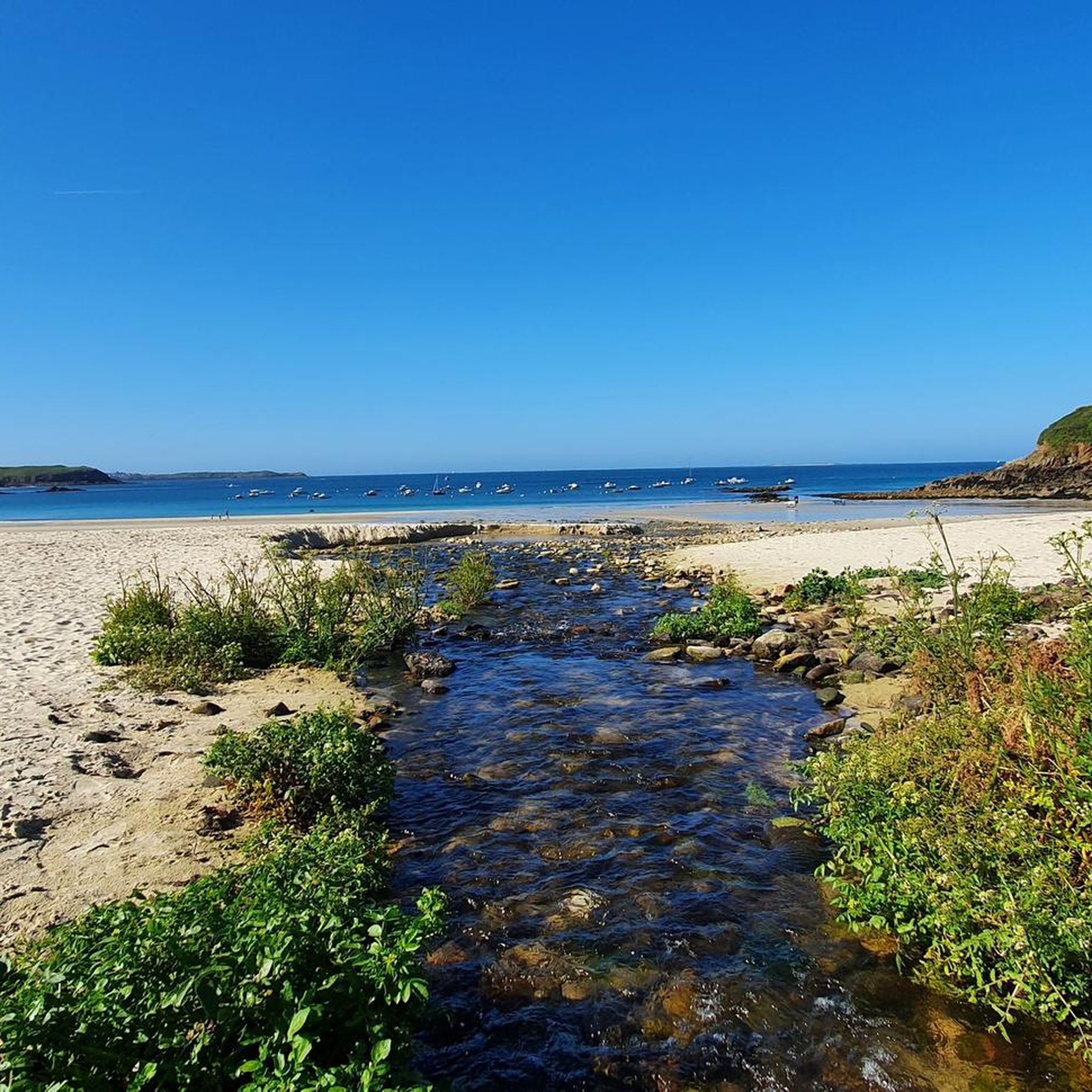
practical footbridge over the harbor allowing you to reach Le Conquet
0
0

The Saint-Mathieu lighthouse is classified as a historic monument. It was the first fire in Finistère. It peaks at 37 meters high. Tours are organized, if you are not afraid to climb the 163 steps that lead to its summit.
0
0

In the far west of Finistère, Pointe Saint-Mathieu illuminates the dark waters of the Atlantic. On a rocky promontory which endures the most heated anger, a lighthouse erected over the ruins of an abbey dating from the 6th century guides sailors coming from the ocean. Between nature and history, the charm operates.
0
0

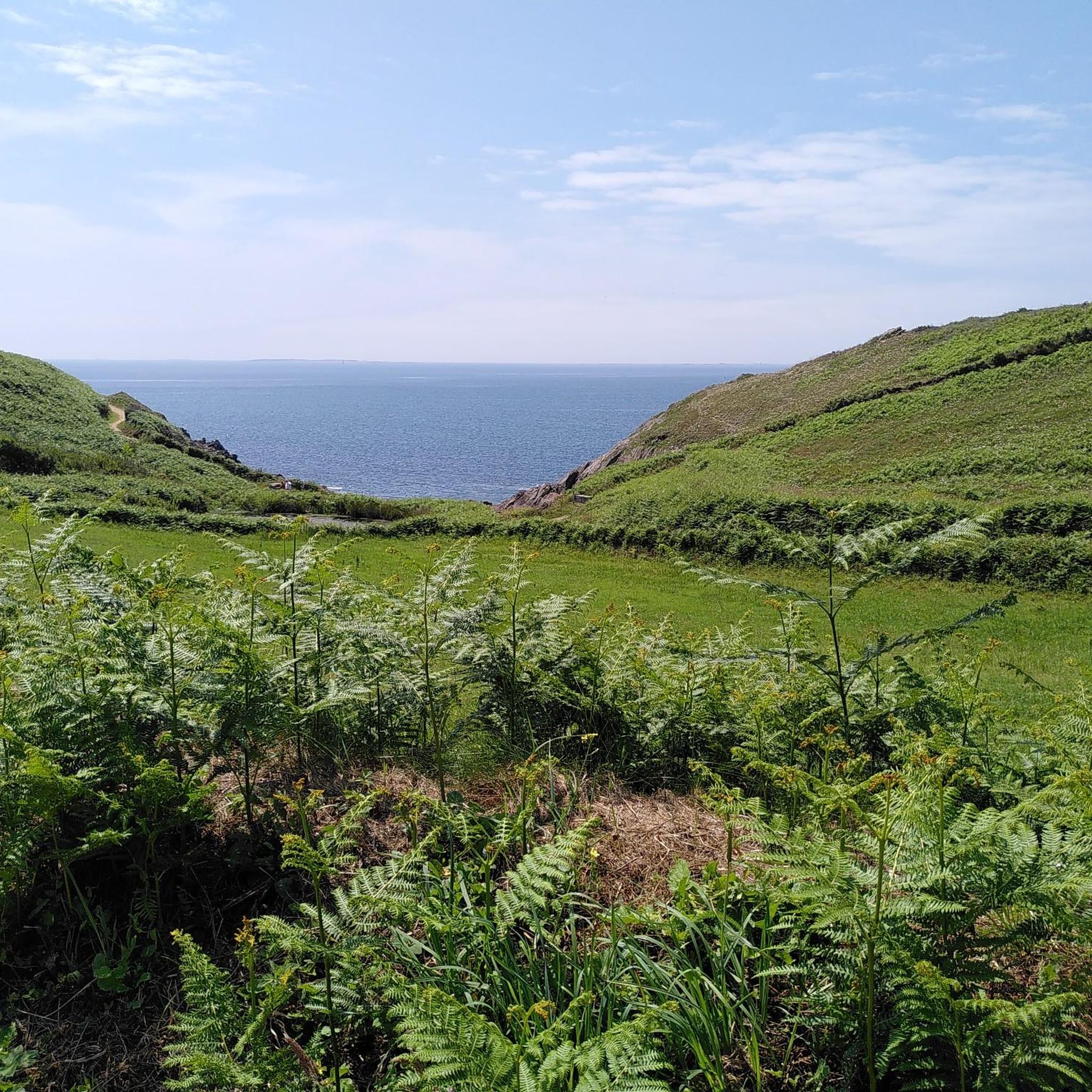
Pointe Saint-Mathieu, an emblematic coastal site of Brittany, reveals majestic cliffs and the charm of its historic lighthouse. A preserved place, offering exceptional panoramic views of the ocean.
1
0

Welcome to Le Conquet, where the echoes of the past meet the majestic waves of the present. Here, on the nature-protected Kermorvan Peninsula, the Phare de Kermorvan stands proudly - the westernmost land-based lighthouse in France. Built in 1849 under the watchful supervision of Louis Plantier, this 20 meter high tower is an impressive architectural masterpiece. With a square floor plan, it stands firmly on a rock and the sturdy granite bridging provides safe access for all who want to Looking for adventure. The lighthouse's eventful history can be felt in every corner. A fog bell installed in 1874 commemorates days when visibility was cloudy and ships sought their way in the fog. A fortress, once built to defend against enemy fleets, was later converted into a comfortable home for the lighthouse keeper and his family. Amazingly, the lighthouse remained untouched during the turmoil of 1944, a testament to the times that tells stories of bravery and hope. Although the Phare de Kermorvan is now automated and remotely controlled, its presence along the Four-Passage (Chenal du Four) remains essential. This important sea route, which connects the mainland with the Molène archipelago, is made safer by the light of this tower. For those looking for a unique experience, the lighthouse offers guided tours during the summer months. A small donation of €5 gives you the opportunity to climb the tower and enjoy breathtaking views of the Brittany coast.
1
0
A majestic lighthouse that sits proudly on the cliffs of Saint-Mathieu Peak and tells of a rich history. This lighthouse is not just a guide for ships, but a witness to time. It immediately catches the eye with its magnificent architecture, consisting of smooth granite masonry from Aber Ildut and partly from Kersanton. Its white and red horizontal stripes that wrap around the tapered tower make it a real eye-catcher. The impressive ensemble of the lighthouse, the neighboring church ruins and the chapel is not only historically significant, but also offers an incomparable view. The Phare de Saint-Mathieu was built on the remains of the old Saint-Mathieu Abbey and houses a smaller tower next to it, the Semaphore. This was once used to monitor communications along the coast. The position of the lighthouse was not chosen by chance. It offers a magnificent panorama that extends from the Pointe du Raz to the Ile d'Ouessant and includes the Molène archipelago and the Chaussée des Pierres Noires. With an impressive range of around 55 kilometers, the lighthouse is not only an important landmark for sailors, but also marks the Four Passage. This important north-south route between the mainland and the island of Ouessant saves ships a valuable two days on their journey. The historical and cultural heritage of the Phare de Saint-Mathieu is so important that it has been listed as a French historical monument since 2011. It is open to all visitors to experience the fascinating history and impressive views.
1
0
Frequently Asked Questions
What historical landmarks can I explore around Ploumoguer?
Ploumoguer and its surroundings are rich in history. You can visit the impressive Saint-Mathieu Lighthouse and the adjacent Ruins of Saint-Mathieu Abbey, a site dating back to the 6th century. Another significant historical lighthouse is Kermovan Lighthouse, the westernmost land-based lighthouse in France. The Kermorvan peninsula also features ancient megalithic monuments, including an *allée couverte* and a *cromlech*.
Are there any natural features or scenic viewpoints worth visiting?
Absolutely. The Pointe Saint-Mathieu offers magnificent panoramic views stretching from the Pointe du Raz to the Ile d'Ouessant. The Presqu'île de Kermorvan is known for its natural beauty and rocky coastline. You can also explore the Baie des Blancs Sablons with its beautiful beach, or the rugged cliffs at Pointe de Brenterc'h, which also holds geological significance.
What kind of outdoor activities can I do near Ploumoguer's attractions?
The area around Ploumoguer is excellent for outdoor enthusiasts. You can find numerous trails for hiking and cycling. For mountain biking, consider routes like the 'Croaë Footbridge – Corsen Point loop' or the 'Trégana Beach – Saint-Mathieu Lighthouse loop'. Cyclists can enjoy routes such as the 'Kermorvan Peninsula – Croaë Footbridge loop'. You can find more details on these activities in the MTB Trails around Ploumoguer or Cycling around Ploumoguer guides.
Are there family-friendly attractions in Ploumoguer?
Yes, several attractions are suitable for families. The Croaë Footbridge is a pleasant walk connecting Le Conquet and Cosquies, offering scenic views of the estuary. The beaches like Baie des Blancs Sablons, Kerhornou, and Illien are great for family outings. Additionally, the nearby Océanopolis in Brest is a major aquarium and a highly visited recreational site perfect for all ages.
What is the best time of year to visit Ploumoguer for outdoor activities?
Brittany generally offers pleasant weather for outdoor activities from spring through early autumn (April to October). During these months, temperatures are milder, and there's less rainfall, making it ideal for hiking, cycling, and exploring coastal areas. Summer months (July-August) are popular for beach activities, but can also be busier.
Can I find hiking trails that are part of the GR34 coastal path near Ploumoguer?
Yes, the famous GR® 34 hiking trail, also known as the 'Sentier des Douaniers', touches the Saint-Mathieu peak. This extensive coastal path offers stunning views and allows you to explore the rugged shorelines and natural beauty of the region. Sections of this trail can be quite demanding, requiring sure-footedness and good footwear.
What are some lesser-known cultural sites in Ploumoguer?
Beyond the major lighthouses and abbey, you can discover the Église Saint-Pierre-aux-Liens, the parish church in Ploumoguer's heart, with its 18th-century bell tower and altarpieces. The Chapelle de Locméven, reconstructed in 1812, also offers a glimpse into local history. The Site de Porsteven reveals the history of seaweed harvesting activities in the area.
Are there any accessible attractions for visitors with wheelchairs?
While the rugged coastal paths and historical ruins may present challenges, some areas offer better accessibility. The immediate surroundings of the lighthouses might have paved or flatter sections. For specific accessibility details, it's recommended to check with local tourist information centers or the individual attraction websites before your visit.
What do visitors enjoy most about the attractions around Ploumoguer?
Visitors particularly appreciate the dramatic coastal landscapes, the historical significance of sites like the Saint-Mathieu Lighthouse and Ruins of Saint-Mathieu Abbey, and the unique atmosphere created by the blend of ancient ruins and modern lighthouses. The scenic views from various points, such as Pointe Saint-Mathieu, are also highly praised.
Are there any nearby regional attractions outside of Ploumoguer that are worth visiting?
Yes, several significant attractions are easily accessible from Ploumoguer. Océanopolis in Brest, a major aquarium, is about 20.8 km away. You could also visit the Musée Mémoires 39-45, a museum dedicated to World War II, or explore the beautiful countryside of Brittany in the Armorique Regional Park, located about 35 km away.
Can I find dog-friendly walks around Ploumoguer?
Many of the natural trails and coastal paths around Ploumoguer are suitable for dog walking, especially outside of peak season or designated protected areas. The Presqu'île de Kermorvan and the various beaches (check local regulations for specific beach access during certain times of the year) offer great opportunities for walks with your dog. Always ensure your dog is on a leash and you clean up after them.
Most popular routes around Ploumoguer
Most popular attractions around Ploumoguer

Get inspired with the komoot mobile app


Explore more
Still not found the Highlight you’re looking for? See guides of the top attractions in other regions:
