Top 5 Castles around Samois-Sur-Seine
Best castles around Samois-Sur-Seine are situated in a region known for its historical significance and natural landscapes, particularly along the Seine River. This area offers a blend of cultural heritage and scenic beauty, making it a notable destination for those interested in French history and architecture. The proximity to the Fontainebleau forest also provides opportunities for outdoor activities alongside historical exploration. The region features several well-preserved castles, each with its own unique story and architectural style.
Best castles around Samois-Sur-Seine
…Last updated: May 17, 2026
Fontainebleau Castle
Highlight • Castle
Translated by Google •
Tip by

Fontainebleau Castle
Highlight • Historical Site
Translated by Google •
Tip by
Sign up now to discover places like this
Get recommendations on the best single tracks, peaks, & plenty of other exciting outdoor places.
Sign up for free
Fontainebleau
Highlight • Castle
Translated by Google •
Tip by

Blandy‑les‑Tours Castle
Highlight • Castle
Translated by Google •
Tip by
View of the Château de Fontainebleau
Highlight • Viewpoint
Translated by Google •
Tip by

Sign up for free to discover even more castles around Samois-Sur-Seine.
Sign up for free
Already have an account?
Start today with a free account
Your next adventure awaits.
Login or Signup
Popular around Samois-Sur-Seine
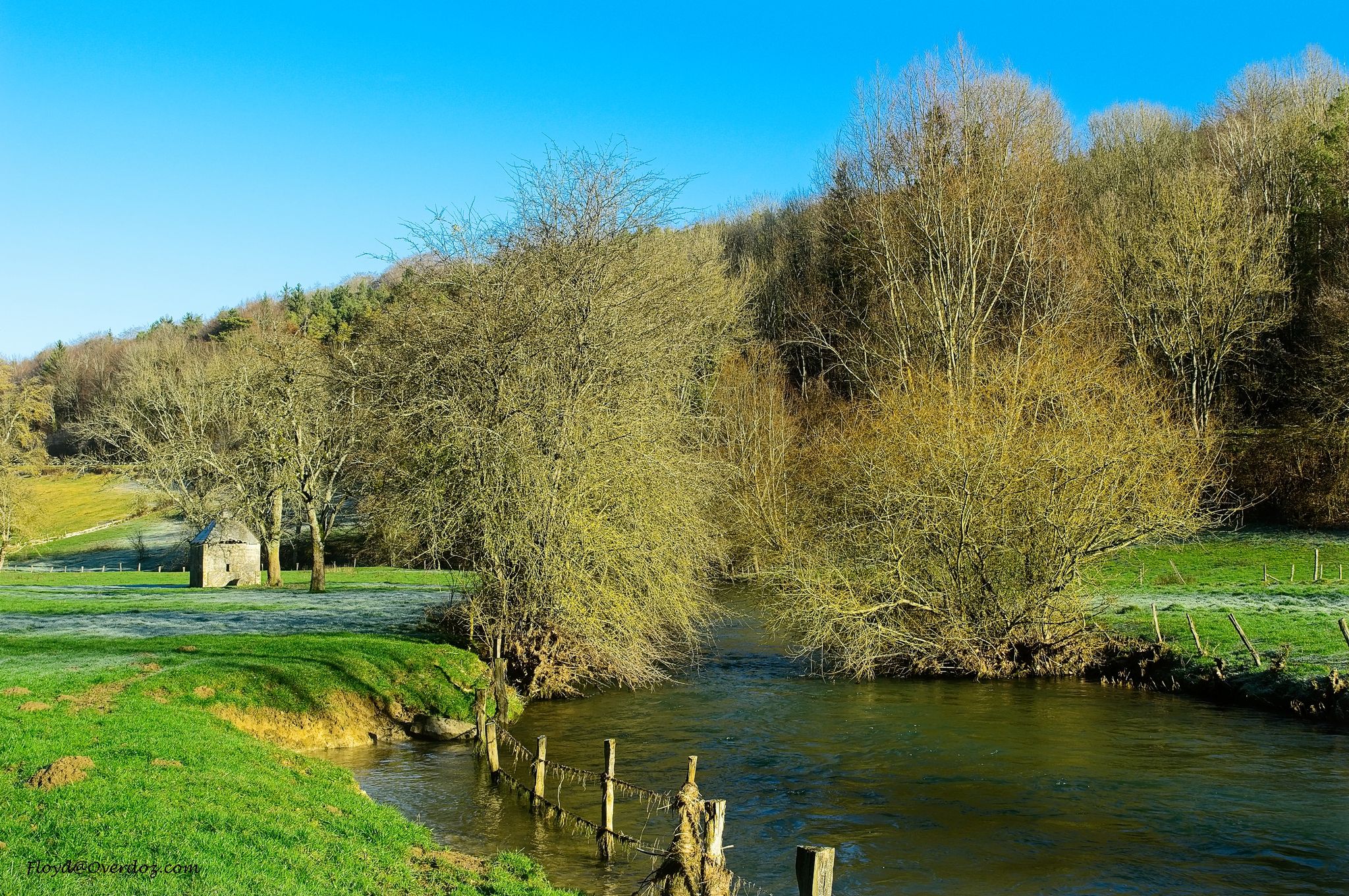
Exploring the Seine on the Île-de-France – hike the GR 2
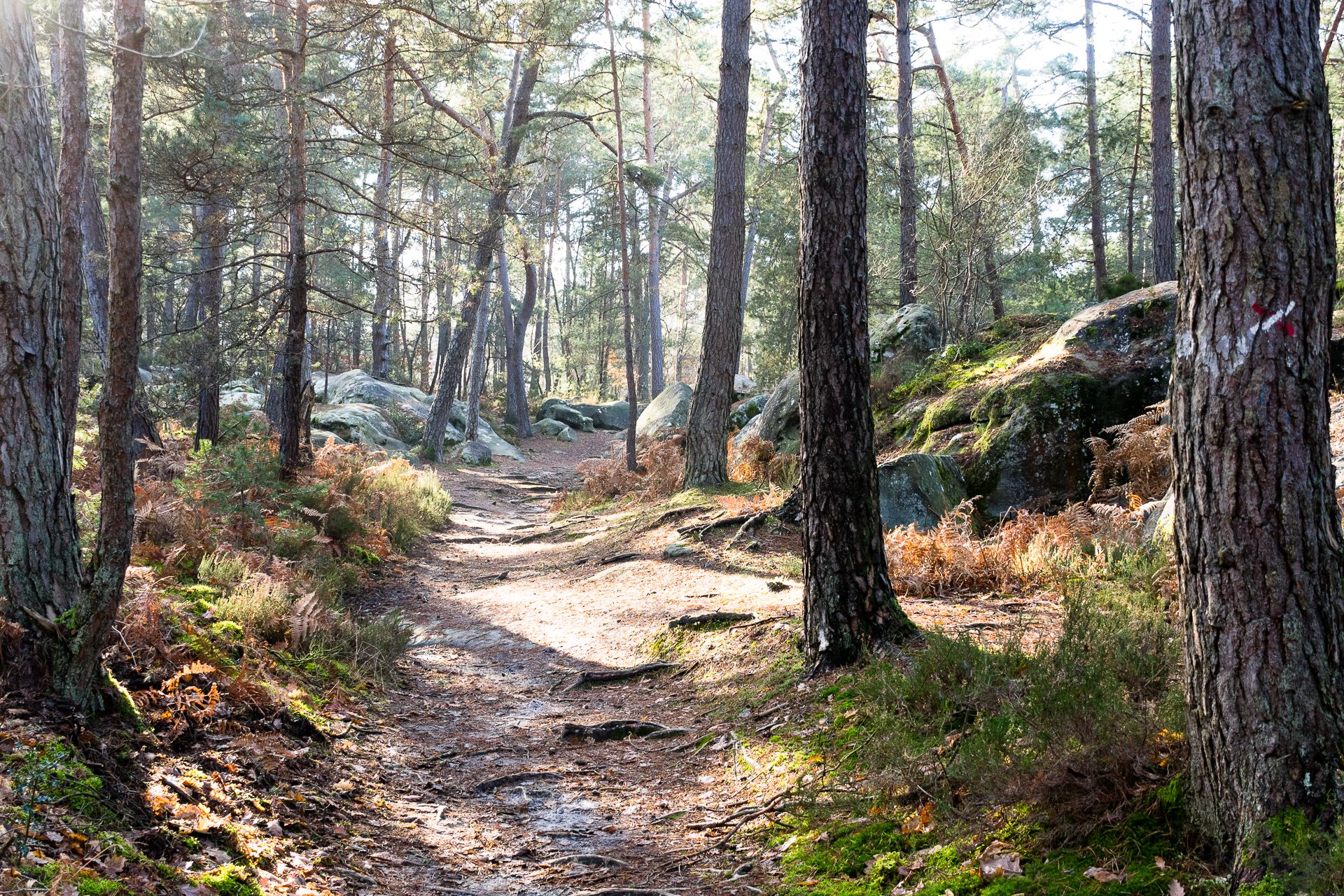
Between the rocks and the ages — les sentiers Denecourt-Colinet
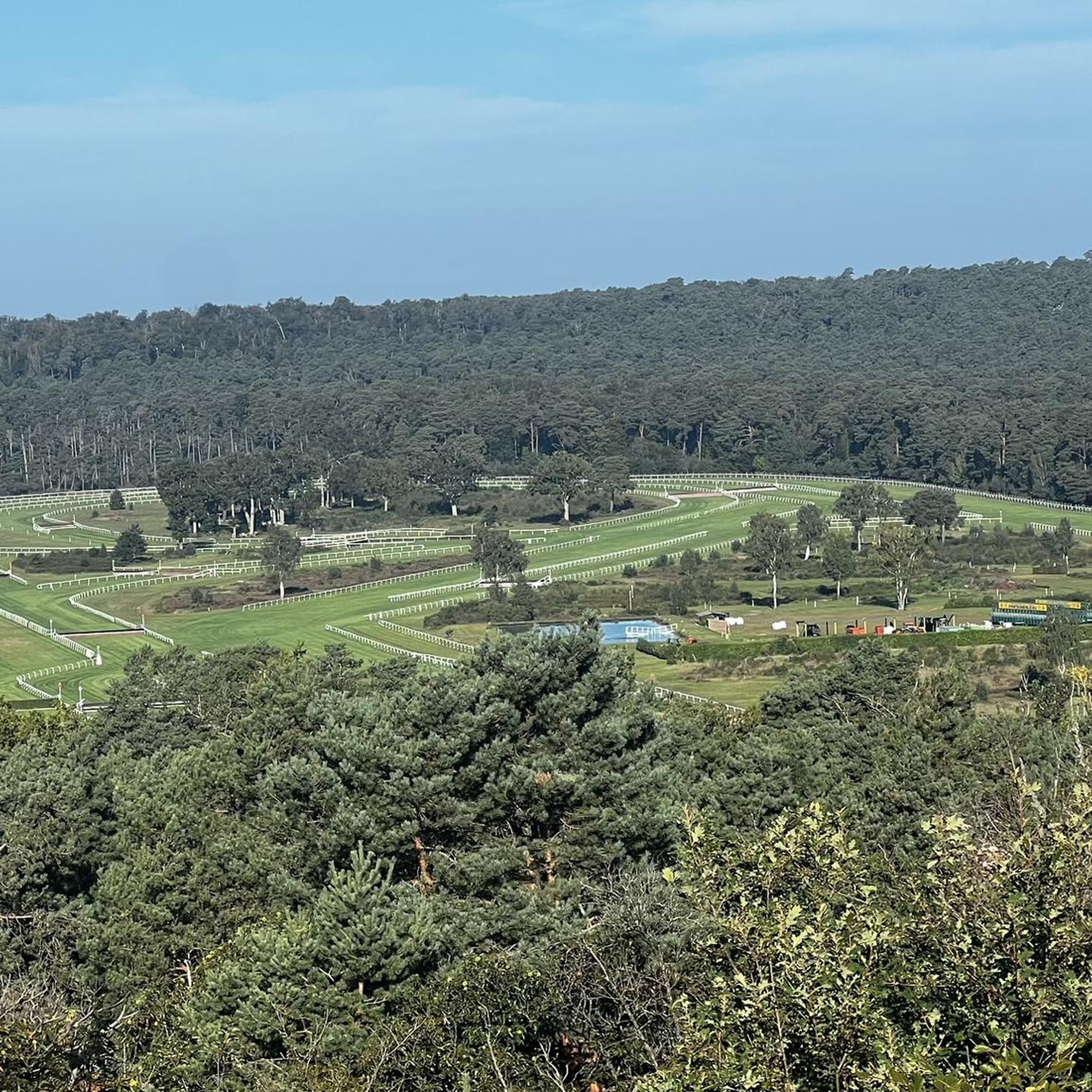
Cycling around Samois-Sur-Seine
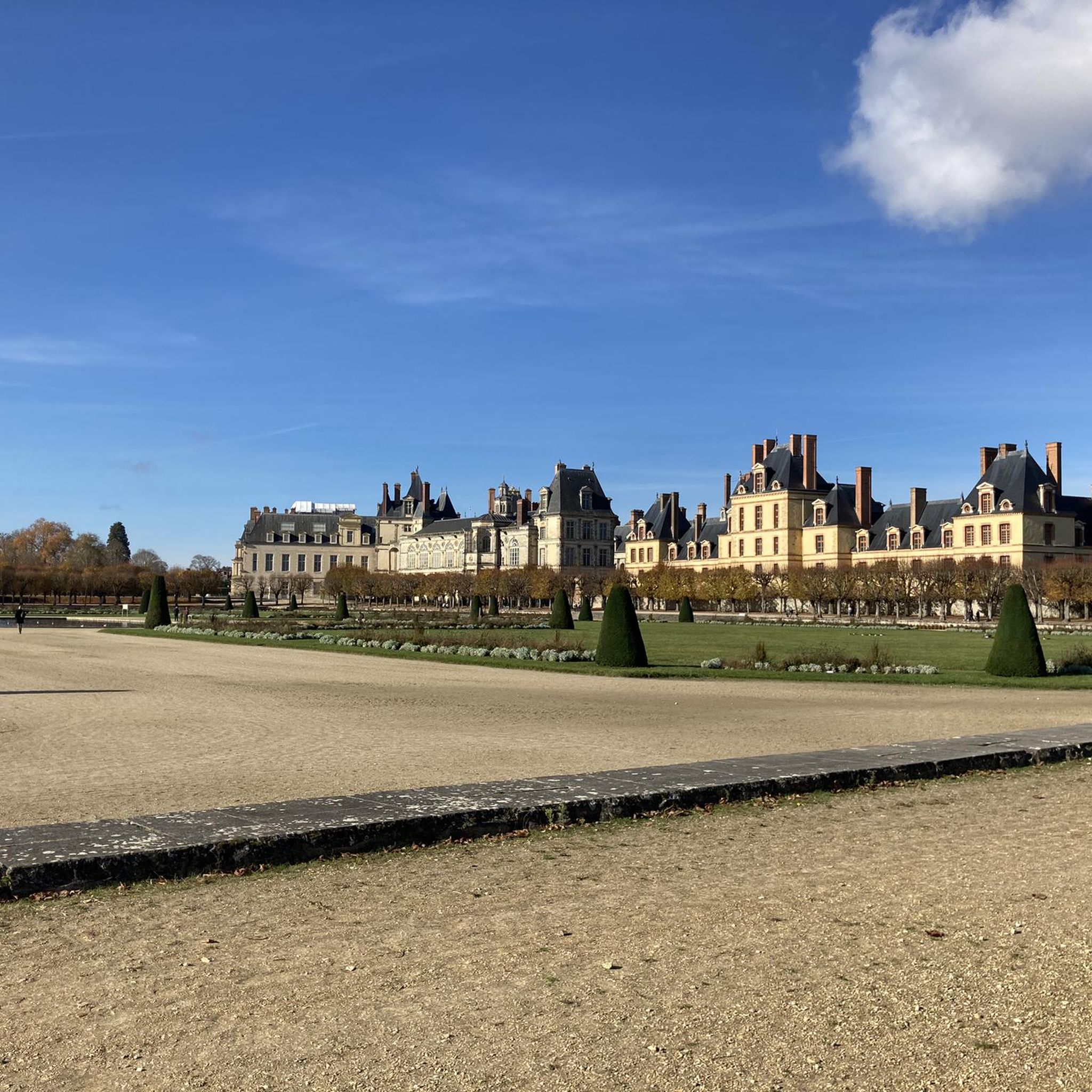
Road Cycling Routes around Samois-Sur-Seine
MTB Trails around Samois-Sur-Seine
Hiking around Samois-Sur-Seine

Running Trails around Samois-Sur-Seine

Gravel biking around Samois-Sur-Seine


Tips from the Community

No cycling in the castle grounds... on foot only
0
0

"Built by King Louis IX in 998 as a simple hunting lodge in the heart of the "Ile de France," Fontainebleau soon fell into obscurity. It wasn't until Francis I discovered his love for Fontainebleau and elevated it to a royal residence that the palace's true history began, as the ancestral home of the French kings. Henry IV had the complex expanded, and under Napoleon I, the building was extensively restored as the first imperial residence." With these words, a text on the media library's website introduces a 15-minute film (in German) about the UNESCO World Heritage Site. If you're interested, see => https://www.ardmediathek.de/video/schaetze-der-welt/fontainebleau-frankreich-folge-19/swr/Y3JpZDovL3N3ci5kZS83MjQ1NTMy
0
0
"Built by King Louis IX in 998 as a simple hunting lodge in the heart of the "Ile de France," Fontainebleau soon fell into obscurity. It wasn't until Francis I discovered his love for Fontainebleau and elevated it to a royal residence that the palace's true history began, as the ancestral home of the French kings. Henry IV had the complex expanded, and under Napoleon I, the building was extensively restored as the first imperial residence." With these words, a text on the media library's website introduces a 15-minute film (in German) about the UNESCO World Heritage Site. If you're interested, see => https://www.ardmediathek.de/video/schaetze-der-welt/fontainebleau-frankreich-folge-19/swr/Y3JpZDovL3N3ci5kZS83MjQ1NTMy
0
0

passage through the park possible by bicycle
0
0
"Fontainebleau was built by King Louis IX in 998 as a simple hunting lodge in the heart of the "Ile de France", but it soon fell into oblivion. It was only when Francis I discovered his love for Fontainebleau and elevated it to a residence that the castle's real history began as the ancestral home of the French kings. Henry IV had the complex expanded and under Napoleon I the building was extensively restored as the first imperial residence." With these words, a text on the media library's website introduces a 15-minute film (in German) about the UNESCO World Heritage Site. If you are interested, see => https://www.ardmediathek.de/video/schaetze-der-welt/fontainebleau-frankreich-folge-19/swr/Y3JpZDovL3N3ci5kZS83MjQ1NTMy
0
0

At the Château de Fontainebleau, the Cascades basin serves as a visual transition between the different levels of the French garden. An essential element during your stroll in the park.
0
0

And there, from the mist, appears a crazy castle!
0
0

to see, quiet little town
0
0
Frequently Asked Questions
Which castles near Samois-Sur-Seine are suitable for families?
Both Fontainebleau Castle and Blandy‑les‑Tours Castle are considered family-friendly. Fontainebleau offers magnificent state rooms and gardens, while Blandy-les-Tours is a restored 13th-century fortified castle where visitors can explore its military architecture.
What outdoor activities can I do near the castles around Samois-Sur-Seine?
The region around Samois-Sur-Seine, particularly near the Fontainebleau forest, offers various outdoor activities. You can find numerous routes for hiking, mountain biking, and road cycling. Many of these routes offer scenic views and pass by historical sites.
Are there any viewpoints to see the castles from a distance?
Yes, there is a dedicated highlight called View of Château de Blandy-les-Tours from the Moisenay Road, which offers superb views of Blandy-les-Tours Castle and its surroundings. For Fontainebleau Castle, you can find spots outside the castle grounds, near the D137 road, that provide breathtaking views of the castle and its gardens.
What is the best time to visit the castles near Samois-Sur-Seine?
The castles are generally enjoyable year-round. However, for exploring the extensive gardens and enjoying outdoor activities, spring and autumn offer pleasant weather. Some castles like Blandy-les-Tours are open all year, with specific hours (closed on Tuesdays and between 12:30 and 13:30 from November to March).
Are there any dog-friendly castles in the Samois-Sur-Seine region?
While dogs are generally not permitted inside the main buildings of historical castles like Fontainebleau or Blandy-les-Tours, you can often walk dogs in the surrounding park areas or along nearby trails. It's always best to check the specific castle's official website for their most current pet policy before your visit.
Can I reach the castles near Samois-Sur-Seine by public transport?
Public transport options are available, particularly for major sites like Fontainebleau Castle, which is about 60 kilometers from Paris and accessible by train and bus. For other castles like Blandy‑les‑Tours Castle, public transport might require more planning or a combination of train and local bus services. Checking local transport schedules is recommended.
Is parking available at the castles?
Yes, parking is typically available at or near the major castles. For Fontainebleau Castle, there are usually designated parking areas. For smaller sites, parking might be more limited but generally accessible in nearby villages. Some visitors recommend parking outside the castle grounds for Fontainebleau to get a better view.
What historical significance do the castles around Samois-Sur-Seine hold?
The castles in this region are rich in history. Fontainebleau Castle was a favorite residence for French kings and emperors, a UNESCO World Heritage Site. Blandy‑les‑Tours Castle is a rare example of 13th-century military architecture. Additionally, Château de Vaux-le-Pénil is notable as the site where the decision for the Battle of the Marne was made in 1914.
Are there any hidden gem castles or lesser-known historical sites?
While Fontainebleau Castle is well-known, many consider it underestimated compared to Versailles, making it a 'hidden gem' in its own right for those seeking a less crowded royal experience. Château de Vaux-le-Pénil, with its significant role in World War I history, is another site that offers a unique historical perspective beyond typical castle tours.
What do visitors enjoy most about the castles in this area?
Visitors appreciate the blend of cultural heritage and scenic beauty. Many enjoy exploring the magnificent state rooms and gardens of Fontainebleau Castle, often noting its grandeur. The restored medieval architecture and impressive towers of Blandy‑les‑Tours Castle are also highly praised. The overall historical significance and the opportunity for outdoor activities in the surrounding natural landscapes are frequently highlighted.
Are the castles around Samois-Sur-Seine accessible for visitors with mobility issues?
Accessibility varies by castle. Major sites like Fontainebleau Castle have made efforts to improve accessibility, particularly in certain ground-floor areas and gardens. However, due to the historical nature of these buildings, some sections, especially upper floors or older structures like Blandy‑les‑Tours Castle, may have limited accessibility. It is advisable to check the specific castle's official website for detailed accessibility information before your visit.
Most popular routes around Samois-Sur-Seine
Most popular attractions around Samois-Sur-Seine

Get inspired with the komoot mobile app


Explore more
Looking for the best castles somewhere else? Discover other guides around Samois-Sur-Seine:
