Attractions and Places To See around Tourbes - Top 20
Best attractions and places to see around Tourbes include a blend of historical sites, natural landscapes, and cultural experiences in the Hérault department of France. The region features picturesque hills covered with vineyards, garrigue, and pine forests, providing opportunities for walks and exploration. Visitors can discover medieval architecture, ancient mills, and unique geological formations. The area offers a variety of points of interest for those exploring the local heritage and natural beauty.
Best attractions and places to see around Tourbes
…Last updated: May 26, 2026
The Fairy Stretcher
Highlight • Other
Human imagination has given rise to a legend: fairies used to …
Translated by Google •
Tip by

Saint-Thibéry Mill
Highlight • Historical Site
Translated by Google •
Tip by

Sign up now to discover places like this
Get recommendations on the best single tracks, peaks, & plenty of other exciting outdoor places.
Sign up for free
Ruins of the Saint-Antoine Hermitage
Highlight • Historical Site
Translated by Google •
Tip by

Roman bridge
Highlight • Historical Site
Translated by Google •
Tip by

Roman Bridge and 13th-Century Mill of Villeneuve-lès-Béziers
Highlight • Bridge
Translated by Google •
Tip by

Sign up for free to discover even more attractions around Tourbes.
Sign up for free
Already have an account?
Start today with a free account
Your next adventure awaits.
Login or Signup

Tips from the Community

The Saint-Antoine hermitage, located in the commune of Castelnau-de-Guers, was built on a promontory overlooking the Hérault river floodplain. The riverbed is 500 m to the west. Access to the site is facilitated by the presence of two paths that meet at its summit.
0
0
Classified as a Historic Monument since 1862, this bridge offers a dive into the past and testifies to the know-how of medieval builders. Despite the centuries that have passed and the sometimes violent floods of the Hérault, it retains a robust elegance, the result of ancient engineering and solid construction. The exact origin of the structure has long fueled debate among historians. Although it has sometimes been attributed to the Roman era, the most recent research today confirms its medieval dating.
0
0
Old wheat mill converted into a hydroelectric power station. (1988). The 11th-century "Bled" mill is in a perfect state of preservation. It supplied the local population with wheat and barley flour. The motive force of the water drove a heavy wheel that crushed the millers' grain. This medieval mill has ceased its activity but bears witness to the economic activity of this small commune in Bas-Languedoc.
0
0
Old wheat mill converted into a hydroelectric power station. (1988). The 11th-century "Bled" mill is in a perfect state of preservation. It supplied the local population with wheat and barley flour. The motive force of the water drove a heavy wheel that crushed the millers' grain. This medieval mill has ceased its activity but it bears witness to the economic activity of this small commune in Bas-Languedoc.
0
0
Classified as a Historic Monument since 1862, this bridge offers a dive into the past and testifies to the know-how of medieval builders. Despite the centuries that have passed and the sometimes violent floods of the Hérault, it retains a robust elegance, the result of ancient engineering and solid construction. The exact origin of the structure has long fueled debates among historians. Although it has sometimes been attributed to the Roman era, the most recent research now confirms its medieval dating.
0
0
The dinosaur egg-laying sites, the red lands, the white rocks, and the Étendoir des fées are among the most remarkable geological sites in the municipality. The Étendoir des fées is worth the detour as it is an original formation of limestone rocks, deposited at the beginning of the Tertiary era, during the folding of the Pyrenean-Provençal chain, on a continental plain episodically crossed by rivers.
0
0

A beautiful geological curiosity, this is the place where there are the most, but we can see others in the surroundings a little more hidden (or not).
0
0
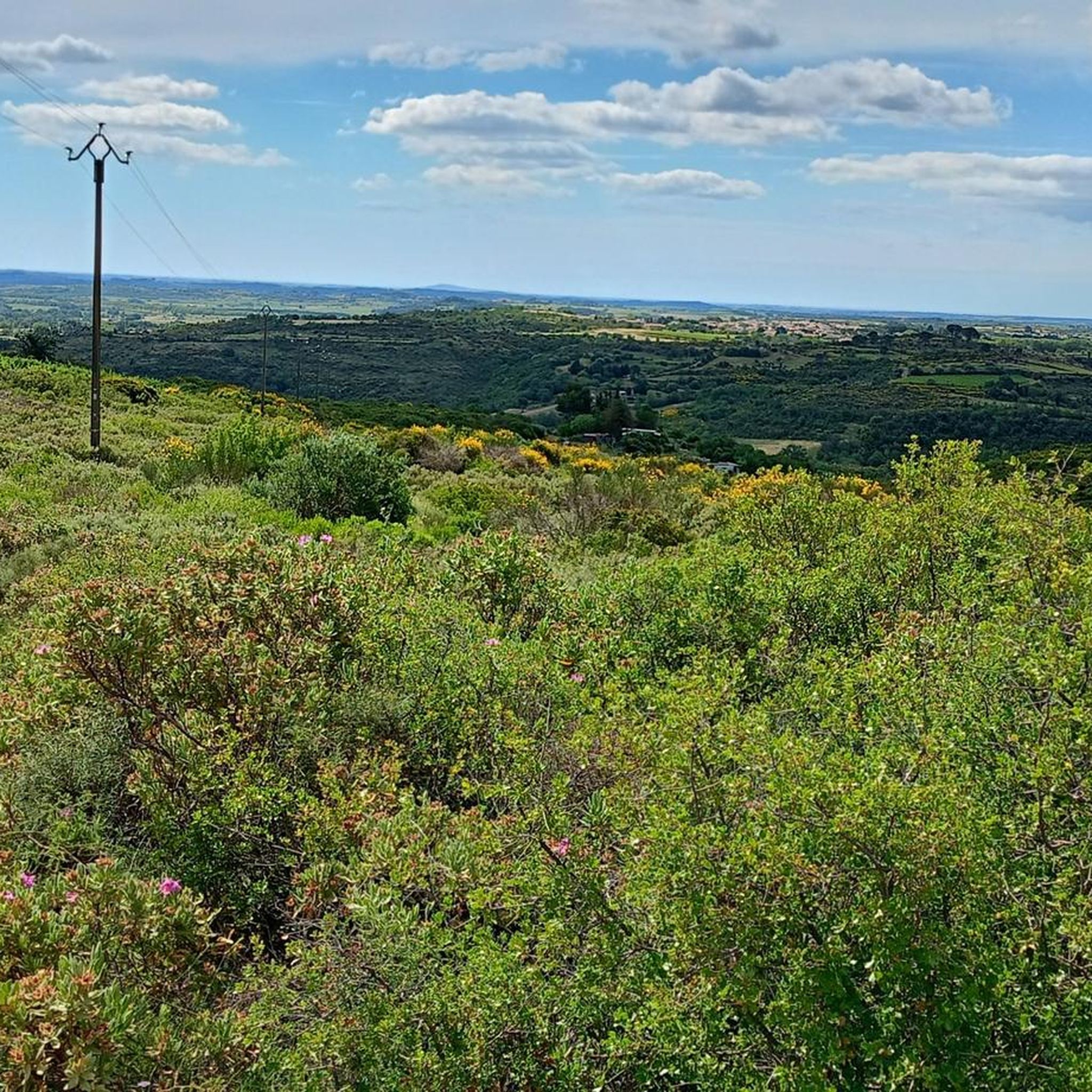
Offers a nice view of the surrounding area
0
0
Frequently Asked Questions
What historical sites can I explore in and around Tourbes?
Tourbes and its surroundings are rich in history. You can visit the 13th-century Saint-Thibéry Mill, built by Benedictine monks, which has withstood centuries of floods. The village also features the 13th-14th century Saint-Saturnin Church, commissioned by King Louis IX, and the 16th-century Château de Peyrat. Don't miss the Ruins of the Saint-Antoine Hermitage, a historical site offering panoramic views.
Are there opportunities for hiking and walking near Tourbes?
Absolutely. The region around Tourbes is ideal for walking and hiking, with picturesque hills covered in vineyards, garrigue, and pine forests. You can find marked trails like "A la découverte de l'orchidée sauvage." For more structured routes, explore the hiking guide for Tourbes, which includes routes like the easy "Pézenas Historic Centre – Market bustle loop from Pézenas" or the moderate "Pézenas – Pézenas Historic Centre loop from Pézenas."
What unique natural features can I discover in the Tourbes area?
A must-see natural wonder is The Fairy Stretcher, a unique limestone formation dating back approximately 50 million years. Local legend says fairies once hung their laundry on its white concretions. The area is also characterized by its extensive vineyards, garrigue, and pine forests, offering a beautiful natural backdrop for exploration.
Where can I find panoramic views around Tourbes?
For breathtaking vistas, head to the Ruins of the Saint-Antoine Hermitage, which offers expansive panoramic views. Additionally, from the hills surrounding Tourbes, you can enjoy a 180-degree view across the plain, stretching towards Castelnau-de-Guers and even to Agde and its beaches.
What cultural experiences does Tourbes offer?
Tourbes offers a rich cultural tapestry. You can explore the historic village center with houses from the 15th to 17th centuries. The area is known for its wine estates, offering opportunities for tastings and visits to the Saint-Roch winery. Local festivals include a cultural festival in early July, local festivities with a funfair in late July, bullfighting days in early September, and a Christmas Market in December.
Are there any family-friendly attractions or activities in Tourbes?
Many of the historical sites and natural areas around Tourbes are suitable for families. The Saint-Thibéry Mill and the Ruins of the Saint-Antoine Hermitage are considered family-friendly highlights. Exploring the pedestrian-friendly streets of Pézenas or enjoying local festivals can also be great family outings.
What is the best time of year to visit Tourbes for outdoor activities?
The spring and autumn months are generally ideal for outdoor activities in Tourbes, offering pleasant temperatures for hiking and cycling. Summer (July-August) can be warm, but also brings local festivals and events. The region's vineyards are particularly beautiful during harvest season in late summer/early autumn.
Can I explore nearby towns with historical significance?
Yes, just 5 km from Tourbes, the town of Pézenas boasts a rich cultural and architectural heritage. Its historic center is known for pedestrian-friendly, narrow streets, old facades, art galleries, and local craft shops. Don't miss the Pézenas Historic Centre and the notable Hôtel du Baron de Lacoste with its Gothic vaults.
Are there specific trails for mountain biking or road cycling?
Yes, the Tourbes region offers various cycling opportunities. For mountain biking, you can find trails like the easy "Woodland Trail loop from Tourbes" or the moderate "La Font du Loup – The Fairy Stretcher loop from Pézenas." Road cyclists can explore routes such as the "Loop of Mèze" or the "Route de la Taillade – Beautiful road through the vineyards loop from Pézenas." You can find more details in the MTB Trails around Tourbes guide and the Road Cycling Routes around Tourbes guide.
What is the Saint-Roch Chapel and why is it significant?
The Saint-Roch Chapel is a noteworthy site perched on a hill amidst vineyards. A path lined with fig trees leads to it, and its roof features a figure of Saint Roch and his dog. It commemorates Saint Roch, who was believed to have been cured of the plague by a dog, making it a site of historical and religious interest.
What local specialties or unique foods can I try in Tourbes?
While not extensively detailed, Tourbes is known for a local specialty called "Tripat." This dish is often enjoyed at convivial meals organized by village associations, offering a taste of authentic local cuisine and community spirit.
What is the significance of Gabriel-François Venel to Tourbes?
Tourbes holds a unique connection to Gabriel-François Venel, who is recognized as the inventor of soda water. This historical association adds an interesting scientific and innovative facet to the village's heritage.

Get inspired with the komoot mobile app


Explore more
Still not found the Highlight you’re looking for? See guides of the top attractions in other regions:
