The best walks and hikes around Tourbes
4.4
(405)
1,800
hikers
185
hikes
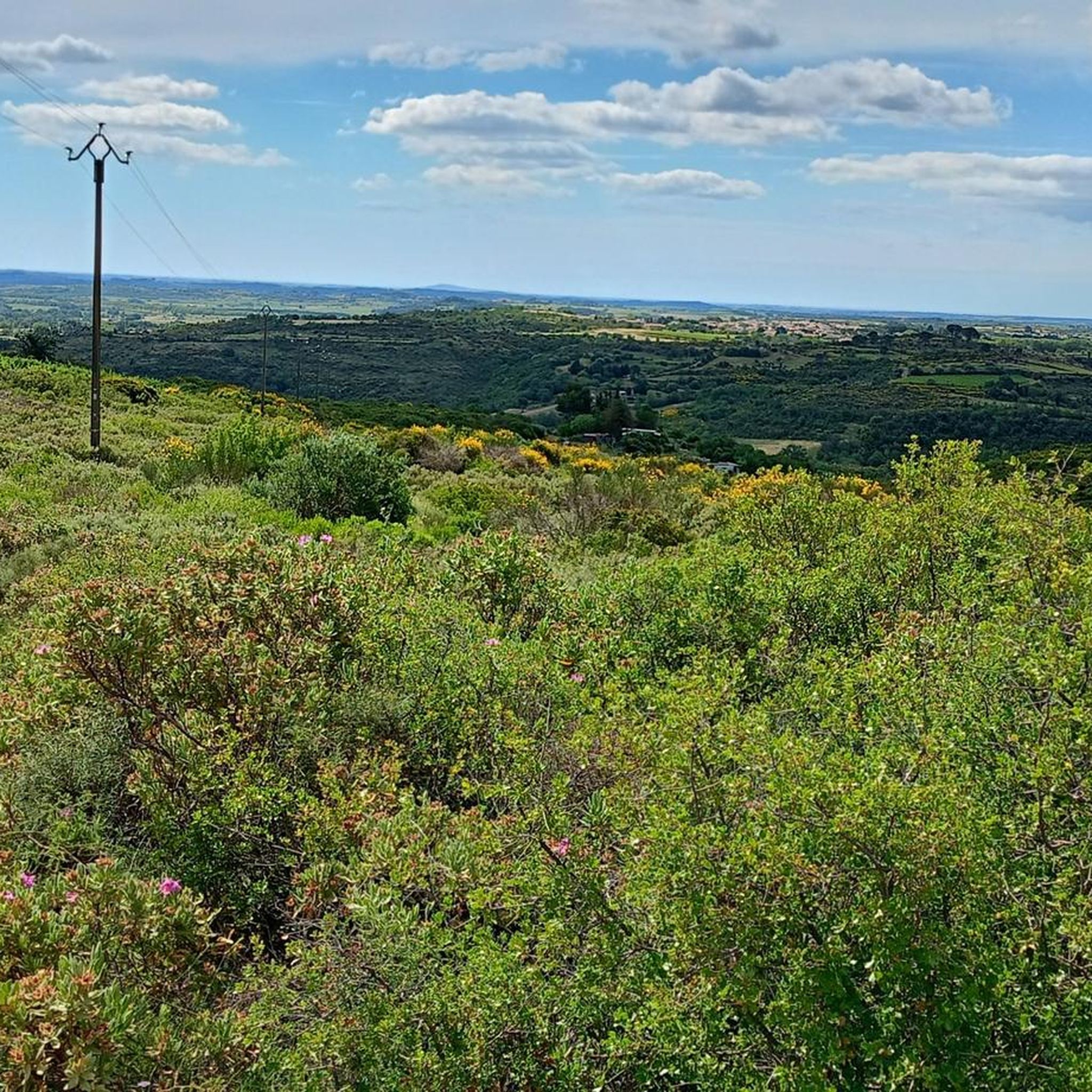
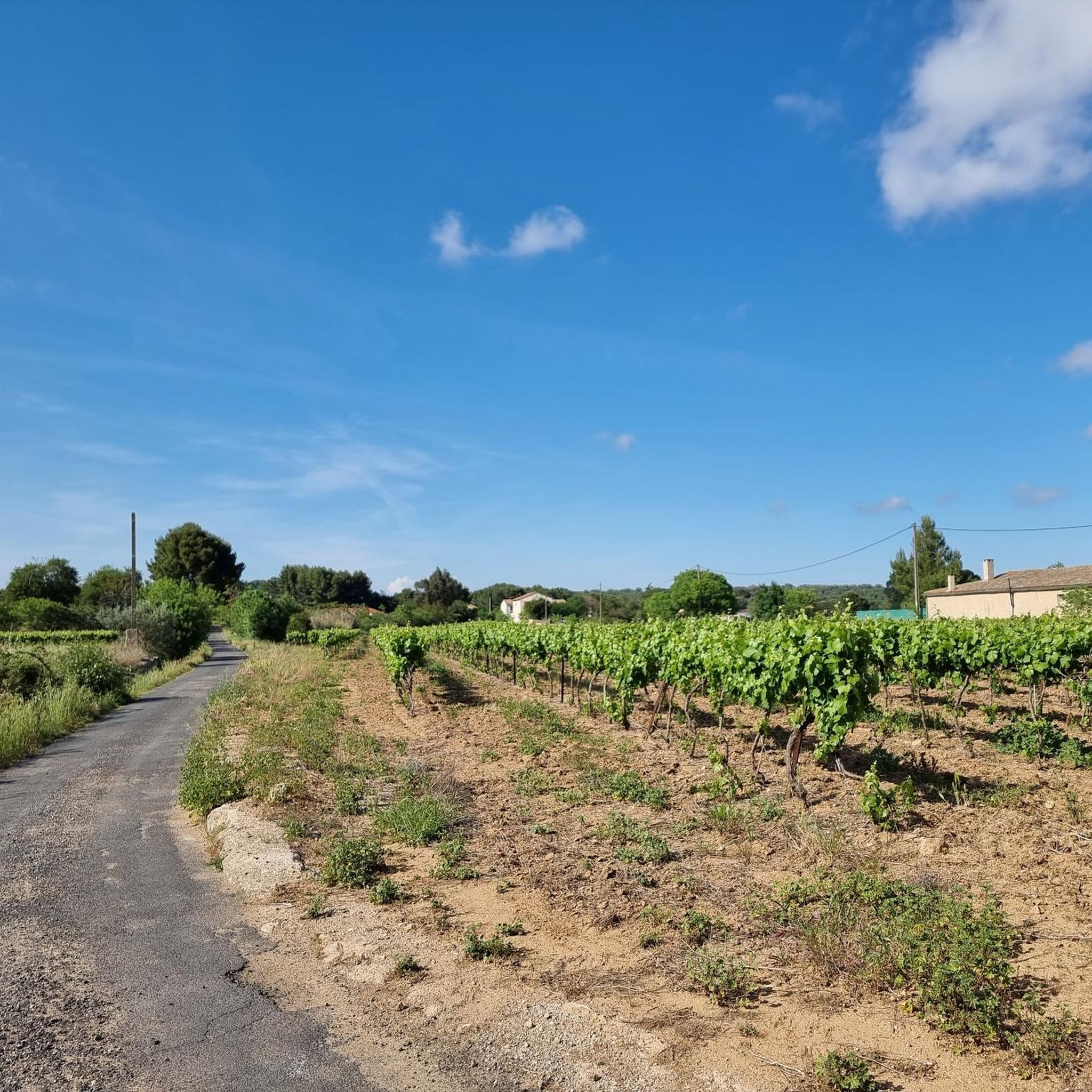
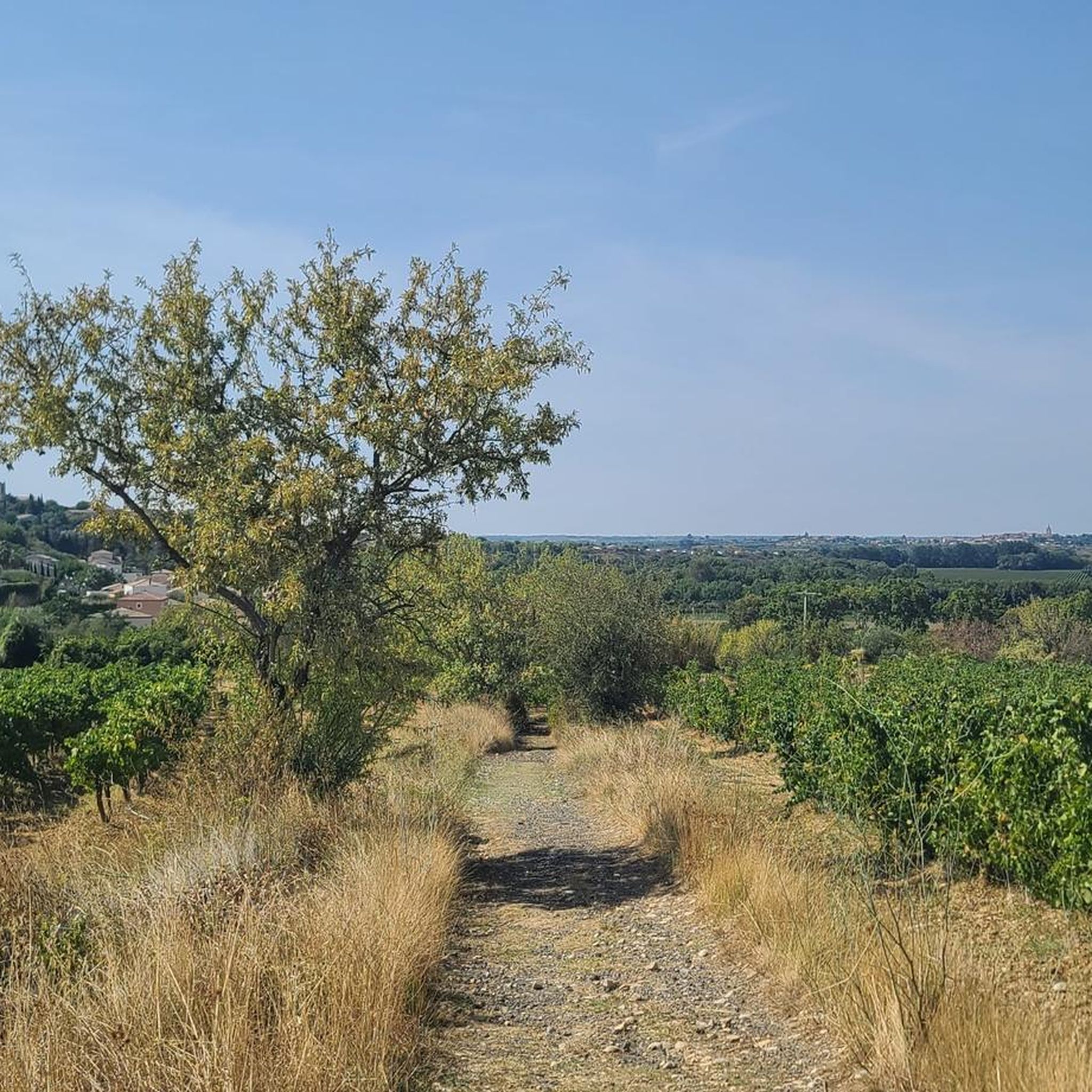
Hiking around Tourbes offers diverse landscapes in the Hérault department of Southern France. The region is characterized by rolling hills extensively covered with vineyards, fragrant garrigue, and serene pine forests. Many routes traverse through rich undergrowth and along a river, providing varied terrain. Elevated perspectives from the hills offer expansive views over the plain towards Castelnau-de-Guers, Agde, and its beaches.
Best hiking trails around Tourbes
- The most popular hiking route is Pézenas Historic Centre – Market bustle loop from Pézenas, a 2.8 miles (4.6 km) trail that takes 1 hour 11 minutes to complete. This easy route connects to the historic town of Pézenas.
- Another top favourite among local hikers is Pézenas – Pézenas Historic Centre loop from Pézenas, a moderate 6.2 miles (10.0 km) path. This longer loop explores the historic centre and surrounding areas, offering varied scenery.
- Local hikers also love the Pézenas – Molière Monument loop from Pézenas, a 2.5 miles (4.0 km) trail leading through the historic area, often completed in about 1 hour 3 minutes.
- Hiking around Tourbes is defined by vineyards, garrigue, pine forests, and hills, with a network of trails offering options for different ability levels.
- The routes in Tourbes are highly rated by the komoot community with an average score of 4.4 stars from more than 350 reviews. More than 1600 hikers have used komoot to explore Tourbes's varied terrain.
Last updated: July 5, 2026
4.3
(8)
81
hikers
4.55km
01:11
30m
30m
Easy hike. Great for any fitness level. Easily-accessible paths. Suitable for all skill levels.
4.8
(10)
20
hikers
9.89km
02:37
100m
100m
Moderate hike. Good fitness required. Easily-accessible paths. Suitable for all skill levels.

Sign up for free
4.0
(2)
26
hikers
4.37km
01:08
30m
30m
Easy hike. Great for any fitness level. Easily-accessible paths. Suitable for all skill levels.
4.6
(5)
43
hikers
11.3km
03:00
110m
110m
Moderate hike. Good fitness required. Easily-accessible paths. Suitable for all skill levels.
5.0
(1)
9
hikers
Easy hike. Great for any fitness level. Easily-accessible paths. Suitable for all skill levels.
Get access to more routes and recommendations from other explorers.
Sign up for free
Already have an account?
Our route recommendations are based on thousands of hikes, rides, and runs completed by other people on komoot.
Start today with a free account
Your next adventure awaits.
Login or Signup

Tips from the Community

The church was built in 1686 as part of the Ursuline convent. The Ursulines were a Catholic women's order particularly dedicated to the education of girls. The convent was established on the grounds of the former Hôtel de Paulhan, where King Louis XIII and Queen Anne of Austria are said to have even stayed previously. Particularly noteworthy is the magnificent gilded Baroque altarpiece (retable) from 1688. It was created by the sculptor Jacques Thomas and is considered one of the most important Baroque artworks in Pézenas. The church also houses a Black Madonna, which originates from an older chapel of the Knights Hospitaller. After the Concordat of 1801, Sainte-Ursule became the town's parish church and remains an active place of worship to this day. Its location is also interesting: directly next door is the former theatre of Pézenas, which was originally the chapel of the Black Penitents (Pénitents Noirs). Molière is said to have performed there already when he was active in Pézenas.
2
0
Saint-Ursule Church – The baroque church of the former Ursuline convent is one of the most beautiful sacred buildings in Pézenas. Particularly impressive are the magnificent gilded high altar from the 17th century and the Black Madonna. Together with the neighboring historic theater, the church forms a significant cultural ensemble in the old town.
3
0
On the Place de la République stands the Monument aux Morts, the war memorial of the city of Pézenas. History of the memorial The memorial was erected after the First World War and commemorates the fallen soldiers from Pézenas. As in almost every French municipality, the names of citizens who lost their lives in the World Wars and other military conflicts were engraved. Such war memorials hold a special significance, particularly in France. Every year on November 11 (Armistice Day 1918) and May 8 (end of the Second World War in Europe), memorial ceremonies take place there. Design Typical of French war memorials, the monument features an allegorical figure representing the Republic, victory, or remembrance. The engraved names make it clear how strongly even smaller towns like Pézenas were affected by the wars of the 20th century. Significance of the square The Place de la République is one of the central squares of Pézenas. The memorial forms an important place of remembrance there and is regularly used for official ceremonies and wreath-laying.
2
0
Monument aux Morts – The War Memorial of Pézenas commemorates the citizens of the town who lost their lives in the wars of the 20th century. The memorial site, centrally located on the Place de la République, is still a venue for official commemorative ceremonies and an important part of the town's history.
2
0
Monument to Louis Paulhan – A tribute to the famous aviation pioneer from Pézenas. Born here in 1883, the pilot was one of the world's first aviators and set several flight records even before World War I. Yes, the monument commemorates Louis Paulhan, one of Pézenas' most famous sons. He was born in the town in 1883 and was one of the very early aviation pioneers in the world. Why is he so significant? * He received French pilot's license No. 10 – at a time when flying was still a dangerous adventure. * In 1909 and 1910, he set several altitude, distance, and duration flight records. * At the first international air meeting in Los Angeles in 1910, he won the competition and set a then-world altitude record of over 1,200 meters. * His flight from London to Manchester in 1910 became particularly famous, winning him a prestigious competition and gaining him international recognition. The Monument in Pézenas Pézenas is very proud of its famous aviation pioneer. A monument was erected in his birthplace in his memory. Additionally, since 1983, a square has borne his name. He is also buried in Pézenas. Interesting Anecdote When Paulhan gave flight demonstrations in California in 1910, he met a young man named William Edward Boeing. This young man later became the founder of **Boeing**.
2
0
Place Gambetta – The gateway to the old town of Pézenas. The spacious square with its magnificent Fontaine du Peyrou invites you to linger and is the ideal starting point for exploring the historic old town.
2
0
Place Gambetta is one of the most important squares in Pézenas and, in a way, forms the southern gateway to the historic old town. History The square was created in the 19th century after parts of the old city fortifications were removed. It was named after the French statesman Léon Gambetta, a key figure in the Third French Republic. The Fontaine du Peyrou The centerpiece of the square is the impressive Fontaine du Peyrou. The fountain was erected in 1898 and is adorned with a monumental column and allegorical figures. It commemorates the importance of the water supply for the city and is considered one of the most famous photo opportunities in Pézenas. Today Place Gambetta is a lively meeting point with cafés, restaurants, and shady plane trees. From here, you can directly access the narrow streets of the old town with its city palaces, artisan shops, and historic buildings. Especially on market days, there is a hustle and bustle here, and many visitors begin their tour of Pézenas right at this square.
2
0
The Hôtel de Peyrat is a city palace (French: hôtel particulier) whose current appearance largely dates from the 17th century. Particularly noteworthy is the medieval tower structure, considered the last remaining remnant of Pézenas' old city fortifications. The tower is also called "Tour des Prisons" (Prison Tower) because prison cells were formerly located in the basement levels. Historical graffiti has even been discovered in the vaults and on a magnificent fireplace. The Peyrat Family The Peyrat family belonged to the prominent families of Pézenas. In the 17th century, Jean de Peyrat had the estate expanded into a representative townhouse. At times, it also housed the city's judicial and administrative rooms. Architecture Particularly worth seeing are: * the medieval defensive tower structure * the former prison rooms in the basement * painted wooden ceilings and wall paintings from the 16th and 17th centuries * the large gilded fireplace * the arcades and small corner turrets (Échauguettes), which still recall the former fortification. Today Today, the building houses the Pézenas tourist office and facilities for presenting the local cultural heritage. It is located directly on the Place des États du Languedoc and is therefore an ideal starting point for a tour of the old town. An interesting detail: In another "Hôtel de Peyrat" in Pézenas (the former Hôtel du Connétable de Montmorency), King Louis XIV is said to have even stayed there during his visit to Pézenas in 1660. If you are currently standing in front of the building or have passed by, I can also explain why Pézenas is often referred to as the "City of Molière" and what connection the famous playwright Molière had to this city.
3
0
Frequently Asked Questions
What is the typical terrain like for hiking around Tourbes?
The region around Tourbes offers a diverse landscape, characterized by rolling hills, extensive vineyards, fragrant garrigue (a type of low, soft-leaved scrubland), and serene pine forests. Many routes traverse through lush undergrowth and alongside rivers, providing varied terrain for hikers.
Are there easy hiking options suitable for beginners or casual walkers?
Yes, Tourbes has many easy hiking options. For instance, the Pézenas – Molière Monument loop from Pézenas is an easy 4.0 km trail that takes about an hour to complete, leading through the historic area of Pézenas. Overall, 108 of the 181 routes in the area are rated as easy.
Are there any challenging hikes available in Tourbes?
While the majority of trails in Tourbes are easy to moderate, there are a few more challenging options. The komoot community has identified 2 routes as difficult, offering a greater test of endurance and skill for experienced hikers.
What natural features can I expect to see on hikes in Tourbes?
Hikers can enjoy a rich tapestry of natural features, including vast vineyards, aromatic garrigue, and peaceful pine forests. Many trails follow rivers, and from elevated points, you can enjoy expansive views across the plain towards Castelnau-de-Guers, Agde, and its beaches.
Are there any historical landmarks or attractions to visit while hiking?
Yes, hiking around Tourbes offers opportunities to explore historical sites. You can visit the historic town of Pézenas, known for its 15th to 17th-century winegrowers' houses and the imposing 14th-century Saint Saturnin church. The Pézenas Historic Centre is a notable attraction. Additionally, the Saint-Roch Chapel, perched atop a hill, offers cultural interest and scenic views.
Are there family-friendly hiking trails in Tourbes?
Many of the easy trails around Tourbes are suitable for families. The village itself features marked trails designed for exploring its natural heritage, such as the 'Trails, river and undergrowth' route, which is a 5-kilometer marked path, perfect for a family outing.
What is the typical length of hiking trails in Tourbes?
Hiking trails in Tourbes vary in length. You can find shorter loops like the Pézenas – Molière Monument loop from Pézenas at 4.0 km, or longer, more moderate routes such as the Alignan-du-Vent loop from Alignan-du-Vent, which covers 11.3 km.
When is the best time of year to go hiking in Tourbes?
The Hérault department in Southern France generally offers pleasant hiking conditions for much of the year. Spring and autumn are particularly ideal, with mild temperatures and vibrant natural scenery. Summer can be warm, so early morning or late afternoon hikes are recommended during this season.
Are there circular walks available around Tourbes?
Yes, many of the trails around Tourbes are designed as circular routes, allowing you to start and end at the same point. An example is the Picturesque Tourbes loop from Tourbes, an easy 6.7 km trail that explores the village's surroundings.
What do other hikers enjoy the most about hiking in Tourbes?
The area is highly rated by the komoot community, with an average score of 4.4 stars from over 350 reviews. Hikers often praise the diverse landscapes, including vineyards and forests, the well-maintained trails, and the blend of nature with cultural landmarks like the historic town of Pézenas.
Can I bring my dog on hikes around Tourbes?
While specific regulations for dogs on trails are not universally detailed, many outdoor areas in France are dog-friendly, especially on leash. It's always advisable to check local signage at trailheads for any specific restrictions or requirements regarding pets.
Is parking available near the hiking trailheads in Tourbes?
While specific parking facilities are not detailed for every trailhead, villages like Tourbes and Pézenas typically offer public parking areas. It is generally possible to find parking close to the starting points of popular routes, especially in or near the village centers.
Most popular attractions around Tourbes

Get inspired with the komoot mobile app


Explore more
Browse the best Hikes in other regions.
