Attractions and Places To See around Montblanc - Top 20
Best attractions and places to see around Montblanc, a medieval town in Tarragona, Spain, include its well-preserved walled enclosure and Gothic architecture. The region is known for its historical and cultural sites, set within the natural landscapes of the Prades Mountains. Visitors can explore ancient fortifications, historic churches, and cultural institutions. The area also offers natural features like the Francolí River and numerous hiking trails.
Best attractions and places to see around Montblanc
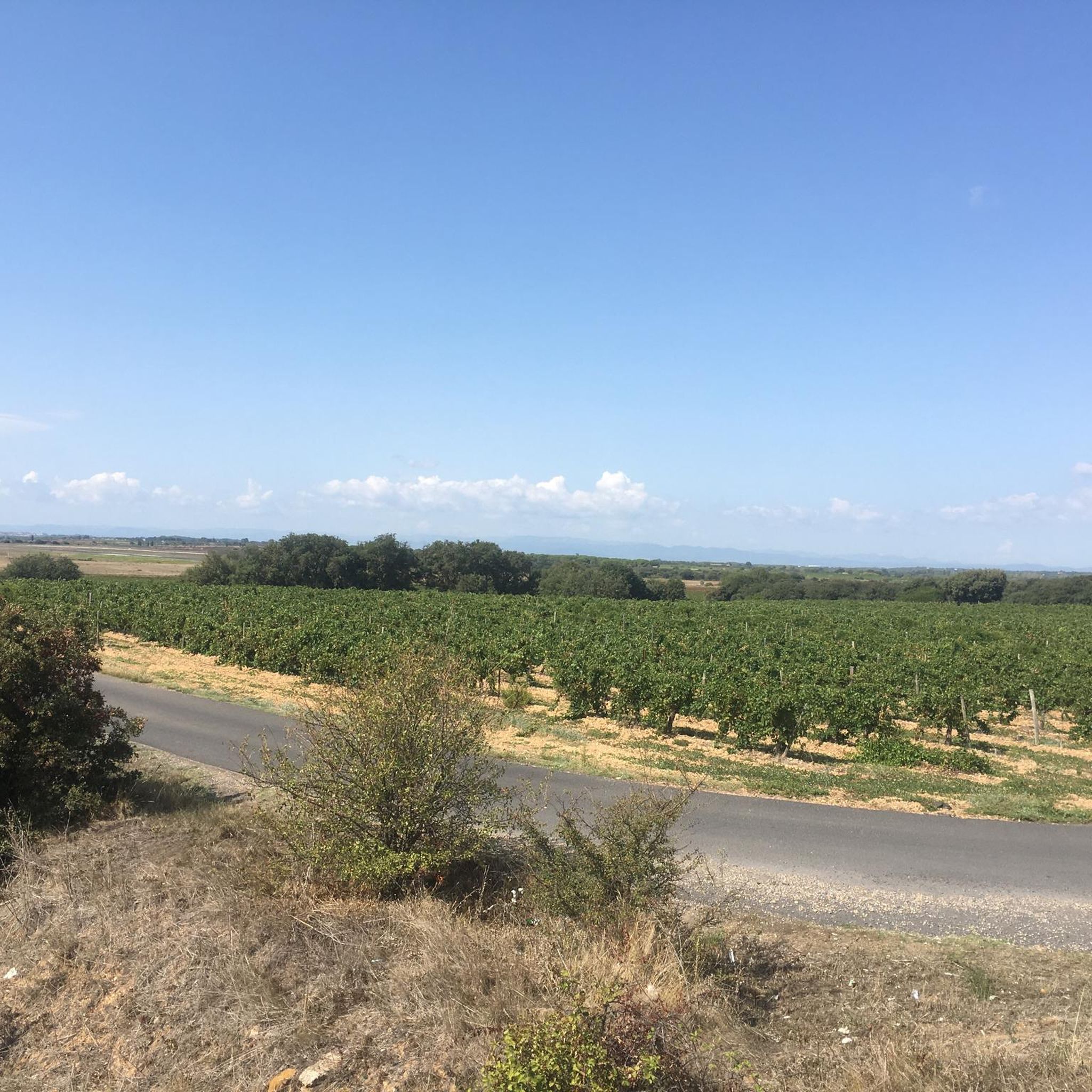
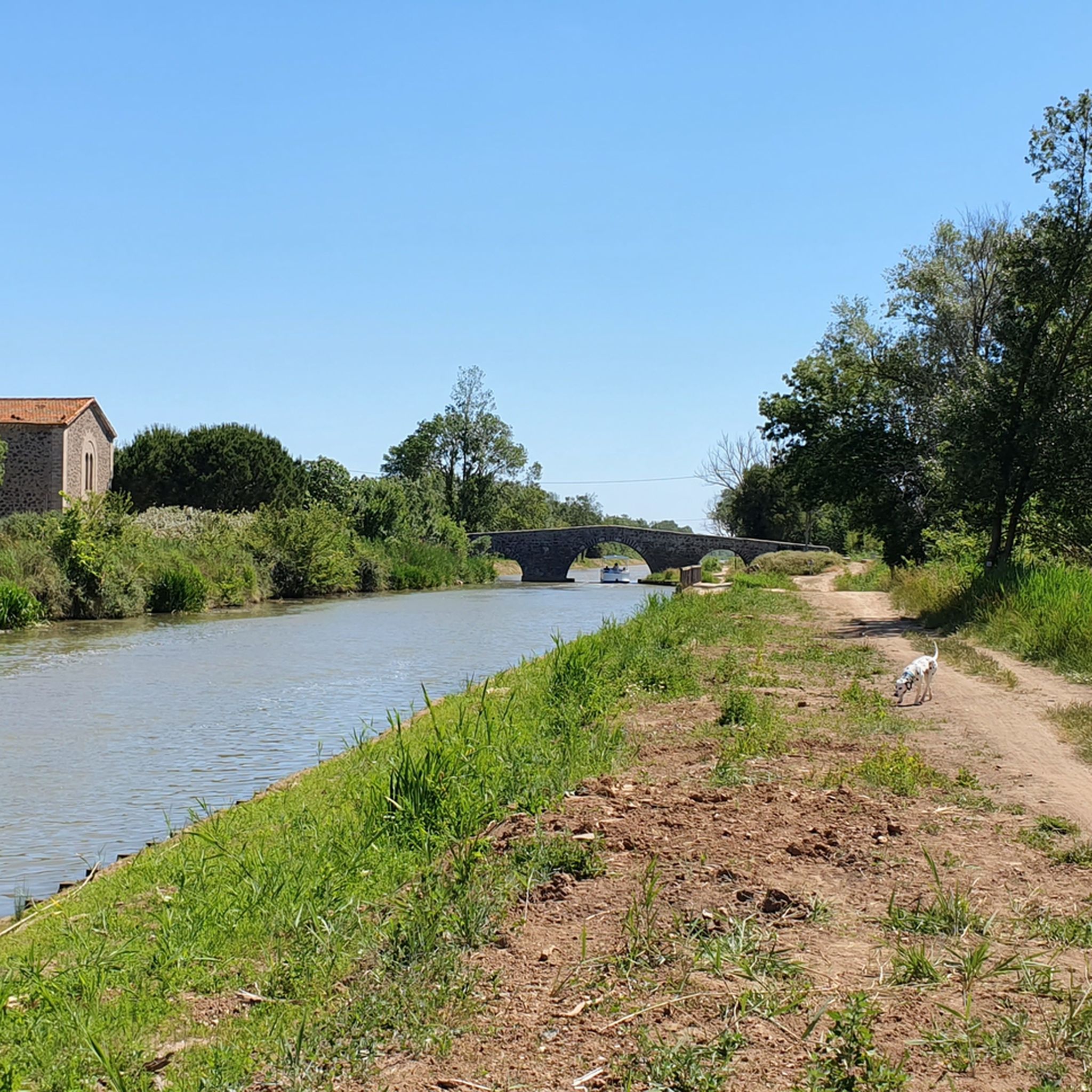
- The most popular attractions is Canal du Midi, a historical canal that connects Toulouse to Sète. It is lined with plane trees and towpaths, offering opportunities for walking, cycling, or sailing.
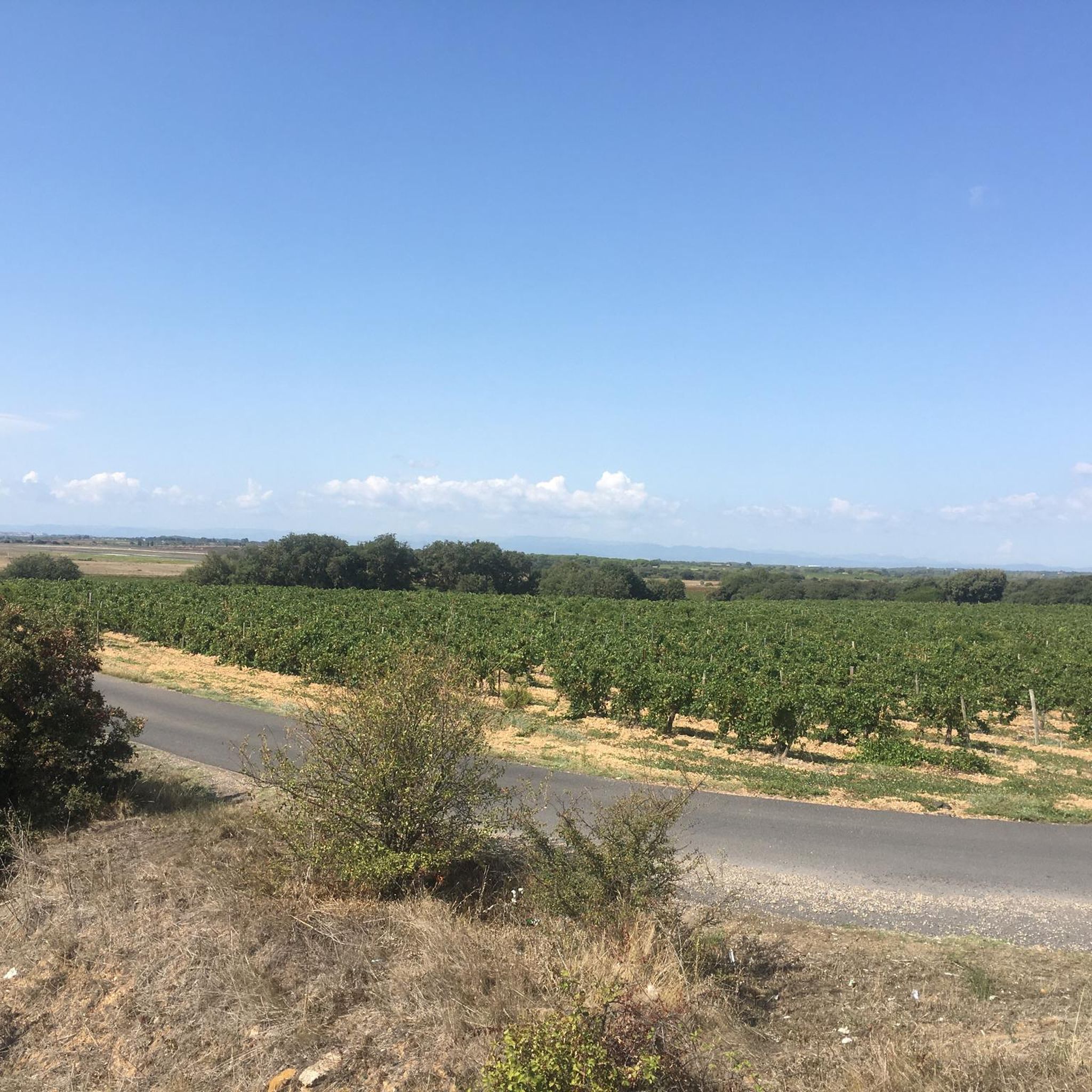
- Another must-see spot is Beautiful bike path on the Canal du Midi, a scenic route along the canal. The path, often the former towpath, provides shade from large plane trees, making it suitable for cycling.
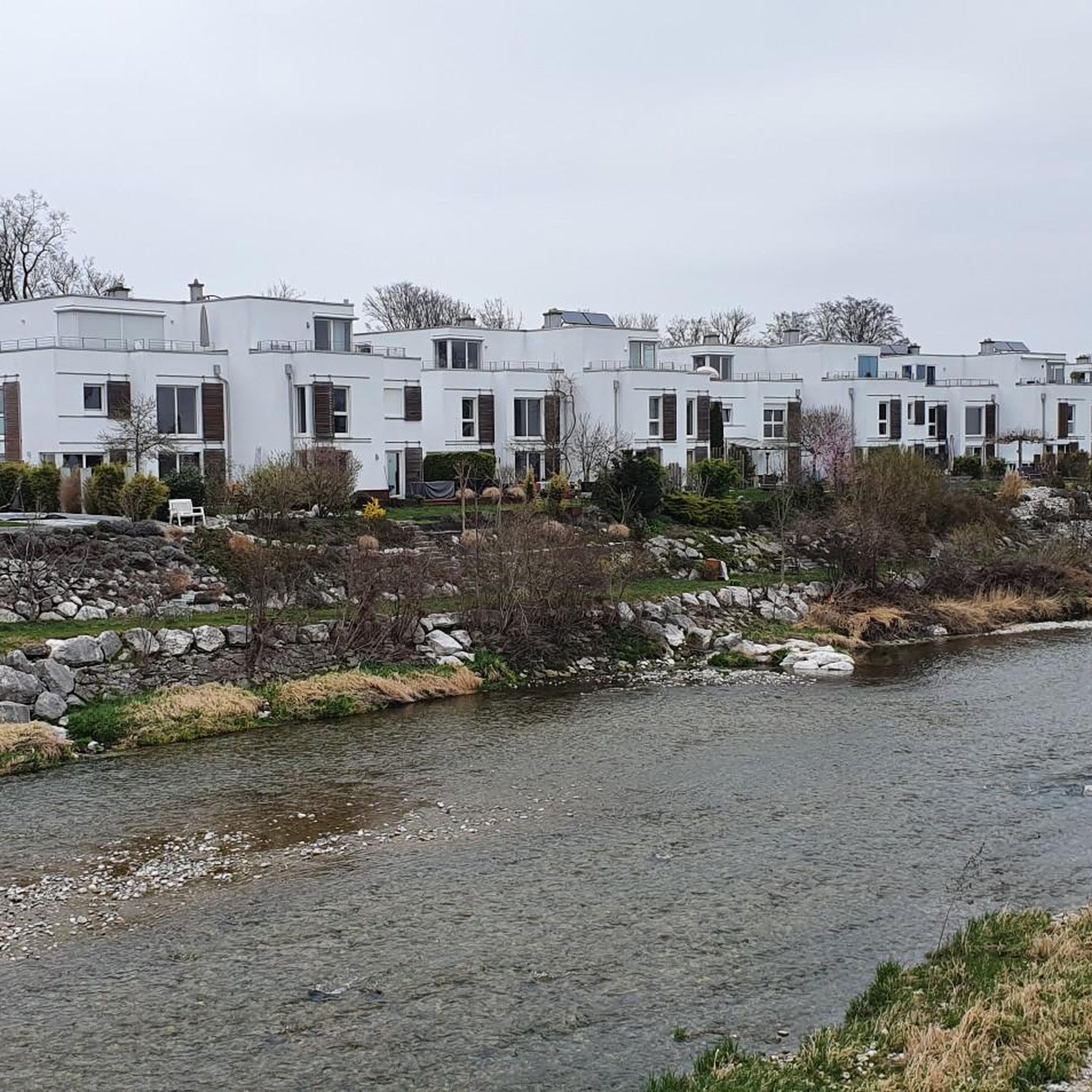
- Visitors also love Orb Canal Bridge (Pont-canal de l'Orb), a trough bridge carrying the Canal du Midi across the River Orb. This man-made monument offers views of Béziers and the surrounding area.
- Montblanc is known for its medieval architecture, historical sites, and natural landscapes. The region offers a variety of attractions to see and explore, from ancient walls and churches to scenic river paths and mountain trails.
- The attractions around Montblanc are appreciated by the komoot community, with more than 750 upvotes and 37 photos shared across the highlights.
Last updated: October 23, 2026
Canal du Midi
Highlight • River
The canal passes through many beautiful landscapes including vineyards, sunflower fields and forests. It is lined with plane trees and towpaths that offer visitors the opportunity to walk, cycle or sail on the water.
The Canal du Midi is also known for its locks, bridges and tunnels. It has about 60 locks, each allowing to cross a level difference between two sections of the canal. Bridges are also a notable feature of the canal, with the famous Pont-Canal de Cesse, which crosses the River Cesse, and the Pont-Canal d'Orb, which crosses the River Orb.
The canal has become a popular tourist destination, with many cruise ships offering trips along its banks. The towns and villages along the canal also offer many tourist attractions, including museums, churches and local markets.
The Canal du Midi has been a UNESCO World Heritage Site since 1996 and is a must-see destination for anyone visiting the Toulouse region and the south of France.
Translated by Google •
Tip by

Beautiful bike path on the Canal du Midi
Highlight • Other
Translated by Google •
Tip by

Sign up now to discover places like this
Get recommendations on the best single tracks, peaks, & plenty of other exciting outdoor places.
Portiragnes lock
Highlight • Structure
Showing Translation
Tip by

Orb Canal Bridge (Pont-canal de l'Orb)
Highlight • Bridge
Translated by Google •
Tip by

Canal du Midi
Highlight • Cycleway
Translated by Google •
Tip by

Sign up for free to discover even more attractions around Montblanc.
Already have an account?
Start today with a free account
Your next adventure awaits.

Tips from the Community

The Canal du Midi was built between 1667 and 1681 and stretches for around 240 kilometers from Toulouse to the Étang de Thau. Since 1996, it has been a UNESCO World Heritage site. Over 340 years of history – and yet, it is sometimes the very simple moments by the water that remain the most memorable. 👌🏼 Greetings Marcus ✌🏼
2
0
🌅 Evening mood on the Canal du Midi When the sun slowly sets and its light reflects on the water of the Canal du Midi, the canal shows itself from a completely different side. Between the dark rows of trees, the calm water, and the low-lying sun, precisely that typical southern French atmosphere is created, for which you don't really need a grand viewpoint. 🇫🇷☀️ Greetings Marcus
2
0

The Canal du Midi, built in the 17th century under the direction of Pierre-Paul Riquet, connects the Garonne river network to the Mediterranean. It joins the Hérault river a little further on, near Agde, then continues to the Étang de Thau via the Canal des Onglous. This waterway, a UNESCO World Heritage site, bears witness to the ambitious project conceived in the 17th century to link the Atlantic to the Mediterranean.
2
0

The Canal du Midi, formerly Canal Royal, is a 17th-century technical feat designed by Pierre-Paul Riquet to connect the Atlantic to the Mediterranean. Today, it is above all a place for relaxation and discovery, where heritage, nature, and conviviality meet.
0
0
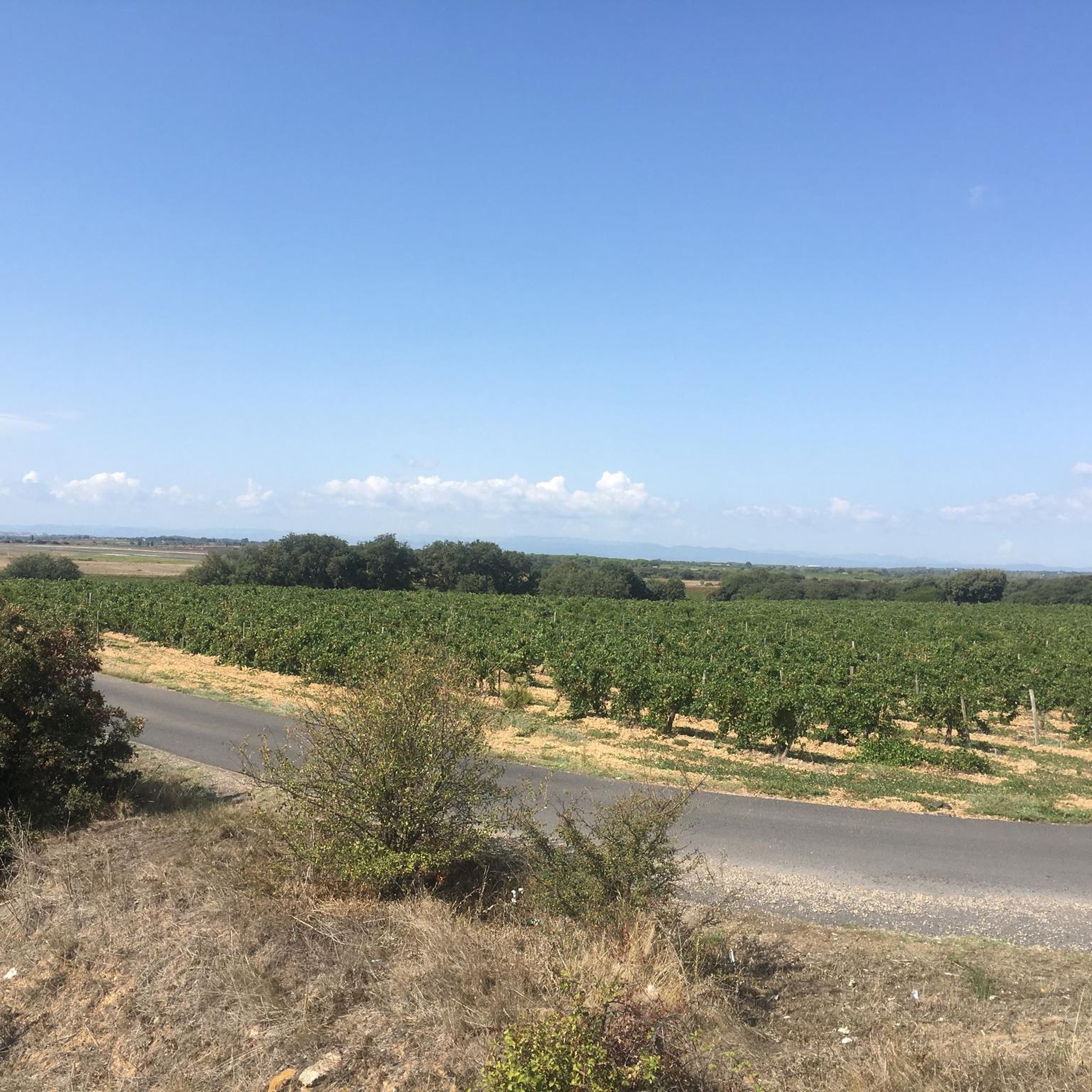
At the Portiragnes lock, you enter a section almost at sea level, where the canal crosses former salt marshes and wind-swept wetlands. Built at the end of the 17th century, this single lock is notable not only for its shape but also for the landscape it heralds: that of the Aude and Hérault coastline.
2
0

Hello. I am planning a trip with my 11 year old son. They have told me that there are sections without trees because they have had to cut them down because they are sick. Do you know which parts we have to avoid because of the trees that are cut down? thank you
0
1

Imposing bridge structure. More information: https://de.wikipedia.org/wiki/Kanalbr%C3%BCcke_B%C3%A9ziers?wprov=sfla1
4
1

The Canal du Midi is a navigable canal that connects the city of Toulouse to the city of Sète, on the Mediterranean. It was built between 1666 and 1681 by the engineer Pierre-Paul Riquet to facilitate the transport of goods between the two cities. The canal passes through many beautiful landscapes including vineyards, sunflower fields and forests. It is lined with plane trees and towpaths that offer visitors the opportunity to walk, cycle or sail on the water. The Canal du Midi is also known for its locks, bridges and tunnels. It has about 60 locks, each allowing to cross a level difference between two sections of the canal. Bridges are also a notable feature of the canal, with the famous Pont-Canal de Cesse, which crosses the River Cesse, and the Pont-Canal d'Orb, which crosses the River Orb. The canal has become a popular tourist destination, with many cruise ships offering trips along its banks. The towns and villages along the canal also offer many tourist attractions, including museums, churches and local markets. The Canal du Midi has been a UNESCO World Heritage Site since 1996 and is a must-see destination for anyone visiting the Toulouse region and the south of France.
6
0
Frequently Asked Questions
What historical attractions can I explore in Montblanc?
Montblanc is renowned for its rich history. You can explore the impressive Medieval Wall of Montblanc, one of Catalonia's best-preserved 14th-century fortifications. Don't miss the magnificent Gothic Church of Santa Maria la Major, often called 'The Cathedral of the Mountain', and the 13th-century Convent of Sant Francesc. The Plaça Major, with its original Gothic buildings, also offers a glimpse into the town's past.
Are there any natural features or outdoor areas to visit near Montblanc?
Yes, Montblanc is nestled within the Prades Mountains, an area known for its picturesque landscapes, oak, pine, and chestnut forests. It's an ideal spot for nature enthusiasts. The Francolí River, which originates in the protected Paratge Natural de Poblet, also flows nearby, offering scenic views.
What cultural sites are available in Montblanc?
For cultural insights, visit the Museu-Arxiu de Montblanc, housed in the historic Casal dels Josa, which chronicles the region's history and culture. You can also find information about the nearby World Heritage-designated Cave Paintings in Rojals at the Prades Mountains Visitor Centre.
Can I walk along the medieval walls of Montblanc?
Absolutely! A significant portion of Montblanc's imposing 14th-century Medieval Wall, stretching over 1.5 kilometers with 31 towers, is accessible. You can walk along the wall and climb some towers for panoramic views of the Conca de Barberà region. The Saint Jordi Gate is particularly well-preserved.
What is the main square of Montblanc like?
The Plaça Major is the vibrant heart of Montblanc. It's surrounded by original Gothic buildings, including the Casa de la Vila (Town Hall) and Casa Desclergue, making it an excellent place to soak in the town's medieval atmosphere.
Are there any notable churches besides Santa Maria la Major?
Yes, Montblanc features several other historic churches. These include the Church of Sant Miquel with its Romanesque façade, the Gothic Church of Sant Marçal, and the simple yet charming Church of Santa Tecla. The Església de l'Hospital de Santa Magdalena is another Gothic church worth noting.
What kind of architecture can I expect to see in Montblanc?
Montblanc is a treasure trove of medieval architecture. You'll find numerous well-preserved Gothic civil buildings, such as the Castlà Palace, the Alenyà and Desclergue houses, and the Josa house. The town's overall charm comes from its cobblestone streets and historic structures.
Are there any specific viewpoints in Montblanc?
Climbing the towers of the Medieval Wall offers panoramic views of the Conca de Barberà region. Additionally, the Pla de Santa Bàrbara, a small mountain near the town, provides scenic vistas.
What events or festivals are held in Montblanc?
Montblanc is known for its vibrant events, including the Medieval Week of the Legend of Sant Jordi in April, which celebrates the town's medieval heritage. Another popular event is Brickània, the Lego Construction Festival, held in June.
Is Montblanc a good destination for families?
Yes, the Prades Mountains area, where Montblanc is located, is certified with the Family Tourism Destination seal, indicating its suitability for family visits. The town's medieval charm and various cultural sites can be engaging for all ages.
Where does the Francolí River originate?
The Francolí River originates in the protected area of Paratge Natural de Poblet, which is also notable for featuring Catalonia's only melojo oak forest.
Are there any unique architectural sights like modernist buildings?
Beyond its medieval heritage, Montblanc also boasts a modernist winery, designed by the architect Cèsar Martinell, offering a different architectural style to explore.
Most popular routes around Montblanc
Most popular attractions around Montblanc

Get inspired with the komoot mobile app


Explore more
Still not found the Highlight you’re looking for? See guides of the top attractions in other regions:
