Attractions and Places To See around Saint-Pargoire - Top 20
Best attractions and places to see around Saint-Pargoire include a blend of historical landmarks, cultural sites, and natural features within the Hérault department of Occitanie, France. The village itself is known for its "circulade" design and the historic Church of Saint-Pargoire, a notable example of southern Gothic rural architecture. The surrounding region offers diverse natural landscapes, including Natura 2000 sites, gorges, and lakes, providing a variety of outdoor experiences. Visitors can explore medieval villages, abbeys, and unique geological formations, making…
Last updated: July 6, 2026
The Fairy Stretcher
Highlight • Other
Human imagination has given rise to a legend: fairies used to …
Translated by Google •
Tip by

Ruins of the Saint-Antoine Hermitage
Highlight • Historical Site
Translated by Google •
Tip by

Sign up now to discover places like this
Get recommendations on the best single tracks, peaks, & plenty of other exciting outdoor places.
Sign up for free
Pézenas Historic Centre
Highlight • Historical Site
A lot has been reset, some still have to be done.
Translated by Google •
Tip by

Hôtel du Baron de Lacoste
Highlight • Other
Translated by Google •
Tip by
Magnificent chapel
Highlight • Other
Translated by Google •
Tip by

Sign up for free to discover even more attractions around Saint-Pargoire.
Sign up for free
Already have an account?
Start today with a free account
Your next adventure awaits.
Login or Signup

Tips from the Community

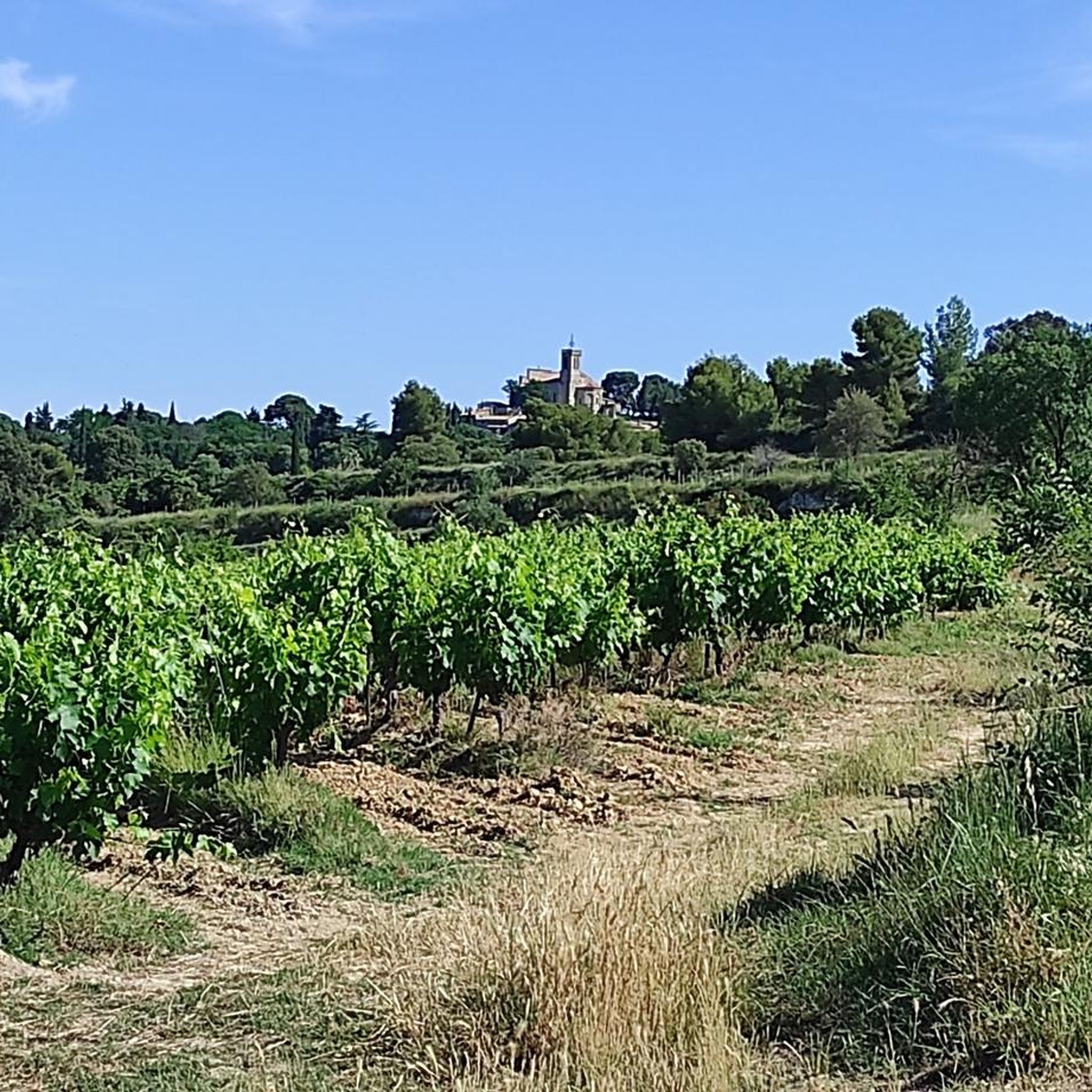
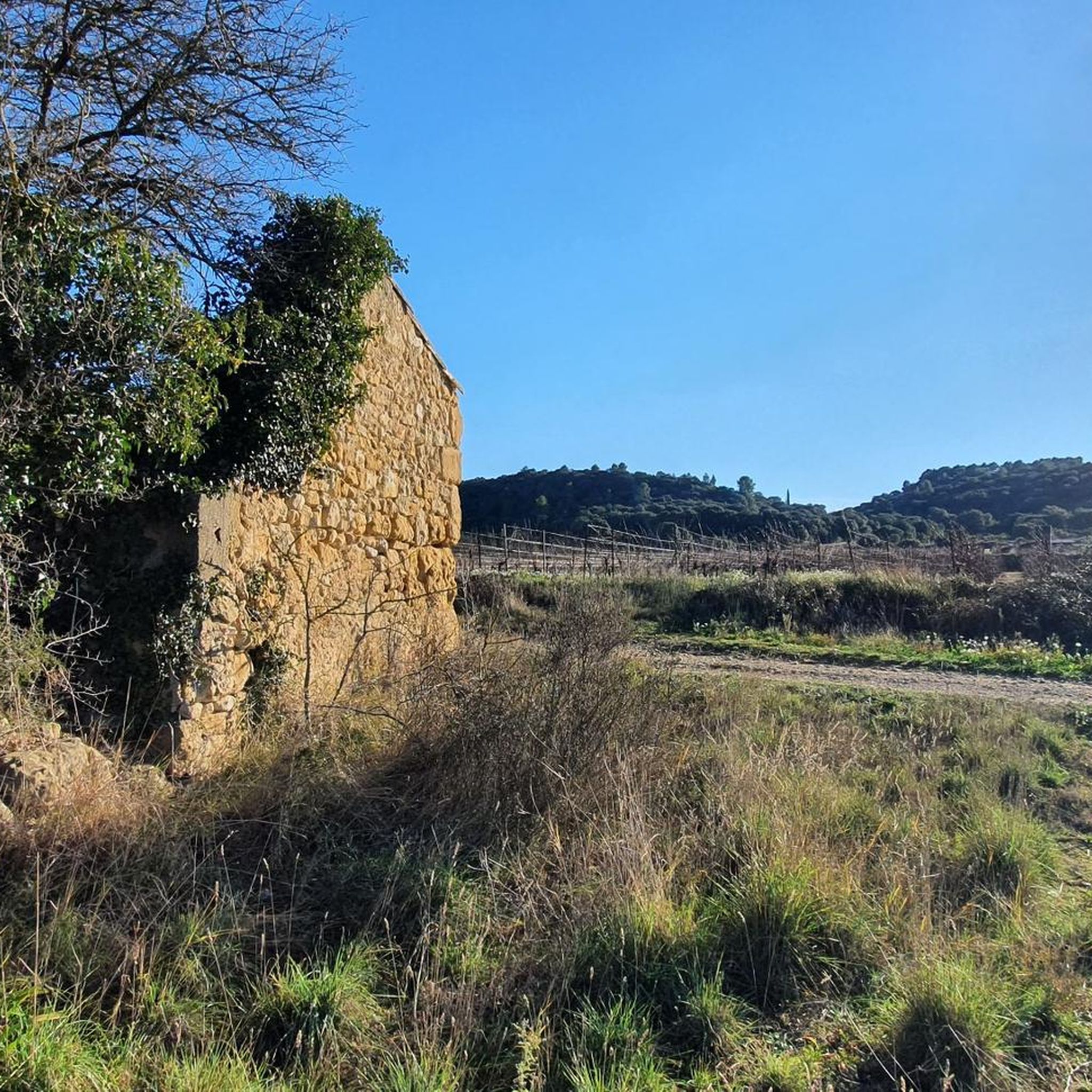
Perched on a promontory overlooking the Hérault valley, the Saint-Antoine hermitage seems out of time. Mentioned as early as the 17th century, this secluded place once welcomed hermits seeking isolation and spiritual life in the heart of the garrigue. Today in ruins, the chapel and its remains still tell of this austere life focused on contemplation and the surrounding landscapes.
0
0
A remarkable geological site, worthy of the fairy legend! It is actually a sandstone (clastic rock) with a carbonate cement and not a limestone. Differential erosion has shaped this landscape into natural basins.
1
0

A few hundred meters from the village of Castelnau-de-Guers, in the middle of a pine wood, the Saint-Nicolas-de-Talpusiac chapel was built on a hill at the foot of which passes the fishermen's path (cami peissonier) connecting the Étang de Thau to Pézenas. The chapel is mentioned in 1106 under the name "Ecclesiam S. Nicholay de Talpussiac". The name Talpussiac, translated as "Talpussiac's domain", suggests an ancient origin for the site. Archaeological surveys near the chapel led to the discovery in 1992 of the site of a rural settlement from late Antiquity. The current chapel, oblong in plan, and its south and west facades are pierced by a door. It was consecrated in 1819, but is now disused.
0
0
The Saint-Antoine hermitage, located in the commune of Castelnau-de-Guers, was built on a promontory overlooking the Hérault river floodplain. The riverbed is 500 m to the west. Access to the site is facilitated by the presence of two paths that meet at its summit.
0
0
The dinosaur egg-laying sites, the red lands, the white rocks, and the Étendoir des fées are among the most remarkable geological sites in the municipality. The Étendoir des fées is worth the detour as it is an original formation of limestone rocks, deposited at the beginning of the Tertiary era, during the folding of the Pyrenean-Provençal chain, on a continental plain episodically crossed by rivers.
0
0

Nice little town that really has its charm, I passed through quickly but it would be worth lingering!
1
0

A small, isolated chapel, it is ideally located for a short break in the shade of the pine trees.
0
0
A beautiful geological curiosity, this is the place where there are the most, but we can see others in the surroundings a little more hidden (or not).
0
0
Frequently Asked Questions
What historical and cultural sites can I explore in Saint-Pargoire and its surroundings?
In Saint-Pargoire, you can visit the impressive Church of Saint-Pargoire, a significant example of southern Gothic rural architecture dating back to the 9th century. The village itself is a 'circulade,' built in a circular pattern around the church. Nearby, explore the Pézenas Historic Centre, known for its architecture and connection to Molière, or the Hôtel du Baron de Lacoste within Pézenas. Other notable sites include Valmagne Sainte-Maria's Abbey, the medieval village of Saint-Guilhem-le-Désert, and the ancient mosaics in Loupian.
Are there any unique natural formations or viewpoints near Saint-Pargoire?
Yes, one unique natural formation is The Fairy Stretcher, a limestone formation approximately 50 million years old, offering a magnificent 180° panorama. You can also find scenic views along Route de la Taillade. For grander natural spectacles, consider visiting the Cirque de Moureze or the vast Cirque de Navacelles.
What outdoor activities are available around Saint-Pargoire?
The region offers diverse outdoor activities. You can find numerous hiking trails, including easy and moderate options like 'The Duke's Hole loop from Saint-Pargoire' or 'Saint-Pons-de-Mauchiens – The Duke's Hole loop.' For more details on hiking, visit the Hiking around Saint-Pargoire guide. Gravel biking is also popular, with routes like 'Pézenas – Aumes loop' available; explore these on the Gravel biking around Saint-Pargoire guide. Running enthusiasts can find trails such as 'Lavogne loop' or 'Trou du Duc loop' in the Running Trails around Saint-Pargoire guide. The Hérault Gorges offer canyoning opportunities, and Lac-du-Salagou provides various leisure activities including quad treks.
Are there family-friendly attractions or activities in the area?
Yes, the village of Saint-Pargoire has a city park with amenities for children. Many of the natural sites, such as The Fairy Stretcher, offer accessible paths suitable for families to enjoy the scenery. The nearby Lac-du-Salagou is also a popular spot for family leisure activities.
Where can I find historical ruins or religious sites?
You can visit the Ruins of the Saint-Antoine Hermitage, also known as Erimitage St. Antoine, which offers a glimpse into the region's past. The Church of Saint-Pargoire itself is a significant historical and religious landmark. Further afield, the Valmagne Sainte-Maria's Abbey and the medieval village of Saint-Guilhem-le-Désert, recognized on French pilgrim routes, are also worth exploring.
What is the best time of year to visit Saint-Pargoire for outdoor activities?
The region's diverse landscapes, including the Natura 2000 sites and gorges, are generally pleasant for outdoor activities during spring and autumn when temperatures are milder. Summer can be warm, especially for hiking, but areas like Lac-du-Salagou offer water-based activities. Always check local weather conditions before planning your visit.
Are there any specific natural reserves or protected areas nearby?
Yes, the commune of Saint-Pargoire is home to a remarkable natural heritage, including three Natura 2000 sites: the 'Montagne de la Moure et Causse d'Aumelas,' the 'Plaine de Villeveyrac-Montagnac,' and the 'Garrigues de la Moure et d'Aumelas.' These areas are important for their ecological, faunal, and floral interest.
What are some of the most popular hiking trails around Saint-Pargoire?
Some popular hiking trails include 'The Duke's Hole loop from Saint-Pargoire' (easy, 6.1 km) and 'Saint-Pons-de-Mauchiens – The Duke's Hole loop from Saint-Pons-de-Mauchiens' (moderate, 13.4 km). For a comprehensive list and details, refer to the Hiking around Saint-Pargoire guide.
Can I find places to eat or stay near Saint-Pargoire after an outdoor excursion?
While specific establishments are not detailed here, Saint-Pargoire itself hosts a market every Tuesday offering local products. The nearby town of Pézenas (11 km away) is known for its charm and would likely offer a range of cafes, pubs, and accommodation options. Exploring these nearby towns is recommended for dining and lodging.
What is the 'circulade' village design of Saint-Pargoire?
Saint-Pargoire is a 'circulade' village, which means its historical center is characterized by a circular or snail-shell pattern of streets and buildings, typically developed around a central point like the church. This architectural layout is a fascinating reflection of its medieval origins.
Are there any famous caves or gorges in the vicinity?
Yes, the Hérault Gorges are approximately 23 km from Saint-Pargoire and are known for canyoning, particularly in areas like the Devil's Canyon. Additionally, the famous Grotte de Clamouse and Grotte des Demoiselles, described as grandiose, are also accessible from the region.
What do visitors particularly enjoy about the attractions around Saint-Pargoire?
Visitors appreciate the blend of historical depth and natural beauty. For instance, The Fairy Stretcher is loved for its magnificent panorama and peaceful atmosphere. The Pézenas Historic Centre is praised for its unspoiled character and immersive historical atmosphere. The scenic Route de la Taillade is enjoyed for its quiet roads and beautiful views.
Most popular routes around Saint-Pargoire

Get inspired with the komoot mobile app


Explore more
Still not found the Highlight you’re looking for? See guides of the top attractions in other regions:
