Top 13 Castles around Pfalzburg
Best castles around Pfalzburg are found in the surrounding Bas-Rhin and Moselle departments, offering a glimpse into the region's rich history. This area, historically significant for its Franco-German borderlands, features a diverse landscape of fortified towns and natural rock formations. Visitors can explore a variety of historical sites, from medieval fortresses perched on strategic spurs to neoclassical palaces. The region provides numerous opportunities to discover historical architecture and panoramic views.
Best castles around Pfalzburg
- The most popular castle is Haut-Barr Castle, a castle ruin known for its strategic position and commanding views. It is often called "the Eye of Alsace" due to its panoramic vistas over the Zorn valley and the Plain of Alsace.
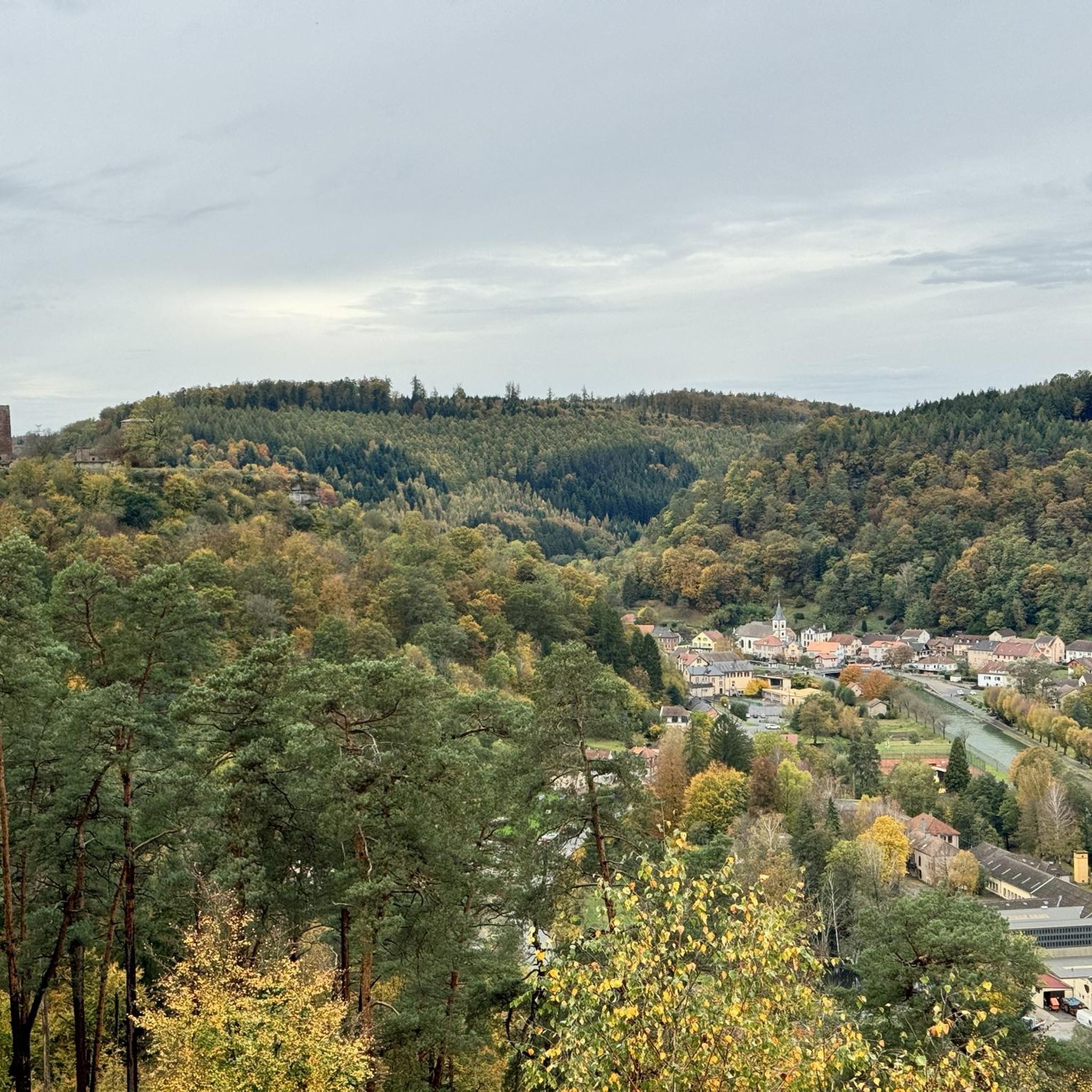
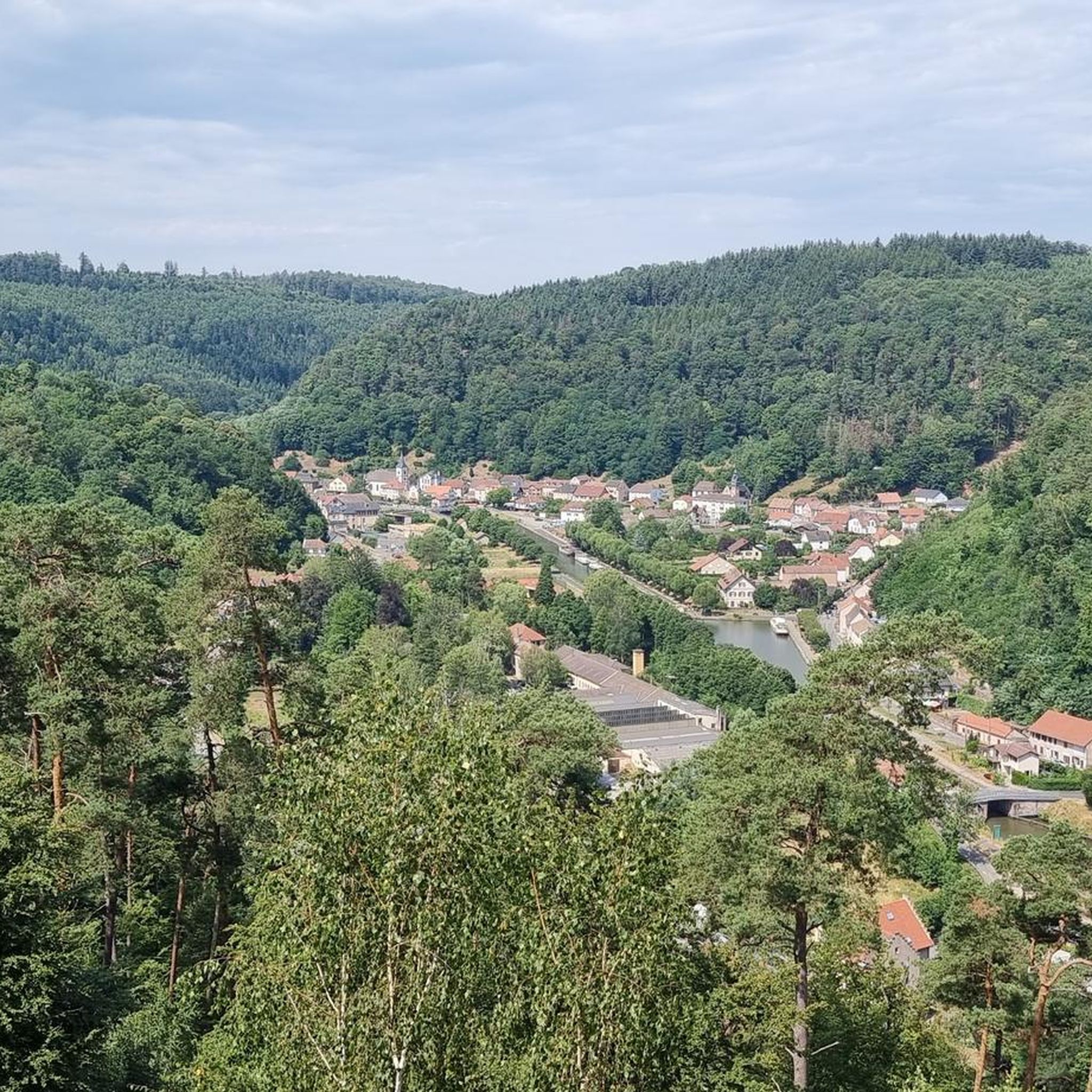
- Another must-see spot is Lutzelbourg Castle, a relatively well-preserved castle ruin overlooking the Zorn valley. It offers a great view into the valley and serves as a starting point for hiking tours.
- Visitors also love Château du Grand Géroldseck, a ruined medieval castle considered a typical Adelburg castle of the Staufer period. It features a strong curtain wall and a preserved keep, providing insights into medieval architecture.
- Pfalzburg is known for medieval rock castles, ruined fortresses, and neoclassical palaces. The region offers a variety of historical sites, from 12th-century ruins to 18th-century architectural marvels, showcasing different eras of construction and preservation.
- The castles around Pfalzburg are appreciated by the komoot community, with more than 580 upvotes and over 650 photos shared by visitors.
Last updated: June 24, 2026
Haut-Barr Castle
Highlight • Castle
Translated by Google •
Tip by

Château du Grand Géroldseck
Highlight • Castle
Translated by Google •
Tip by
Sign up now to discover places like this
Get recommendations on the best single tracks, peaks, & plenty of other exciting outdoor places.
Sign up for free
Petit Geroldseck Castle
Highlight • Castle
Translated by Google •
Tip by

Rohan Castle
Highlight • Castle
Translated by Google •
Tip by

Lutzelbourg Castle
Highlight • Castle
Translated by Google •
Tip by

Sign up for free to discover even more castles around Pfalzburg.
Sign up for free
Already have an account?
Start today with a free account
Your next adventure awaits.
Login or Signup

Other adventures around Pfalzburg

Tips from the Community

This small castle is nowhere near as impressive as its two neighboring castles. But the climb is still worth it.
0
0

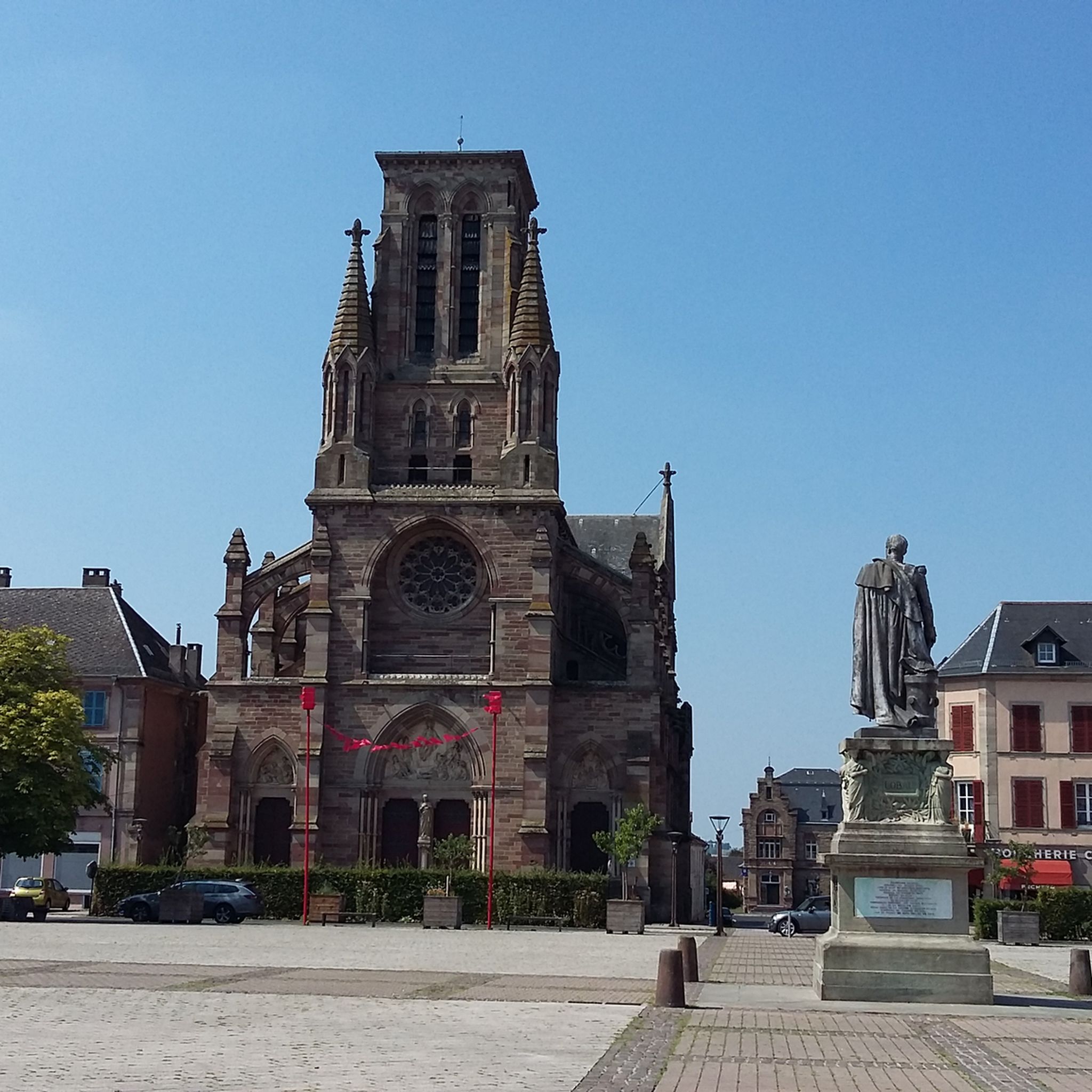
The Château des Rohan, formerly called "The Little Alsatian Versailles," is located in the city center of Saverne on the Rhine-Marne Canal. This former bishop's castle, built in the 13th century and restored in the 19th century on the initiative of Napoleon III, now houses a museum, a cultural center, a youth hostel, and a school. The neoclassical façade (park side), made of pink sandstone, is 140 meters long, which is the same horizontal height as Strasbourg Cathedral. The Château des Rohan Museum presents extensive Gallo-Roman and medieval archaeological collections. It consists of three departments: Art and History, Louise Weiss, and Archaeology. The Art and History department encompasses many areas: paintings, prints, and 15th- and 16th-century polychrome wood carvings from the churches of Saverne and the region, as well as a room dedicated to the history of the castle. Louise Weiss Department To honor her Alsatian ties (her family originally came from Petite-Pierre near Saverne), journalist Louise Weiss (1893-1983) donated her collections (ethnographic objects, paintings, drawings, 19th- and 20th-century decorative arts, and personal archives) to the Saverne Museum in 1981 and 1983. Archaeological Department In the vaulted cellars of the castle, the museum houses a rich archaeological collection, including numerous Gallo-Roman funerary and votive steles. Tours of the museum and access to the castle roof are available (upon request). Admission (museum + roof access): €5 (adults) and €4 (students)
0
0

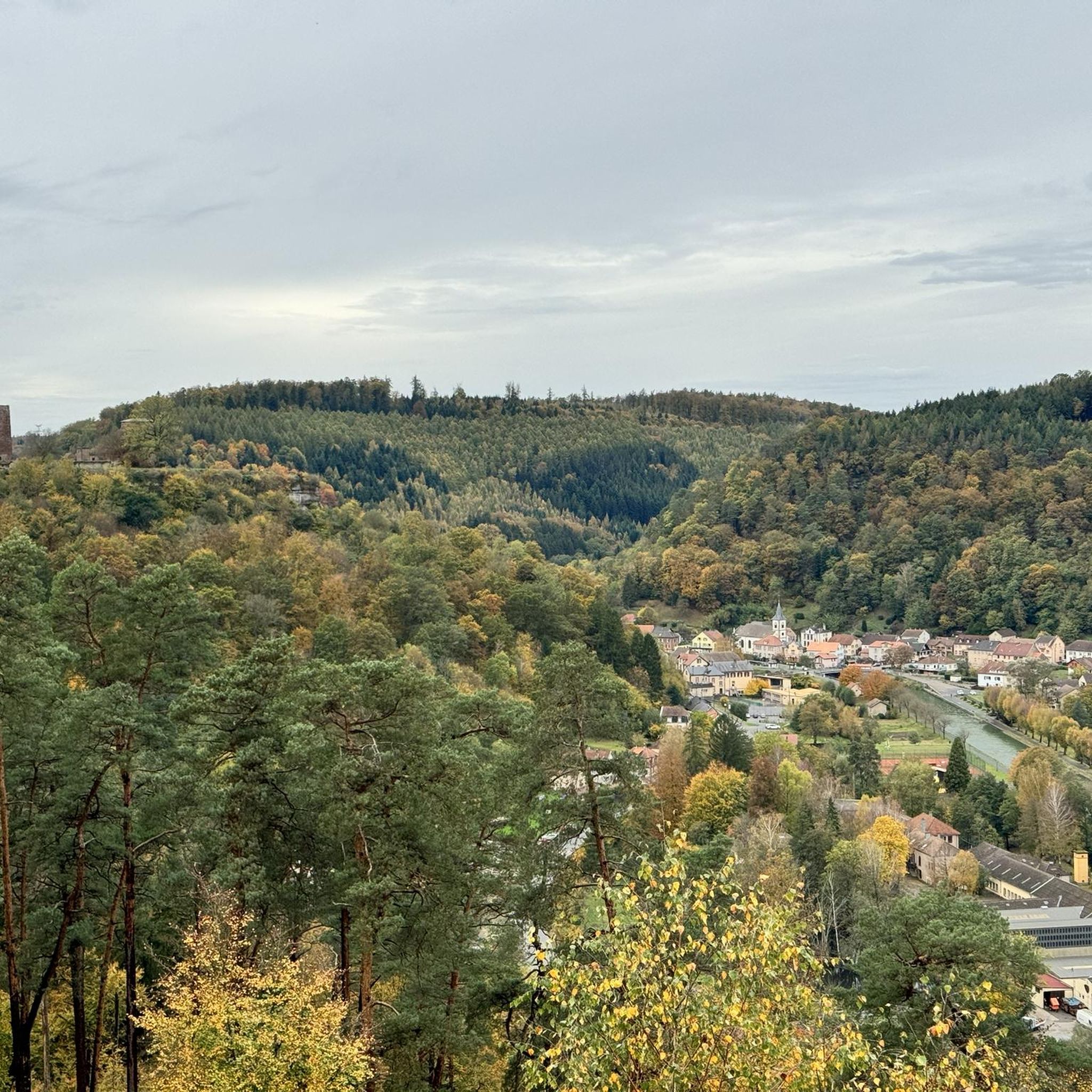
Elongated rock castle above the Zorn valley, southwest of Saverne. After a varied history, it has been state property for approx. 150 years. Varied structures from different eras in the inner courtyard. Great view over the Rhine valley and the northern Vosges.
3
0
A large neoclassical palace from the late 18th century, especially in relation to the relatively small town. Located at the lower end of the old town, it has a large park at the rear, facing the Rhine-Marne Canal. The palace now belongs to the city and houses two museums, a primary school, a youth hostel, and several theaters and event venues. The varied history of its use is interesting; details can be found online: https://de.m.wikipedia.org/wiki/Rohan-Schloss
5
0


Presumably, the small and large Geroldseck were once built together. Today, remnants of the ruins can still be seen, but they are still worth seeing.
0
0
Castle after castle after castle...This one has little view, is therefore less visited and therefore much quieter than various neighboring castles. Nice, rainproof bench
0
0

Beautiful view of the castle ruins and the Zorn Valley. The castle, dating from the 11th century, watches over the valley from its rocky promontory at an altitude of 322 meters.
1
0
Frequently Asked Questions
What types of castles can I expect to find around Pfalzburg?
The region around Pfalzburg offers a diverse range of historical sites. You'll find medieval rock castles, ruined fortresses, and even neoclassical palaces. Examples include 12th-century ruins like Haut-Barr Castle and Château du Grand Géroldseck, as well as the 18th-century Rohan Castle in Saverne.
Which castles offer the best panoramic views?
For breathtaking panoramic views, Haut-Barr Castle, often called 'the Eye of Alsace,' provides commanding vistas over the Zorn valley and the Plain of Alsace. On clear days, you might even see Strasbourg Cathedral. Lutzelbourg Castle also offers a great view into the Zorn valley.
Are there any fully restored castles or mainly ruins?
While many castles in the immediate vicinity of Pfalzburg are impressive ruins, such as Haut-Barr Castle and Lutzelbourg Castle, the wider region includes the fully restored Château du Haut-Koenigsbourg. This 12th-century castle was extensively rebuilt and offers a comprehensive immersion into the Middle Ages.
How much time should I allocate to visit the castles near Pfalzburg?
The time needed varies by castle. For ruins like Haut-Barr Castle or Lutzelbourg Castle, you might spend 1-2 hours exploring and enjoying the views. Larger, fully restored castles like Haut-Koenigsbourg could easily take half a day or more to fully experience, especially with museums and exhibitions.
Are the castles around Pfalzburg generally accessible for visitors?
Many of the castle ruins, such as Haut-Barr Castle, Château du Grand Géroldseck, and Petit Geroldseck Castle, are freely accessible. However, due to their historical nature and often rocky, elevated locations, some areas may involve stairs, uneven terrain, or narrow paths, which might limit accessibility for those with mobility challenges. Rohan Castle, being a neoclassical palace, offers better general accessibility.
Is there parking available at the castles?
Yes, for most major castles, parking is available nearby. For example, Haut-Barr Castle has parking, and Rohan Castle is located in the city center of Saverne with public parking options. It's always advisable to check specific castle websites for detailed parking information before your visit.
What is the best time of year to visit the castles?
The spring and autumn months (April-June and September-October) are generally ideal for visiting the castles. The weather is pleasant for exploring ruins and hiking, and the natural scenery is particularly beautiful. Summer can also be great, but expect more crowds. Winter visits are possible, but some paths might be slippery, and certain facilities could have reduced hours.
Are there hiking opportunities around the castles?
Absolutely! Many castles are excellent starting points or destinations for hikes. Lutzelbourg Castle, for instance, is noted as a good starting point for hiking tours. You can find various trails, including easy, moderate, and difficult options, in the area. Explore routes like those found in the MTB Trails around Pfalzburg, Running Trails around Pfalzburg, and Cycling around Pfalzburg guides.
Are the castles around Pfalzburg family-friendly?
Yes, many castles offer a great experience for families. Exploring the ruins of Haut-Barr Castle with its 'Devil's Bridge' or discovering the winding paths of Château du Grand Géroldseck can be an adventure for children. The fully restored Haut-Koenigsbourg also provides an engaging historical experience for all ages. Always check specific castle information for facilities like cafes or restrooms.
Can I bring my dog to the castle ruins?
Many outdoor castle ruins, especially those freely accessible and integrated into hiking trails, are generally dog-friendly, provided dogs are kept on a leash. For example, the ruins of Haut-Barr Castle and the Geroldseck castles are often visited with dogs. However, indoor sections, museums, or specific managed areas might have restrictions. It's best to verify with each specific site beforehand.
Are there cafes or restaurants near the castles?
Yes, some castles have amenities on-site or nearby. Haut-Barr Castle, for instance, has a cafe-restaurant within its walls. For other ruins like the Geroldseck castles, you might find gastronomy options at the nearby Haut-Barr Castle. Larger towns like Saverne, where Rohan Castle is located, offer a wider selection of dining choices.
What historical period do these castles represent?
The castles around Pfalzburg primarily represent the medieval period, with many dating back to the 12th and 13th centuries, such as Haut-Barr Castle and Château du Grand Géroldseck. These fortresses reflect the strategic importance of the Franco-German borderlands. Additionally, you'll find later architectural styles, like the 18th-century neoclassical Rohan Castle, showcasing different eras of the region's rich history.
Are there any less-known or 'hidden gem' castles worth exploring?
While the main highlights are popular for good reason, exploring the ruins of Petit Geroldseck Castle, often visited in conjunction with its larger neighbor, offers a quieter experience. These smaller ruins provide a glimpse into medieval architecture and history without the larger crowds, allowing for a more intimate exploration of the past.
Most popular routes around Pfalzburg
Most popular attractions around Pfalzburg

Get inspired with the komoot mobile app


Explore more
Looking for the best castles somewhere else? Discover other guides around Pfalzburg:
