The best road cycling routes around Sondersdorf
4.6
(67)
1,446
riders
88
rides
Road cycling around Sondersdorf, located in the Sundgau region of Alsace, France, offers diverse terrain for cyclists. The area features landscapes ranging from gently undulating sections in the Ill and Largue valleys to more athletic, hilly areas towards the Alsatian Jura massif. Sondersdorf itself sits at altitudes between 444m and 784m, providing immediate access to varied elevation profiles. The region is characterized by well-maintained routes and quiet secondary roads, making it suitable for different cycling preferences.
Best road cycling routes…
Last updated: October 27, 2026
4.7
(3)
36
riders
62.4km
03:18
1,050m
1,050m
Hard road ride. Very good fitness required. Mostly well-paved surfaces and easy to ride.
7
riders
25.9km
01:10
270m
260m
Easy road ride. Mostly well-paved surfaces and easy to ride.

24
riders
43.7km
01:52
270m
270m
Easy road ride. Mostly well-paved surfaces and easy to ride.
14
riders
62.0km
02:49
580m
580m
Moderate road ride. Good fitness required. Mostly well-paved surfaces and easy to ride.
5.0
(1)
10
riders
87.2km
03:47
720m
720m
Moderate road ride. Good fitness required. Mostly well-paved surfaces and easy to ride.
Get access to more routes and recommendations from other explorers.
Already have an account?
Our route recommendations are based on thousands of hikes, rides, and runs completed by other people on komoot.
Start today with a free account
Your next adventure awaits.

Tips from the Community

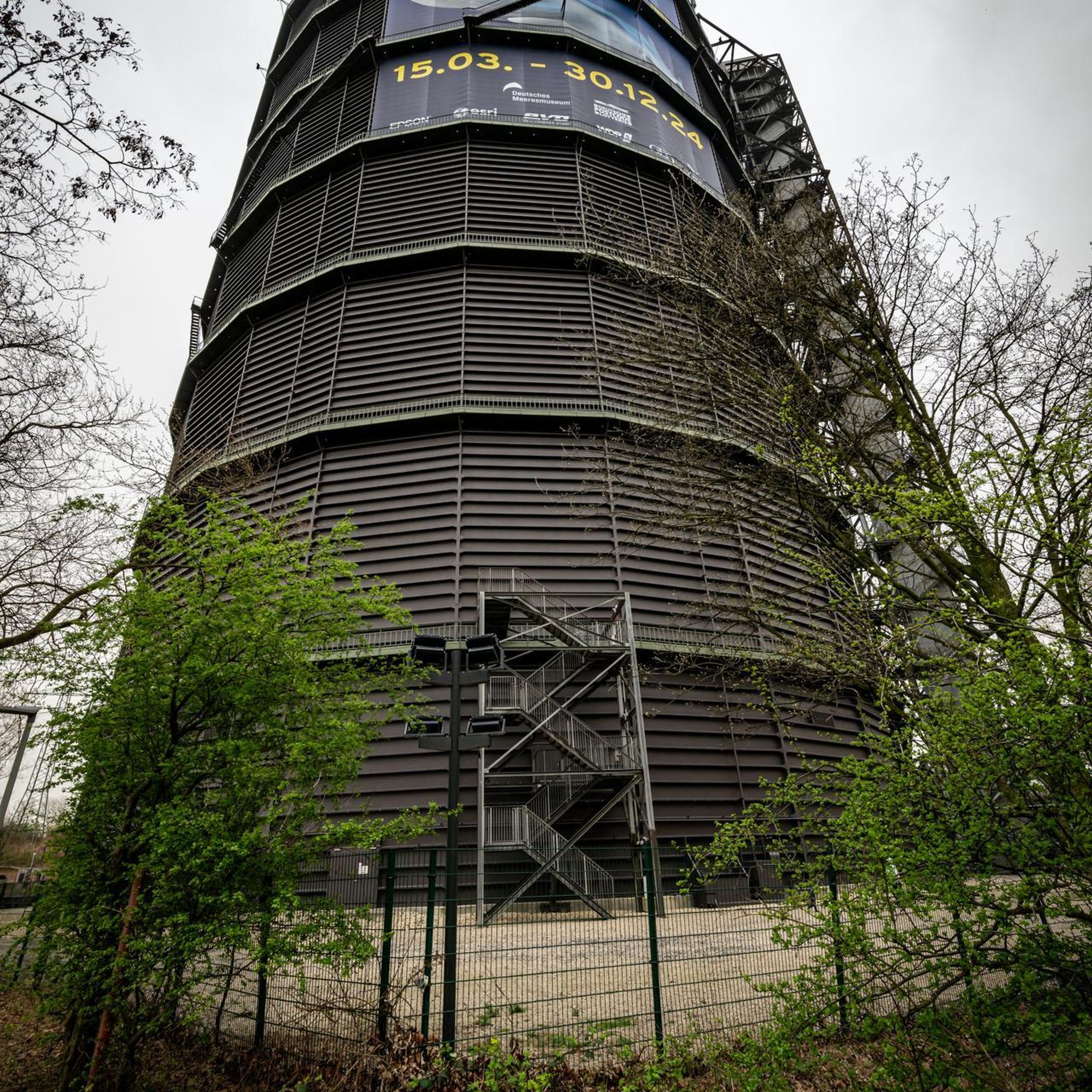
Altkirch Altkirch is the historic capital of the Sundgau and lies on a striking rocky spur above the valley of the Ill. The town's origins date back to the Middle Ages. The Counts of Ferrette built Altkirch into a fortified town; from 1215 onwards, it was protected by town walls and towers. The characteristic layout, narrow streets, and remnants of the fortifications have been preserved from this medieval town plan to this day. Particularly worth seeing is the Vieille Porte, a former town gate from around 1245. For centuries, Altkirch was an important administrative and commercial center of the Sundgau. After the destructions of the Thirty Years' War, numerous buildings were newly erected. The representative town hall dates from the 18th century, built in 1778 according to plans by the Swabian architect Jean Nissler. In the 19th century, the town continued to develop: alongside its traditional importance as a market and trading place, industrial enterprises emerged, including the well-known Gilardoni brickworks. The 20th century also left its mark. After the First World War, Altkirch became part of the re-Frenchified Alsace. The memory of this period is evident, among other things, at the Vieille Porte, where a Borne Vauthier commemorates the former front line of 1918. The original Altkirch war memorial from 1927 was destroyed during the German occupation in the Second World War; preserved parts were later integrated into a new memorial. Today, Altkirch, with around 6,000 inhabitants, is an important center of the Sundgau. The historic upper town with its old houses, remnants of fortifications, the town hall, and the Sundgau Museum continues to shape the townscape. Source: Ville d’Altkirch – History of the town
0
0

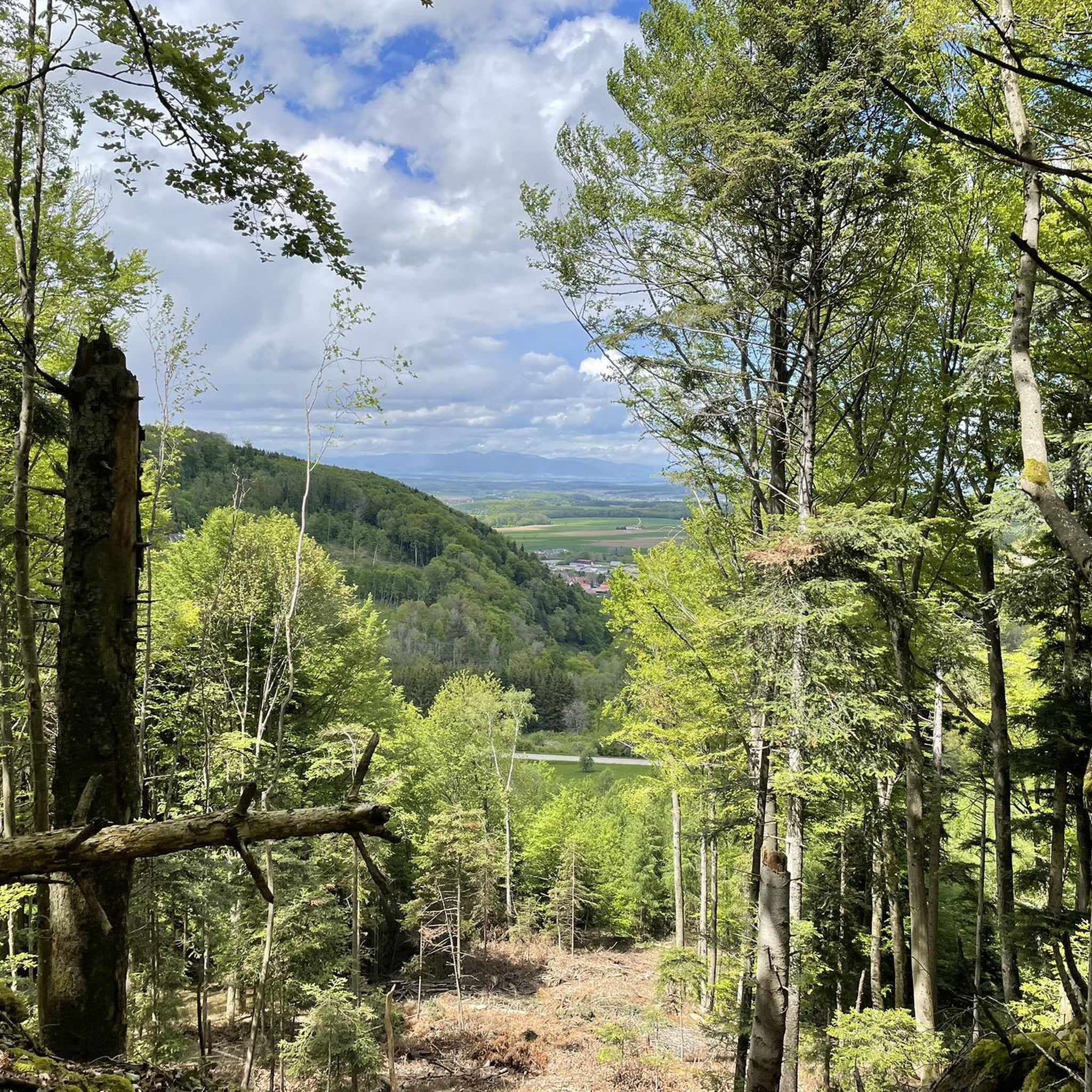
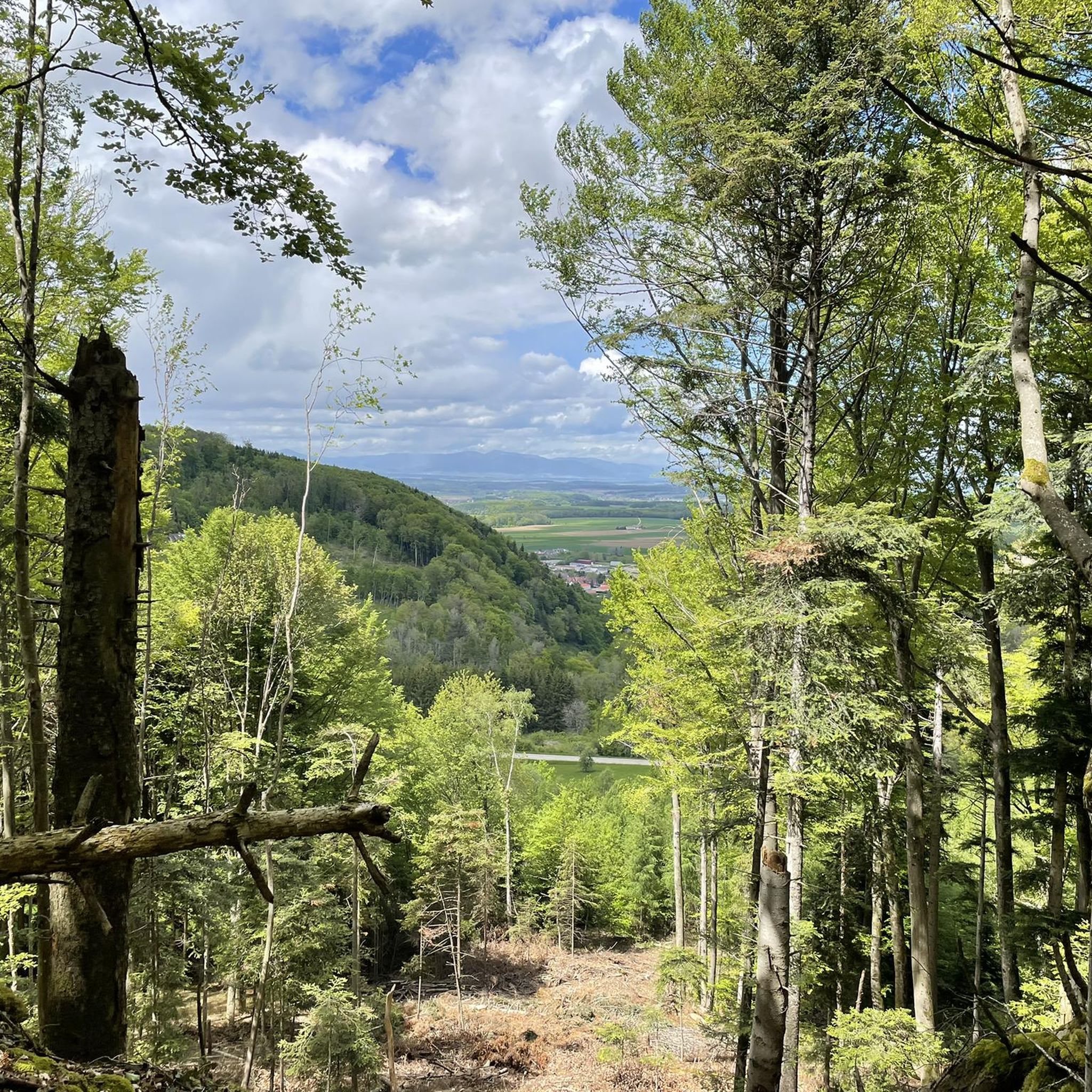
Magnificent place with a great view of the surrounding hills!
0
0

The former Altkirch-Waldighofen railway line has been converted into a cycle path in some sections, leading through fields and forests without disturbing car traffic. Highly recommended!
0
0
Directly on the cycle path between Bettendorf and Hirsingue stands a small chapel flanked by two bushes.
0
0

There are just so many magnificent well-kept Alsatian half-timbered houses along this route, take your time and enjoy the beauty of them. There are also several cafés and restaurants along the way
0
0
The road from Oltingue to Altkirch is lined with so many nice typical Alsatian half-timbered houses, giving one the feeling of what a typical village looked like 100 years ago. The street running through the villages here is in need of some surface repairs.
0
0

Idyllically situated at the end of the Lützeltal.
0
0

In 1913 and 1914, following the ideas of Johann Knauth, architect of Strasbourg Cathedral and curator of the M.H., the nave, the side chapel of the Sacré-Coeur, the Saint-Joseph Chapel in the basement, and the sacristy were rebuilt in the Gothic style by the architect Alexandre Louvat from Mulhouse. The old Gothic nave, remodeled in the 18th century, was decorated with murals dating from 1491. To the south of the choir was a small chapel dating from the 14th and 15th centuries, with cross-ribbed vaults on consoles. To the north were the remains of the old priory cloister. On the site of the present Sacred Heart Chapel was the 18th-century Mount of Olives, the rood screen of which was removed in 1861.
0
0
Frequently Asked Questions
What kind of terrain can I expect when road cycling around Sondersdorf?
The Sondersdorf area, nestled in the Sundgau region, offers a diverse range of terrain. You'll find gently undulating sections in the peaceful Ill and Largue valleys, as well as more athletic, hilly areas towards the Alsatian Jura massif. Routes can range from flat stretches along canals to significant climbs, catering to various fitness levels.
Are there challenging road cycling routes with significant elevation gain?
Yes, for experienced cyclists seeking a challenge, the region offers routes with substantial elevation gain. For example, The ascent of Ferrette — loop from Ferrette is a difficult 62.4 km route with over 1,000 meters of elevation gain, providing panoramic views of the Alsatian Jura.
Are there easy road cycling routes suitable for beginners or more relaxed rides?
Absolutely. The region also features easier routes perfect for a more relaxed pace. The Tour of Rossberg and the Ill Valley is an easy 25.9 km path that explores the peaceful Ill Valley with lush landscapes and charming villages. Another easy option is the Church of St. James the Greater – Altkirch loop from Ferrette, a 43.7 km trail through varied landscapes.
What natural features or landmarks can I see along the road cycling routes?
Road cycling routes around Sondersdorf offer views of the Alsatian Jura massif, the peaceful Ill and Largue valleys, and sometimes even the distant Vosges Mountains. You might also encounter the Rhone-Rhine Canal on some routes. Notable attractions include the Blochmont Pass and the medieval Ferrette Castle.
Are there any lakes or water features accessible by road bike?
Yes, several routes pass by beautiful lakes. You can find Lucelle Lake, Grand Étang de la Réselle, and Petit Étang de la Réselle in the vicinity, offering scenic spots along your ride.
When is the best time of year for road cycling in Sondersdorf?
The Sundgau region, where Sondersdorf is located, is generally pleasant for cycling from spring through autumn. The weather is typically mild, making it ideal for exploring the diverse landscapes. Summer offers longer daylight hours, while spring and autumn provide comfortable temperatures and beautiful scenery.
Are there many circular road cycling routes around Sondersdorf?
Yes, the region is well-suited for circular routes. The extensive network of cycling paths and quiet secondary roads allows for many loop options. The Bridge over the Ill in Fislis – Blochmont Pass loop from Bouxwiller is a moderate 88.2 km route, and the Hasenwinkel – View of Château de Ferrette loop from Ferrette offers a moderate 38.8 km ride.
What do other road cyclists enjoy the most about road cycling in Sondersdorf?
The area is highly rated by the komoot community, with an average score of 4.5 stars from over 60 reviews. Cyclists often praise the varied terrain, from peaceful valleys to challenging climbs, and the well-maintained routes that showcase the beautiful Alsatian Jura and Sundgau landscapes.
Are there options for family-friendly road cycling routes?
While many routes involve some elevation, the flatter sections along the Ill and Largue valleys or parts of the Rhone-Rhine Canal are generally suitable for families. Routes like the Tour of Rossberg and the Ill Valley offer a gentler experience, perfect for a family outing.
What are the parking options for road cyclists in Sondersdorf?
Sondersdorf and surrounding villages typically offer public parking spaces, often near town centers or trailheads. It's advisable to check local signage upon arrival for specific parking regulations and availability, especially in smaller villages.
How many road cycling routes are available in the Sondersdorf area?
There are over 90 road cycling routes available around Sondersdorf, offering a wide range of distances and difficulty levels to suit all preferences.
Can I combine road cycling with exploring local villages?
Absolutely. Many road cycling routes in the Sundgau region pass through picturesque villages with traditional half-timbered houses. This allows cyclists to experience the local culture and architecture while enjoying their ride.
Most popular routes around Sondersdorf
Most popular attractions around Sondersdorf

Get inspired with the komoot mobile app


Explore more
Browse the best Road cycling routes in other regions.
