The best cycling routes around Bourgogne
4.2
(362)
3,122
riders
205
rides
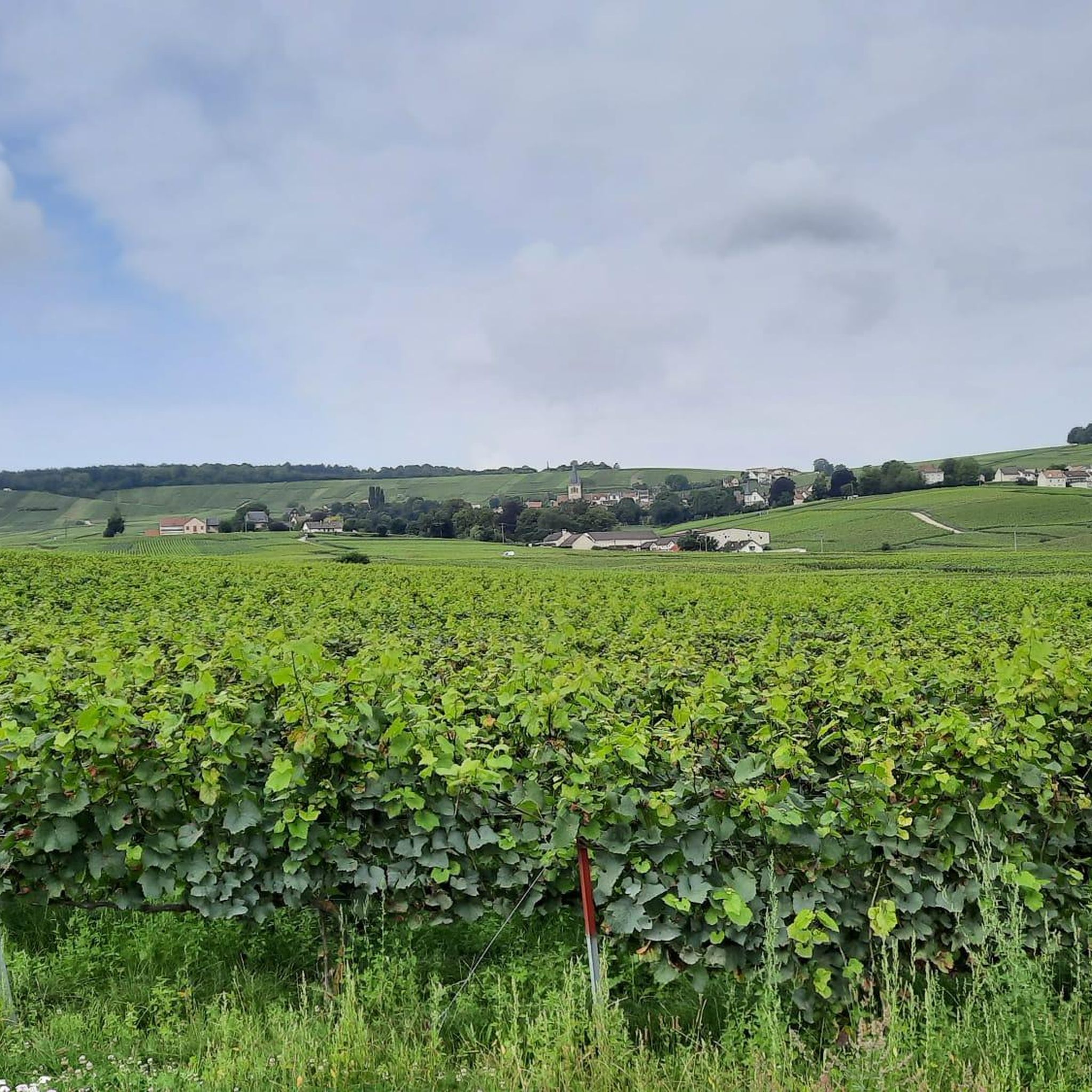
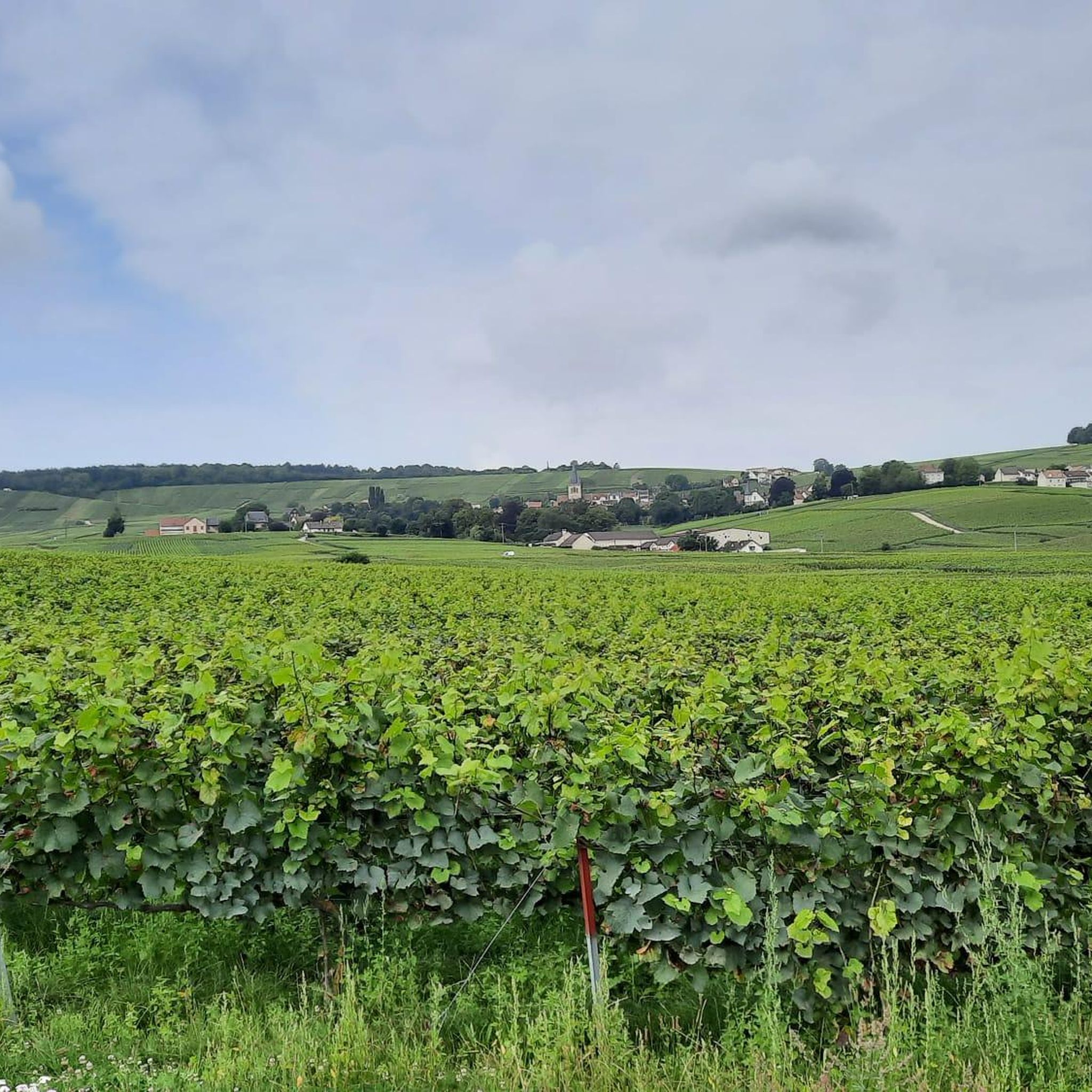
Touring cycling around Bourgogne offers diverse and picturesque landscapes, characterized by extensive vineyards, peaceful canals, and rolling hills. The region features over 800 kilometers of car-free cycle routes, inviting exploration through its varied terrain. Cyclists can navigate flat canal-side paths, undulating vineyard routes, and more challenging trails within the Morvan Mountains. This blend of natural features provides a range of experiences for different cycling preferences.
Best touring cycling routes around Bourgogne
- The most popular touring cycling route is Reims green…
Last updated: July 9, 2026
3.8
(6)
43
riders
Moderate bike ride. Good fitness required. Mostly paved surfaces. Suitable for all skill levels.
4.3
(3)
24
riders
Easy bike ride. Great for any fitness level. Mostly paved surfaces. Suitable for all skill levels.

Sign up for free
18
riders
Easy bike ride. Great for any fitness level. Mostly paved surfaces. Suitable for all skill levels.
4.4
(5)
10
riders
Moderate bike ride. Good fitness required. Mostly paved surfaces. Suitable for all skill levels.
12
riders
24.6km
02:04
250m
250m
Hard bike ride. Good fitness required. You may need to push your bike for some segments of this route.
Get access to more routes and recommendations from other explorers.
Sign up for free
Already have an account?
Our route recommendations are based on thousands of hikes, rides, and runs completed by other people on komoot.
Start today with a free account
Your next adventure awaits.
Login or Signup


Tips from the Community

While staying on the asphalt, you can cover more than 24 km. From the St. Brice Courcelles side, you can go up to La Neuvillette, then to Courcy, it's an unpaved road (passable but not for road bikes). After Courcy, there's asphalt up to Berry au Ferry (this allows you to discover the Sapigneul Owl, about 150 m on dirt road). On the other side, after Sillery, you can continue to Beaumont (asphalt). Then, on a dirt road passable by mountain bike, you can go to the Billy Arch, where the canal passes through a tunnel.
0
0

Beautiful cycle path along the water.
0
0

Villers-Franqueux was badly hit during the First World War. In 1915, the village was almost completely destroyed by artillery bombardments. Reconstruction only began after the war, during which the current village image largely emerged. The war memorial and the town hall are reminders of this dramatic period in the village's history. The town hall dates from the 1920s and has remained virtually unchanged in terms of architecture since then. It is a fine example of the reconstruction architecture of the interwar period, with a sober but elegant style that is typical of that period.
9
0
This monument honours the inhabitants of Villers-Franqueux who were killed or missing during the First World War. The village itself was badly affected by war violence and largely destroyed. The monument symbolises the local suffering and the resilience of the community.
8
0
The Moulin de Sapigneul refers to Lock 2 on the Canal de l'Aisne à la Marne, located near Berry-au-Bac in the Marne department. The lock is also known as Écluse n°2 du Moulin de Sapigneul and is operated by Voies Navigables de France (VNF). The lock has a chamber length of 38.50 metres, a chamber width of 5.05 metres and a maximum draught of 2.20 metres. Nearby attractions include the Forêt Dommainiale les Blanches Terres and the ruins of Entonnoir.
6
0
A green vein of peace and movement that stretches for 24 kilometres along the Aisne-Marne canal. Once an old towpath, now a lively promenade for walkers, cyclists and nature lovers. This green corridor winds through Reims, connecting city life with nature, passing historic sites such as the old bathhouses, Port Colbert and charming parks. An unexpected oasis in the heart of the Champagne capital, where history, sport and relaxation come together.
8
0

The Jewish communities in Europe, whose centuries-old tradition is often only visible to the public through commemorative plaques or monuments, were honored - especially in these difficult times for them with a rapidly growing, openly expressed anti-Semitism - by awarding the "International Charlemagne Prize of Aachen" to the President of the Conference of European Rabbis, Chief Rabbi Pinchas Goldschmidt, and the Jewish communities in Europe. "In recognition of his outstanding work for peace, the self-determination of peoples and European values, for tolerance, pluralism and understanding, and in recognition of his significant commitment to interreligious and intercultural dialogue, the Board of Directors of the Society for the Award of the International Charlemagne Prize of Aachen in 2024 honors the President of the Conference of European Rabbis, Chief Rabbi Pinchas Goldschmidt, and together with him the Jewish communities in Europe. With this award, the Charlemagne Prize Directorate wants to send a signal that Jewish life is a natural part of Europe and that there can be no place for anti-Semitism in Europe. Jewish life is an important part of European history and present - now and in the future. (...)" (May 2024)
1
0

There are a few houseboats on the bank, otherwise the canal is very quiet.
3
0
Frequently Asked Questions
How many touring cycling routes are available in Bourgogne?
Bourgogne offers a wide variety of touring cycling routes, with over 200 options available on komoot. These routes cater to different preferences, from leisurely rides along canals to more challenging ascents through vineyards and forests.
What types of landscapes can I expect to see while touring cycling in Bourgogne?
Bourgogne's touring cycling routes traverse diverse landscapes. You'll find extensive vineyards, particularly along the famous 'Voie des Vignes', peaceful canals like the Canal de Bourgogne and Nivernais Canal, and rolling hills. For more challenging terrain, the Morvan Mountains offer dramatic scenery with forests and lakes. Iconic natural features include the Roche de Solutré and the granite boulders of Rochers du Carnaval.
Are there easy touring cycling routes suitable for beginners or families in Bourgogne?
Yes, Bourgogne is well-suited for easy touring cycling, especially along its extensive network of canals and rivers. These paths, such as those along the Nivernais Canal or the 'Voie Bleue' along the Saône River, are largely flat and ideal for leisurely rides. For example, the Lock n°6 – End of the canal at berry-au-bac loop from Courcy - Brimont is an easy route with minimal elevation gain.
What is the best time of year to go touring cycling in Bourgogne?
The best time for touring cycling in Bourgogne is generally from spring to early autumn (April to October). During these months, the weather is pleasant, and the landscapes are vibrant, especially the vineyards in late summer and early autumn during harvest season. This period also allows for comfortable exploration of the region's outdoor attractions.
Are there any circular touring cycling routes in Bourgogne?
Yes, many touring cycling routes in Bourgogne are designed as loops, allowing you to start and finish in the same location. This is particularly common along the canal paths and vineyard routes. An example of a moderate circular route is the Reims green corridor – Canal de l'Aisne à la Marne loop from Loivre.
What are some notable attractions or landmarks I can visit along touring cycling routes in Bourgogne?
Bourgogne is rich in cultural and historical attractions. Along your rides, you can explore historic wine estates like Château du Clos de Vougeot, visit charming wine villages, or stop in cities like Beaune, home to the historic Hospices de Beaune. While cycling around the broader region, you might encounter landmarks such as the Place Royale (Reims) or the Mars Gate.
What is the difficulty level of touring cycling routes in Bourgogne?
Bourgogne offers routes for all skill levels. Approximately 90 routes are rated as easy, perfect for a relaxed ride. There are also about 95 moderate routes, which might include some undulating terrain or longer distances. For experienced cyclists seeking a challenge, there are around 33 difficult routes, often found in the hiller areas like the Morvan Mountains.
Can I find bike-friendly services or accommodation along the routes in Bourgogne?
Bourgogne is a very bike-friendly region, with many services catering to cyclists. Look for establishments displaying the 'Accueil Vélo' label, which indicates cyclist-friendly accommodation, restaurants, and repair shops. These services are particularly prevalent along popular routes like the 'Voie Verte' and canal paths.
What do other touring cyclists say about their experience in Bourgogne?
The touring cycling routes in Bourgogne are highly regarded by the komoot community, with an average rating of 4.2 stars from over 340 reviews. Reviewers often praise the region's well-maintained car-free paths, the stunning vineyard scenery, and the peaceful atmosphere along the canals.
Are there any touring cycling routes that offer scenic viewpoints in Bourgogne?
Absolutely. Many routes in Bourgogne provide breathtaking scenic viewpoints. The 'Voie des Vignes' offers continuous views of the famous vineyards, while the Roche de Solutré provides panoramic vistas of the surrounding landscape. Hilly routes in the Morvan Mountains also offer elevated perspectives of forests and lakes. For specific viewpoints, you can explore resources like Beaune Tourism's top scenic overlooks.
Are dogs allowed on touring cycling trails in Bourgogne?
Generally, dogs are welcome on many of Bourgogne's touring cycling trails, especially on the car-free 'Voie Verte' and canal paths, provided they are kept on a leash. However, it's always advisable to check specific local regulations or signage, particularly in nature reserves or private vineyard areas, to ensure a pleasant experience for everyone.
Can I combine touring cycling with wine tasting in Bourgogne?
Yes, combining touring cycling with wine tasting is a quintessential Bourgogne experience. The 'Voie des Vignes' route, for instance, passes through numerous renowned wine villages such as Pommard, Volnay, and Meursault, where many wineries offer tastings. You can easily plan stops at various estates to sample local wines and learn about the region's viticulture.
Most popular routes around Bourgogne
Most popular attractions around Bourgogne

Get inspired with the komoot mobile app


Explore more
Browse the best Cycling routes in other regions.
