The best walks and hikes around Bourgogne
4.4
(156)
1,369
hikers
108
hikes
Hiking around Bourgogne offers diverse landscapes characterized by gentle rolling hills, expansive vineyards, and tranquil canal paths. The region's terrain is generally accessible, with many routes featuring minimal elevation gain, making it suitable for various fitness levels. Hikers can explore a network of trails that wind through agricultural fields and historic villages. The area provides opportunities for leisurely walks and longer excursions across its varied countryside.
Best hiking trails around Bourgogne
- The most popular hiking route is Center – Bazancourt…
Last updated: May 8, 2026
3.0
(2)
6
hikers
6.58km
01:40
10m
10m
Easy hike. Great for any fitness level. Easily-accessible paths. Suitable for all skill levels.
9
hikers
8.67km
02:15
50m
50m
Moderate hike. Good fitness required. Easily-accessible paths. Suitable for all skill levels.

Sign up for free
5
hikers
13.2km
03:34
170m
170m
Moderate hike. Good fitness required. Easily-accessible paths. Suitable for all skill levels.
6
hikers
13.5km
03:27
50m
50m
Moderate hike. Good fitness required. Easily-accessible paths. Suitable for all skill levels.
4.5
(2)
10
hikers
14.5km
03:43
60m
60m
Moderate hike. Good fitness required. Easily-accessible paths. Suitable for all skill levels.
Get access to more routes and recommendations from other explorers.
Sign up for free
Already have an account?
Our route recommendations are based on thousands of hikes, rides, and runs completed by other people on komoot.
Start today with a free account
Your next adventure awaits.
Login or Signup


Tips from the Community

A magnificent architectural jewel nestled in the heart of this historic French city. This elegant opera house, with its rich history and vibrant programming, plays a vital role in the cultural life of Reims, captivating audiences with its splendid performances and significantly contributing to the city's artistic identity. The origins of the Opéra de Reims date back to the 19th century. Built in 1873, the original structure, designed in the neoclassical style, was a testament to the city's ambition and its thriving cultural scene. However, the devastation of the First World War severely damaged the building, leaving it in ruins. This setback, however, did not deter the city's commitment to the arts. The opera house was meticulously rebuilt in the 1930s, embracing the then-popular Art Deco style. Architects François Maille and Louis Sollier skillfully blended historical elements with the sleek lines and geometric shapes characteristic of the Art Deco movement, creating a unique and captivating architectural statement. The result is a building that seamlessly blends historical grandeur with modern aesthetics, a testament to the city's resilience and commitment to the arts. https://operadereims.com/
1
0

Unfortunately, performances are only irregular, so check the program in good time.
0
0
If so, you have to take the necessary time for this. See above for further information.
0
0

The opera, with its 750-seat Italian Hall, is a must-see on any tour of Reims' Art Deco heritage. Behind the preserved 19th-century facade, the architects completely restructured the interior in the spirit of the Théâtre des Champs-Élysées in Paris after the First World War: bas-reliefs, ironwork, chandeliers, paintings...
2
0
Under the central arch is a calendar depicting the activities and tasks of agriculture and viticulture: grape pressing, harvesting, etc. A calendar can be seen here through the carved reliefs. Under the eastern arch, we can see a she-wolf suckling Romulus and Remus. According to legend, it was Remus who founded Reims. Finally, under the western arch, we can see Leda being seduced by Jupiter.
1
0
This ancient monument is one of the longest in the Roman world: it is approximately 32 meters long and 12 meters high! The Mars Gate was built towards the end of the 2nd century and is the only one of the four monumental arches providing access to the city of Durocortorum that has survived. It consists of three arcades. The central arch carried the city's major north-south axis, intended for the passage of carriages. The two side arcades were used by pedestrians.
1
0

Place Drouet d'Erlon, with its two fountains, is a vibrant and integral part of the city's social and cultural fabric. It serves as a central meeting place for residents and visitors and offers a lively mix of shops, cafés, and restaurants.
2
0

In 1945, there was a proposal to replace Colbert's statue with a monument dedicated to the Martyrs of the Resistance, but this suggestion was ultimately rejected.
3
2
Frequently Asked Questions
How many hiking trails are available in Bourgogne?
Bourgogne offers a wide selection of hiking opportunities, with over 110 routes documented on komoot. These range from easy strolls through vineyards to more moderate excursions across rolling hills.
Are there easy hiking trails suitable for beginners in Bourgogne?
Yes, Bourgogne is very welcoming for beginners. Approximately 60 of the available routes are rated as easy. A great option for a gentle introduction is the Center – Bazancourt station loop from Bazancourt, an easy 4.2-mile (6.8 km) trail.
What is the best time of year to hike in Bourgogne?
The best time to hike in Bourgogne is typically from spring to autumn (April to October). During these months, the weather is generally pleasant, and the vineyards are either budding, lush, or showcasing their beautiful autumnal colors. Summer can be warm, so early mornings or late afternoons are ideal for longer hikes.
Are there family-friendly hiking options in Bourgogne?
Many of Bourgogne's trails are suitable for families, especially those with minimal elevation gain that wind through villages or along canal paths. Look for routes marked as 'easy' on komoot, which often provide gentle terrain for all ages.
Can I bring my dog on hiking trails in Bourgogne?
Generally, dogs are welcome on most hiking trails in Bourgogne, especially in rural areas and on public footpaths. However, it's always advisable to keep them on a leash, particularly when passing through agricultural land, near livestock, or in nature reserves. Always check local signage for specific restrictions.
Are there circular hiking routes in Bourgogne?
Yes, many of the hiking routes in Bourgogne are circular, allowing you to start and end at the same point. For example, the Conio loop from Witry-lès-Reims is a moderate 5.3-mile (8.6 km) circular path that offers scenic views of the countryside.
What kind of landscapes can I expect to see while hiking in Bourgogne?
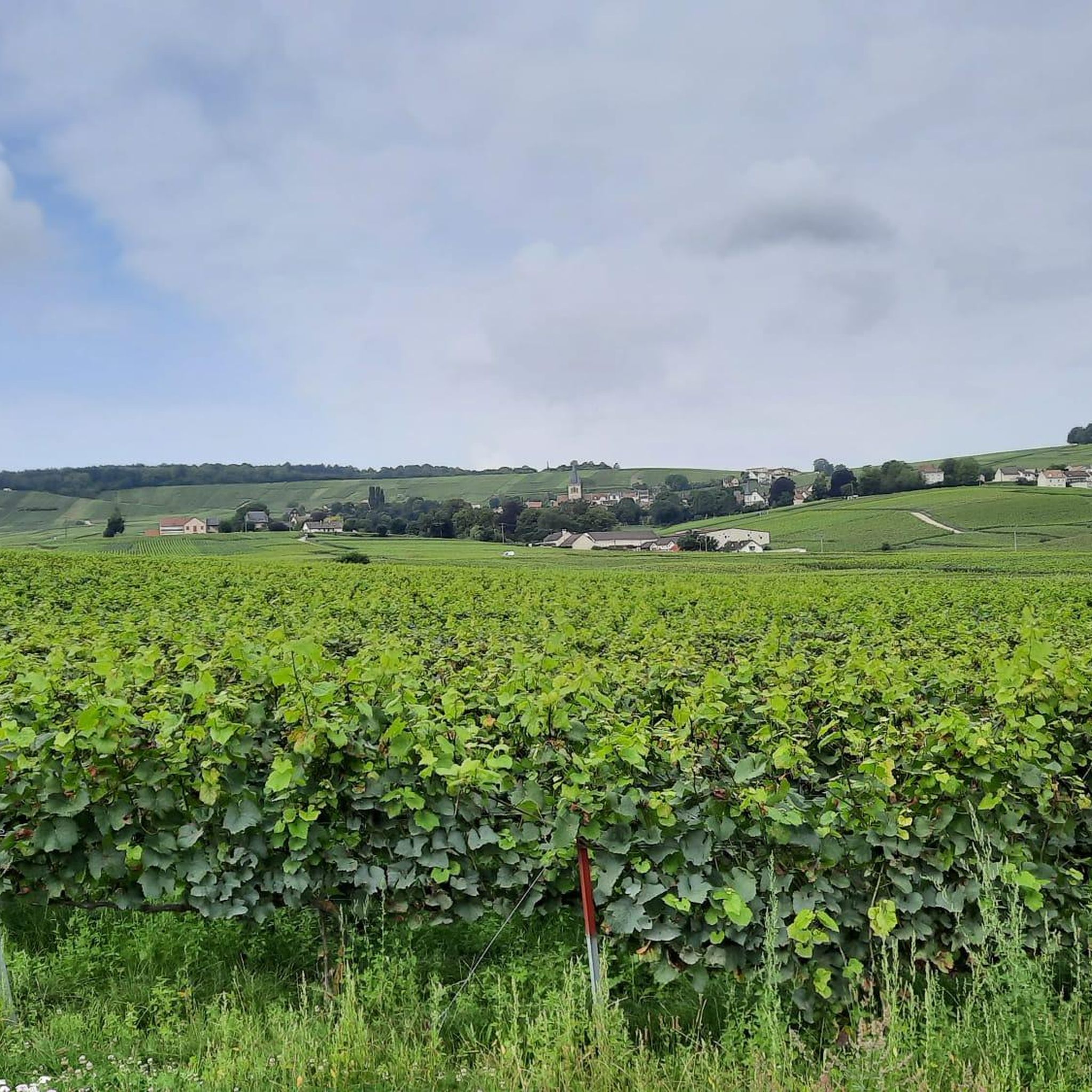
Bourgogne's hiking trails traverse diverse landscapes, including gentle rolling hills, expansive vineyards, tranquil canal paths, and historic villages. The region is known for its picturesque countryside, offering a mix of open fields and wooded areas.
What do other hikers enjoy most about the trails in Bourgogne?
The trails in Bourgogne are highly rated by the komoot community, with an average score of 4.4 stars from over 150 reviews. Hikers often praise the region's accessible terrain, beautiful vineyard views, and the opportunity for peaceful walks through charming French countryside.
Are there any interesting landmarks or attractions near the hiking trails?
Yes, Bourgogne is rich in history and culture. Near some hiking routes, you can explore significant landmarks such as Place Royale (Reims), the historic Reims Opera, or the ancient Mars Gate. Many trails also pass through charming villages with local churches and markets.
Are there any longer, more challenging hikes in Bourgogne?
While many trails are easy to moderate, Bourgogne does offer longer routes for those seeking more distance. For instance, the Saint-Remi Basilica, Reims – Place Royale (Reims) loop from Reims is a moderate 9-mile (14.5 km) hike that provides a good workout while exploring urban and suburban areas.
Is public transport available to access hiking trailheads in Bourgogne?
Access to trailheads by public transport varies across Bourgogne. Major towns and cities are well-connected by regional trains and buses, which can get you close to some starting points. For more remote trails, a car might be necessary. Always check local transport schedules in advance for specific routes.
What should I wear for autumn hiking in Bourgogne?
For autumn hiking in Bourgogne, it's best to dress in layers. Mornings can be cool, but temperatures often rise during the day. Waterproof and windproof outer layers are recommended, as well as comfortable, sturdy hiking shoes. A light hat and gloves can also be useful for cooler days.
Most popular routes around Bourgogne
Most popular attractions around Bourgogne

Get inspired with the komoot mobile app


Explore more
Browse the best Hikes in other regions.
