Attractions and Places To See around Venère - Top 10
Attractions and places to see around Venère, a commune in France's Burgundy-Franche-Comté region, offer diverse exploration opportunities. Located in the Haute-Saône department, Venère serves as a base for discovering historical sites, natural landscapes, and cultural experiences in the surrounding areas. The region features picturesque villages, significant cultural hubs, and UNESCO World Heritage sites. Visitors can explore a variety of attractions, from ancient abbeys to vineyards and historical town centers.
Best attractions and places to see around Venère
- The most popular…
Last updated: July 1, 2026
Historic Center of Marnay
Highlight • Historical Site
Very prosperous in the Middle Ages, due to its trade and its artisans. There …
Translated by Google •
Tip by

Acey Abbey
Highlight • Religious Site
Translated by Google •
Tip by

Sign up now to discover places like this
Get recommendations on the best single tracks, peaks, & plenty of other exciting outdoor places.
Sign up for free
Charcenne
Highlight • Other
Translated by Google •
Tip by
Notre-Dame du Calvaire Chapel
Highlight • Religious Site
Translated by Google •
Tip by

The Old Railway Line
Highlight (Segment) • Cycleway
Translated by Google •
Tip by

Sign up for free to discover even more attractions around Venère.
Sign up for free
Already have an account?
Start today with a free account
Your next adventure awaits.
Login or Signup


Tips from the Community


Characterful Comtoise town which was part of the Holy Roman Empire until the treaty of 1678. Very prosperous in the Middle Ages, due to its trade and its artisans. There has been a cloth hall there since the 14th century, after Jeanne de Bourgogne, countess of Franche-Comté and queen of King Philippe V the Long of France, brought weavers from Paris there. From June 14, 1354 and until the Revolution, the bourgeoisie of Marnay had a charter of emancipation which ensured them security and abundance - "anyone who has a house and keeps fire in the village will be bourgeois". This charter allowed residents to administer the city themselves and thus build ramparts and set up the individual gardens that can still be found there today.
0
0
Village which dates back to Gaulle (Gallic burials have been unearthed there) and of which we also find traces under the Gallo-Roman Empire. There we find the source of the Colombine and some beautiful buildings, including the cemetery chapel (listed as a Historic Monument) and the Notre-Dame de Leffond Chapel which dates from the 13th century. However, the village is best known for its vineyards. In the Middle Ages, the wines of Gy and Charcenne were already exported and we found them on the tables of nobles in the 16th century. The Guillaume family has been cultivating vines there since 1732 and has developed a highly specialized nursery business since 1895, recognized worldwide. The 43 hectares of vines therefore produce wine, awarded several times, but also serve as a support for the multiplication of vine plants. They therefore cultivate other grape varieties than those necessary for their production. And if you want to accompany your wine with a cheese, head to the Millet cheese dairy to taste a Charcennais or an Ortolan.
1
0

Cistercian abbey founded in 1136, it stands on the banks of the Ognon. The best preserved example of Cistercian architecture in Franche-Comté, it is still occupied by Cistercian-Trappist monks.
1
0

The Notre-Dame du Calvaire chapel dates from the 19th century and was built following a promise made by the parish priest, the Red priest. Erected in height, in a clearing, it is accessible by a stone path from the church of Gy and a porthole allows to distinguish the interior whose paintings have been recently restored, and where the blue color dominates what is without doubt to recall that of the mantle worn by the Virgin.
0
0

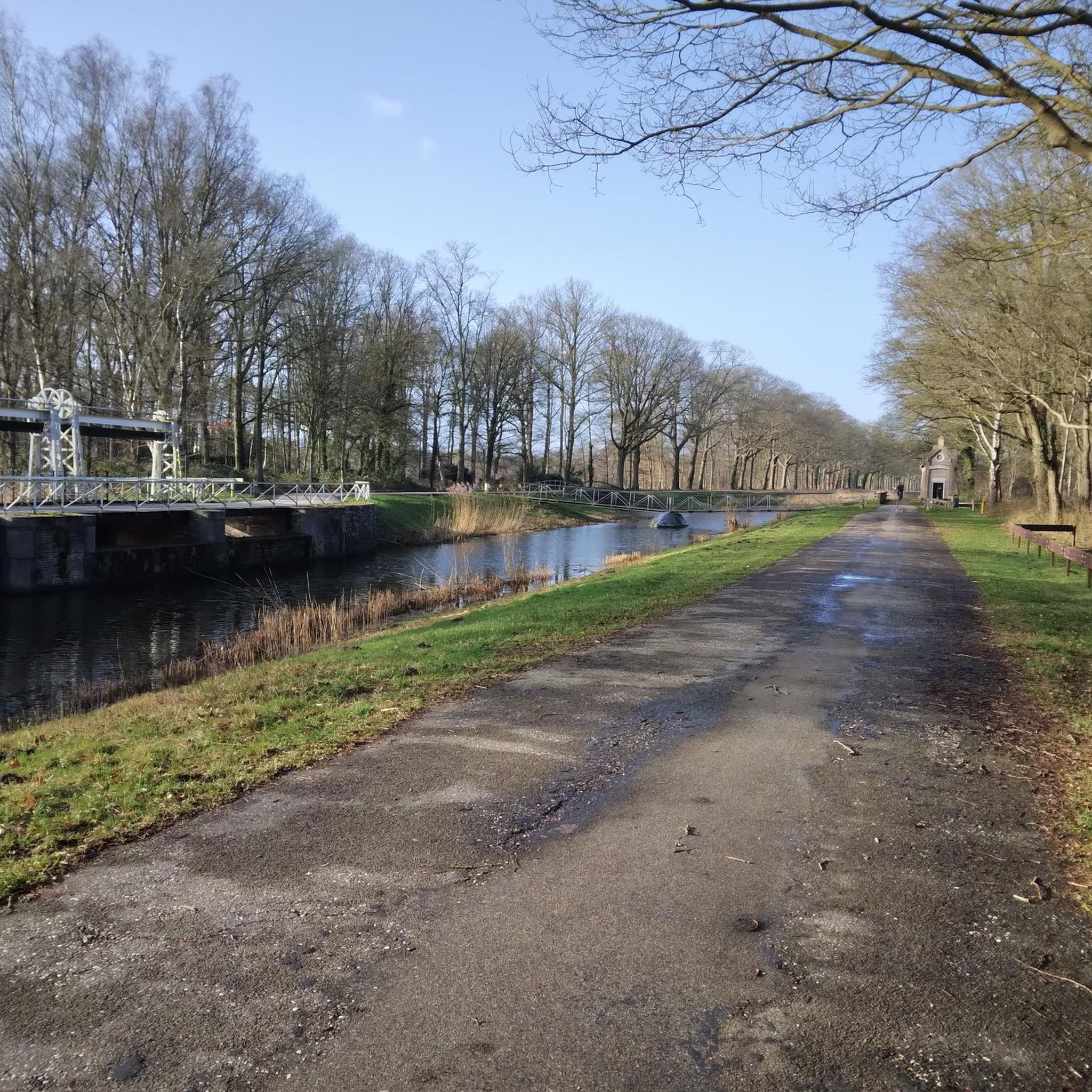
Old railway track rehabilitated in cycle path. Small fine white gravel road tire possible.
0
0
Old railroad rehabilitated e 'cycle lane small fine white gravel road tire possible.
0
0
Frequently Asked Questions
What historical sites can I explore near Venère?
The region around Venère is rich in history. You can visit the Historic Center of Marnay, a characterful Comtoise town with a rich medieval past. Further afield, explore the UNESCO World Heritage site of the Royal Saltworks of Arc-et-Senans, the Citadel of Besançon, or the picturesque village of Pesmes, recognized as one of the 'Most Beautiful Villages in Franche-Comté'.
Are there any notable religious buildings in the area?
Yes, the most popular religious site is Acey Abbey, a Cistercian abbey founded in 1136 and considered the best-preserved example of Cistercian architecture in Franche-Comté. You can also find the 19th-century Notre-Dame du Calvaire Chapel and the impressive Collegiale Church in Dole.
Where can I experience local culture or traditional villages?
For local culture, visit the village of Charcenne, known for its vineyards and historical roots, where the Guillaume family has cultivated vines since 1732. The nearby village of Pesmes offers quaint charm, and local markets in towns like Gray, Besançon, and Dole provide a taste of regional life and produce.
What natural attractions are there to visit around Venère?
Nature lovers can explore Parc de l'Etang, located just 8 km away. Other notable natural features include the impressive Saut du Doubs waterfall, the meandering Doubs River, and the scenic Jura Mountains, which offer breathtaking landscapes and the Gorges du Doubs.
Are there opportunities for hiking near Venère?
Absolutely. The area around Venère offers various hiking trails. You can find routes like 'Between forges and forests' or the 'Charcenne – Saint-Symphorien Church of Gy loop'. For more detailed information and routes, visit the Hiking around Venère guide.
Can I go cycling or mountain biking in the Venère area?
Yes, there are dedicated routes for both cycling and mountain biking. For mountain biking, consider routes such as the 'Historic Center of Marnay – Marnay Dam loop'. Cyclists can enjoy paths like the 'Cycle path on old railroad line' or the 'Fountain and Washhouses, Etuz – The gravel pit, Geneuille loop'. Explore more options in the MTB Trails around Venère and Cycling around Venère guides.
What family-friendly activities are available near Venère?
Many attractions are suitable for families. The Historic Center of Marnay and Acey Abbey are listed as family-friendly. The Royal Saltworks of Arc-et-Senans offers engaging exhibitions and themed gardens, while Parc de l'Etang provides a pleasant natural setting for a family outing. The Old Railway Line, now a cycle path, is also a great option for families.
When is the best time to visit Venère for outdoor activities?
The Burgundy-Franche-Comté region generally offers pleasant weather for outdoor activities from spring through early autumn (April to October). Spring brings blooming landscapes, while summer is ideal for longer days and warmer temperatures. Autumn provides beautiful foliage for hiking and cycling.
Are there any scenic viewpoints or natural features worth seeing?
Beyond the general beauty of the Doubs River and Jura Mountains, the Citadel of Besançon offers panoramic views of the city and surrounding area. The Saut du Doubs waterfall is a particularly spectacular natural feature, especially after heavy rainfall, and the Gorges du Doubs provide dramatic scenery.
What do visitors enjoy most about the attractions around Venère?
Visitors appreciate the blend of historical depth and natural beauty. The well-preserved Cistercian architecture of Acey Abbey and the rich history of the Historic Center of Marnay are highly rated. The scenic cycle paths, like The Old Railway Line, also receive positive feedback for their accessibility and pleasant routes.
Are there any vineyards or local produce to discover near Venère?
Yes, the village of Charcenne is renowned for its vineyards, with a history of vine cultivation dating back centuries. The Guillaume family, in particular, has a long tradition in winemaking and nursery business. You can also find local produce, including cheeses like Charcennais or Ortolan, at the Millet cheese dairy.
What are some lesser-known but interesting places to visit?
Consider visiting the gardens of Château de Cleron, which can be seen next to the Loue river, or the various other notable gardens in the vicinity such as Jardin du château du Talmay. The Osselle Caves, among the oldest tourist caves globally, offer a fascinating underground journey through geological formations.

Get inspired with the komoot mobile app


Explore more
Still not found the Highlight you’re looking for? See guides of the top attractions in other regions:
