The best cycling routes around Souzay-Champigny
4.5
(1567)
10,449
riders
293
rides
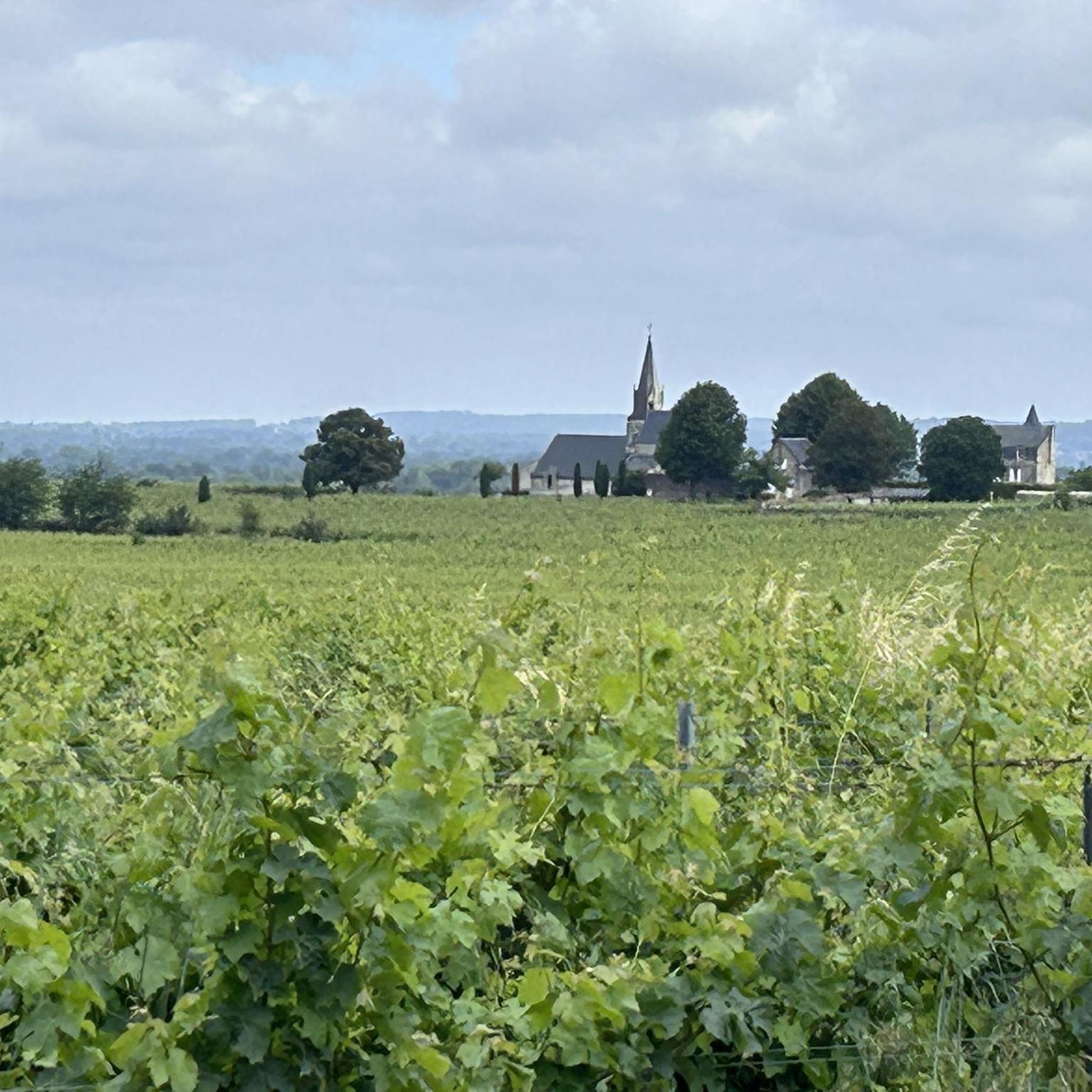
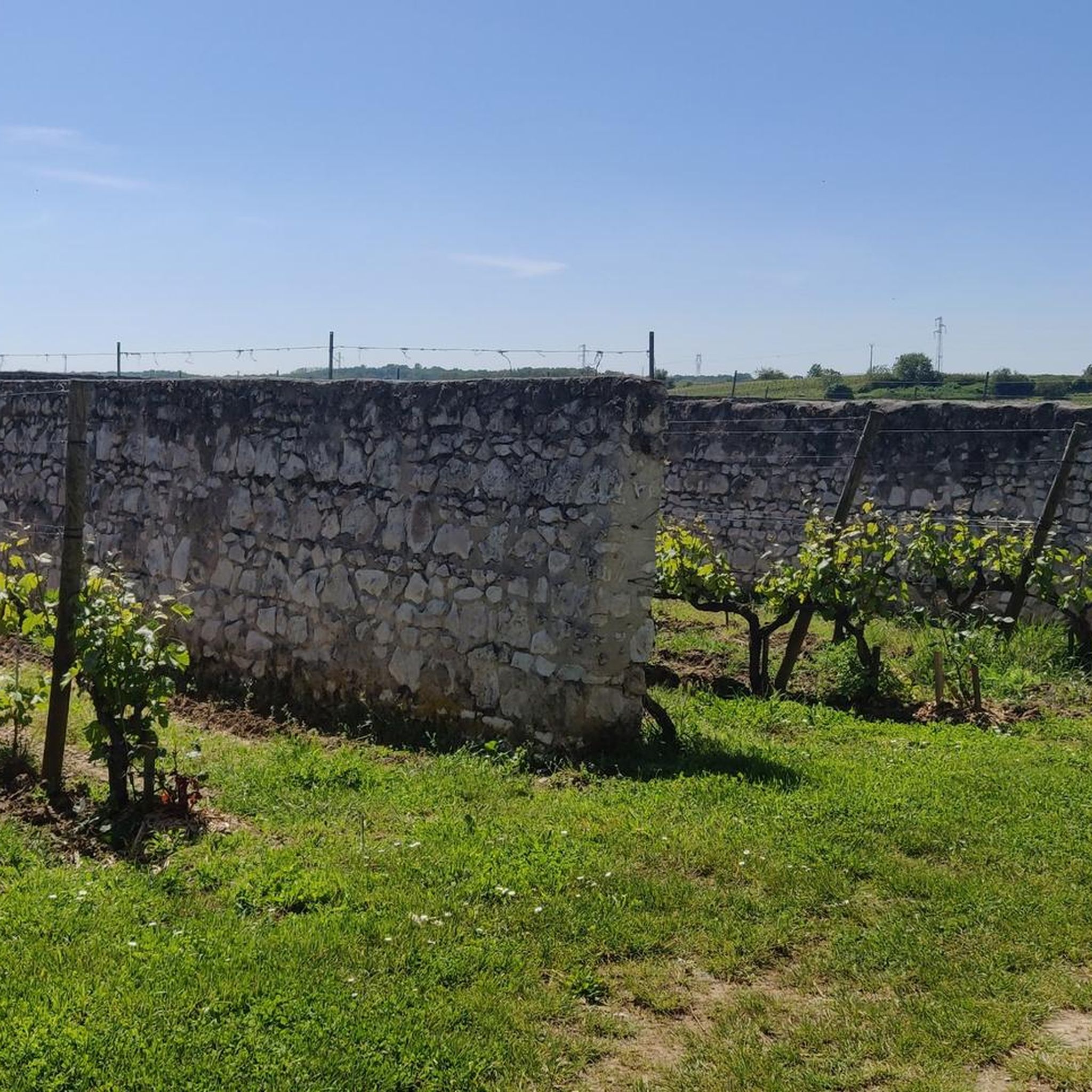
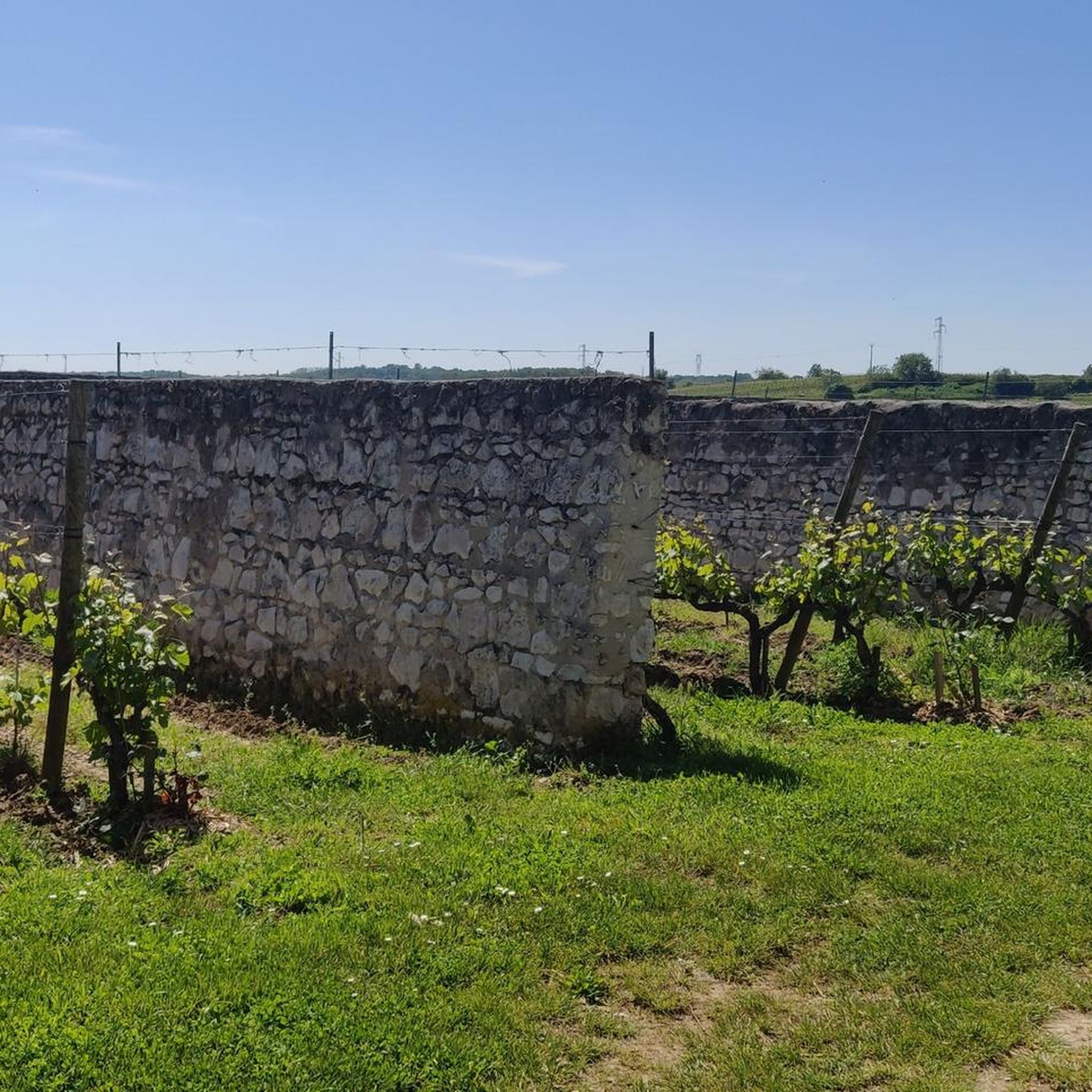
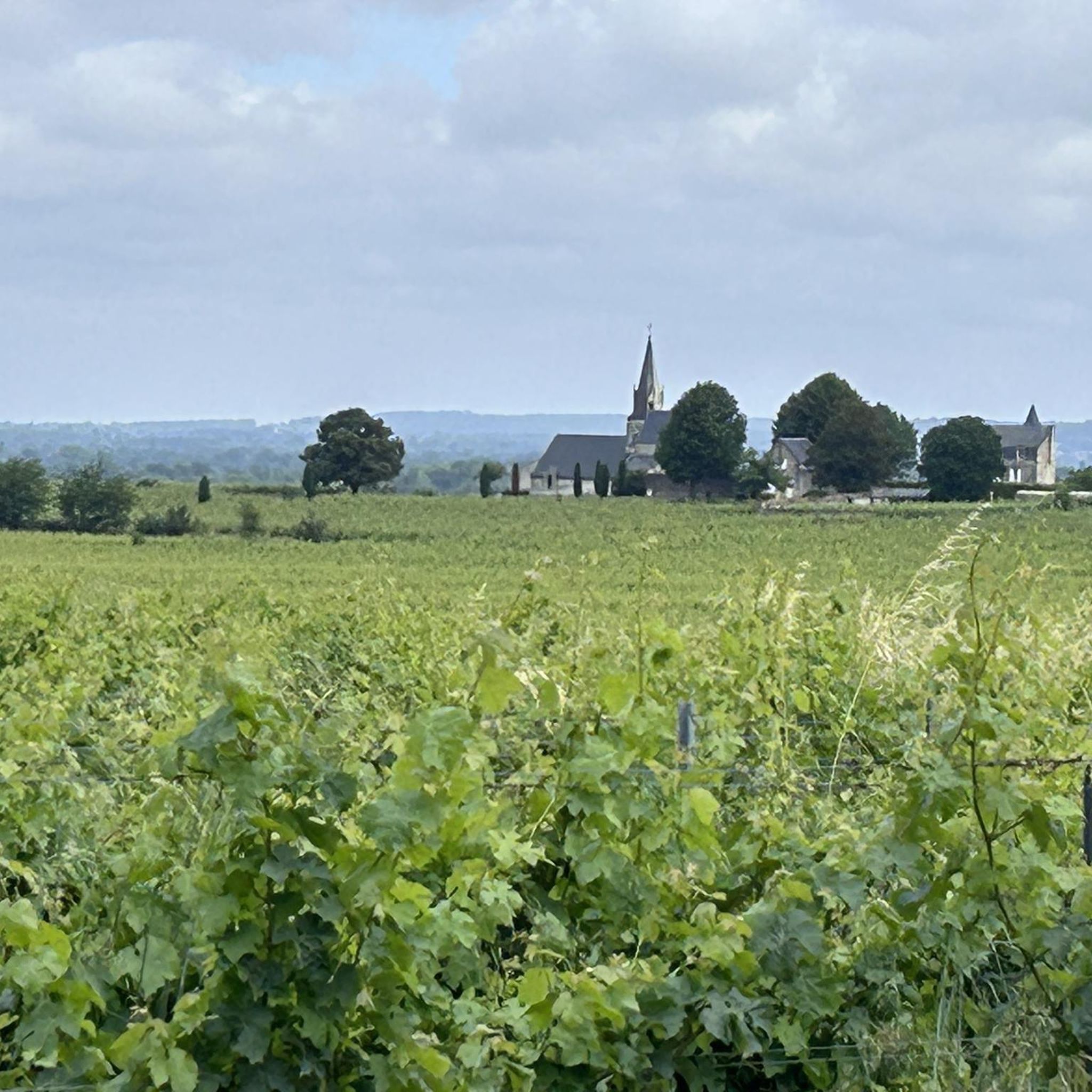
Touring cycling around Souzay-Champigny features routes primarily along the Loire River valley, characterized by its relatively flat terrain and riverside paths. The landscape includes extensive Saumur-Champigny vineyards, historic châteaux, and unique troglodyte dwellings carved into Tuffeau stone cliffs. Gentle hills, such as the Parnay Hills, offer slight elevation changes, while many routes follow the riverbanks.
Best touring cycling routes around Souzay-Champigny
- The most popular touring cycling route is Loire Riverside Gravel Trail – Saumur loop from Souzay-Champigny, a 7.0…
Last updated: July 6, 2026
4.8
(52)
385
riders
Moderate bike ride. Good fitness required. Mostly paved surfaces. Suitable for all skill levels.
4.6
(13)
168
riders
11.3km
00:43
70m
70m
Easy bike ride. Great for any fitness level. Mostly paved surfaces. Suitable for all skill levels.

Sign up for free
5.0
(7)
76
riders
Easy bike ride. Great for any fitness level. Mostly paved surfaces. Suitable for all skill levels.
4.5
(11)
57
riders
17.0km
01:03
120m
120m
Easy bike ride. Great for any fitness level. Mostly paved surfaces. Suitable for all skill levels.
4.5
(15)
84
riders
30.2km
01:54
190m
190m
Moderate bike ride. Good fitness required. Mostly paved surfaces. Suitable for all skill levels.
Get access to more routes and recommendations from other explorers.
Sign up for free
Already have an account?
Our route recommendations are based on thousands of hikes, rides, and runs completed by other people on komoot.
Start today with a free account
Your next adventure awaits.
Login or Signup

Tips from the Community

The sights are good but the terrain is not especially after high winds and heavy rain. Some people might find it tricky to navigate.
0
0

The fortified building, built in the 16th century on the banks of the Loire, probably on the foundations of a pre-existing structure, was an integral part of the city's fortifications. This building has served as the city's administrative building since 1508, when Guillaume Bourneau, Sieur de Montaglan, Lieutenant General in Saumur, took office. Between 1856 and 1862, the building was expanded with a wing in the Neo-Gothic style, fashionable in the 19th century, designed by the architect Charles Joly-Leterme.
0
0


A castle-palace of the Dukes of Anjou in the 19th and 19th centuries, the Château de Saumur, where King René resided, is the last example of the princely palaces built by the Valois dynasty. It served as the residence of the city's governors, a prison, and later an arms and ammunition depot. It was purchased by the city in 1906 to house the municipal museum, now the Musée de France. Today, we discover the rich collections scattered throughout the former apartments of the Dukes of Anjou in an educational museography. Want to know more? Click here: https://www.ot-saumur.fr/en/castles-and-country-houses/Saumurcastle-5261718/
3
0
The first stone was laid on 20 June 1864. As an architect with eclectic tastes, Joly-Leterme was inspired by the style of the Louis XVI period, which was contemporary with the hall he replaced. He borrowed in particular from the neoclassical colonnades of the Grand Théâtre de Bordeaux and the Madeleine in Paris. On the left, the colonnade overlooking the Loire has a rather successful disappearing effect; the monument is not rectangular, but narrows towards the east. The hall opens onto the Place de la Bilange, which it dominates with its monumental proportions. The eastern façade, dedicated to the musicians and the entrance for the artists, has a more intimate appearance. It is narrower, with five instead of seven arches. This façade has often changed in appearance. The hall is in the "Italian style", a type of hall that was fashionable during the Second Empire. Large reception areas are planned: a grand staircase overlooking the Place de la Bilange, a spacious foyer on the first floor, a wide peristyle accessible to all, and galleries on the upper floor providing access to numerous rooms. In the middle, the concert hall is reduced to a small, high space. The stage, of good dimensions, has been rebuilt several times. The red-gold tones of the hall, restored in 1963, have come to life. Source: https://www.ville-saumur.fr/patrimoine-architectural/le-theatre-2
3
0
The Place Saint-Pierre in Saumur has traditionally been a haven for bistros. This is where social life meets. Sit down and enjoy the bustling life.
3
0
Behind the classical 17th-century facade lies a magnificent building that combines both Romanesque and Plantagenet Gothic styles. Saint Peter's Church is a representative example of Plantagenet Gothic (12th-13th centuries), particularly due to its strongly curved vaults. Among the furnishings is a remarkable set of 15th-century choir stalls. (Organ concerts are regularly held here). Restoration of the west facade began in November 2008. A team of stonemasons consolidated and restored this classical facade in a "composite" style. This facade had closed off the nave since the 17th century following the collapse of the first Gothic facade. The building was then completely restored! Source: https://www.ville-saumur.fr/patrimoine-architectural/l-eglise-saint-pierre-2
2
0
History: In 1454, while ploughing his field, a farmer discovered in the "ardille" (clay, a word that according to legend gave its name to Notre-Dame-des-Ardilliers) a stone statuette about thirty centimetres high representing a Pietà. The farmer took it home. Twice he discovered that the Pietà returned to its place of discovery, near a fountain that was already known for its healing properties. From that moment on, devotions developed around this statuette, which was placed in a niche under a stone arch. Jean Olivier, Bishop of Angers, laid the foundations of the Notre-Dame-des-Ardilliers chapel. Bishop Gabriel Bouvery, Bishop of Angers, opened the new church on 30 July 1553. It was a place of pilgrimage. The fountain was said to perform miracles. In 1614, thanks to the support of Marie de Medici, the management of the sanctuary was entrusted to the Order of Oratorians. In 1619, they settled in Ardilliers and founded a royal college in 1624. Louis XIII granted it the status of royal chapel and, from 1628 to 1643, the Oratorians built the buildings to the east of the chapel that would house their community, the classrooms and the students' dormitories. From 1634, Richelieu had a chapel built on the north wall of the chapel for votive and funeral purposes. The chapel was closed during the Revolution. The Oratorian house became a barracks and the rotunda was converted into an ammunition store. In 1796, the Sisters of Sainte-Anne-de-la-Providence opened a hospice there for the expelled. In 1798, the hospice became the property of the city of Saumur. The chapel was put back into use in 1799, but was damaged by damp. From 1849, architect Charles Joly-Leterme began restoring the building. The Sisters of Sainte-Anne-de-la-Providence became the owners of the former Oratorian House in 1866. During the Battle of the Cadets, in June 1940, the bombing destroyed the roof structures of the chapel and the Oratorian House. The vault of the nave collapsed. The buildings were restored between 1947 and 1957. The oak frame of the dome was replaced by a concrete shell to reduce the pressure on the walls. The Oratorian House was converted into a school in 1953. In February 2025, a fire broke out. Source Wikipedia
4
0
Frequently Asked Questions
What kind of terrain can I expect on touring cycling routes around Souzay-Champigny?
The routes primarily follow the Loire River valley, offering relatively flat terrain and scenic riverside paths. You'll also encounter vineyards, historic châteaux, and unique troglodyte dwellings carved into limestone cliffs. Some routes, like the one exploring the Parnay Hills, feature gentle elevation changes.
Are there many easy touring cycling routes suitable for beginners or families?
Yes, Souzay-Champigny offers a good selection of easy routes. There are over 120 easy routes available. A great option for a relaxed ride is the Loire Riverside Gravel Trail – Hureau Castle - Dampierre loop from Souzay-Champigny, which is just over 8 km long and follows the riverside.
What are some longer touring cycling routes for more experienced riders?
For those looking for a longer ride, the region has many moderate routes. The Saumur – Château de Saumur loop from Souzay-Champigny is a moderate 30.1 km path that includes a visit to the historic Château de Saumur and traverses varied terrain.
Can I find circular touring cycling routes in Souzay-Champigny?
Yes, many routes in the area are designed as loops, allowing you to start and end in the same location. An example is the Pont de Varennes - Montsoreau – Loire Riverside at Turquant loop from Souzay-Champigny, which is an easy 17.3 km ride along the Loire Riverside.
What historical sites or landmarks can I see along the touring cycling routes?
The region is rich in history. You can cycle past impressive structures like Montsoreau Castle and Château de Saumur. Don't miss the unique Souzay-Champigny troglodyte site, where dwellings are carved directly into the cliffs.
What do other touring cyclists say about the routes in Souzay-Champigny?
The touring cycling routes in Souzay-Champigny are highly regarded by the komoot community, with an average rating of 4.38 stars from over 1600 reviews. Cyclists often praise the beautiful riverside scenery, the well-maintained paths, and the charming historic villages like Turquant.
Are there any routes that offer good viewpoints or scenic spots?
Many routes along the Loire River offer continuous scenic views of the water and surrounding landscapes. For a different perspective, the Parnay Hills – Greenwich Meridian loop from Souzay-Champigny provides gentle climbs that can offer elevated views of the vineyards and the valley.
How many touring cycling routes are available in the Souzay-Champigny area?
There are over 300 touring cycling routes available around Souzay-Champigny, catering to various skill levels and preferences. This includes 122 easy, 145 moderate, and 36 difficult routes.
What is the best season for touring cycling in Souzay-Champigny?
The Loire Valley generally enjoys a mild climate, making spring and autumn ideal for cycling with pleasant temperatures and beautiful scenery. Summer can also be enjoyable, especially along the shaded riverside paths, but it's advisable to start early to avoid the midday heat.
Are there any specific routes that highlight the region's vineyards?
While many routes pass through or near vineyards, the Parnay Hills – Greenwich Meridian loop from Souzay-Champigny specifically takes you through the Parnay Hills, an area known for its viticulture, offering picturesque views of the grapevines.
Can I combine cycling with visiting castles in the area?
Absolutely. The region is dotted with magnificent castles. For example, the Saumur – Château de Saumur loop from Souzay-Champigny directly leads you to the impressive Château de Saumur. Other castles like Montsoreau Castle are also easily accessible by bike.
Most popular routes around Souzay-Champigny
Most popular attractions around Souzay-Champigny

Get inspired with the komoot mobile app


Explore more
Browse the best Cycling routes in other regions.
