Attractions and Places To See around Dannemarie - Top 20
Best attractions and places to see around Dannemarie include a blend of historical heritage, cultural sites, and natural beauty in the Alsace region of France. This commune offers opportunities to explore World War I history, admire historical architecture, and enjoy peaceful natural surroundings. Dannemarie is an essential stop in the Sundgau region, providing both historical depth and options for outdoor activities.
Best attractions and places to see around Dannemarie
- The most popular attractions is Pont de Gambaiseuil, a bridge that offers a serene setting amidst surrounding woods and a river. It is part of a rugged trail near Gambaiseuil with forest trails and technical sections.
- Another must-see spot is The Donjon of Houdan, a castle. This monument dates from the end of the 12th century, built by the Counts of Montfort to watch for enemies and defend the territory.
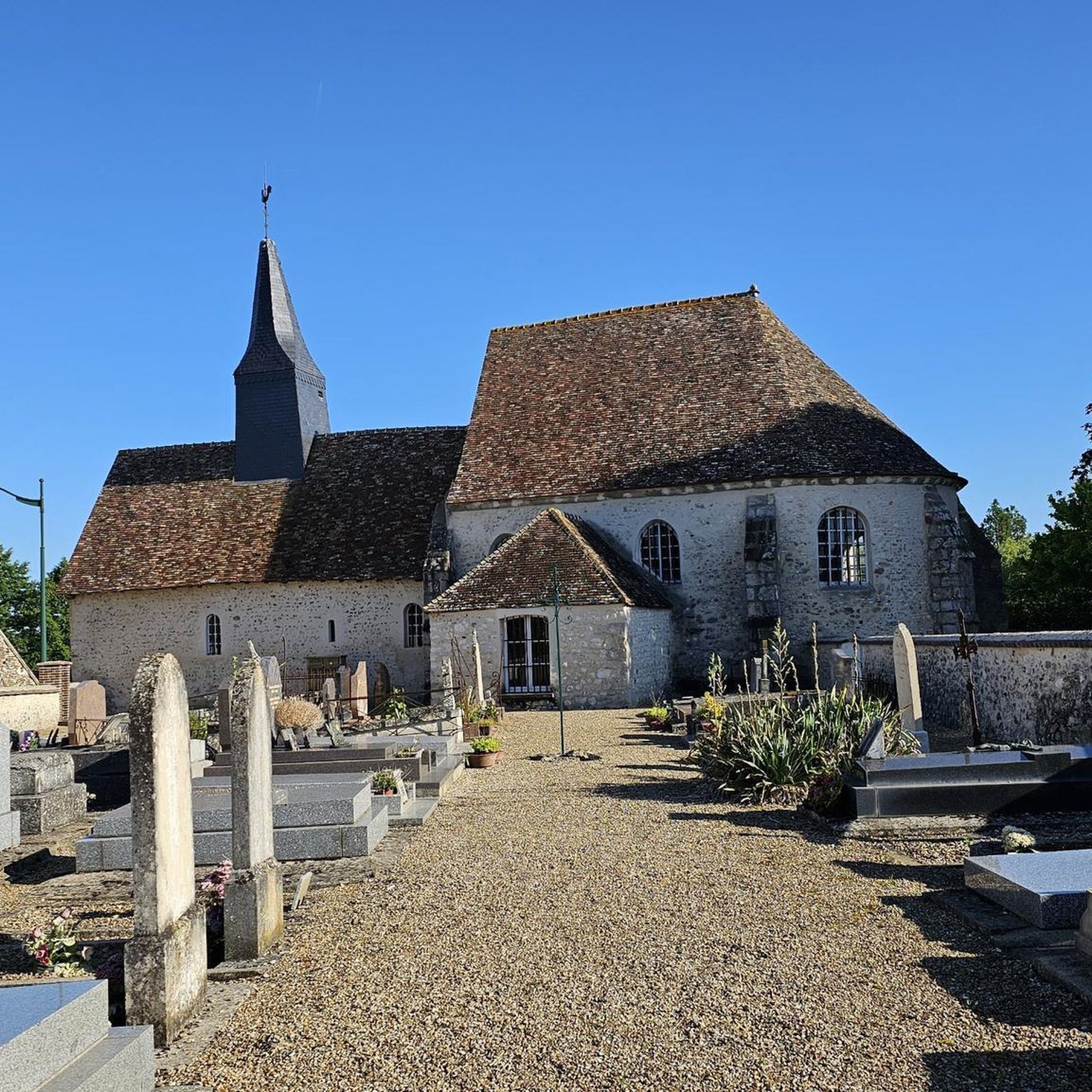
- Visitors also love the beautiful church of Prouais, a church with Romanesque origins. Its construction was initiated in the 12th century, and it features Gothic and Renaissance architectural elements.
- Dannemarie is known for its historical sites, cultural venues, and natural features. Visitors can explore significant landmarks, enjoy performances at the Foyer de la Culture, and discover peaceful natural settings like the Étang du Lattloch.
- The attractions around Dannemarie are appreciated by the komoot community, with 9 photos and 20 upvotes shared by visitors.
Last updated: May 11, 2026
The Donjon of Houdan
Highlight • Castle
Translated by Google •
Tip by

the beautiful church of Prouais
Highlight • Other
Translated by Google •
Tip by

Sign up now to discover places like this
Get recommendations on the best single tracks, peaks, & plenty of other exciting outdoor places.
Sign up for free
Villa Landru
Highlight • Historical Site
The choice of the Gambais villa was motivated by its isolation, as it was 300 m from the nearest house (this is obviously no longer the case now), and by its outbuildings and the basement. Here were found supposedly human remains in a heap of ashes discovered in a shed, in the fireplace, and in the stove; one will also find clasps, pins, pieces of corset, partly burnt buttons. In all, the police found 4.176 kg of charred bone debris, including 1.5 kg undoubtedly coming from human bodies, as well as 47 teeth or tooth fragments. The medical examiner will announce to the press that these bones correspond to three heads, five feet and six hands.
Having become a famous place on the occasion of the resounding trial, Villa Tric de Gambais was looted by the crowd, then sold to a restorer who renamed it "Au Grillon du Foyer" and converted part of the building into a museum. It even seems that the "Landru" rib steak was served there, grilled over a wood fire... The restaurant closed its doors in 1940 and the house was then sold to private individuals. The famous villa also gave rise to a series of postcards. Somewhat forgotten after several decades, the house came back into the news in 2018 when it was put up for sale with an announcement very discreetly stating "very beautiful house steeped in history"...
The cook of the villa after a succession of transactions ended up being bought by Laurent Ruquier. Passionate about the character, he wrote a play on the subject, in 2005, with Régis Laspalès in the main role.
No sign, no sign comes to announce the history of this house which undoubtedly wishes to fall back into oblivion.
Translated by Google •
Tip by

Pont de Gambaiseuil
Highlight • Bridge
Translated by Google •
Tip by

Church of Saints Peter and Paul
Highlight • Other
The construction of the church would have been the initiative of Don Roger, abbot of the very powerful Benedictine abbey of Coulombs from 1115 to 1174. At this period, the abbey stood near Nogent-le-Roi, former fortified town located twelve kilometers on the banks of the Eure. Extended over more than 80 parishes, it had a considerable influence in the region, until the Revolution, whether from a religious, economic or social point of view.
The Romanesque style that it had adopted since its original construction was remodeled in the 16th century. by the opening of high Gothic windows, around the edge of the choir. Finally, in the following century, during the wars of religion, the church suffered serious damage. When peace returned, the entrance porch was finally rebuilt in the elegant manner of the Renaissance style. In 1950, a fire destroyed the church and all its furniture; it was restored at the end of the 20th century.
Translated by Google •
Tip by

Sign up for free to discover even more attractions around Dannemarie.
Sign up for free
Already have an account?
Start today with a free account
Your next adventure awaits.
Login or Signup




Tips from the Community

Built at the end of the 12th century by the Counts of Montfort and listed as a Historic Monument since 1889, the Houdan Tower was used to watch for enemies and defend the territory. The Keep consists of a 15 m diameter and 21 m high tower, flanked by four turrets of the same height located at the four cardinal points. From the 16th century until the French Revolution, the Keep served as a prison, and executions took place at the foot of the Tower. The first water reservoir was installed in the tower in 1880. The second, built in 1952, is still visible. Tours are available on certain days.
0
0

very nice hike in the woods with some stone bridges to discover
0
0

Head to Pont de Gambaiseuil on Route du Bocquet and discover this rugged trail near Gambaiseuil offering a mix of forest trails and technical sections that will test your skills. As you cross the bridge, take the time to appreciate the serenity of the surrounding woods and the gentle flow of the river below. It’s the perfect spot for a quick break before diving back into the dense forest trails that make this hike so rewarding.
0
0

Church of Saint Peter and Saint Paul The construction of the church is said to have been initiated by Don Roger, abbot of the very powerful Benedictine abbey of Coulombs from 1115 to 1174. At that time, the abbey stood near Nogent-le-Roi, a former fortified town located twelve kilometers away on the banks of the Eure. Spread over more than 80 parishes, it had a considerable influence in the region until the Revolution, whether from a religious, economic or social point of view. The Romanesque style that it had adopted since its original construction was reworked in the 16th century by the opening of tall Gothic windows around the choir. Finally, in the following century, during the Wars of Religion, the church suffered serious damage. When peace returned, the entrance porch was finally rebuilt in the elegant Renaissance style. In 1950, a fire destroyed the church and all its furniture; it was restored at the end of the 20th century.
0
0
Oriented east, the building follows a rectangular plan, extended by a choir. With a length of 35 meters, the building is constructed of masonry and consolidated by sandstone buttresses. The pointed vault is 13 meters high, the adjoining bell tower is around twenty meters high. The construction of the church would have been the initiative of Don Roger, abbot of the very powerful Benedictine abbey of Coulombs from 1115 to 1174. At this period, the abbey stood near Nogent-le-Roi, former fortified town located twelve kilometers on the banks of the Eure. Extended over more than 80 parishes, it had a considerable influence in the region, until the Revolution, whether from a religious, economic or social point of view. The Romanesque style that it had adopted since its original construction was remodeled in the 16th century. by the opening of high Gothic windows, around the edge of the choir. Finally, in the following century, during the wars of religion, the church suffered serious damage. When peace returned, the entrance porch was finally rebuilt in the elegant manner of the Renaissance style. In 1950, a fire destroyed the church and all its furniture; it was restored at the end of the 20th century.
0
0

Bridge with a very beautiful beech next to it
1
0

Monument dating from the end of the 12th century
1
0

Here at 36 rue de l'église, an old house different from the neighboring buildings. This is the "Tric" villa acquired in 1915 by Henri Désiré Landru to commit his macabre crimes. Within these walls, 7 women were murdered between 1915 and 1919 among the 11 officially recorded victims. The choice of the Gambais villa was motivated by its isolation, as it was 300 m from the nearest house (this is obviously no longer the case now), and by its outbuildings and the basement. Here were found supposedly human remains in a heap of ashes discovered in a shed, in the fireplace, and in the stove; one will also find clasps, pins, pieces of corset, partly burnt buttons. In all, the police found 4.176 kg of charred bone debris, including 1.5 kg undoubtedly coming from human bodies, as well as 47 teeth or tooth fragments. The medical examiner will announce to the press that these bones correspond to three heads, five feet and six hands. Having become a famous place on the occasion of the resounding trial, Villa Tric de Gambais was looted by the crowd, then sold to a restorer who renamed it "Au Grillon du Foyer" and converted part of the building into a museum. It even seems that the "Landru" rib steak was served there, grilled over a wood fire... The restaurant closed its doors in 1940 and the house was then sold to private individuals. The famous villa also gave rise to a series of postcards. Somewhat forgotten after several decades, the house came back into the news in 2018 when it was put up for sale with an announcement very discreetly stating "very beautiful house steeped in history"... The cook of the villa after a succession of transactions ended up being bought by Laurent Ruquier. Passionate about the character, he wrote a play on the subject, in 2005, with Régis Laspalès in the main role. No sign, no sign comes to announce the history of this house which undoubtedly wishes to fall back into oblivion.
3
0
Frequently Asked Questions
What historical sites can I explore in Dannemarie?
Dannemarie is rich in history, particularly related to World War I. You can visit the Mémorial de Haute-Alsace, a significant museum dedicated to the conflict in the Sundgau region, featuring immersive trench exhibits. The town also boasts the Église Saint-Léonard, home to a magnificent 1846 Callinet organ, and the historic Town Hall (Hôtel de Ville). Further afield, you can discover The Donjon of Houdan, a 12th-century castle, and the beautiful church of Prouais with its Romanesque origins and Gothic/Renaissance elements.
Are there natural areas for relaxation and walks in Dannemarie?
Yes, for peaceful natural surroundings, you can enjoy a relaxing 30-minute stroll around the accessible Étang du Lattloch (Lattloch Pond), which is also a popular fishing spot. The Largue River flows through the commune, offering natural habitats for various bird species. You can also find serene spots near Pont de Gambaiseuil, a bridge set amidst woods and a river, perfect for a break during a walk.
What cultural activities are available in Dannemarie?
The Foyer de la Culture is a vibrant cultural hub, hosting a diverse program of concerts, plays, shows, and cinema screenings every Friday evening. Additionally, the Médiathèque (Media Library) offers books, magazines, CDs, DVDs, and board games, with various activities organized throughout the year for community engagement.
What outdoor activities can I do near Dannemarie?
Dannemarie is excellent for outdoor enthusiasts. Cyclists particularly enjoy the safe and accessible Greenways of the Largue and the Canal du Rhône au Rhin, which are part of the EuroVelo 6 cycle route. For more structured routes, you can explore various cycling tours like the 'Chateau de Bourdonné – The Donjon of Houdan loop' or road cycling routes such as the 'Roadbike loop from Dannemarie'. Hikers can find trails like the 'Descent from Chêne to Renard – Priest's Rock loop' or the 'Tour de Houdan – Path Along the Vesgre loop'. You can find detailed routes and guides for cycling, road cycling, and hiking around Dannemarie.
Are there any family-friendly attractions or activities in Dannemarie?
Families can enjoy a peaceful stroll around the Étang du Lattloch, which offers a relaxing green setting. The Greenways of the Largue and the Canal du Rhône au Rhin are perfect for leisurely family bike rides or walks, providing safe paths away from traffic. The Médiathèque also offers resources and activities suitable for all ages.
What is the significance of the Viaduct in Dannemarie?
The Viaduct on the Belfort-Mulhouse railway line is a historically significant 493-meter-long stone arched bridge over the Largue River. Originally built in 1862, it has been destroyed and rebuilt four times throughout history (in 1870, 1914, 1915, and 1944), making it a testament to the region's resilience and past conflicts.
Where can I find a relaxing spot for a break after an activity?
The Relais du Port, situated by the canal, offers a friendly and relaxing setting. It's an ideal spot for a gourmet break or an aperitif, particularly after a bike ride or a walk along the greenways, providing a pleasant, holiday-like atmosphere.
Are there accessible paths for walking or cycling in Dannemarie?
Yes, Dannemarie is known for its accessible outdoor options. The Étang du Lattloch is an accessible pond perfect for a peaceful stroll. The Greenways of the Largue and the Canal du Rhône au Rhin are also safe and accessible, making them ideal for leisurely biking or walking for various mobility levels.
What do visitors enjoy most about the attractions around Dannemarie?
Visitors appreciate the blend of historical depth and opportunities for outdoor activities. The komoot community has shared 9 photos and given 20 upvotes for attractions around Dannemarie, highlighting the serene settings of places like Pont de Gambaiseuil and the historical significance of sites like The Donjon of Houdan. The peaceful natural environments and well-maintained greenways for cycling and walking are also highly valued.
What is the best time to visit Dannemarie for outdoor activities?
While specific seasonal recommendations are not provided, the emphasis on cycling and walking along the greenways and around the pond suggests that spring, summer, and early autumn would be ideal for enjoying the outdoor attractions and natural beauty of Dannemarie when the weather is most favorable.
Can I find information about World War I history in Dannemarie?
Absolutely. The primary site for World War I history is the Mémorial de Haute-Alsace. This museum is specifically dedicated to the history of the First World War in Alsace, focusing on the Sundgau region, and offers extensive collections, documents, artifacts, and educational displays from 1871 to 1918.
Are there any unique architectural landmarks in Dannemarie?
Beyond the historical Town Hall and the Église Saint-Léonard with its notable organ, the Viaduct is a remarkable piece of engineering and a significant architectural landmark, having been rebuilt multiple times throughout its history. These structures showcase different periods of regional craftsmanship and design.
Most popular routes around Dannemarie

Get inspired with the komoot mobile app


Explore more
Still not found the Highlight you’re looking for? See guides of the top attractions in other regions:
