Attractions and Places To See around Saint-Brancher - Top 20
Best attractions and places to see around Saint-Brancher are found at the gateway to the Morvan Regional Natural Park. This region features diverse landscapes, including forests, lakes, and rivers, alongside historical landmarks. Visitors can explore sites with Gallo-Roman history and significant cultural heritage, offering a blend of natural features and historical sites. The area provides opportunities to discover both natural features and historical sites.
Best attractions and places to see around Saint-Brancher
- The most popular attractions is Avallon, a…
Last updated: May 27, 2026
Avallon
Highlight • Settlement
This is composed of a central nave flanked by two side …
Translated by Google •
Tip by

La Pierre-qui-Vire Abbey
Highlight • Other
Translated by Google •
Tip by

Sign up now to discover places like this
Get recommendations on the best single tracks, peaks, & plenty of other exciting outdoor places.
Sign up for free
Saint Martin Church
Highlight • Other
Translated by Google •
Tip by
Moulin Cadoux
Highlight • Monument
Translated by Google •
Tip by

Crescent Dam
Highlight • Monument
Translated by Google •
Tip by

Sign up for free to discover even more attractions around Saint-Brancher.
Sign up for free
Already have an account?
Start today with a free account
Your next adventure awaits.
Login or Signup
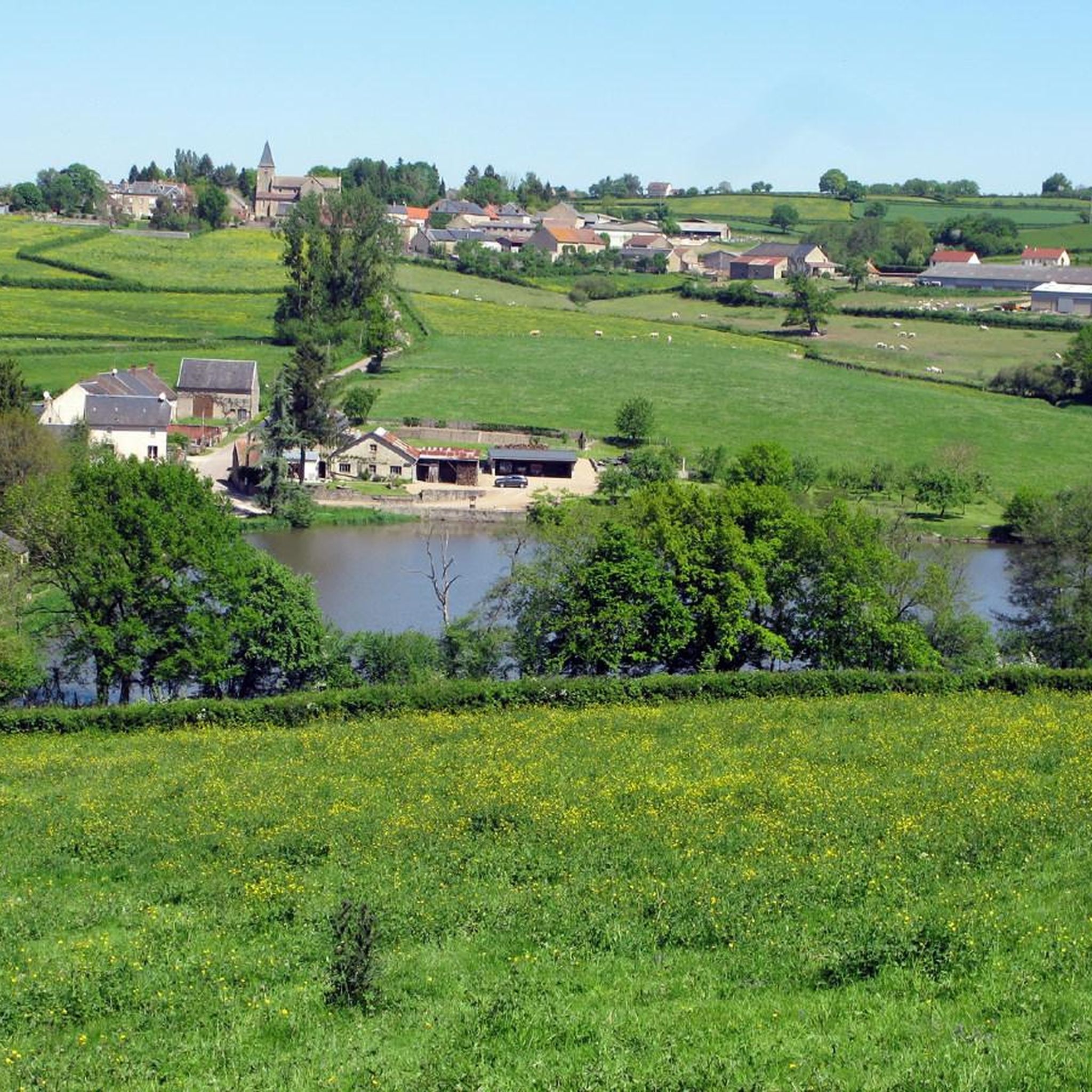
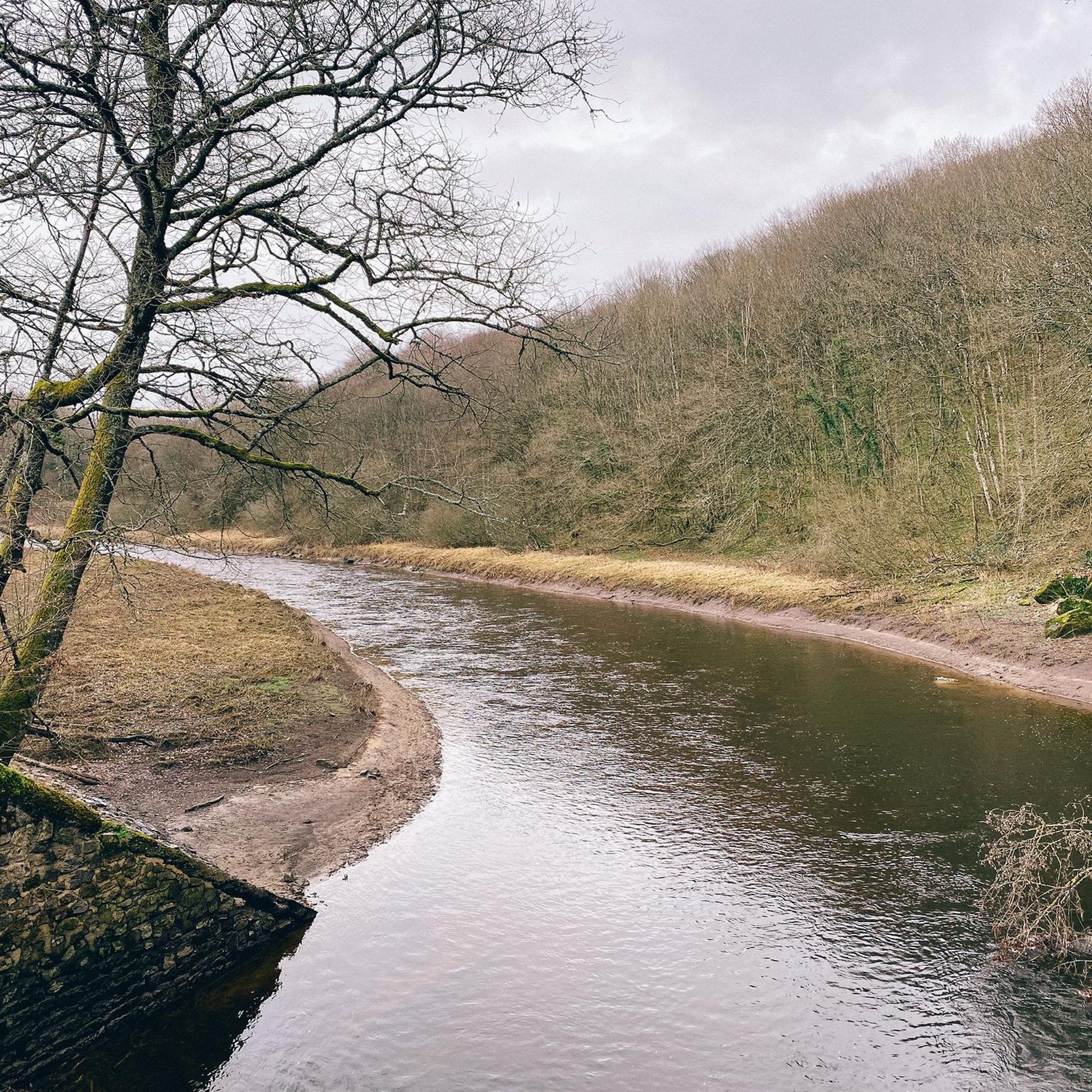
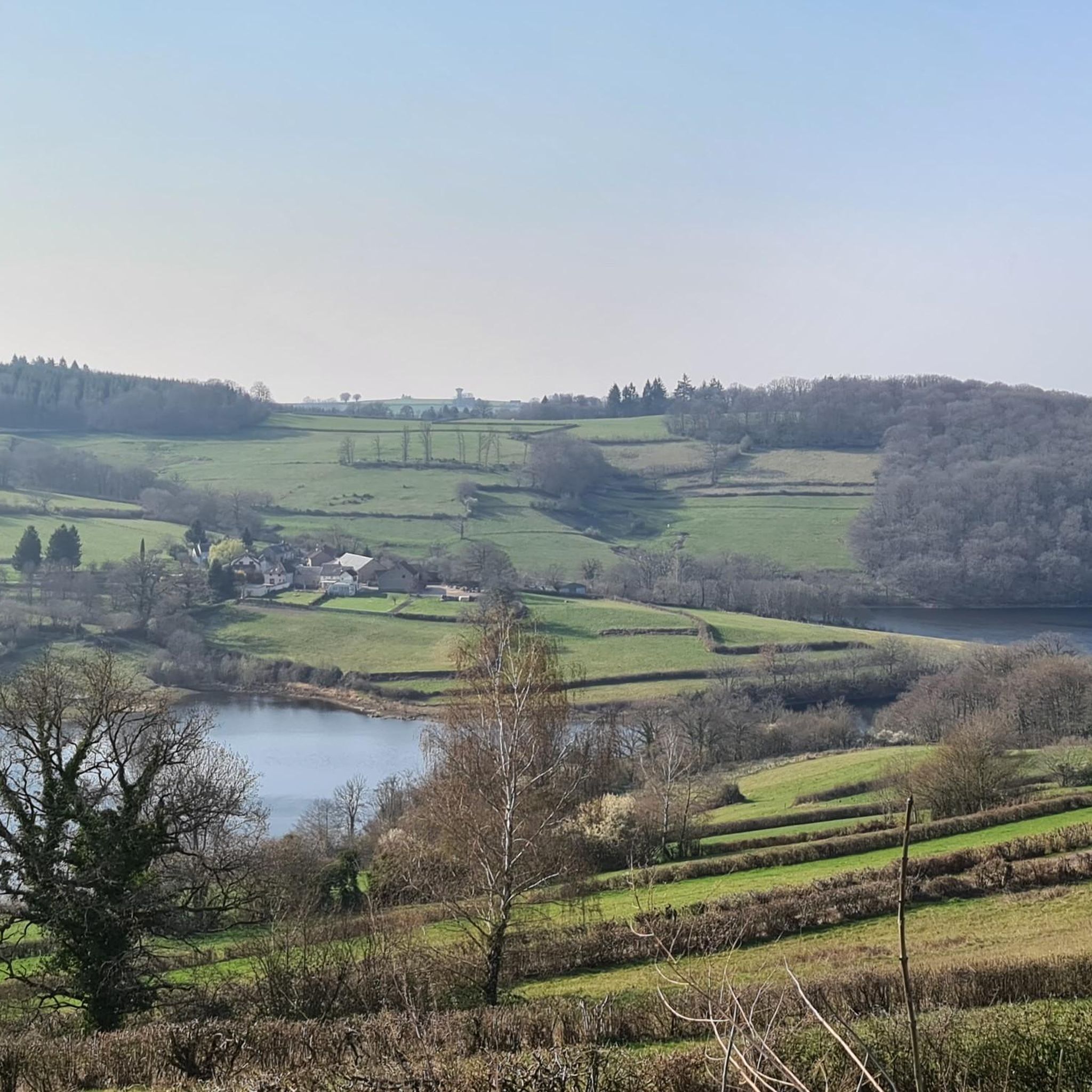
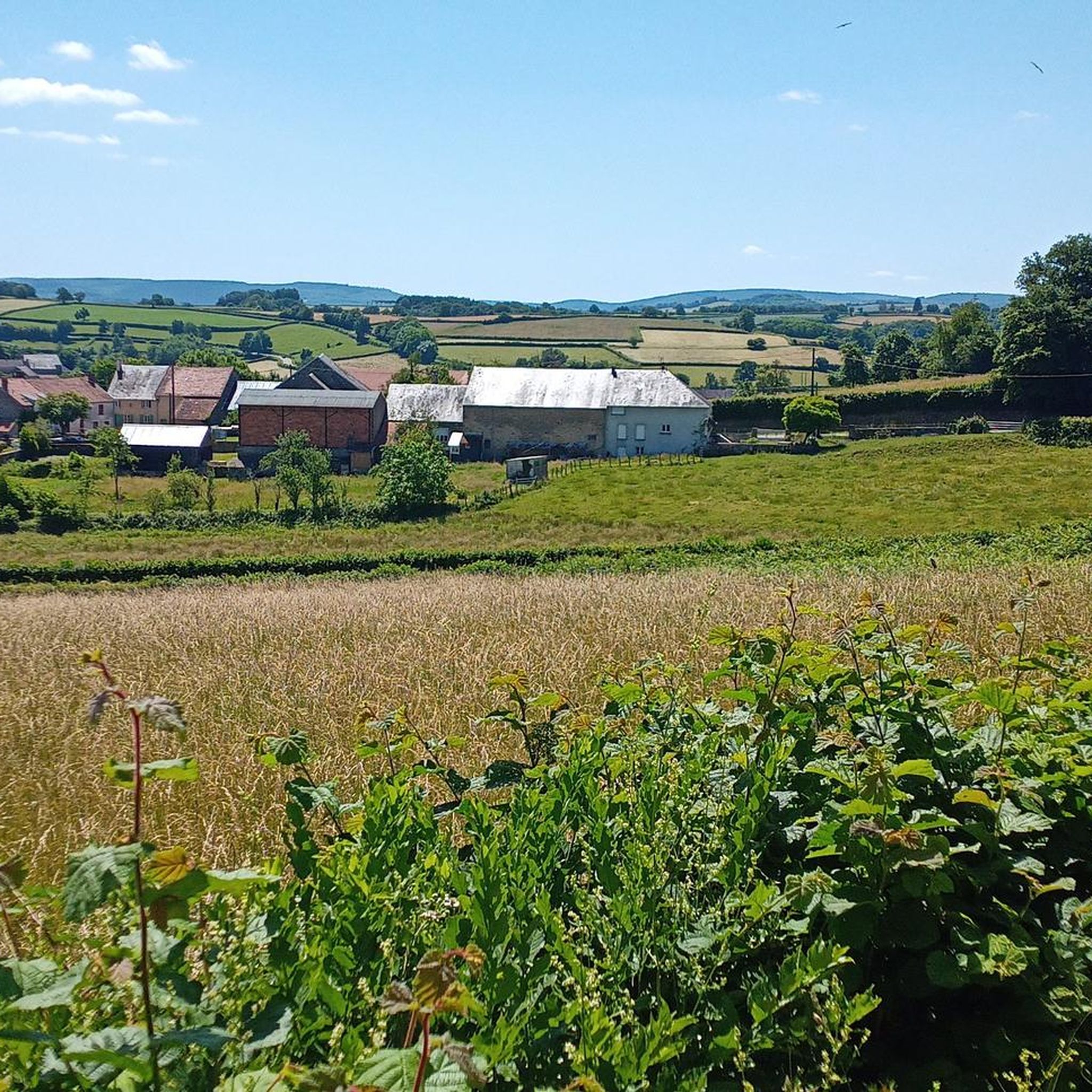

Tips from the Community

Located in the heart of the Morvan forest, the Abbey of La Pierre-qui-Vire was founded in the 19th century. It owes its name to an imposing granite block "in equilibrium," an emblem of the place. An almost suspended atmosphere reigns here.
0
0

The Abbey of Sainte-Marie-de-la-Pierre-qui-Vire is a Benedictine abbey founded in 1850 by Reverend Father Jean-Baptiste Muard. The community is located in the heart of nature, in a wild, wooded setting, on the banks of the Trinquelin, a small stream that flows between granite rocks. https://fr.wikipedia.org/wiki/Abbaye_Sainte-Marie_de_la_Pierre-qui-Vire
0
0

As in probably every other profession, there are a few so-called “black sheep” among the many honorable millers in the milling trade. The popular children's book author Otfried Preußler tells the following short episode in “The Flight into Egypt”: “And they didn't even get all the way to Klostergrätz that evening, but there was a mill on their way, the monastery mill - they stayed there until the next morning. At first the monastery miller was almost shocked when the k.k. Gendarmerie knocks on his door: There had been a certain dispute with a customer last week about a few sacks of milling material which had disappeared in the mill here in a completely inexplicable way […] but it could have been that he had been reported for it anyway – and now they’re coming to pick him up… then of course all the disputed milling sacks had immediately fallen from his mind, the monastery miller, just as [sergeant] Hawlitschek was now simply asking him for a place to stay for the night.”
0
0


The town of Avallon is home to very old monuments such as the Saint-Lazare church which is in front of you and a little further on the Clock Tower. The city center is very pleasant with its squares and fountains, and its very beautiful Maison des Sires de Domecy. By heading towards Quarré-les-Tombes you will see several islands located on the course of the Cousin, as well as remarkable old bridges spanning it. The statue of the famous Avallon frog, which you will not fail to see, was sculpted in Châtillonnais stone by Yvan Baudoin.
0
0
Saint Martin, to whom the church in Avallon is dedicated, is - along with Saint Nicholas - probably one of the most popular saints of all. The memorial day of the former officer in the Roman army is November 11th. On the night after the famous “parting of the coat,” when he leaves half of his army cloak to a freezing beggar, Jesus Christ appears to him in a dream. He then converted to Christianity and was later elected bishop of Tours (France) - initially against his will.
0
0

The Crescent Dam was built between 1929 and 1932. A gravity dam, it is 330 meters long and 37 meters high. Its width at the base is 24 meters and at the crest 3.5 meters. It was built on the initiative of SA Compagnie HydroElectrique de la Cure and was owned by the City of Paris until 1946. The dam was built to regulate the waters of the Yonne and Seine rivers and thus prevent flooding in Paris, while also producing electricity. More than 165 hectares of cultivated land, hamlets, mills, and paths were flooded to allow the creation of the reservoir (maximum depth of 40 meters). It occupies four municipalities and two departments, and is fed by the Cure and Chalaux rivers. The structure was partly financed by war reparations owed by Germany to France after the First World War. This is why much of the dam's mechanisms are German-made. The road across it is narrow and only allows passage for one vehicle. Fortunately, there is very little traffic.
1
0
Frequently Asked Questions
What historical sites can I explore in and around Saint-Brancher?
Saint-Brancher and its surroundings offer a rich historical tapestry. You can visit the town of Avallon, known for its historical architecture, including the Saint Martin Church with its unique rib vaults. The La Pierre-qui-Vire Abbey, founded in 1850, is another significant cultural site. Within Saint-Brancher itself, the Église Saint-Pancrace, consecrated in 1148, features ancient meurtrière openings. You can also find the ruins of the Château de Sully-Montchanin, offering a glimpse into medieval times, and various elements of 19th and 20th-century rural heritage like coal extraction wells and old mills.
Are there any family-friendly attractions near Saint-Brancher?
Yes, several attractions cater to families. Avallon is considered family-friendly, offering a charming town to explore. Lake Saint-Agnan is also a great spot for families, where you can enjoy views of the water and observe local flora and fauna. The Morvan Regional Natural Park, which Saint-Brancher is at the gateway to, provides numerous opportunities for outdoor activities suitable for families, such as easy walks and nature observation.
What natural features are prominent in the Saint-Brancher area?
The region is rich in natural beauty, being at the entrance to the Morvan Regional Natural Park. Key natural features include Lake Saint-Agnan, known for its beautiful turquoise waters and diverse wildlife. The Crescent Dam creates a significant reservoir, offering scenic views. Historically, the Source de la Duchesse d'Airain, a spring with Gallo-Roman origins, is also a notable natural landmark. The wider Morvan park features extensive forests, other lakes, and rivers.
What kind of outdoor activities can I do near Saint-Brancher?
Saint-Brancher is an excellent base for outdoor activities, especially within the Morvan Regional Natural Park. You can find various routes for different sports. For road cycling, explore routes like the 'Historic Climb to Avallon' or loops around Lake Crescent. Runners can enjoy trails such as the 'Cousin Valley Loop' or routes near the Crescent Dam. Mountain bikers have options like loops around Lake Crescent and Lake Saint-Agnan. You can find more details and specific routes in the dedicated guides for Road Cycling, Running, and MTB Trails around Saint-Brancher.
Are there any notable religious buildings or abbeys to visit?
Yes, the area is home to significant religious sites. The La Pierre-qui-Vire Abbey is a modern architectural marvel where a community of monks resides and produces cheeses. In Avallon, you can visit the Saint Martin Church, known for its unique structure and impressive glass ornaments. Further afield, Vézelay Abbey, a UNESCO World Heritage site, is a monumental example of Romanesque architecture and a highly spiritual place of interest.
What is special about the town of Avallon?
Avallon is a historically rich settlement known for its unique architecture. Its Saint Martin Church features distinctive rib vaults and a notable difference in level between the portal and choir, adapting to the rocky spur it's built upon. The town also offers a pleasant shopping street, various restaurants, and other historical landmarks like the Saint-Lazare church and the Clock Tower. It's a charming place to explore on foot.
Can I find any unique viewpoints or scenic spots around Saint-Brancher?
Absolutely. The region, particularly around the Morvan Regional Natural Park, offers many scenic vistas. Lake Saint-Agnan is a beautiful viewpoint, especially where the water takes on magnificent turquoise colors. The Crescent Dam also provides expansive views over its reservoir. The ruins of Château de Sully-Montchanin, though mostly gone, once offered a strategic vantage point over the Trinquelin valley and surrounding countryside.
What do visitors enjoy most about the attractions near Saint-Brancher?
Visitors frequently appreciate the blend of natural beauty and historical depth. The unique architecture of Avallon, with its churches and charming streets, is a highlight. The serene and picturesque setting of Lake Saint-Agnan, with its clear waters and surrounding nature, is also highly rated. Many are also fascinated by the modern yet spiritual atmosphere of La Pierre-qui-Vire Abbey and the historical significance of sites like the Crescent Dam.
Are there any specific tips for visiting the Crescent Dam?
The Crescent Dam is an impressive gravity dam built between 1929 and 1932. It's 330 meters long and 37 meters high. The road across it is narrow, allowing passage for only one vehicle at a time, though traffic is usually light. It's a great spot to appreciate engineering and the resulting reservoir, which was created to regulate the Yonne and Seine rivers and generate electricity.
What is the best time of year to visit Saint-Brancher and the Morvan Regional Natural Park?
The Morvan Regional Natural Park, including the area around Saint-Brancher, is beautiful throughout the year. Spring and autumn offer pleasant temperatures for hiking and cycling, with vibrant foliage in autumn. Summer is ideal for water activities on the lakes and enjoying the longer daylight hours. Even winter can be charming for those seeking quiet, crisp walks, though some services might be reduced.
Can I find any unique local heritage or traditions in Saint-Brancher?
Saint-Brancher preserves elements of its 19th and 20th-century economic life, reflecting its rural heritage. You can discover remnants of coal extraction wells, traditional wash houses, fountains, and old mills along the Trinquelin river. There are also weighbridges, one of which received a restoration award, and lime kilns, particularly in the hamlet of Villiers Nonains, offering a glimpse into the region's past industries and daily life.
Are there opportunities for wild swimming near Saint-Brancher?
While specific designated wild swimming spots are not detailed, the Morvan Regional Natural Park is known for its lakes and rivers. Lake Saint-Agnan and the reservoir created by the Crescent Dam offer opportunities for water-based activities. It's always advisable to check local regulations and safety guidelines for any specific location before attempting wild swimming.
Most popular routes around Saint-Brancher

Get inspired with the komoot mobile app


Explore more
Still not found the Highlight you’re looking for? See guides of the top attractions in other regions:
