Attractions and Places To See around Subligny - Top 20
Best attractions and places to see around Subligny, located in the Manche department of Normandy, include a variety of historical sites and natural features. This area provides access to coastal landscapes and significant landmarks. Visitors can explore ancient religious buildings, historic castles, and charming settlements. The region offers opportunities to discover its rich heritage and scenic surroundings.
Best attractions and places to see around Subligny
- The most popular attractions is Abbaye de La Lucerne, a religious building founded in…
Last updated: August 16, 2026
Abbaye de La Lucerne
Highlight • Religious Site
Translated by Google •
Tip by

Genêts and the Lerre
Highlight • Settlement
Translated by Google •
Tip by

Sign up now to discover places like this
Get recommendations on the best single tracks, peaks, & plenty of other exciting outdoor places.
Sign up for free
Priory of St Léonard
Highlight • Religious Site
Translated by Google •
Tip by

Château d'Avranches
Highlight • Castle
Translated by Google •
Tip by
Kirche Notre-Dame-des-Champs
Highlight • Historical Site
Translated by Google •
Tip by
Sign up for free to discover even more attractions around Subligny.
Sign up for free
Already have an account?
Start today with a free account
Your next adventure awaits.
Login or Signup

Tips from the Community


Its origins date back to the 6th century, when the future Saint Leonard worked in the region. In 1087, William the Conqueror granted the fief of Vains to the Abbey of Saint-Étienne in Caen, which subsequently founded the priory. The building dates back to the 11th century and has been restored several times over the centuries. Today, the priory serves as a holiday accommodation.
1
0

Beautiful village with an equally beautiful church. Really worth walking through.
1
0

Chapel is open to the public. The entrance is on the north side.
2
0

The old Notre-Dame des Champs church was located, as its name suggests, outside the city, to the south. This very simple church, known from a photo and a few engravings, dates from the end of the 17th century. Having become too small and work becoming necessary, the idea was accepted, around 1855, of constructing a new building, especially after the collapse of the Saint-André cathedral. Plans and an estimate were drawn up by the architect Nicolas Théberge, architect from La Manche and “child of the parish”. We also owe the latter other buildings in the neo-Gothic style such as Saint-Patrice du Teilleul in 1851, Saint-Hilaire-du-Harcouët in 1855, Saint-Pair de Sartilly or Sainte-Croix de Saint-Lô in 1860. However, it was not until April 12, 1863 to witness the laying of the first stone. The "neo-Gothic" style decided on by the architect involves the construction of a building with bold proportions that completely break with those of the modest church that we wish to replace. The means of the city and the parish were insufficient, especially since the reconstruction of Saint-Gervais had been very expensive, and in 1865 the mayor of Avranches and the archpriest traveled to Paris to seek help state finance. This long-requested aid was not finally granted until 1876 and the consecration of the church by Bishop Germain took place on November 13, 1892. The slow construction of the building was marred by many sometimes tragic events such as, in 1868, the death of a twenty-seven-year-old mason who fell from the height of the rose window where he was working. The architect Théberge, who died in 1866, was replaced by Cheftel. Delayed by the First World War, which mobilized all the workforce, the two towers of the facade were completed between 1926 and 1937; at this time, the large organs were also installed, the wind tunnel of which immediately benefited from electricity. In June 1944, the church was seriously damaged by a fire following the bombardment of the city. Restoration work lasted several years and the reopening to worship only took place in February 1962. The church is in the form of a nave with a façade with two towers (unfinished arrows), a projecting transept, and an ambulatory choir with an axial chapel (never built)1. The church had been provided with a set of windows signed Duhamel-Marette, destroyed by the bombings of 1944
0
0

The robust, granite Eglise Notre-Dame (12th-14th century) is preceded by a beautiful, paneled portal (16th century). Inside, the celebration makes a particularly powerful impression. It rests on four square, granite pillars, the capitals of which are decorated with animal and leaf motifs. The main altar is topped by an 18th-century canopy resting on four columns that are slightly thickened in the middle. The apse has a beautiful stained glass window, some of which date from the 13th century.
6
1

This priory dates from the 2nd century but the building you see was built in the 11th century by the monks residing there. During the French Revolution, like many other religious buildings, the priory was sold to a private individual and remains a private residence to this day. What an amazing building to live in, don't you think?
4
0

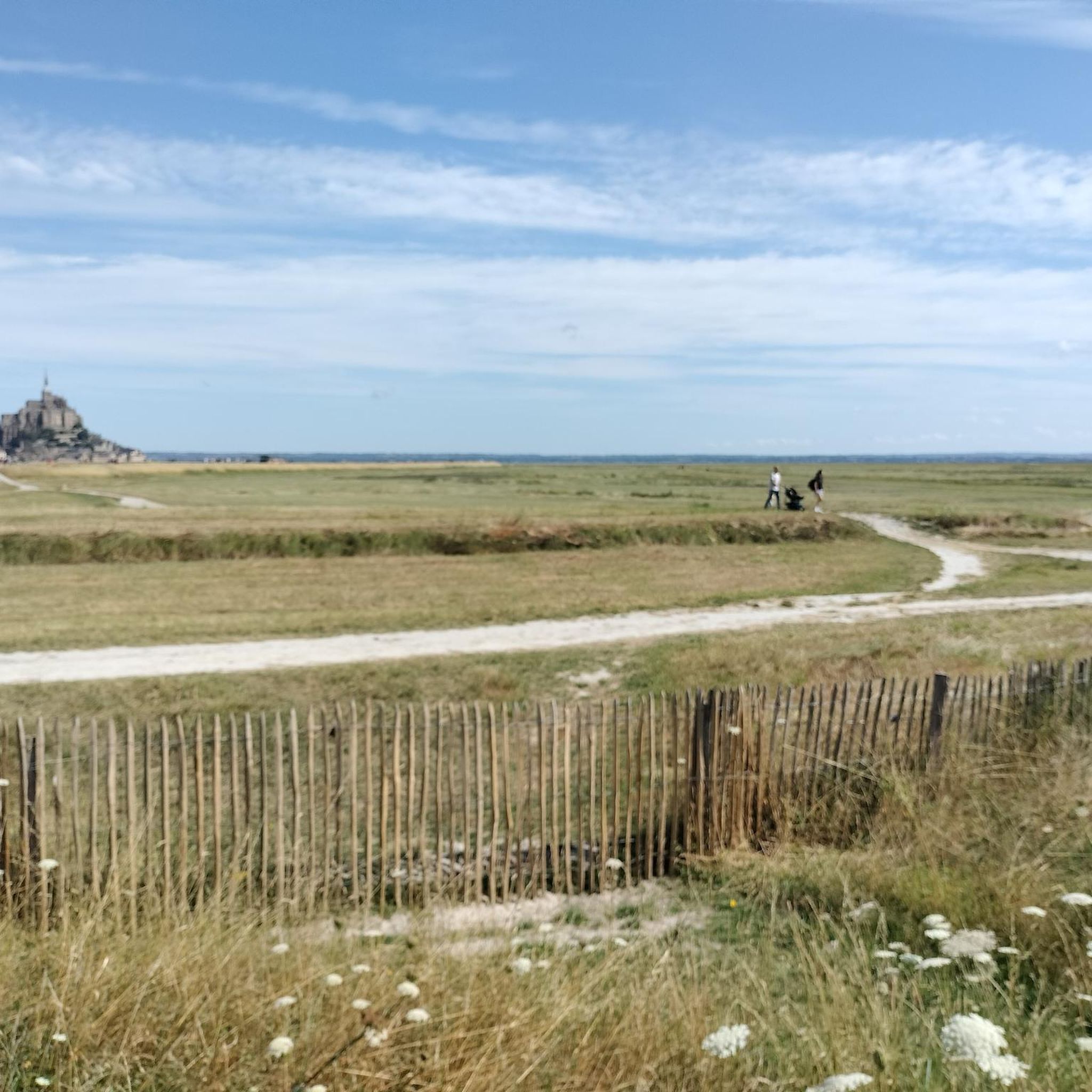
This former fortified castle was built in the 10th century to protect the city from Breton attacks. Located on a rock, it offers beautiful views over the bay of Mont-Saint-Michel and the Sée valley.
2
0
Frequently Asked Questions
What historical and religious sites can I visit around Subligny?
The region around Subligny is rich in history and religious heritage. You can explore the well-preserved Abbaye de La Lucerne, a beautiful example of Anglo-Norman architecture. Another significant site is the Priory of St Léonard, with origins dating back to the 2nd century. Don't miss the Château d'Avranches, a 10th-century fortified castle offering panoramic views. The local Église Notre-Dame de Subligny features a Romanesque portal and 14th-century statues, while the Kirche Notre-Dame-des-Champs in Avranches is a notable 19th-century church.
Are there any family-friendly attractions near Subligny?
Yes, several attractions around Subligny are suitable for families. The Abbaye de La Lucerne and the Priory of St Léonard are both marked as family-friendly. The charming settlement of Genêts and the Lerre, located in the Bay of Mont Saint-Michel, is also a great spot for all ages. For animal lovers, the Zoo de Champrepus is a popular choice, and the Jardin des Plantes in Avranches offers a pleasant botanical garden experience.
What natural features or viewpoints can I find in the area?
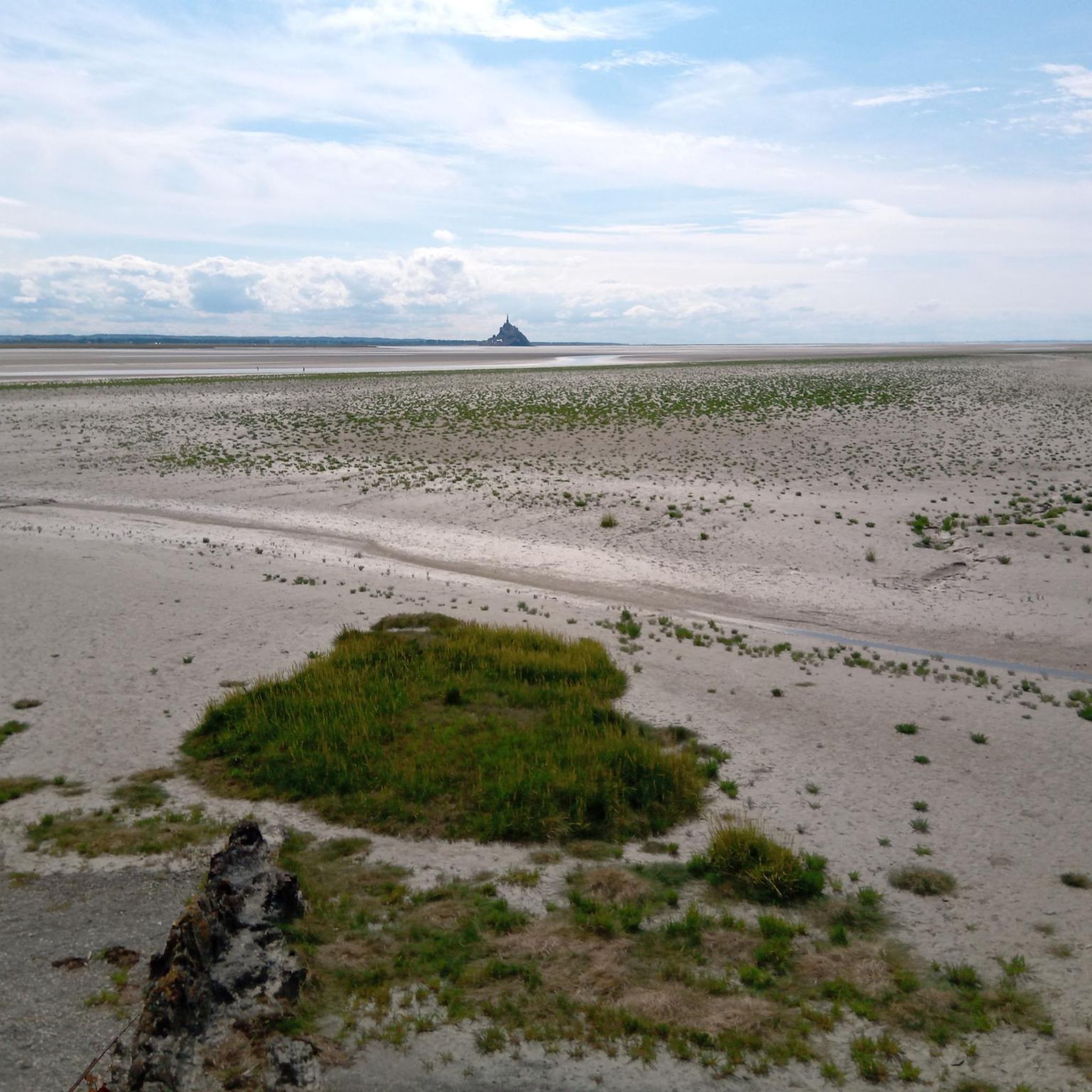
The region offers several scenic spots. The Château d'Avranches provides beautiful views over the Bay of Mont Saint-Michel and the Sée valley. The settlement of Genêts and the Lerre is situated in the picturesque Bay of Mont Saint-Michel, offering coastal landscapes. The Abbaye de La Lucerne is set within a tranquil wooded valley, providing a serene natural environment.
What outdoor activities, like cycling, are available near Subligny?
There are numerous cycling opportunities around Subligny. For road cycling, you can explore routes like the 'Sélune Riverbank – View of Mont Saint-Michel loop from Avranches' or 'Gilbert Bridge over the Sée – Genêts loop from Sainte-Pience'. Mountain biking enthusiasts can try trails such as 'Belvedere – Parking à vélos sécurisé loop from Avranches' or 'Abbaye de La Lucerne – Abbaye de La Lucerne loop from Sartilly-Baie-Bocage'. For general cycling, consider routes like 'Le Grand Port – View of the cliff road loop from Avranches' or 'Pontaubault Bridge – Voie verte de la Véloscénie loop from Avranches'. You can find more details on these routes in the dedicated guides for Road Cycling, MTB Trails, and Cycling around Subligny.
What is Mont Saint-Michel and how close is it to Subligny?
Mont Saint-Michel is an iconic tidal island, famous for its magnificent abbey and recognized as a UNESCO World Heritage site. It is a major highlight in the Normandy region, offering a unique blend of history, architecture, and natural beauty. While not directly in Subligny, it is a significant landmark within easy reach for a day trip from the area, providing an unforgettable experience.
What is the Scriptorial d'Avranches?
The Scriptorial d'Avranches is a museum dedicated to the precious manuscripts of Mont Saint-Michel. It offers a fascinating insight into the history of writing and the cultural heritage of the abbey, showcasing ancient texts and their preservation. It's located approximately 6.4 km from Subligny, making it an accessible cultural stop.
What do visitors enjoy most about the attractions around Subligny?
Visitors particularly appreciate the historical depth and architectural beauty of the sites. For instance, the Abbaye de La Lucerne is praised for its excellent preservation, beautiful park, and the harmony of its Anglo-Norman architecture. The Château d'Avranches is loved for its historical significance and the stunning panoramic views it offers over the bay. The charming village of Genêts and the Lerre is noted for its robust granite church and its location in the picturesque Bay of Mont Saint-Michel.
Are there any gardens or parks to visit in the area?
Yes, the Jardin des Plantes in Avranches is a lovely botanical garden where you can enjoy a variety of plants and serene landscapes. Additionally, Jean Cousin Square offers a charming garden with mosaic flowerbeds, providing a pleasant spot for relaxation.
What is the significance of the Église Notre-Dame de Subligny?
The Église Notre-Dame de Subligny is a Catholic church notable for its Romanesque portal, which features two columns and capitals sculpted with fleur-de-lis. Inside, it houses several historical objects, including an 18th-century main altar and altarpiece, as well as 14th-century polychrome limestone statues, making it a significant local historical and architectural site.
How far is the Château d'Avranches from Subligny?
The Château d'Avranches is located approximately 6.5 km from Subligny. This makes it a convenient and worthwhile visit for those interested in historical castles and panoramic views of the region.
What is the best time to visit the attractions around Subligny?
The best time to visit the attractions around Subligny, located in the Manche department, is generally during the spring (April to June) and early autumn (September to October). During these periods, the weather is typically mild and pleasant for exploring historical sites and enjoying outdoor activities, while avoiding the peak summer crowds.
Can I find any unique settlements or villages to explore?
Absolutely. The charming settlement of Genêts and the Lerre is a must-visit. Located in the Bay of Mont Saint-Michel, it features the robust, granite Eglise Notre-Dame, dating from the 12th-14th century, and offers a glimpse into local life and history.
Most popular routes around Subligny

Get inspired with the komoot mobile app


Explore more
Still not found the Highlight you’re looking for? See guides of the top attractions in other regions:
