The best cycling routes around Morsalines
4.6
(610)
3,700
riders
136
rides
Touring cycling routes around Morsalines offer diverse landscapes, from picturesque coastal settings to varied countryside. The region is characterized by its bay, providing scenic views of the La Hougue peninsula, and features like tidal flats and the "bocage" countryside with its fields and groves. Cyclists can explore routes that traverse coastal paths, wet meadows, and canals, offering a blend of natural beauty.
Best touring cycling routes around Morsalines
- The most popular touring cycling route is The mouth of the Saire…
Last updated: November 5, 2026
4.1
(17)
94
riders
32.4km
02:02
150m
150m
4.5
(21)
144
riders
Moderate bike ride. Good fitness required. Mostly paved surfaces.

4.3
(11)
54
riders
Hard bike ride. Good fitness required. You may need to push your bike for some segments of this route.
4.4
(5)
26
riders
19.1km
01:14
130m
130m
Hard bike ride. You may need to push your bike for some segments of this route.
5.0
(2)
48
riders
Easy bike ride. Mostly paved surfaces.
Get access to more routes and recommendations from other explorers.
Already have an account?
Our route recommendations are based on thousands of hikes, rides, and runs completed by other people on komoot.
Start today with a free account
Your next adventure awaits.

Tips from the Community

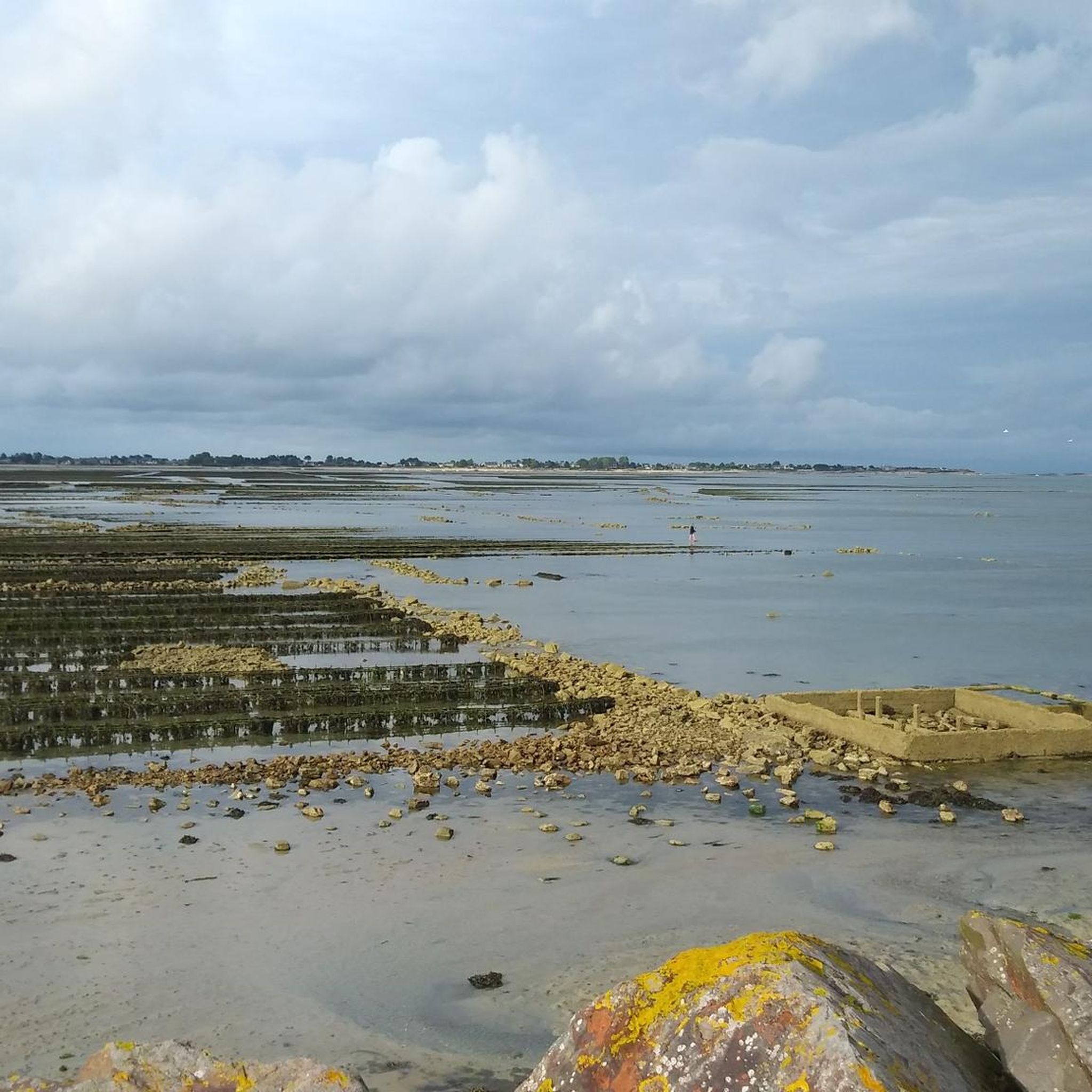
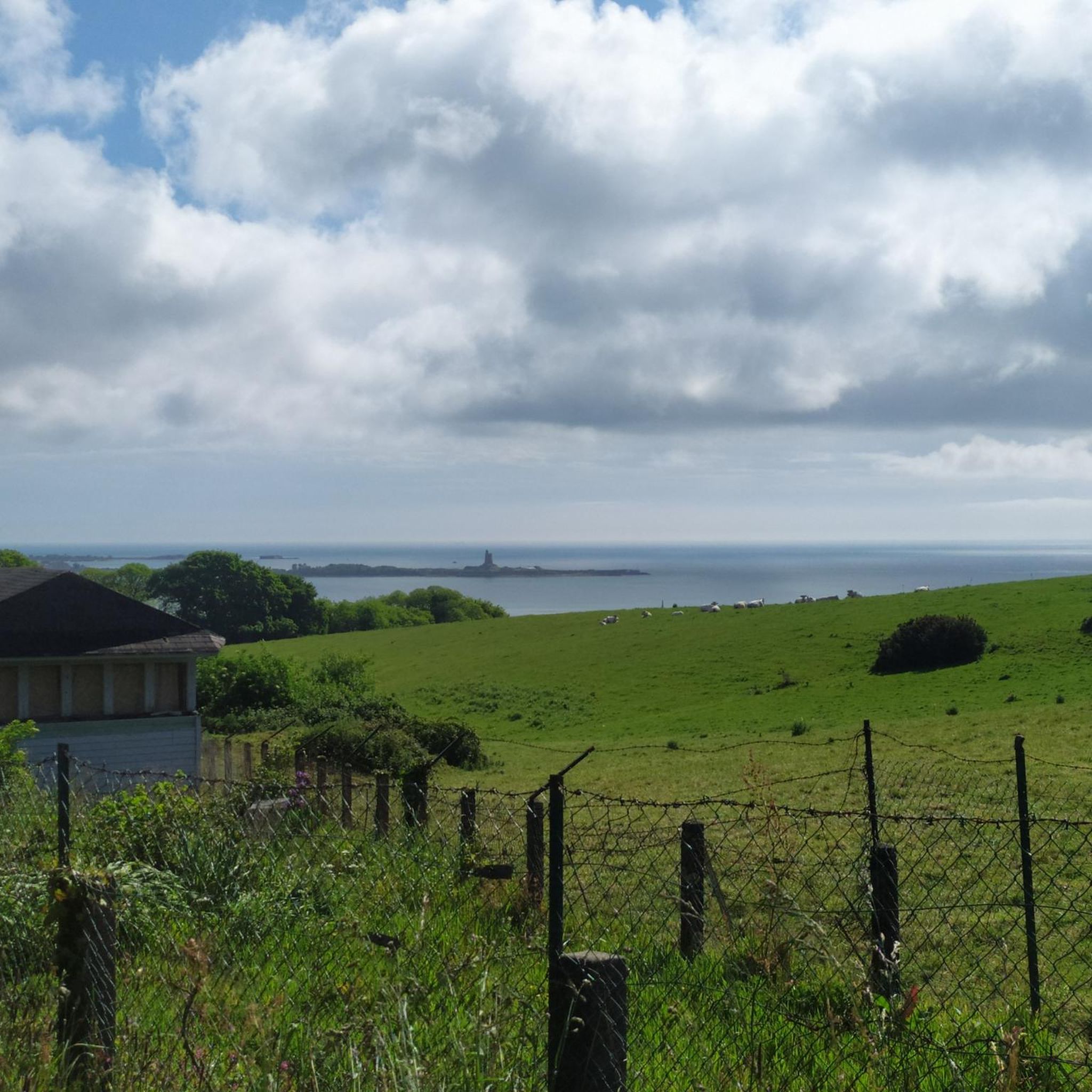
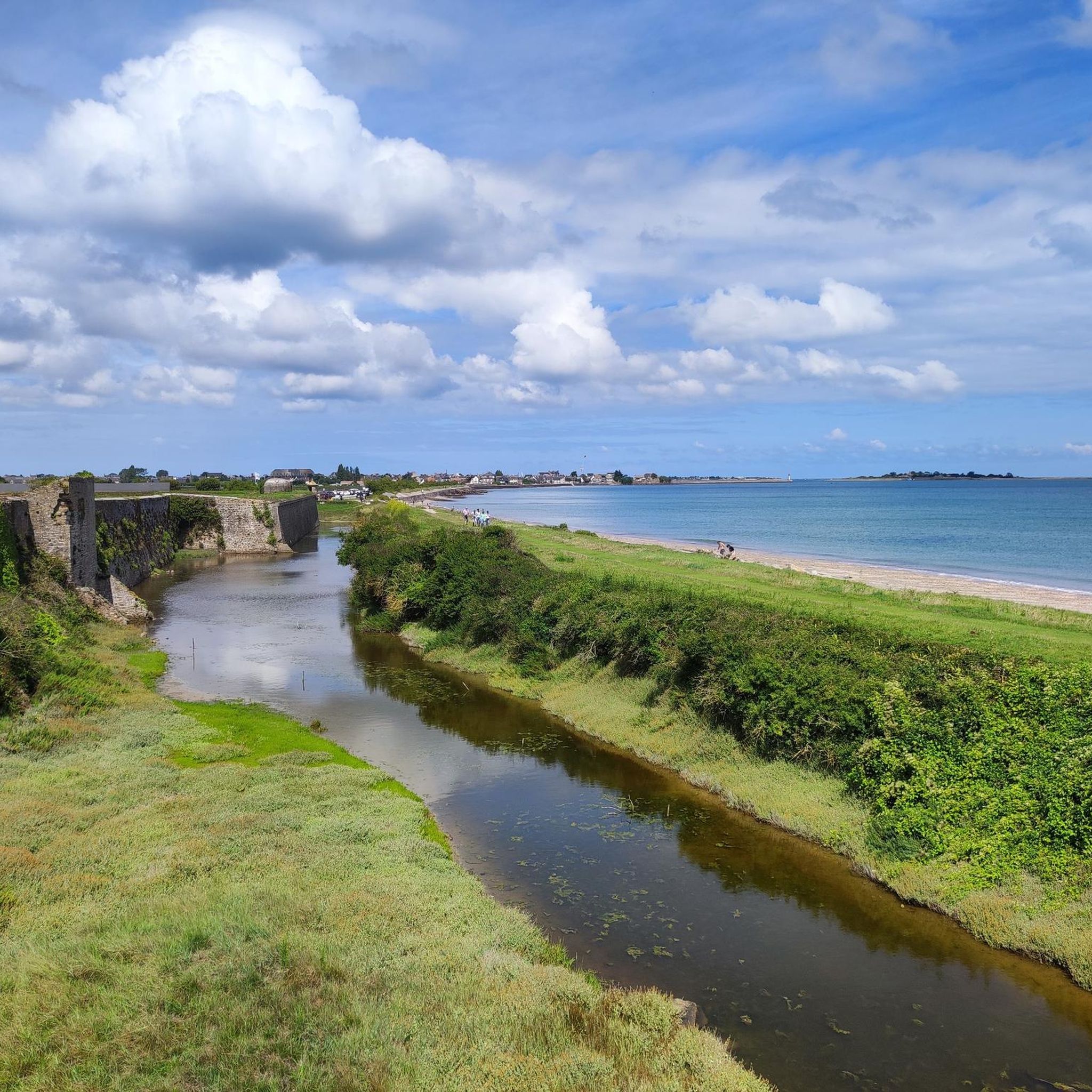
The Fort de la Hougue is located on a peninsula south of Saint-Vaast-la-Hougue on the east coast of the Cotentin. After the naval battle of La Hougue in 1692, in which numerous French warships were destroyed, Louis XIV had the bay more heavily fortified. Starting in 1694, the mighty Tour de la Hougue was built under the direction of the fortress engineer Benjamin de Combes according to Vauban's principles. Together with the opposite tower on the Île Tatihou, it secured the approach to the bay through overlapping artillery fire. In the 19th century, the complex was expanded with additional batteries and ammunition buildings. During the Second World War, the German occupiers integrated the fort into the Atlantic Wall. Today, therefore, fortification elements from several centuries have been preserved. Since 2008, the Tour de la Hougue, together with Tatihou, has been part of the UNESCO World Heritage "Fortifications of Vauban".
1
0

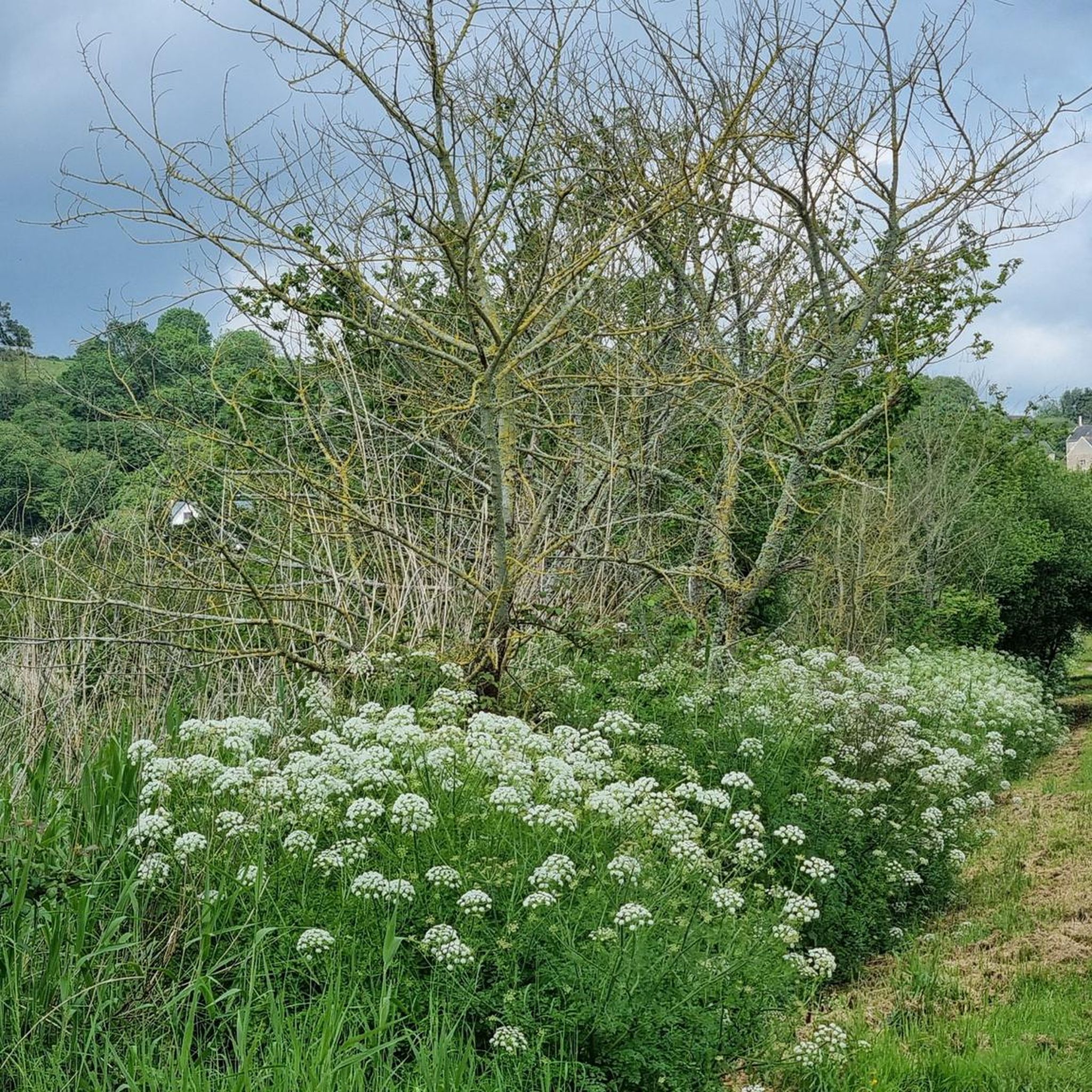
The canal lies quietly next to the road and is home to all sorts of waterfowl and other creatures.
0
0

pay attention to the direction of the wind
0
0

Right next to it on the left is the best boulangerie in town. Their specialty: brioche feuilleté. A must-try!
0
0
The hike is beautiful and safe. Except for one major drawback: if you have a dog, be careful because there are several farm properties with dogs running free!! There is a waterfall at the end of the hike.
1
0

Very pretty fishing and marina port.
2
0
Magnificent tour. Not to be missed. Battery well charged. We loved it.
0
0

The old granite harbor is the heart of Barfleur and is still used by small fishing boats.
6
0
Frequently Asked Questions
How many touring cycling routes are available around Morsalines?
There are over 110 touring cycling routes around Morsalines, offering a wide variety of options for different skill levels and preferences. You'll find a mix of easy, moderate, and difficult paths to explore.
What do other touring cyclists enjoy most about the routes in Morsalines?
The touring cycling routes around Morsalines are highly rated by the komoot community, with an average score of 4.5 stars from over 400 reviews. Cyclists often praise the diverse landscapes, from scenic coastal paths to the tranquil 'bocage' countryside, and the well-maintained network that caters to various abilities.
Are there easy touring cycling routes suitable for beginners or families?
Yes, Morsalines offers several easy touring cycling routes perfect for beginners or families. For example, the Saint-Vaast-la-Hougue – Mouth of the Saire loop from Quettehou is an easy 18.9 km path that provides a gentle ride through the area around Saint-Vaast-la-Hougue and the Saire estuary.
Are there more challenging touring cycling routes for experienced riders?
Absolutely. For experienced cyclists seeking a challenge, Morsalines has routes with greater elevation gains and varied terrains. The La Hougue Dike – Saint-Vaast-la-Hougue loop from Videcosville is categorized as difficult, offering a more demanding experience with significant ascents and descents.
What kind of landscapes can I expect to see while cycling around Morsalines?
Cycling around Morsalines offers diverse landscapes. You'll encounter picturesque coastal views of the English Channel and the La Hougue peninsula, serene tidal flats, and the charming 'bocage' countryside with its fields, groves, and small streams. Some routes also traverse wet meadows and canals, providing a rich variety of scenery.
Are there any historical sites or landmarks to explore along the cycling routes?
Yes, the region is rich in history. You can visit the Fort of La Hougue, a Vauban fortification, or explore the historical World War II Crisbecq Battery (Saint-Marcouf). The area also features the Phare des Arquets (Arquets Lighthouse) and is close to the charming port town of Saint-Vaast-la-Hougue.
Can I find routes that include gravel sections?
Yes, some routes incorporate gravel sections, offering a different cycling experience. The Along the beach (Gravel) – 2nd Armored Division Monument loop from Quettehou is a moderate route that features gravel segments along the beach, perfect for those who enjoy mixed terrain.
Are there any routes that pass by waterfalls or other natural attractions?
Yes, you can find natural attractions along some routes. The Waterfall on the Saire at Le Vast is a notable natural feature in the wider area that can be incorporated into longer tours. Many routes also offer stunning views of the Mouth of the Saire and coastal coves.
When is the best time of year to go touring cycling in Morsalines?
The best time for touring cycling in Morsalines is generally from spring through early autumn. During these months, the weather is milder, and you can fully enjoy the coastal breezes and diverse landscapes. The region's varied terrains, including coastal paths and 'bocage' countryside, are particularly pleasant during these seasons.
Are there circular touring cycling routes available?
Many of the touring cycling routes around Morsalines are designed as loops, allowing you to start and end your journey in the same location. For instance, the popular The mouth of the Saire and the coves — loop from Quettehou is a circular route exploring the scenic river mouth and coastal areas.
Are there options for long-distance touring cycling?
Morsalines is integrated into a wider network of cycling routes within the Manche department, which boasts over 1,200 km of cycle routes. Major long-distance routes like the Véloscénie, Vélomaritime, and Vélo West Normandy traverse the region, offering opportunities to tackle single stages or entire routes for extended touring experiences.
Most popular attractions around Morsalines

Get inspired with the komoot mobile app


Explore more
Browse the best Cycling routes in other regions.
