The best road cycling routes around Morsalines
4.3
(45)
927
riders
77
rides
Road cycling around Morsalines offers diverse experiences across its coastal setting and the wider Normandy region. The immediate area features a captivating shoreline with panoramic views of the La Hougue peninsula, characterized by traditional houses and old fishing dwellings. Terrain in Morsalines ranges from 3 to 88 meters in elevation, providing both flatter coastal stretches and undulating inland roads. The broader Normandy region, easily accessible from Morsalines, includes varied coastal landscapes, plains, hilly pastures, and forests, with notable sites like…
Last updated: August 28, 2026
4.4
(5)
102
riders
41.5km
01:36
100m
100m
Moderate road ride. Great for any fitness level. Some segments of this route may be unpaved and difficult to ride.
4.7
(3)
32
riders
103km
04:20
800m
800m
Moderate road ride. Good fitness required. Mostly well-paved surfaces and easy to ride.

Sign up for free
5.0
(3)
23
riders
36.0km
01:37
300m
300m
Moderate road ride. Great for any fitness level. Some segments of this route may be unpaved and difficult to ride.
4.5
(2)
27
riders
Moderate road ride. Great for any fitness level. Some segments of this route may be unpaved and difficult to ride.
4.0
(1)
21
riders
62.4km
02:36
350m
350m
Moderate road ride. Good fitness required. Some segments of this route may be unpaved and difficult to ride.
Get access to more routes and recommendations from other explorers.
Sign up for free
Already have an account?
Our route recommendations are based on thousands of hikes, rides, and runs completed by other people on komoot.
Start today with a free account
Your next adventure awaits.
Login or Signup
Tips from the Community

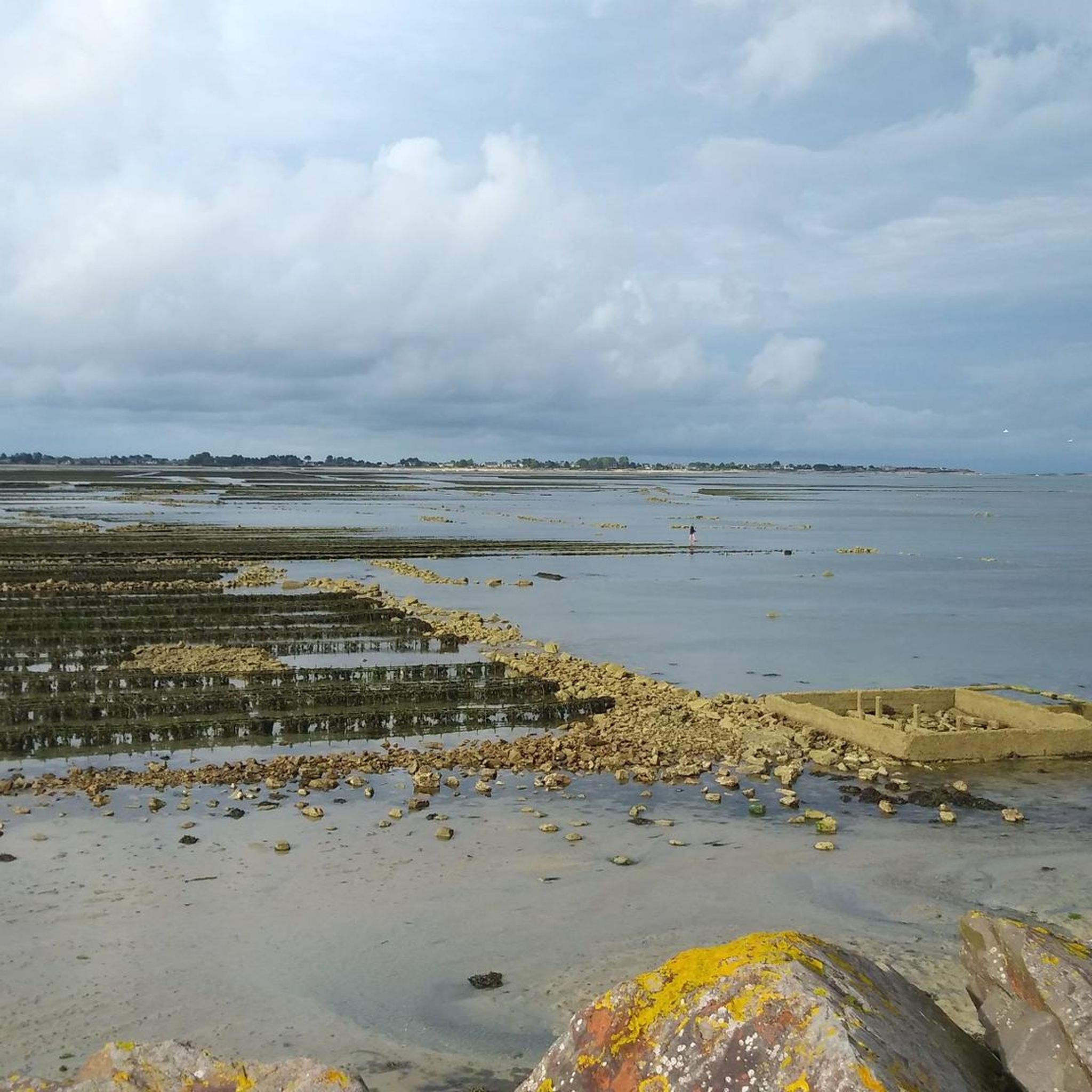
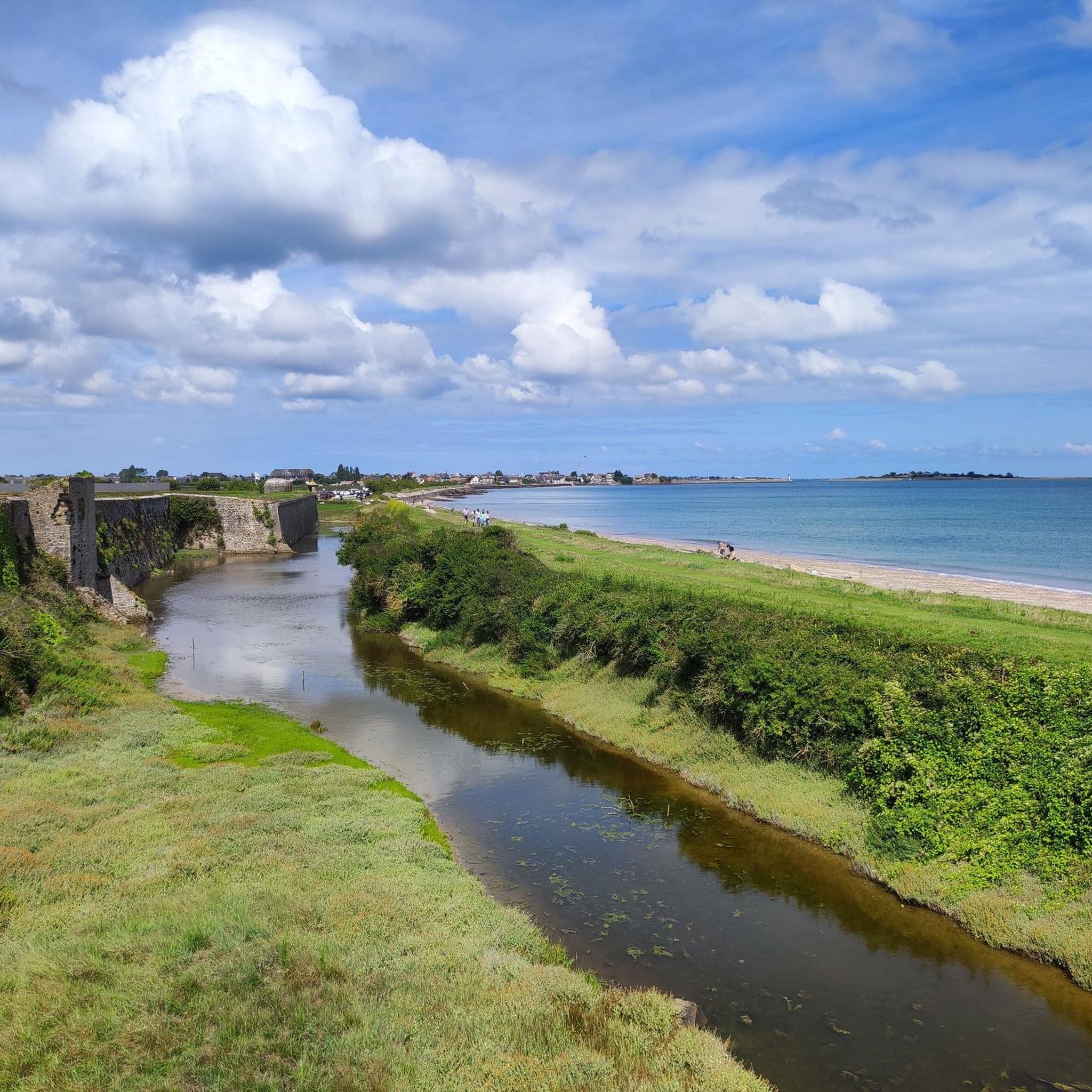
Beautiful beach section near Quinéville
0
0
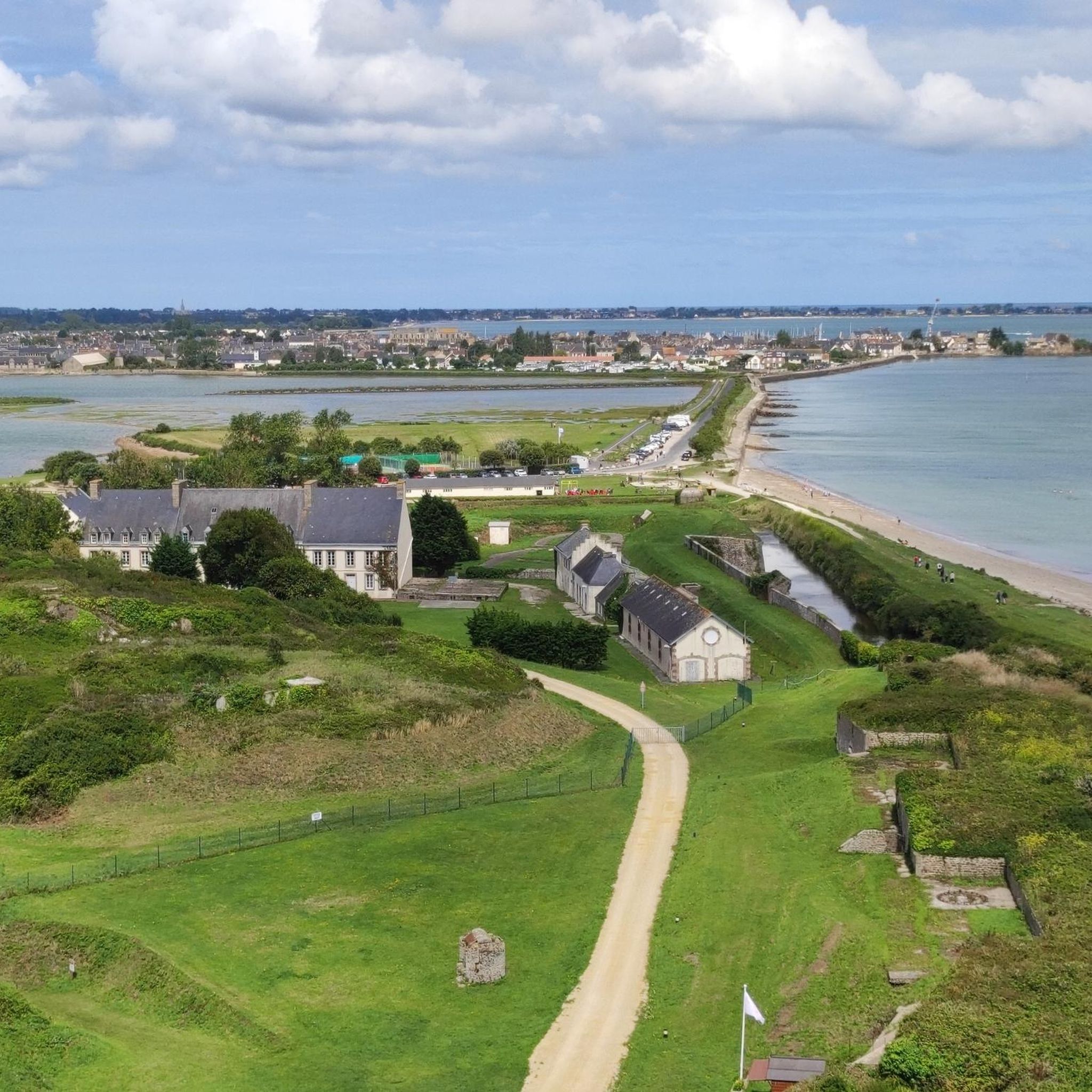
The island is home to the Vauban fortress Fort de la Hogue.
0
0

The legendary Major Richard D. Winters, portrayed in the series ‘Band of Brothers’, is honored in bronze.
0
0

The statue is already visible from afar.
1
0

Very pretty fishing and marina port.
2
0

The original lighthouse was built in 1775 to protect the dangerous waters around Pointe de Barfleur, which were known for numerous shipping disasters, including the sinking of the "White Ship" in 1120. Since the first tower did not meet the requirements of the 1825 national coastal lighting program, construction began on a new, larger tower in 1829. Completed in 1835 under the direction of architect Charles-Félix Morice de la Rue, it replaced the old tower, which was then used as an optical telegraph. The new tower is made of approximately 11,000 granite blocks and has 365 steps—symbolizing the days of a year. It also has 52 windows (representing the weeks) and 12 floors (representing the months).
6
0
The old granite harbor is the heart of Barfleur and is still used by small fishing boats.
6
0
A beautiful little fishing village that is worth a visit.
6
0
Frequently Asked Questions
How many road cycling routes are available around Morsalines?
There are over 60 road cycling routes around Morsalines, offering a variety of experiences. These include 20 easy routes, 41 moderate routes, and 1 difficult route, catering to different skill levels.
What kind of terrain can I expect when road cycling near Morsalines?
Road cycling around Morsalines features a diverse terrain. You'll find captivating shorelines with panoramic views, as well as undulating inland roads. The elevation in the immediate Morsalines area ranges from 3 to 88 meters, but the wider Normandy region, easily accessible from Morsalines, includes varied coastal landscapes, plains, hilly pastures, and forests, offering more challenging climbs.
Are there road cycling routes suitable for beginners or families in Morsalines?
Yes, Morsalines offers several road cycling routes suitable for beginners and families. For example, the Barfleur Harbour – Port of Barfleur loop from Quettehou is an easy 34.1 km trail that leads through coastal villages and harbors. Another easy option is the Beautiful sea view – Saint-Vaast-la-Hougue Harbor loop from Videcosville, which is 37.3 km long.
What are some scenic highlights or natural features I can see while cycling?
While cycling around Morsalines, you can enjoy stunning coastal views, especially of the La Hougue peninsula. Notable natural features include the Mouth of the Saire and the dramatic chalk cliffs found further along the Norman coast. The region also boasts diverse flora adapted to the coastal environment, and the Cotentin and Bessin Marshes Regional Natural Park is accessible for nature observation.
Are there any historical landmarks along the road cycling routes?
Yes, the region around Morsalines is rich in history. You can cycle past the historic Fort of La Hougue and explore sites like the Crisbecq Battery (Saint-Marcouf). The wider Normandy region is also famous for its D-Day landing beaches, which are incorporated into several major cycling itineraries.
What is the best time of year for road cycling in Morsalines?
The coastal setting of Morsalines and the wider Normandy region generally offers pleasant conditions for road cycling from spring through autumn. These seasons provide milder weather, making it ideal to enjoy the scenic routes and varied landscapes. Winter cycling is possible but may be subject to colder temperatures and potentially stronger coastal winds.
Are there any long-distance cycling routes accessible from Morsalines?
Yes, Morsalines provides excellent access to several major long-distance cycling itineraries. These include sections of La Vélomaritime (EuroVelo 4), which follows the French coastline, and La Vélo Francette, which offers extensive networks through the Norman countryside. These routes allow for longer, multi-day cycling adventures.
Can I find loop routes for road cycling around Morsalines?
Many of the road cycling routes around Morsalines are designed as loops, allowing you to start and end in the same location. Examples include the Gatteville Lighthouse – Port of Barfleur loop from Quettehou (41.8 km) and the Anse du Brick – Barfleur Harbour loop from Quettehou (102.8 km).
What do other cyclists say about road cycling in Morsalines?
The road cycling routes in Morsalines are highly rated by the komoot community, with an average score of 4.3 stars from over 30 reviews. Cyclists often praise the picturesque coastal setting, the varied elevation that offers both gentle and challenging sections, and the access to diverse rural roads of Normandy.
Are there options for more challenging road cycling with significant climbs?
While the immediate Morsalines area has moderate elevation changes, the broader Normandy region accessible from Morsalines offers routes with more significant climbs. For instance, the 102.8 km Anse du Brick – Barfleur Harbour loop from Quettehou has over 875 meters of cumulative ascent, providing a more challenging experience.
Is parking available near the starting points of road cycling routes?
Given Morsalines's location as a potential hub for exploring the wider region, parking is generally available in and around the starting points of many routes, particularly in larger villages or towns like Quettehou or Videcosville, which are common starting points for tours in the area.
Are there any specific cycling itineraries that showcase the D-Day beaches from Morsalines?
While Morsalines itself is not directly on the D-Day beaches, its location provides excellent access to routes that incorporate these historic sites. Major cycling itineraries like La Vélomaritime pass through the D-Day beaches, offering a poignant blend of scenic beauty and historical significance. You can plan a route from Morsalines to connect with these sections.
Most popular attractions around Morsalines

Get inspired with the komoot mobile app


Explore more
Browse the best Road cycling routes in other regions.
