Top 20 Mountain Passes around Saint-Nizier-D'Azergues
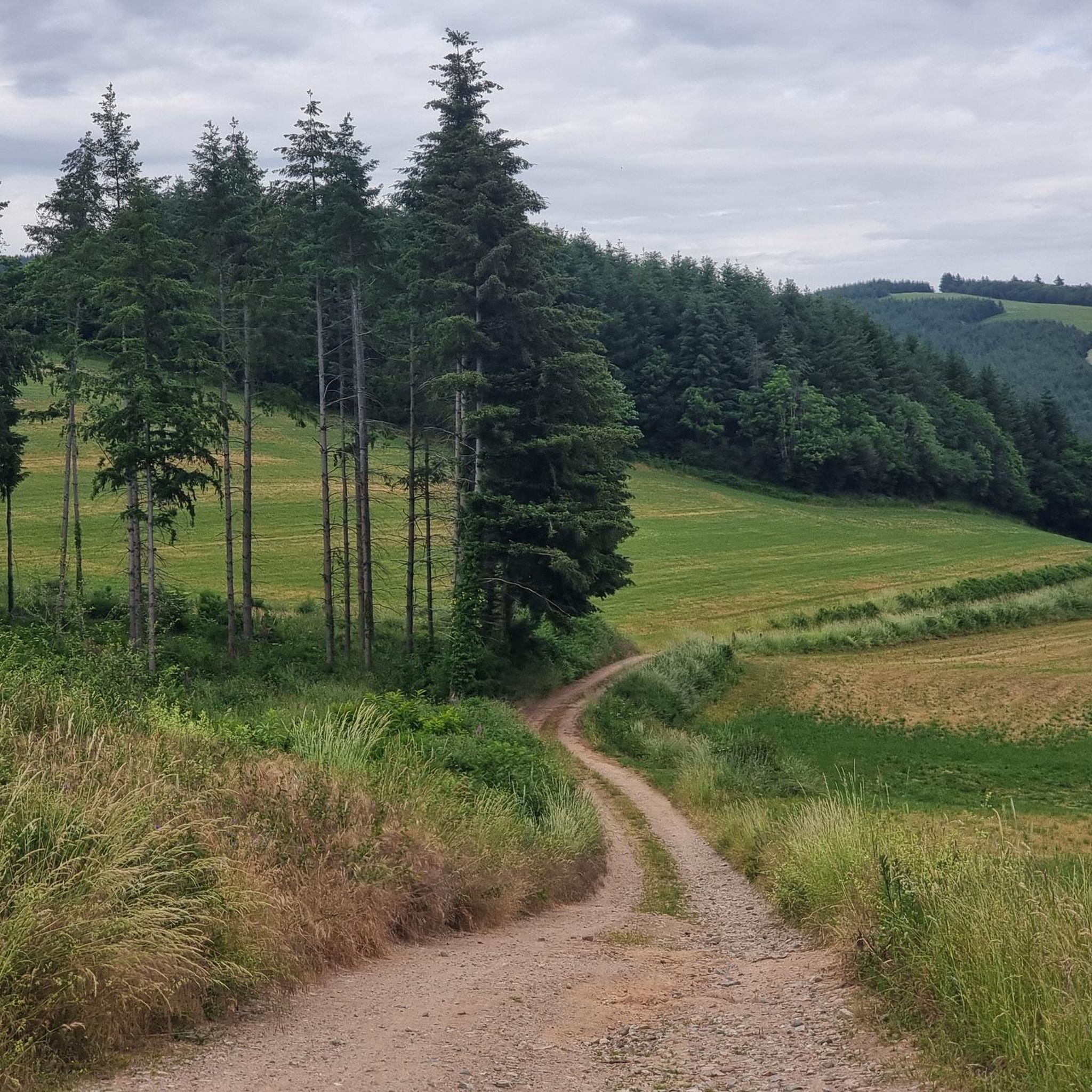
Mountain passes around Saint-Nizier-D'Azergues are situated in the Beaujolais Vert region, characterized by undulating terrain, forests, and meadows. This area offers routes for cyclists and scenic drives. The landscape features a mix of coniferous forests and agricultural activity. The region is known for its challenging routes and significant elevation changes.
Best mountain passes around Saint-Nizier-D'Azergues
- The most popular mountain passes is Le relais du Parasoir, a restaurant located at an altitude of 656 meters. It offers views of the…
Last updated: June 26, 2026
Col de Saint-Bonnet
Highlight • Mountain Pass
Showing Translation
Tip by

Le relais du Parasoir
Highlight • Restaurant
Translated by Google •
Tip by

Sign up now to discover places like this
Get recommendations on the best single tracks, peaks, & plenty of other exciting outdoor places.
Sign up for free
Cambuse Pass
Highlight • Mountain Pass
Translated by Google •
Tip by
Croix d'Ajoux
Highlight • Religious Site
Translated by Google •
Tip by

Croix Papin Pass
Highlight • Mountain Pass
For the record, it took me 3 attempts to complete the entire route, the first having been …
Translated by Google •
Tip by

Sign up for free to discover even more mountain passes around Saint-Nizier-D'Azergues.
Sign up for free
Already have an account?
Start today with a free account
Your next adventure awaits.
Login or Signup
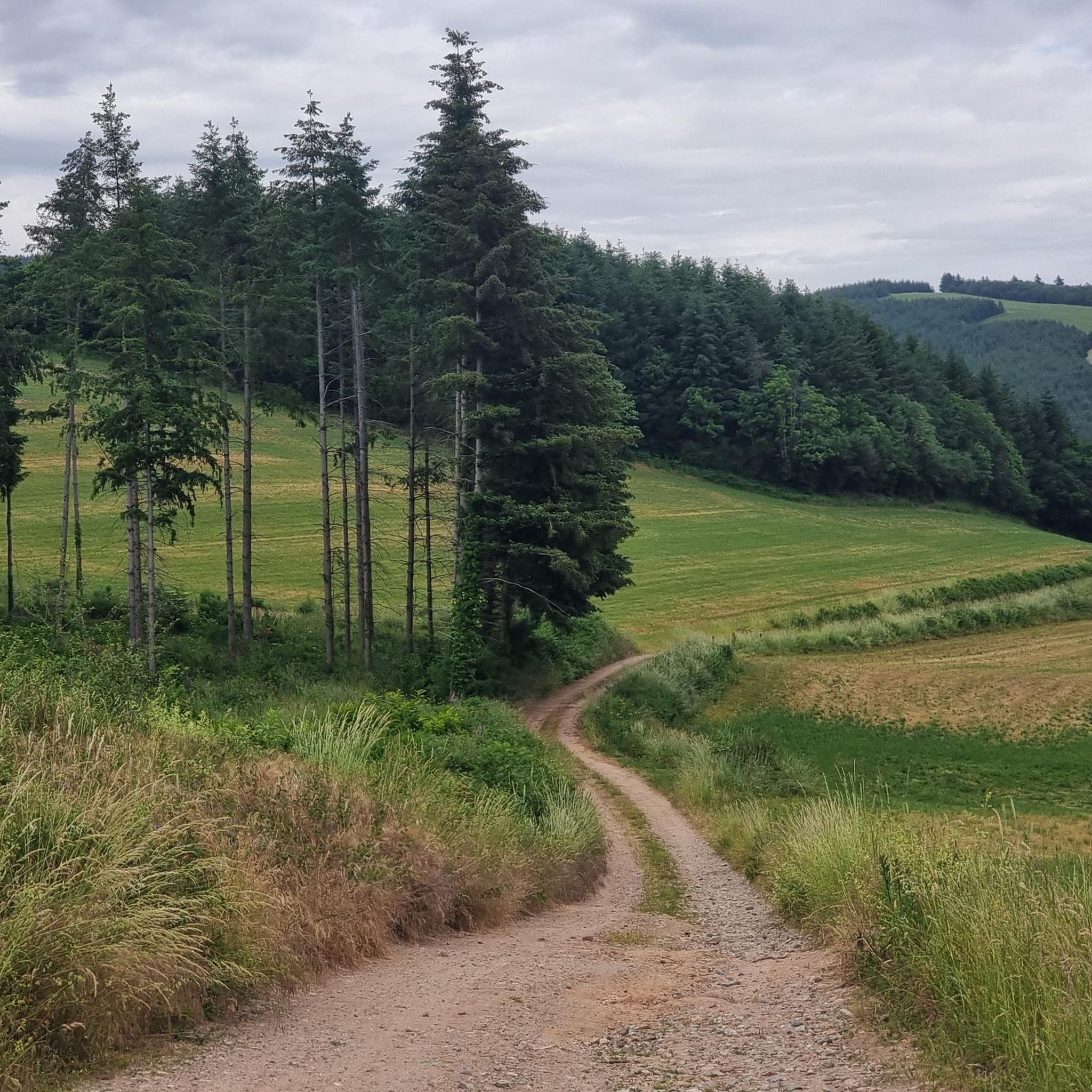
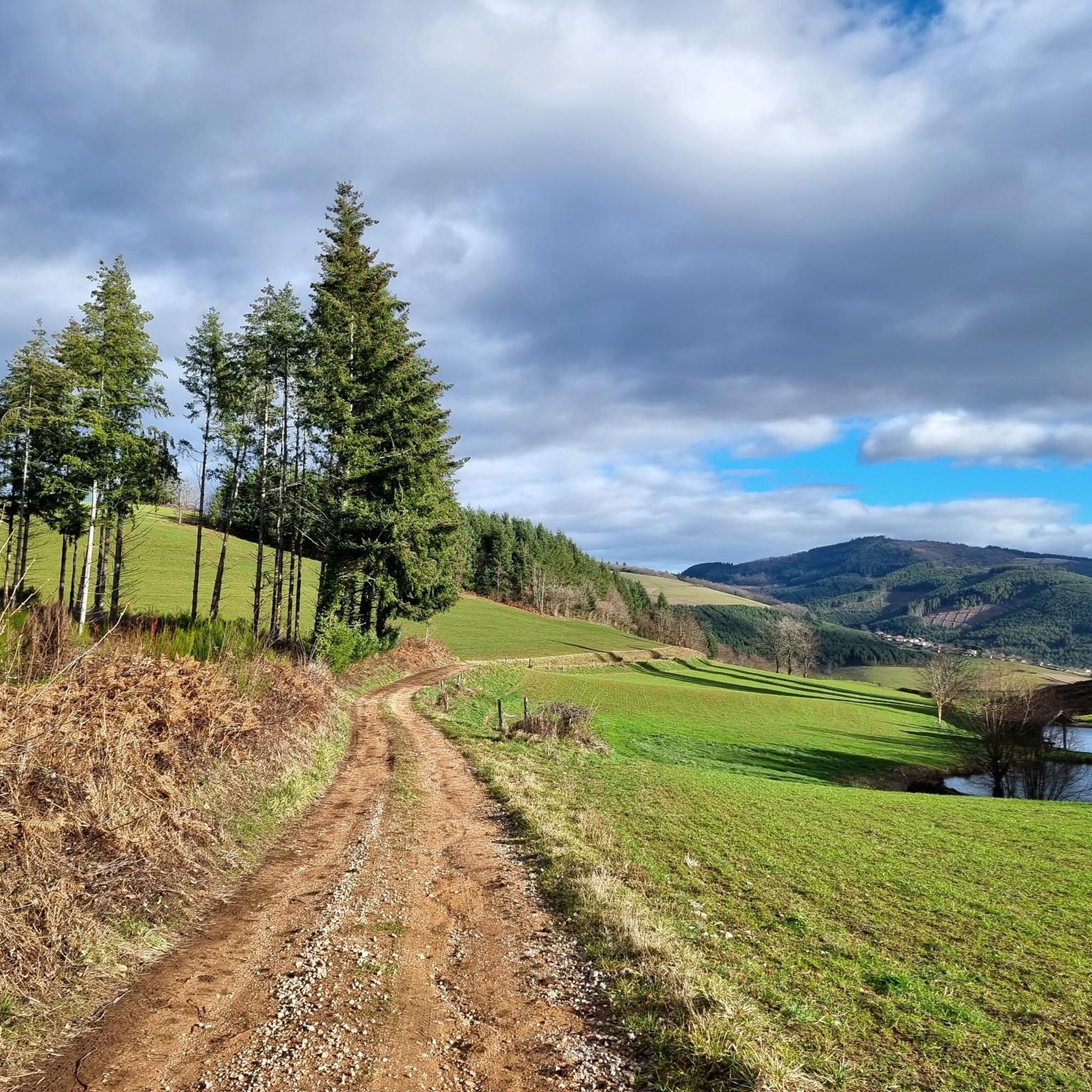
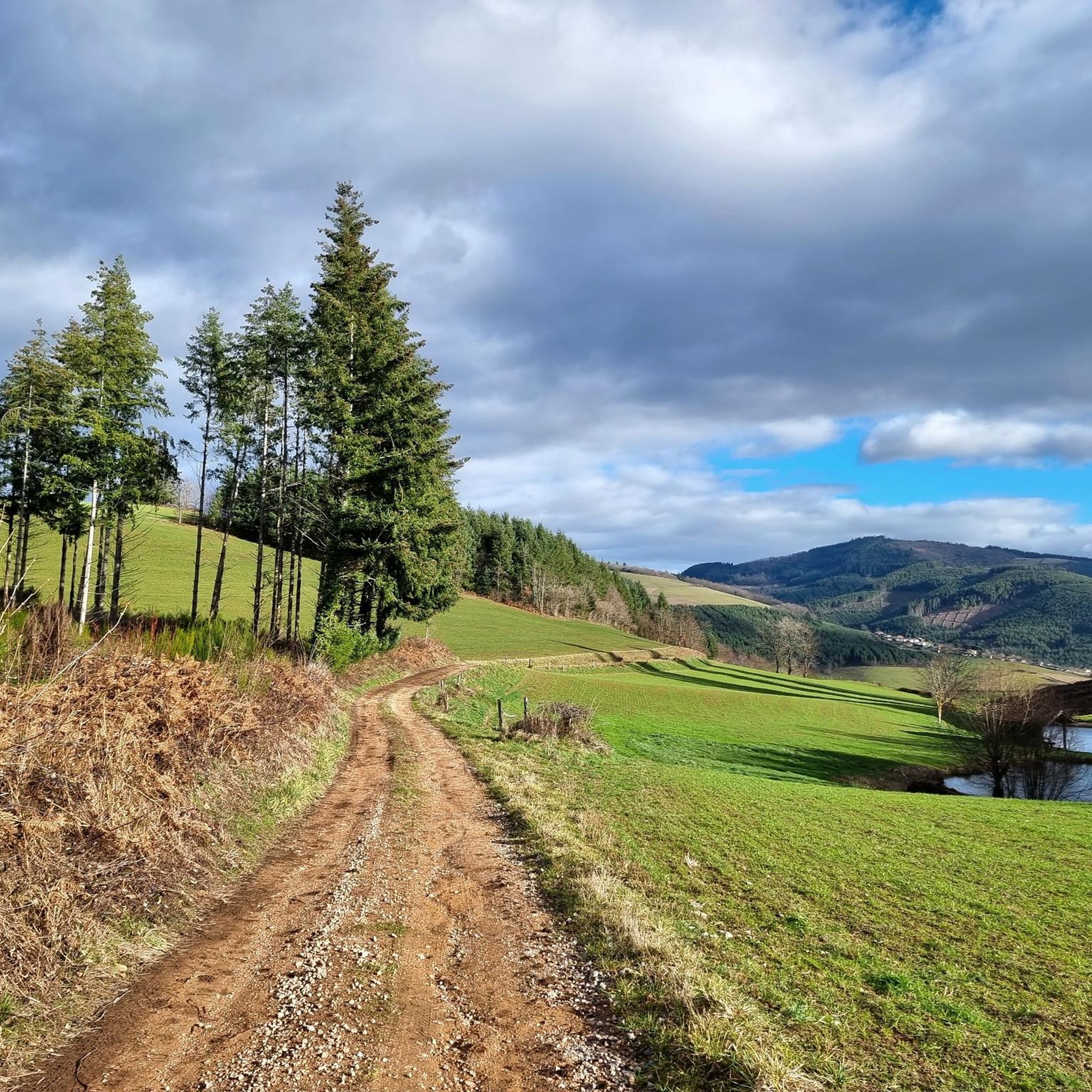
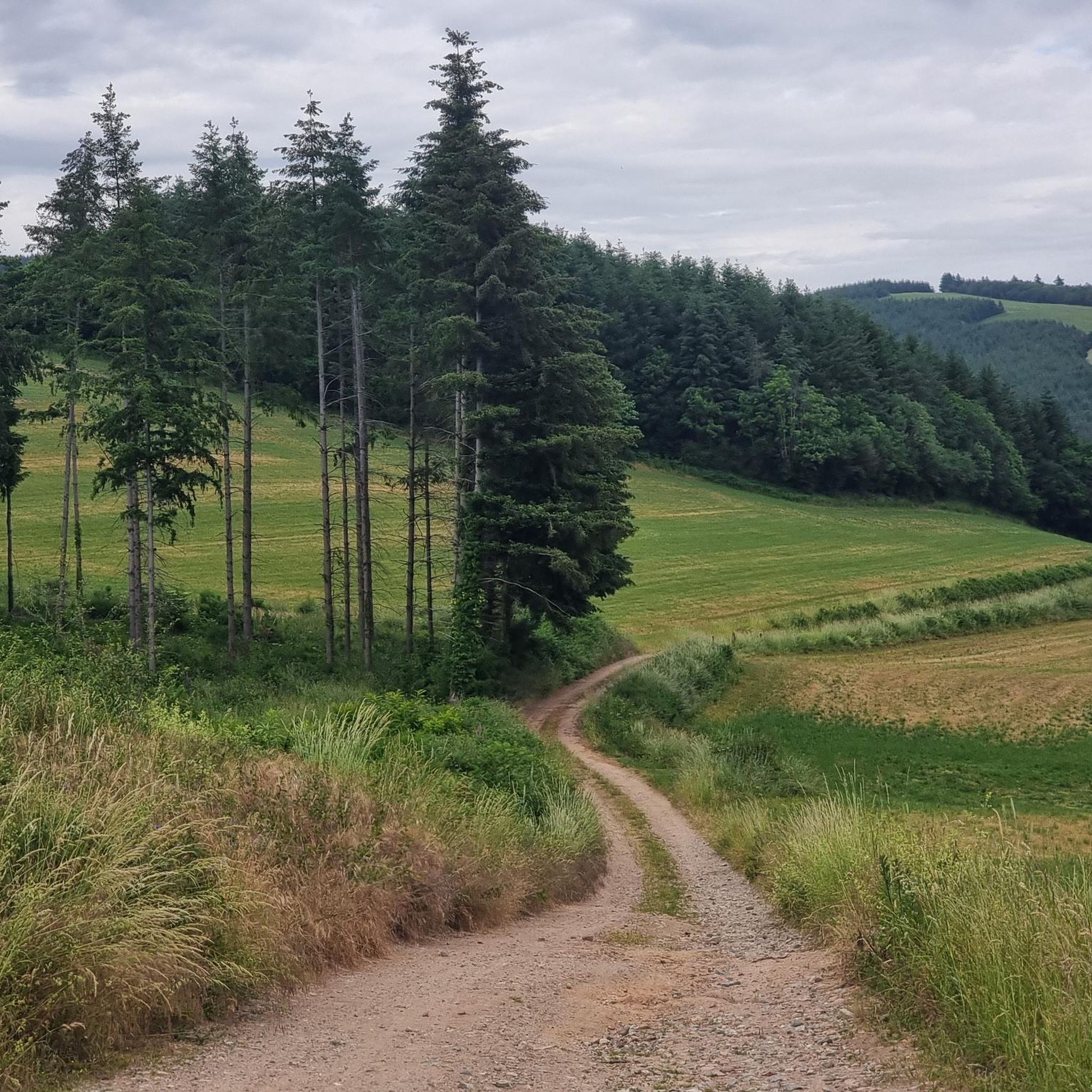
Tips from the Community


The Col de Saint-Bonnet, located in the heart of the Alps, offers a spectacular panorama of the surrounding mountains and green valleys. This pass, perched at an altitude of 1,499 metres, is a favourite passage for hikers and cyclists in search of magnificent landscapes. As you climb the slopes of the pass, the view gradually opens up onto the Alpine peaks, forests and flowery meadows.
0
3

For a little refreshing break between 2 passes
0
0

The Col de Saint-Bonnet is a beautiful pass in Beaujolais, culminating at 646 meters. The two main ascents are from Salles-Arbuissonas or Rivolet. Without great difficulty from Salles, it offers very beautiful panoramas of Beaujolais. Via Rivolet, the gradients are steeper in some sections, but the climb is short. You can then reach the Parasoir via the Col de la Vieille Morte, almost without any climbing.
1
0

“Each of these crosses can tell its own story and what prompted people to erect “their” cross at this point. (...) These wayside crosses were erected as visible signs and attract the attention of many people. The cross is a symbol of life. It stands as a sign of our Christian hope and wants to direct our gaze to Jesus Christ, who has overcome death (...). The cross is part of our life as it was in the life of Jesus. So I wish that many people … visit the crosses, whether as places of stillness and breathing space before God, whether as places for community gatherings, prayer and praise to God.” (Text source: Dean Rainald M. Ollig in: “Crossroads. Small sacred monuments as a sign of popular piety")
3
1
To do from Chambost-Allières, Rivolet. In the fog, the climb seemed very long to me. The percentages are low but the climb is quite long, 7 km at 4.5%. At the top you can go for a walk in St Cyr le Chatoux, take your gravel or mountain bike to go on the paths, go climb the Pyramid, eat and drink at the restaurant, continue on the ridge road which goes to the North by chaining the collars.
1
0
Nice pass to do from: Chambost-Allières, Chamelet, Létra, La Saule d'Oingt in the extension of the Col du Chêne. Nice percentages on the Chamelet side, Létra and in the beginning of the ascent from Chambost, at the end the slope flattens out. From Chambost, we climb in a beautiful semi-mountain atmosphere. The connection from the Col du Chêne to the Joncin offers a magnificent view all along over the Azergues. It is the starting point of a beautiful forest trail in the Cantinière forest, to be done in gravel, and mountain bike trails.
0
0
3 or even 5 possible climbs: from Azergues via Grandris 3: the main one, a small annex in less good condition from Grandris Haut and a terrible variant via Gondras with passages at 25% from Grandris bas. They all return to the main road before the pass. The main road and on a road in fairly good condition, little gradient 3/4% for about 9 km with beautiful landscapes and quite a few clear views. On the Rhine valley side, you can climb from Cublize (approximately 5% average but much shorter) or from Magny via Meaux la Montagne. On the latter the climb to Meaux is quite steep at 7/8% then after Meaux the slope is gentle not far from 2/3%. On these faces the landscapes are less clear but still appreciable. In summer be careful because good parts of the pass especially from the Rhine are in full dodger for quite a long time.
2
0
Frequently Asked Questions
What are some notable mountain passes to explore around Saint-Nizier-D'Azergues?
The region offers several distinctive mountain passes. Le relais du Parasoir is a popular spot, not just a pass but also a restaurant at 656 meters with panoramic views. For cyclists, Col Favardy is a well-known climb with a 5.7% average gradient over 6.4 km, while Col de la Croix Nicelle offers variable inclines between 5% and 10% through the Beaujolais Vert.
What kind of landscapes can I expect to see when visiting the mountain passes?
The mountain passes around Saint-Nizier-D'Azergues are set within the Beaujolais Vert region, characterized by undulating terrain, a mix of coniferous forests, and agricultural meadows. You'll encounter scenic views of the Beaujolais vineyards, the Saône valley, and the dense forests of Azergues, especially from higher vantage points like Le relais du Parasoir.
What do visitors particularly enjoy about the mountain passes in this area?
Visitors appreciate the challenging yet rewarding cycling ascents, the tranquil natural surroundings, and the panoramic views. Many enjoy the sense of accomplishment after tackling climbs like Col Favardy or Col de la Croix Nicelle. The area is also praised for its well-defined cycling routes and the immersive experience of riding through the heart of the Beaujolais Vert.
Are there cycling routes that incorporate these mountain passes?
Yes, the area is renowned for its cycling opportunities. Passes like Col des Escorbans and Col de la Cambuse are part of challenging cycling circuits in the Beaujolais Vert region, featuring significant elevation gains. You can find various cycling routes, including difficult ones, by exploring the Cycling around Saint-Nizier-D'Azergues guide.
What hiking opportunities are available near the mountain passes?
While the passes are popular for cycling, there are also hiking opportunities in the surrounding Beaujolais Vert region. You can find trails of varying difficulty, from moderate to difficult, that allow you to explore the forests and natural beauty. For detailed hiking options, refer to the Hiking around Saint-Nizier-D'Azergues guide.
Can I find challenging climbs for experienced cyclists?
Absolutely. The region is known for its undulating terrain and challenging routes. Passes like Col Favardy, Col de la Croix Nicelle, and Col des Escorbans offer significant elevation gains and gradients, making them suitable for experienced cyclists looking for a rigorous ride. The area's marked cycling loops often feature these demanding climbs.
Are there any mountain passes with good viewpoints or places to eat?
Yes, Le relais du Parasoir is a highlight that serves as both a mountain pass and a restaurant, offering breathtaking views of the Beaujolais vineyards and the Saône valley. It's a perfect spot for a snack break or a meal with a view.
What is the Cambuse Pass known for?
The Cambuse Pass is known for its multiple ascent options and its scenic landscapes in the Reins Valley. It features gradients of 3-4% over approximately 9 km from one side, and a particularly superb descent. It's part of demanding cycling loops in the region, offering a tranquil and immersive experience surrounded by nature.
What makes Col de Saint-Bonnet a popular choice?
Col de Saint-Bonnet, culminating at 646 meters, is popular for its beautiful panoramas over the Beaujolais region. It offers accessible climbs from Salles-Arbuissonas or Rivolet, with the latter featuring steeper portions. It's a classic Beaujolais pass that provides rewarding views without extreme difficulty.
Are there any mountain passes that are particularly forested?
Yes, Col de la Croix des Fourches is notably situated in the middle of the forest, on the heights of Saint-Just d'Avray. The atmosphere in the forest, especially in wet weather, is highly appreciated by visitors. While the view at the very top might not be expansive, the immersive forest experience is a key draw.
What is the best time of year to visit the mountain passes around Saint-Nizier-D'Azergues?
The best time to visit is generally during the spring, summer, and early autumn months (April to October) when the weather is most favorable for cycling and outdoor activities. During summer, some parts of the passes, especially from the Rhine side of Cambuse Pass, can be exposed to the sun for extended periods, so planning for hydration is advisable.
Are there any religious or historical landmarks near the mountain passes?
Yes, Croix d'Ajoux is a notable religious landmark located near a mountain pass. These wayside crosses are significant cultural elements in the region, often marking starting points for hikes or offering quiet places for reflection amidst the beautiful wood.
Are there options for running trails near the mountain passes?
Yes, the varied terrain around Saint-Nizier-D'Azergues also provides excellent opportunities for trail running. You can find several challenging running routes, including those that incorporate passes and offer significant distances. For specific routes and their difficulty, check the Running Trails around Saint-Nizier-D'Azergues guide.
Most popular routes around Saint-Nizier-D'Azergues
Most popular attractions around Saint-Nizier-D'Azergues

Get inspired with the komoot mobile app


Explore more
See even more epic mountain passes by checking out these guides around Saint-Nizier-D'Azergues:
