Attractions and Places To See around Billy-Montigny - Top 20
Best attractions and places to see around Billy-Montigny include historical sites reflecting its mining past and significant regional landmarks. Situated in the Pas-de-Calais department of France, the area is known for its unique man-made natural landscapes, including "terrils" or slag heaps. Visitors can explore sites commemorating the region's coal mining history and World War I events. The surroundings offer various points of interest for those interested in history and distinctive natural features.
Best attractions and places to see around Billy-Montigny
- The most popular attractions is Canadian National Vimy Memorial, a man-made monument commemorating the Canadian Expeditionary Force who died during the First World War. This impressive war memorial is a symbol of Canadian courage and sacrifice, bearing the names of thousands of soldiers.
- Another must-see spot is Canadian Memorial, a tribute to soldiers with statues and two white towers. This site is the largest national Canadian memorial site abroad, where visitors can see intact underground facilities and trenches, and enjoy a magnificent panorama of the mining area.
- Visitors also love Monument to the Moroccan Division, a man-made monument honouring the courage and sacrifice of the Moroccan Division during the First World War. This monument commemorates their crucial role in the Battle of Artois.
- Billy-Montigny is known for its historical sites, war memorials, and unique man-made natural features like slag heaps. The area offers a variety of attractions to see and explore, from significant historical landmarks to distinctive landscapes.
- The attractions around Billy-Montigny are appreciated by the komoot community, with more than 160 upvotes and 90 photos shared by visitors.
Last updated: July 2, 2026
Canadian National Vimy Memorial
Highlight (Segment) • Monument
Translated by Google •
Tip by

Canadian Memorial
Highlight • Other
The Canadian National Vimy Memorial in Pas-de-Calais is today the largest national Canadian memorial site abroad. On site you can see that the underground facilities and trenches are still intact.
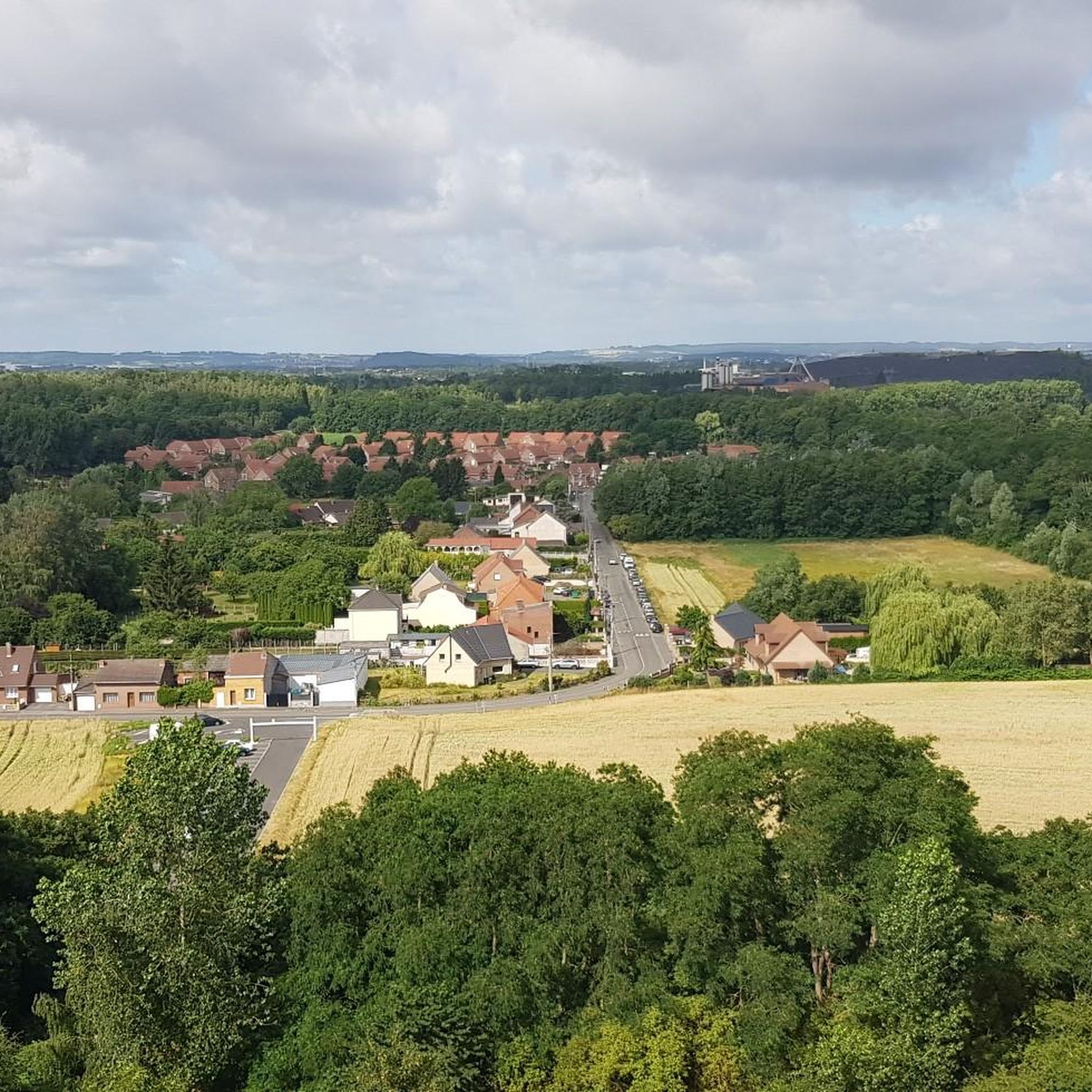
The Vimy ridge offers a magnificent panorama of the mining area and the hills of the Artois region.
More info at france-voyage.com/frankrijk-toerisme/het-canadian-national-vimy-memorial-639.htm
Translated by Google •
Tip by

Sign up now to discover places like this
Get recommendations on the best single tracks, peaks, & plenty of other exciting outdoor places.
Sign up for free
Monument to the Moroccan Division
Highlight • Monument
Translated by Google •
Tip by

Terril de Drocourt
Highlight • Structure
Translated by Google •
Tip by

Canadian National Vimy Memorial
Highlight • Monument
Translated by Google •
Tip by

Sign up for free to discover even more attractions around Billy-Montigny.
Sign up for free
Already have an account?
Start today with a free account
Your next adventure awaits.
Login or Signup

Tips from the Community

A special story about the monument concerns the two colonels, Pein and Cros, who were both killed during the division's actions in May 1915. Their names are inscribed on the monument, along with an inscription commemorating the courage and determination of the soldiers: "Aux morts de la division marocaine, sans peur, sans pitié". This tribute emphasises the heavy losses and heroic efforts of the Moroccan Division during the battle.
7
0
The Monument à la Division Marocaine in Givenchy-en-Gohelle commemorates the courage and sacrifice of the Moroccan Division during the First World War. This monument was erected in honour of the breakthrough made by the division during the Battle of Artois on 9 May 1915. The Moroccan Division, led by General Georges Louis Humbert, played a crucial role in breaking through the German lines and capturing strategic terrain.
8
0

The Vimy Memorial is the most prestigious Canadian monument in Europe. It is located on the very site of the 1917 fighting near Vimy in the Pas-de-Calais region of France. Erected on the highest point of the hill, Hill 145, the objective of the operations that began on April 9, 1917, it overlooks the Douai Plain. In 1921, architect and sculptor Walter S. Allward (1875-1955) won the competition from the Canadian Battlefield Memorials Commission. The significance of the battles at the site and the favorable location at the top of the hill allowed Vimy to receive the most prestigious work.
1
0

The Canadian National Vimy Memorial (Vimy, Pas-de-Calais department) is a memorial dedicated to those who were missing or killed in World War I in the Canadian Expeditionary Force. The monument is located on the site of a well-preserved or partially reconstructed battlefield, including trenches and tunnels. Guided tours are offered in French and English, there are several memorials, a permanent and a temporary exhibition, a museum shop and a marked hiking trail that conveys the history of the site.
0
0

I went there late one evening, a calm that does you good, a great panorama night and day
0
0

Such places are still very important today as memorials to the countless war dead. "Now, Lord, you let your servant depart in peace, as you have said..." says the so-called "Hymn of Simeon" (Luke's Gospel, Chapter 2, Verse 29). However, the many people buried here did not depart in peace, but became victims of war and an inhuman tyranny. The most important and at the same time everlasting function of the military or honorary cemeteries or war graves is therefore to keep the memory of this suffering alive and - every generation anew (!) - to remind them of the need to maintain peace in the long term.
0
0

beautiful journey, beautiful scenery
0
0

Places of reflection. We Remember Them - Nous ne les oublierons jamais
4
1
Frequently Asked Questions
What historical sites related to World War I can I visit near Billy-Montigny?
The area around Billy-Montigny is rich in World War I history. You can visit the impressive Canadian National Vimy Memorial, which commemorates Canadian soldiers who died in France and have no known grave. Another significant site is the Canadian Memorial, offering a magnificent panorama of the mining area and intact underground facilities and trenches. Additionally, the Monument to the Moroccan Division in Givenchy-en-Gohelle honors their crucial role in the Battle of Artois. The German Cemetery in Billy-Montigny also serves as a solemn resting place for 2,511 German soldiers from the First World War.
Where can I learn about the mining history of Billy-Montigny?
Billy-Montigny has a deep connection to coal mining history. You can explore the location of the former Old Pit n°2 as part of a 'course for survivors' that commemorates the centenary of the Courrières disaster. Another interesting site is Pit n°10-20 (Schneider-Landrieu), which has preserved many original buildings like the engine room, miners' bath-shower room, offices, and workshops, offering a glimpse into historical coal mine operations.
What unique natural features can I explore around Billy-Montigny?
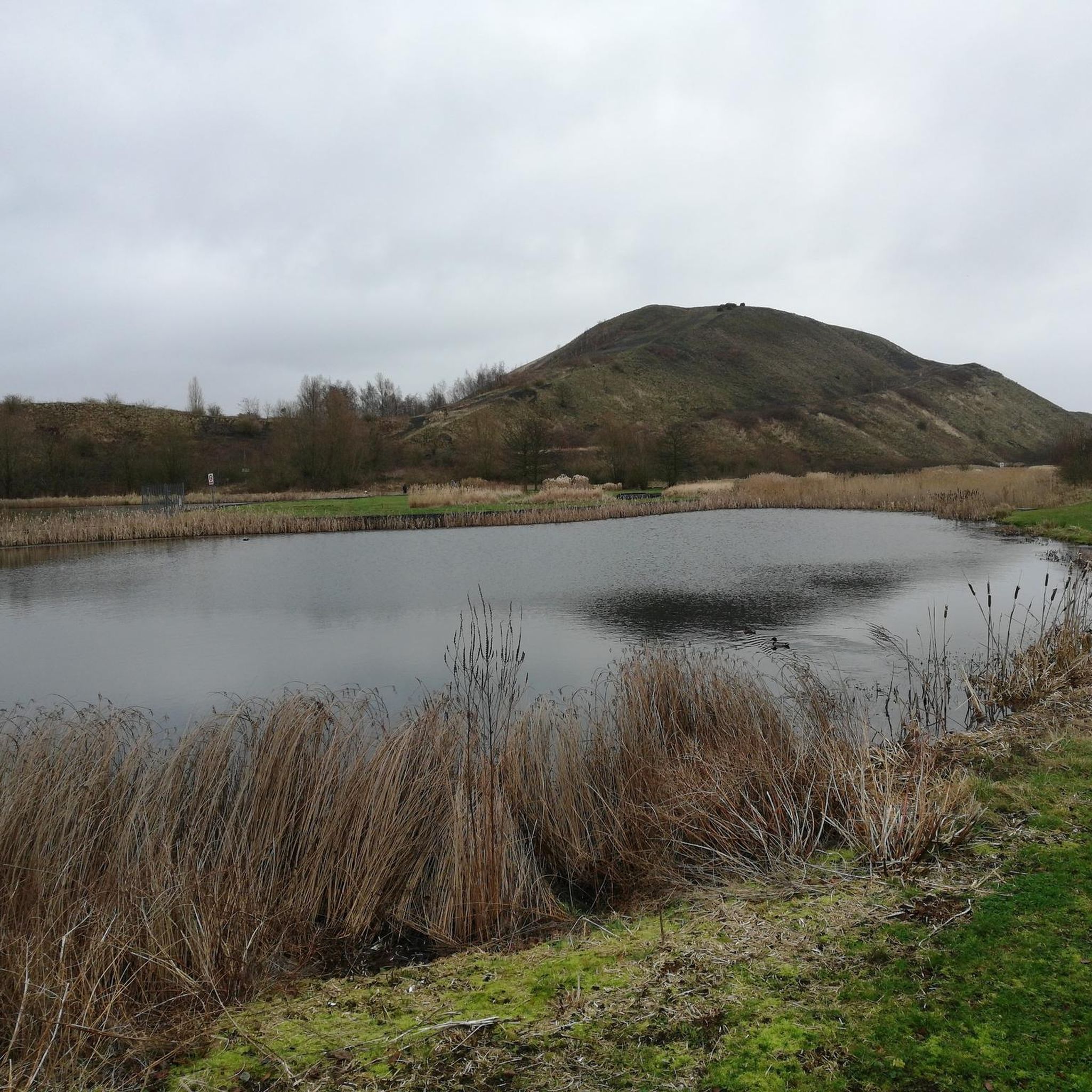
The region is known for its unique man-made natural landscapes called 'terrils' or slag heaps. These hills of coal waste have been transformed by nature over time. Notable examples include the Loos-en-Gohelle Slag Heap, which is the highest in Europe, and Terrils 84 and 205 d'Hénin-Beaumont, which are part of a protected ecological zone. These terrils offer opportunities for hiking and enjoying panoramic views.
Are there viewpoints offering panoramic views of the region?
Yes, several locations offer excellent panoramic views. The Loos-en-Gohelle Slag Heap, the highest in Europe, provides extensive views from its summit. Vimy Ridge, where the Canadian Memorial is located, also offers a magnificent panorama of the mining area and the hills of the Artois region. Additionally, the Terril de Drocourt is a viewpoint that offers unique perspectives of the surrounding landscape.
What outdoor activities are available near Billy-Montigny?
The area around Billy-Montigny is great for outdoor activities, especially hiking and cycling. The 'terrils' or slag heaps provide unique terrain for exploration. For hiking, you can find various trails, including those around the terrils. Mountain biking is also popular, particularly on the Terril de Drocourt, which offers challenging ascents and descents. You can find more details on routes in the Hiking around Billy-Montigny guide and Road Cycling Routes around Billy-Montigny guide.
Are there hiking trails suitable for different difficulty levels around Billy-Montigny?
Yes, there are hiking trails catering to various difficulty levels. For example, the 'The Sculpture Island loop from Drocourt' is an easy 4 km hike. Moderate options include 'At the foot of spoil heap 230 – The Deule canal loop from Montigny-en-Gohelle' (10.75 km). For those seeking a challenge, 'View from Terril 81 – Terril 81 loop from Billy-Montigny' is a difficult 20 km route. You can explore more options in the Hiking around Billy-Montigny guide.
Can I go mountain biking on the slag heaps?
Yes, some slag heaps are popular for mountain biking. The Terril de Drocourt is particularly known for its trails, which are described as being like a bike park, ideal for improving technique or letting off steam with challenging ascents and descents. The Terril d'Ostricourt also offers mountain biking opportunities.
Are there family-friendly attractions in the Billy-Montigny area?
Several attractions around Billy-Montigny are considered family-friendly. The Canadian National Vimy Memorial and the Canadian National Vimy Memorial (another entry for the same site) are both categorized as family-friendly historical sites, offering educational experiences. The Monument to the Moroccan Division is also listed as family-friendly. Exploring the unique 'terrils' can also be an engaging outdoor activity for families.
What is the best time of year to visit Billy-Montigny for outdoor activities?
For outdoor activities like hiking and cycling, spring (April-May) and autumn (September-October) generally offer pleasant weather with milder temperatures, making them ideal for exploring the terrils and historical sites. Summer can also be suitable, but be prepared for potentially warmer temperatures. Winter might be less ideal for extensive outdoor activities due to colder weather.
How can I access the main attractions around Billy-Montigny by public transport?
While Billy-Montigny is an urban center, accessing some of the broader regional attractions like the Canadian National Vimy Memorial or the larger slag heaps often requires a combination of public transport and possibly a short taxi ride or a longer walk. Local bus services connect Billy-Montigny to nearby towns like Lens and Hénin-Beaumont, which may serve as hubs for further connections. For specific routes and schedules, it's best to check local transport provider websites.
Are there dog-friendly trails or attractions near Billy-Montigny?
Many of the natural outdoor areas, particularly the 'terrils' or slag heaps, are generally dog-friendly for walks, provided dogs are kept on a leash and owners clean up after them. For specific rules regarding dogs at historical sites like the Canadian National Vimy Memorial, it's advisable to check their official visitor guidelines beforehand, as some memorial areas may have restrictions.
Where can I find accommodation near Billy-Montigny?
Billy-Montigny itself has some local accommodation options. For a wider range of hotels, guesthouses, and restaurants, you might consider staying in larger nearby towns such as Lens or Hénin-Beaumont. These towns are well-connected and offer more choices for visitors.
Most popular routes around Billy-Montigny
Most popular attractions around Billy-Montigny

Get inspired with the komoot mobile app


Explore more
Still not found the Highlight you’re looking for? See guides of the top attractions in other regions:
