Attractions and Places To See around Bourlon - Top 20
Best attractions and places to see around Bourlon include sites of historical significance and natural features. The area is notable for its World War I history, particularly around Bourlon Wood, which was a strategic German strongpoint. While Bourlon itself focuses on its poignant war history and natural landscape, nearby areas offer additional cultural and historical landmarks. Visitors can explore various hiking and cycling routes within the natural settings.
Best attractions and places to see around Bourlon
- The most popular attractions…
Last updated: July 7, 2026
Belfry of Cambrai
Highlight • Monument
Translated by Google •
Tip by

Porte Notre-Dame de Cambrai
Highlight • Monument
Translated by Google •
Tip by
Sign up now to discover places like this
Get recommendations on the best single tracks, peaks, & plenty of other exciting outdoor places.
Sign up for free
The Big Rock
Highlight • Historical Site
Be careful, the place is very swampy and it is more easily accessible in dry weather 😉.
Translated by Google •
Tip by

the stone that grows
Highlight • Historical Site
Translated by Google •
Tip by
Cantimpré Lock
Highlight • Other
Translated by Google •
Tip by
Sign up for free to discover even more attractions around Bourlon.
Sign up for free
Already have an account?
Start today with a free account
Your next adventure awaits.
Login or Signup


Tips from the Community

The menhir is located in the marsh of Aubigny-au-Bac, on a footpath leading to Brunémont. It is a block of Landenian sandstone 2.90 m high (including 1.48 m above ground) by 2.15 m wide and 0.70 m thick. It is said to have been sunk to about 2.40 m. Shaped like a horse's head, it is associated with a prehistoric megalith despite the absence of evidence.
0
0

The Écluse de Cantimpré in Cambrai is a historic lock that played an important role in the development of the region's waterways. It was built in 1900 as part of the modernisation of the regional waterway network, as required by the Charles Freycinet law in 1879. The lock is equipped with two lock chambers, each 38 metres long and 5 metres wide, making it accessible to Flemish peniches and facilitating shipping. The lock is located at the junction of the canalised Scheldt and the Saint-Quentin Canal, and was part of the important port of Cantimpré, which was built in 1862. Today, the port of Cantimpré is mainly a pleasure port, but in the past it was a busy trading post with more than a hundred ships passing through every day.
7
0
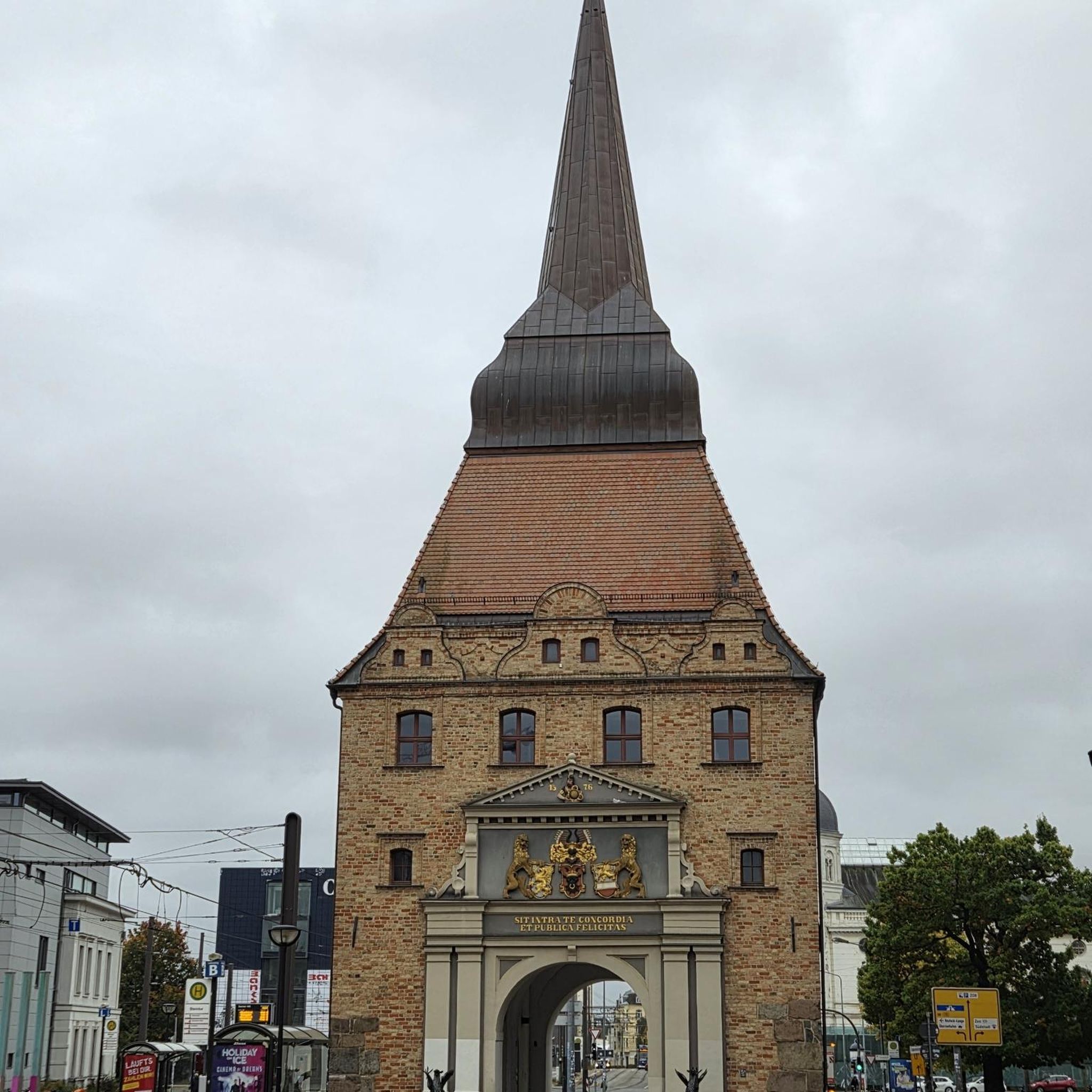
Built in 1623, the Notre-Dame gate marks the northern entrance to the city. At that time, city gates, protected by bastions, freed themselves from their defensive role and became symbols of the wealth of cities. With its “diamond point” hardware and its rich sculpted decoration, the Notre-Dame gate is representative of the Baroque style. The sun that adorns the upper part was added after the capture of Cambrai by Louis XIV. https://www.villedecambrai.com/decouvrir/decouvrir-la-ville/portrait-de-ville/patrimoine-et-architecture/heurs-et-malheurs-dune-ville-frontiere/la-porte-notre-dame
10
0
The belfry, now a UNESCO World Heritage Site, was once the bell tower of the Saint-Martin church, the rest of the building having disappeared during the French Revolution. A symbol of communal freedoms, this belfry also ensured the security of the city. Night and day, lookouts monitored the city and warned of the arrival of enemies or the start of fires by sounding the tocsin. The oldest parts of this building date back to 1474 and rise from the base to the height of the cornice. Supported by wide buttresses, the first bell chamber opens onto triple bays in a Gothic-style pointed arch. Since 1736, this tower has been raised by another level in the classical style into which the second bell chamber opens. This part is topped by a drum where the watch room was located, the whole being topped with a dome and a lantern. Four sculptures made of cast concrete by Marcel Gaumont after the First World War evoke the historical periods of the city. We can see a Frankish warrior; a crossbowman symbolizing the communal militia; Louise of Savoy, mother of François I, who signed the Treaty of the Peace of the Ladies in Cambrai and the knight of Cezen, first governor of the city that became French. The entrance to the belfry has a sculpted decoration by René Faches. The central part bears the arms of Cambrai, surmounted by Saint Martin sharing his cloak to offer it to a poor man. These sculptures evoke the civil and religious duality of this belfry. (Cambrésis Tourisme)
6
0
The Beffroi de Cambrai is an impressive tower in Cambrai, located in the Nord department of France. Originally part of the old Saint Martin's Church, this tower is built in the Gothic style and is approximately 62 metres high. The beffroi is known for its sturdy buttresses reminiscent of medieval donjons. At the foot of the tower is a statue of Saint Martin, the patron saint of the city. The tower has a rich history and has survived both world wars unscathed. Since 1965, the beffroi has been classified as a historical monument and in 2005 it was included on the UNESCO World Heritage List, together with other beffrois in the region.
7
0

A hike to Porte Notre Dame in Cambrai will take you to one of the most beautiful monuments in the city. It is an old gate of the medieval fortifications, built in the 14th century and renovated in the 17th century. With rich baroque decoration, a diamond-shaped stone pattern and a coat of arms of the city, you can admire the architecture and history of the gate, which was once the entrance to the cathedral and the episcopal palace.
5
0

Menhir part of the local history to discover. Be careful, the place is very swampy and it is more easily accessible in dry weather 😉.
1
0
Very beautiful monument of local history to discover during a walk in nature.
1
0
Frequently Asked Questions
What historical sites can I explore in and around Bourlon?
Bourlon is rich in World War I history. The primary historical site is the Bourlon Wood Memorial, commemorating Canadian soldiers. While the original châteaux in Bourlon were largely destroyed during the war, you can still see the entrance gate of Le Château Rouge. Nearby, you can visit the Belfry of Cambrai, a UNESCO World Heritage site, and the Porte Notre-Dame de Cambrai, a Baroque-style city gate.
Are there any natural features or monuments to see near Bourlon?
Yes, the Bois de Bourlon (Bourlon Wood) itself is a significant natural feature, offering a peaceful setting for walks and outdoor activities. Historically, it was a strategic strongpoint during WWI. Another unique natural monument nearby is the stone that grows, a menhir listed as a historical monument, known for its local legend.
What outdoor activities can I do around Bourlon?
The Bourlon Wood area is excellent for walking, cycling, and gravel biking. You can find various routes, including a 2.66km loop around the Bourlon Wood Memorial. For more structured activities, consider exploring the many cycling routes available, such as the 'Canadian Bourlon Wood Memorial loop' or 'Canal du Nord – Lock No 4 – Lock No. 3 loop'. You can find detailed routes for cycling around Bourlon, running trails, and gravel biking.
Are there family-friendly attractions or activities in the Bourlon area?
While Bourlon's main focus is historical, families can enjoy walks and gentle cycling in the peaceful Bourlon Wood. The Porte Notre-Dame de Cambrai is also considered family-friendly for its historical significance and architectural interest. Exploring the legend of the stone that grows can also be an engaging activity for children.
What is the significance of the Bourlon Wood Memorial?
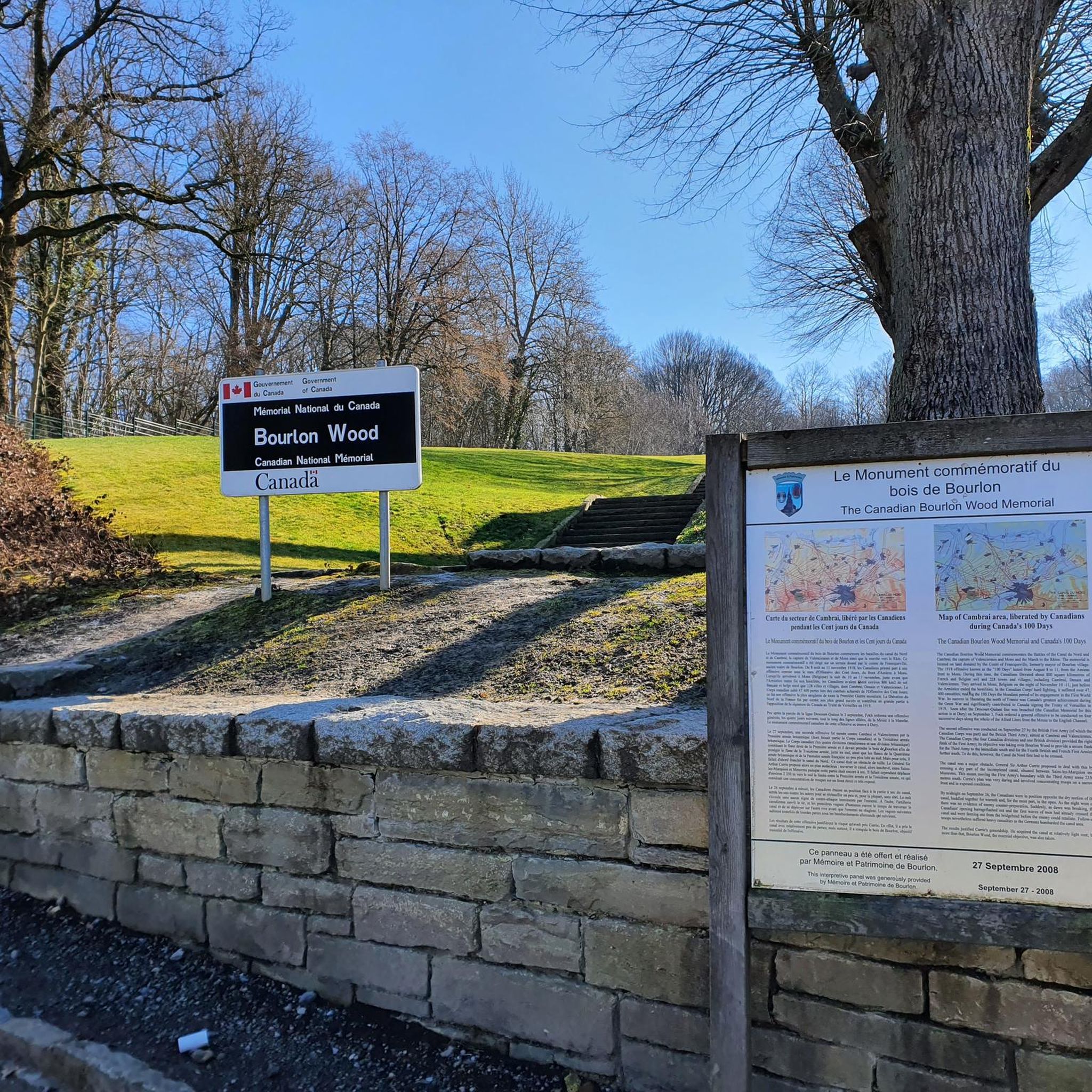
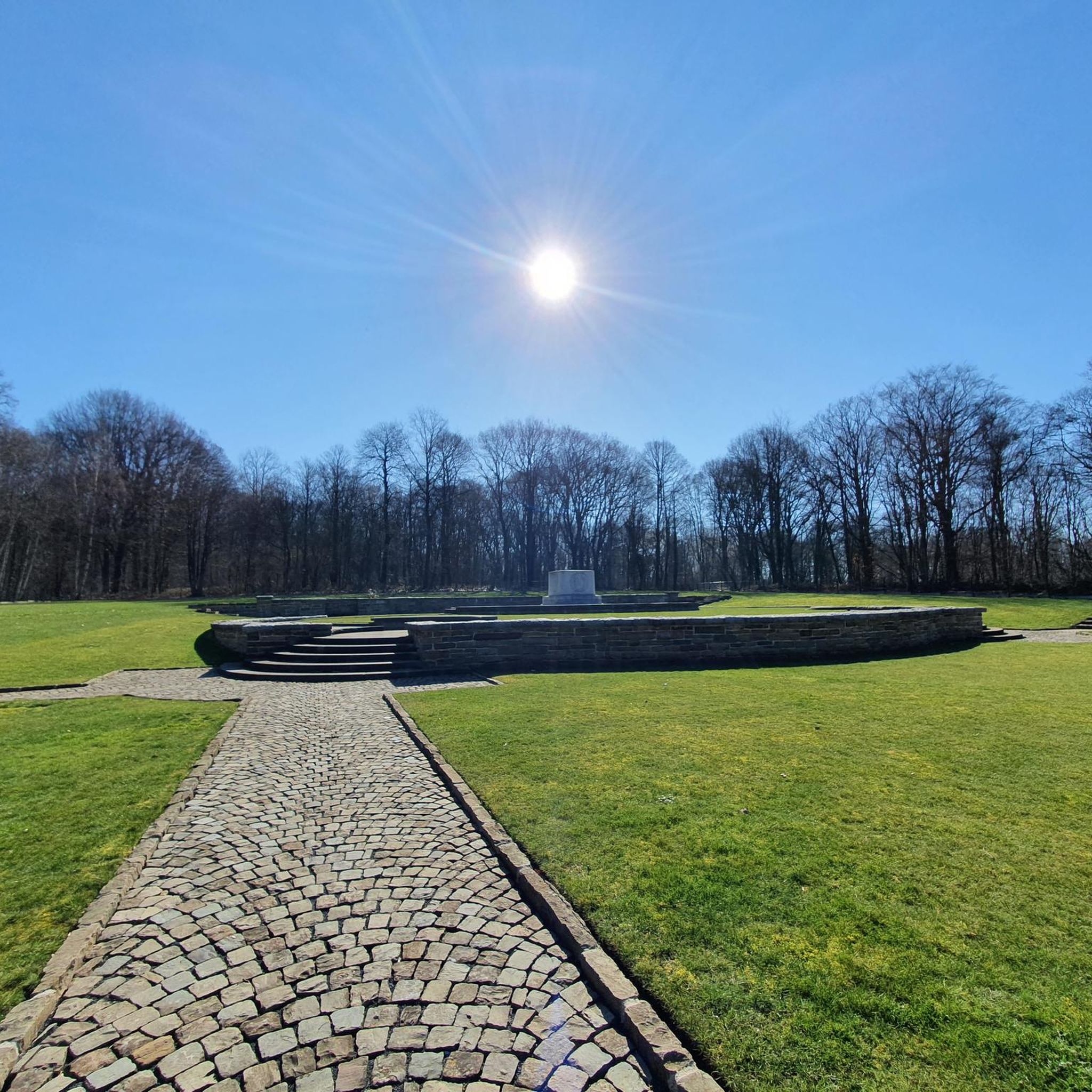
The Bourlon Wood Memorial is a crucial site commemorating the Canadian Corps' actions during the final months of World War I, specifically during Canada's Hundred Days. It honors Canadian soldiers who fought in battles like the crossing of the Canal du Nord and the capture of Bourlon Wood. The memorial features a 13-tonne cube of white-grey granite and is considered the second most important Canadian memorial in the region after Vimy Ridge. You can learn more about its history on Wikipedia.
What are the terrain and difficulty like for hiking in Bourlon Wood?
Bourlon Wood offers a generally peaceful setting for walking. While historically a site of intense fighting, today it provides various trails suitable for walking, cycling, or gravel biking. The terrain is typically forested, and you can find routes of varying lengths and difficulties, including easy loops. Some areas, particularly around natural monuments like 'the stone that grows', can be swampy, so dry weather is recommended for easier access.
Where can I find parking when visiting Bourlon Wood or the Memorial?
The Bourlon Wood Memorial is situated at the end of 'Avenue du Bois' in the southeastern part of Bourlon village, suggesting accessible parking nearby for visitors to the memorial and the surrounding wood. Specific parking areas for trails are usually indicated locally.
Are there any unique historical legends or stories associated with attractions near Bourlon?
Yes, the menhir known as the stone that grows has a fascinating local legend. It's said that the stone continues to grow over time. Another legend attributes its origin to the devil, who, while building a convent for nuns, dropped the stone when a rooster crowed too early, preventing him from claiming their souls.
What is the Cantimpré Lock and its historical importance?
The Cantimpré Lock in Cambrai is a historic lock built in 1900 as part of the modernization of the region's waterways. It played a vital role in facilitating shipping, connecting the canalized Scheldt and the Saint-Quentin Canal. Once a busy trading post, it is now primarily a pleasure port, but its two lock chambers remain a testament to its past significance in regional transport.
What do visitors enjoy most about the attractions around Bourlon?
Visitors appreciate the blend of historical significance and natural beauty. The serene atmosphere of the Bourlon Wood Memorial and its well-maintained gardens are often highlighted. The unique historical context of the area, particularly its WWI heritage, provides a reflective experience. Additionally, the opportunity for peaceful walks and cycling through Bourlon Wood is highly valued by the komoot community.
Can I find cafes or restaurants in Bourlon or nearby?
While Bourlon itself is a smaller commune focused on its historical sites and natural wood, you can find cafes and restaurants in nearby towns. Cambrai, being a larger city close by, offers a wider selection of dining options.
Is Bourlon Wood suitable for dog walking?
Yes, Bourlon Wood is generally suitable for dog walking. Its peaceful trails and natural setting provide a good environment for you and your dog to explore. Always ensure your dog is under control and follow any local regulations regarding leashes.
Most popular routes around Bourlon

Get inspired with the komoot mobile app


Explore more
Still not found the Highlight you’re looking for? See guides of the top attractions in other regions:
