The best traffic-free bike rides around Bourlon
4.4
(106)
2,805
riders
218
rides
No traffic road cycling routes around Bourlon are characterized by a mix of paved surfaces, rural roads, and historical landscapes. The region features the Bois de Bourlon, a significant woodland area, and is situated near the Canal du Nord, offering varied terrain. Cyclists can expect undulating sections through the countryside, with some routes incorporating historical sites from World War I. The area provides a network of roads suitable for road cycling, ranging from flatter canal-side paths to more rolling terrain.
…Last updated: November 5, 2026
4.0
(1)
24
riders
46.2km
01:56
300m
300m
Moderate road ride. Good fitness required. Mostly well-paved surfaces and easy to ride.
18
riders
43.1km
01:52
360m
360m
Moderate road ride. Good fitness required. Mostly well-paved surfaces and easy to ride.

13
riders
Moderate road ride. Good fitness required. Mostly well-paved surfaces and easy to ride.
4.3
(3)
13
riders
Moderate road ride. Good fitness required. Mostly well-paved surfaces and easy to ride.
10
riders
Moderate road ride. Good fitness required. Some segments of this route may be unpaved and difficult to ride.
Get access to more routes and recommendations from other explorers.
Already have an account?
Our route recommendations are based on thousands of hikes, rides, and runs completed by other people on komoot.
Tips from the Community

Short stop for history.
0
0
Pleasant canal with a good number of locks.
0
0

French politician, MP and then resistance fighter, born on November 6, 1890 in Bapaume, he became mayor of the town in 1929. In 1934, he was elected general councilor of Pas-de-Calais. In 1936, he ran in the legislative elections and was elected in the second round. He was arrested in 1943 by the Nazis as he left the prefecture, and deported to the Gross-Rosen camp where he died on November 27, 1944. Since 1948, a monument showing him at the time of his arrest honors his memory. At the Town Hall there is an urn with soil from Gross-Rosen as well as a painting of him.
0
0
This Cistercian abbey was founded in 1132 by Bernard of Clairvaux and grew into a large and influential community within a century. Royal armies camped there as in a fortress and Charles V signed peace with Henry II in 1556. In addition to the sick and outcasts, travellers and pilgrims also found shelter in the hospital. The largest abbey church in Europe stood here with an extraordinary length of 135 metres. On feast days, 3000 meals were provided to the needy in the wide area. After the French Revolution, it was declared national property and an inglorious end followed as an open-air quarry. Now, restored parts remain, such as the abbot's palace with the dormitories and monks' halls with the chapter house next to it. The 7-hectare abbey park is being restored to its former glory. Open March to November (Tue-Sat 10am-12pm and 2pm-5.30pm, Sun 3pm-6.30pm, closed Mondays).
1
0
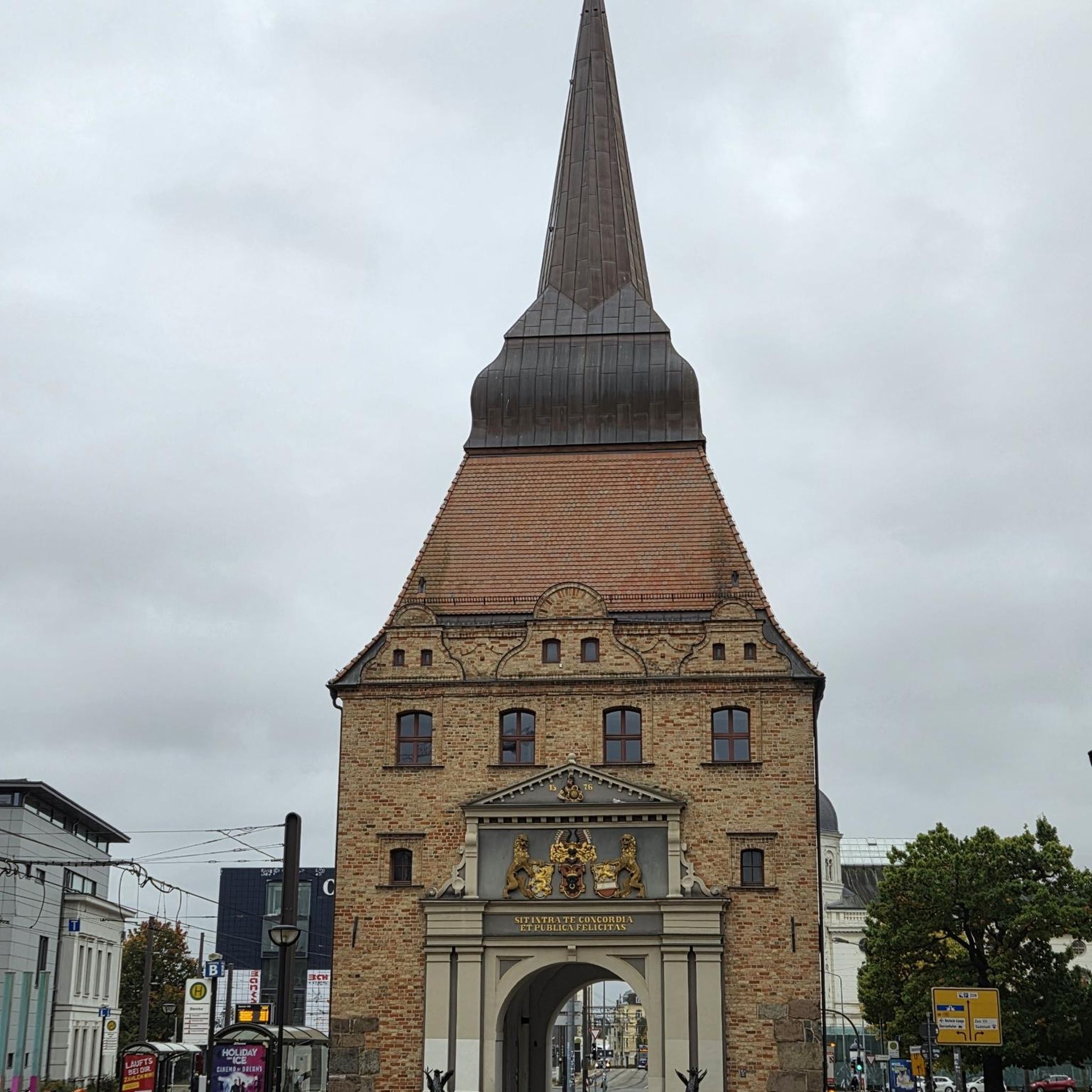
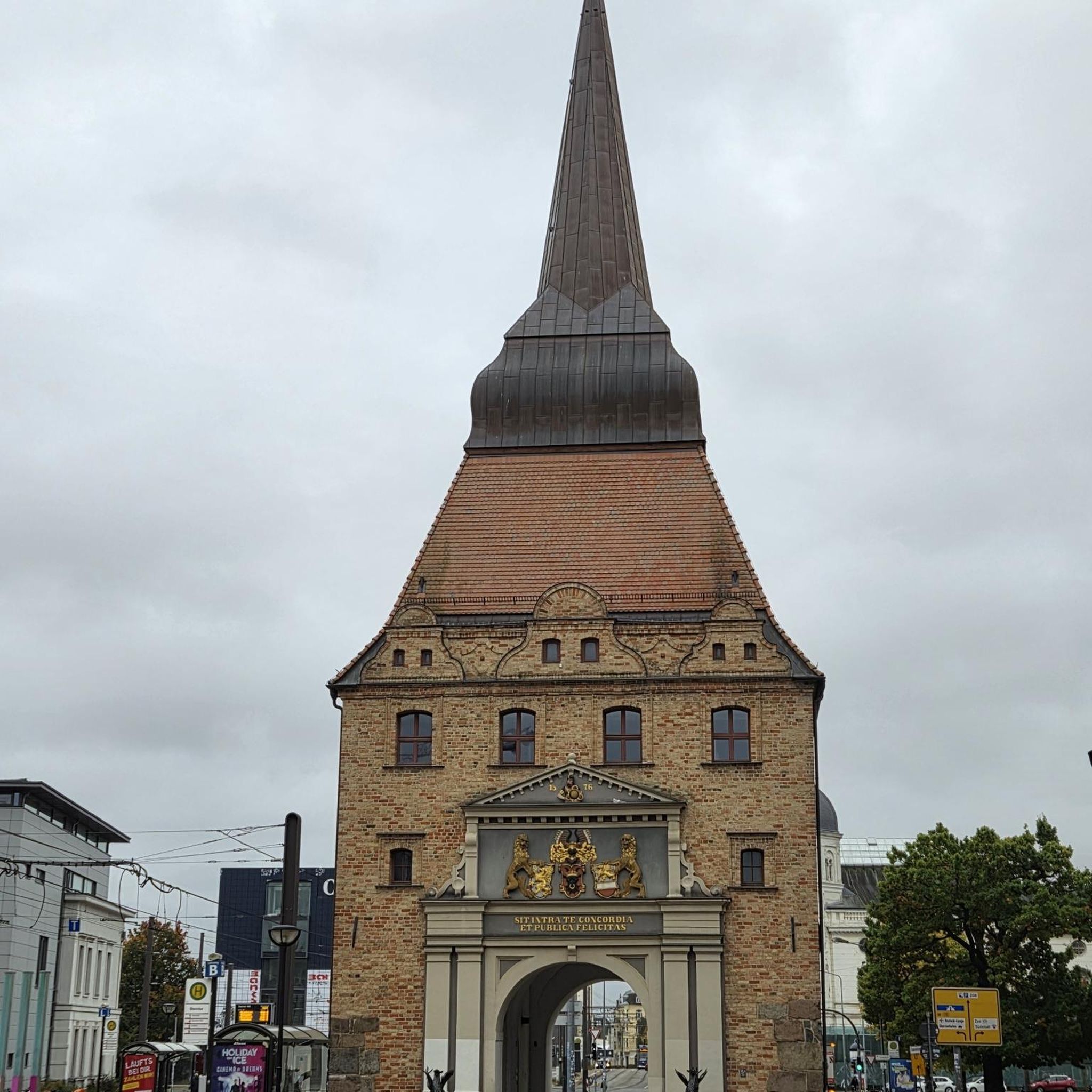
The Romanesque tower, seemingly lost along the road, was once part of a huge fortification wall, 7 kilometres long and 5 to 6 metres high, built between 1204 and 1238 around the area of Vaucelles. In the 15th century, it was provided with 8 towers, but demolished in 1550 for the construction of the fortifications of Cambrai.
1
0
French politician, MP and then resistance fighter, born on November 6, 1890 in Bapaume, he became mayor of the city in 1929, in 1934, he was elected general councilor of Pas-de-Calais. In 1936, he ran in the legislative elections and was elected in the second round. He was arrested in 1943 by the Nazis when he left the prefecture, and deported to the Gross-Rosen camp where he died on November 27, 1944. Since 1948, a monument showing him at the time of his arrest honors his memory. At the Town Hall there is an urn with soil from Gross-Rosen as well as a painting representing him.
5
0

Parts of this gigantic abbey are interesting to visit. The church has disappeared but must have been enormous. Beautiful garden and shop with, among other things, abbey beer.
1
0

The British cemetery of Sains-les-Marquion contains the graves of 255 soldiers who died during the First World War, mainly Canadians who liberated the village from German occupation in September 1918. You can admire the architecture of the cemetery, designed by W C Von Berg, and pay tribute to fallen heroes.
3
0
Frequently Asked Questions
How many no-traffic road cycling routes are available around Bourlon?
There are over 230 dedicated no-traffic road cycling routes around Bourlon listed on komoot. These routes offer a variety of distances and difficulty levels, ensuring options for most cyclists.
What kind of terrain can I expect on these no-traffic road cycling routes?
The no-traffic road cycling routes around Bourlon primarily feature paved surfaces, ideal for road bikes. You'll find a mix of experiences, from relatively flat sections, particularly along the nearby Canal du Nord, to undulating terrain through and around the Bois de Bourlon. This variety allows you to choose routes that match your preferred challenge level.
Are there easy no-traffic road cycling routes suitable for beginners or families?
Yes, Bourlon offers several easy no-traffic road cycling routes. With 44 routes rated as 'easy', beginners and families can find suitable options. An example is the Museum of the English Tanks – Saint Léger Church loop from Anneux, which is an easy 23.9 km ride.
What historical landmarks or natural features can I see along the routes?
Many routes pass through or near significant historical sites, especially related to World War I. You can visit the The Big Rock or the Canadian Bourlon Wood Memorial. The Bois de Bourlon itself is a prominent natural feature, offering scenic woodland sections. Further afield, you might encounter the Belfry of Cambrai or the Porte Notre-Dame de Cambrai.
Are there any moderate or challenging no-traffic road cycling routes for experienced riders?
Absolutely. The majority of routes, 187 to be precise, are rated as 'moderate', providing a good challenge for experienced riders. For instance, the Canadian Bourlon Wood Memorial – Saint Léger Church loop from Mœuvres is a moderate 76.5 km route with significant elevation gain. There are also a few 'difficult' routes for those seeking a greater challenge.
What is the best time of year to go no-traffic road cycling in Bourlon?
The spring and summer months generally offer the most pleasant conditions for road cycling in Bourlon, with milder weather and longer daylight hours. Autumn can also be beautiful with changing foliage, particularly around the Bois de Bourlon. Always check the local weather forecast before heading out.
Are there circular no-traffic road cycling routes available?
Yes, many of the no-traffic road cycling routes around Bourlon are designed as loops, allowing you to start and finish at the same point. This is convenient for those driving to the area. An example is the Havrincourt Castle – Saint Léger Church loop from Graincourt-lès-Havrincourt.
Where can I park my car when starting a no-traffic road cycling route?
While specific parking locations for each route vary, many routes start from villages or towns like Anneux or Graincourt-lès-Havrincourt, where public parking is typically available. It's advisable to check the route details on komoot for suggested starting points and parking information.
What do other cyclists enjoy most about road cycling in Bourlon?
The komoot community highly rates the cycling experience in Bourlon, with an average score of 4.26 out of 5 stars. Cyclists often praise the quiet country lanes, the scenic beauty of the Bois de Bourlon, and the historical significance of the area, which adds a unique dimension to their rides.
Are there places to stop for refreshments or amenities along the no-traffic routes?
The routes often pass through or near small villages and towns. While specific cafes or pubs are not listed for every route, you can typically find amenities in the larger nearby towns such as Cambrai, Douai, or Arras, which are accessible from the Bourlon area. Planning your route with potential stops in mind is recommended.
Can I combine cycling with visiting other attractions in the region?
Absolutely. Bourlon's location makes it easy to combine cycling with exploring other regional attractions. Beyond the historical sites directly on the routes, you can visit the Cantimpré Lock or the intriguing the stone that grows. The broader region is rich in history and natural beauty, offering plenty to see and do off the bike.
Most popular attractions around Bourlon

Get inspired with the komoot mobile app


Explore more
Browse the best Road cycling routes in other regions.
