Attractions and Places To See around Crissey - Top 20
Best attractions and places to see around Crissey, France, include a mix of historical sites and natural features in the Saône-et-Loire department. This region, part of Bourgogne-Franche-Comté, offers a glimpse into rural heritage alongside significant waterways. Visitors can explore the area's cultural landmarks and enjoy its varied landscapes. The town itself provides access to a network of trails and routes for outdoor activities.
Best attractions and places to see around Crissey
- The most popular attraction is Canal du Centre,…
Last updated: May 9, 2026
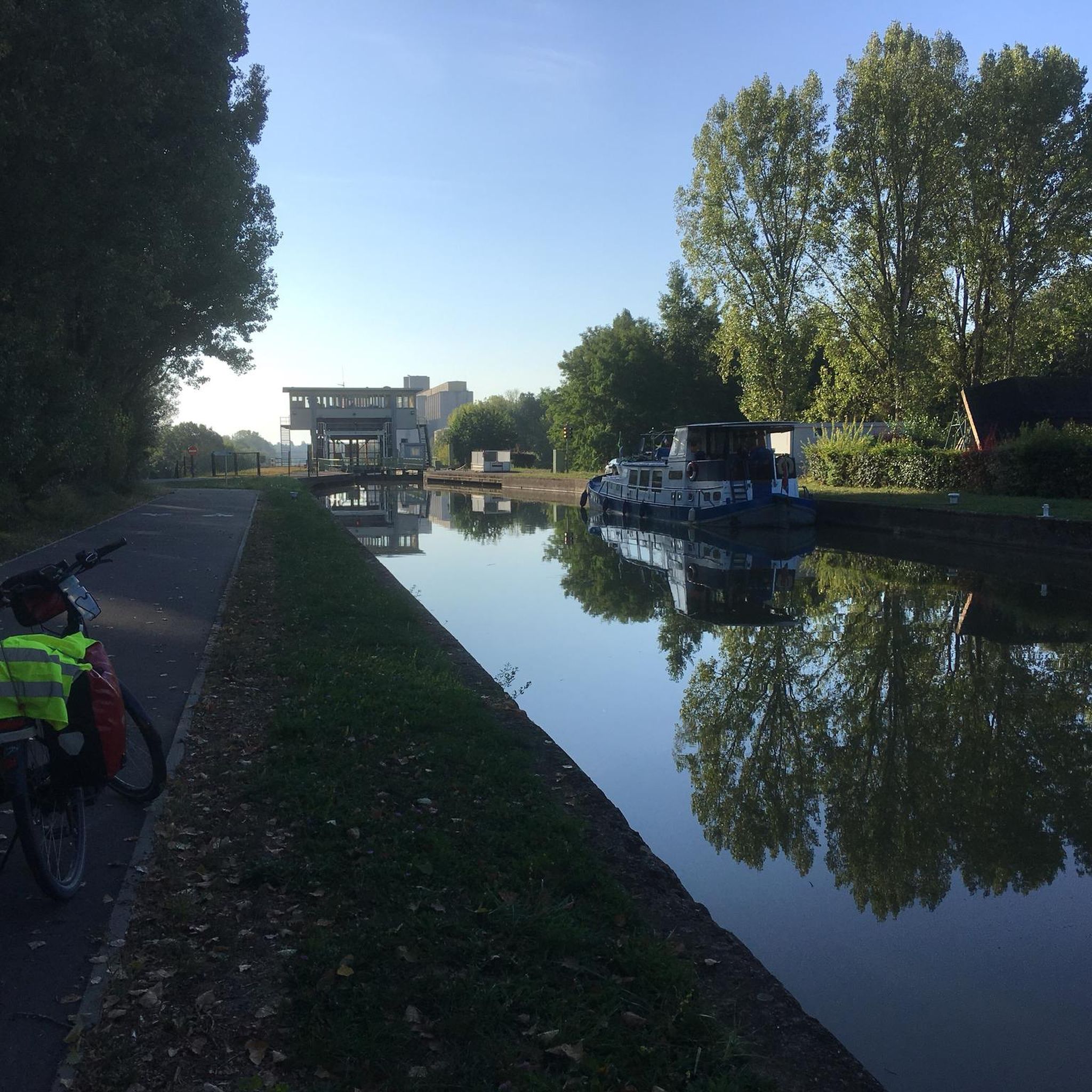
Canal du Centre
Highlight (Segment) • River
Translated by Google •
Tip by

Chalon-sur-Saône
Highlight • Settlement
Translated by Google •
Tip by
Sign up now to discover places like this
Get recommendations on the best single tracks, peaks, & plenty of other exciting outdoor places.
Sign up for free
Rue du Chatelet
Highlight • Historical Site
Translated by Google •
Tip by

Nicéphore Niépce Museum
Highlight • Monument
Translated by Google •
Tip by
Saint Vincent Cathedral
Highlight • Other
Translated by Google •
Tip by

Sign up for free to discover even more attractions around Crissey.
Sign up for free
Already have an account?
Start today with a free account
Your next adventure awaits.
Login or Signup
Tips from the Community

The entire city center is worth a visit
0
0

Rue du Chatelet is a pretty pedestrian street in the center of Chalon-sur-Saône. A beautiful place to stroll through the architectural heritage of the city.
0
0

Central square!! Chalon-sur-Saône [ʃa.lɔ̃.syʁ.soːn] is a French town in the Saône-et-Loire department in the Bourgogne-Franche-Comté region. With 45,031 inhabitants (as of January 1, 2021)[1], it is the largest town in the department, but not its administrative seat, but merely the seat of a sub-prefecture. After Dijon, Chalon is the second largest city in Burgundy. The inhabitants are called Chalonnais and Chalonnaises. The municipality received the "Four Flowers" award in 2022, which is awarded by the Conseil national des villes et villages fleuris (CNVVF) as part of the annual competition for flower-decorated towns and villages.[2]
1
0
DUE TO CONSTRUCTION WORKS, THE CATHEDRAL IS CURRENTLY CLOSED. Built from 1090 in the Romanesque style, the cathedral is characterized by a Gothic elevation and a "neo-Gothic" façade. It is located in an old district of half-timbered houses. To discover: its Romanesque capitals, its Brussels tapestry from 1510, a 16th century stained glass window. A tactile model is available to the blind or visually impaired public. A formula sums up the interior of the cathedral: a Gothic transplant on a Romanesque base. Because although the existence of a cathedral in Chalon-sur-Saône is already attested in the 5th century, the current building was built from the 12th century, when Romanesque art was at its peak. Three construction sites are attested in the Romanesque period: the choir chapels, the choir, the transept, the side aisles and the walls of the nave are built. Four construction phases can be identified in the Gothic period: the apse and the roof of the choir are rebuilt (construction of a cross vault in seven parts resting on the pillars of the Romanesque arcades on the ground floor), as well as the crossing of the transept; the chapter house is built, all around 1230; the nave is completed and covered with pointed arches (1310-1429). In the 15th and 16th centuries, chapels with Gothic cloisters are built in the side aisles, in response to the development of private worship. This is the period of the murals of the Glorification of the Virgin Mary (1450-1475) in the Lamoureux Chapel, the Flemish tapestry of the Eucharist (1510) and the grisaille and silver-yellow stained glass window of the Virgin of the Apocalypse (1520), all of which are listed as historical monuments.
0
0


The cathedral was built between 1092 and 1220 in the Romanesque style, with Gothic additions made later in the 16th century. In front of the church there is a lively square with cafes and restaurants.
1
0
Frequently Asked Questions
What are some popular attractions around Crissey?
Visitors frequently enjoy the Canal du Centre, an impressive waterway connecting the Loire and Saône rivers with 61 locks. The settlement of Chalon-sur-Saône is also highly regarded for its historical significance, cultural offerings, and charming old town, including the picturesque Rue du Chatelet.
What historical sites can I explore near Crissey?
Beyond Crissey's own 19th-century dovecote, you can visit Chalon-sur-Saône with its half-timbered houses and the Saint Vincent Cathedral. The Nicéphore Niépce Museum in Chalon-sur-Saône is dedicated to the inventor of photography. Further afield, consider the UNESCO World Heritage site of the Royal Saltworks of Arc-et-Senans, the medieval village of Pesmes, or the historic Tournus Abbey.
Are there family-friendly attractions around Crissey?
Yes, several attractions are suitable for families. The Canal du Centre offers opportunities for leisurely walks or bike rides along its banks. Chalon-sur-Saône, with its pedestrianized old town and museums like the Nicéphore Niépce Museum, provides engaging experiences for all ages. The region also features various local markets that can be an interesting family outing.
What natural features can I see near Crissey?
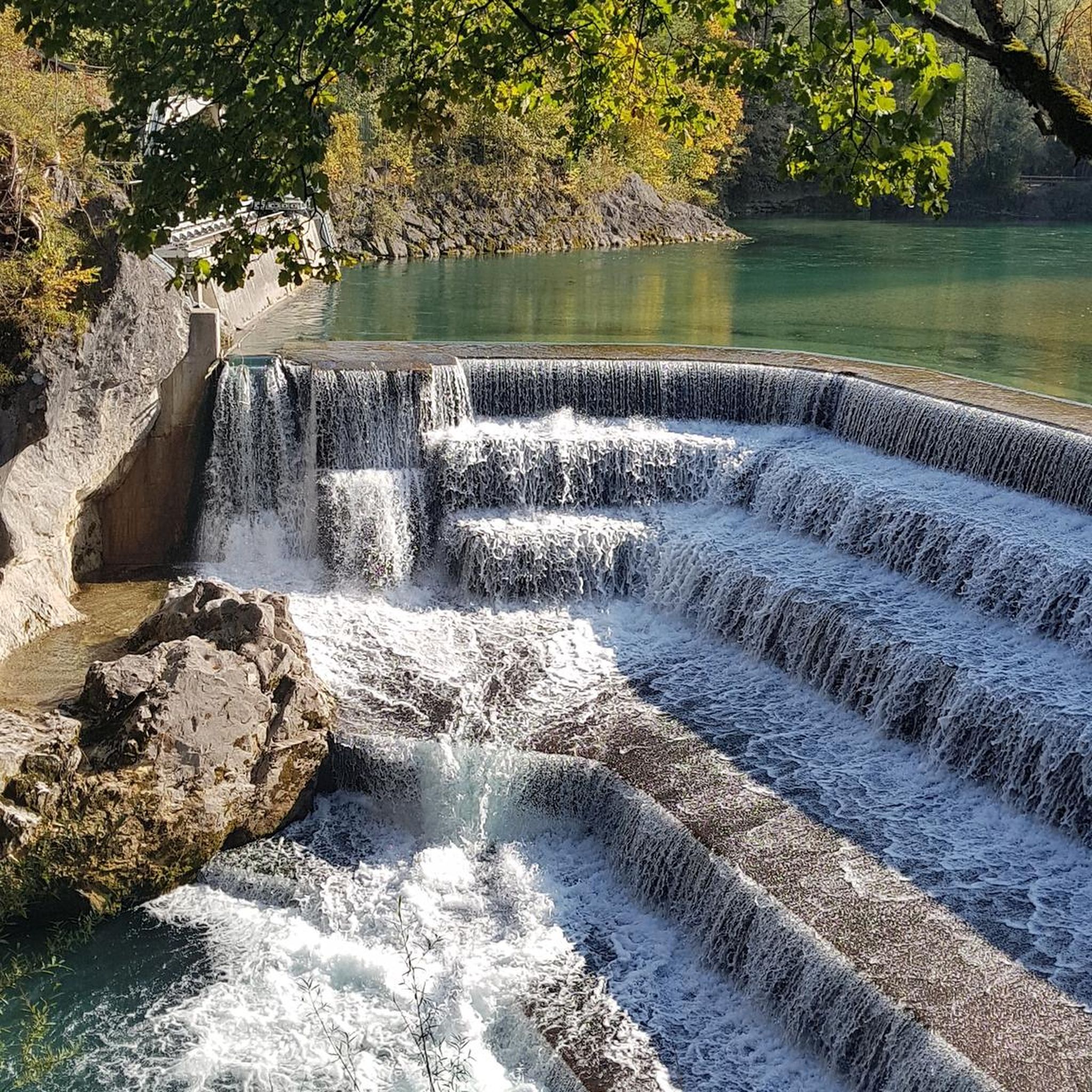
The region around Crissey offers several natural highlights. You can explore the Canal du Centre, which is a significant waterway. Other natural features in the broader area include the Source - la Seille, the Forêt de la Joux, and various lakes such as Lac de Chalain and Lac du Fioget. The Gorges de la Lemme and Cascade de la Billaude also offer scenic natural beauty.
What outdoor activities can I do near these attractions?
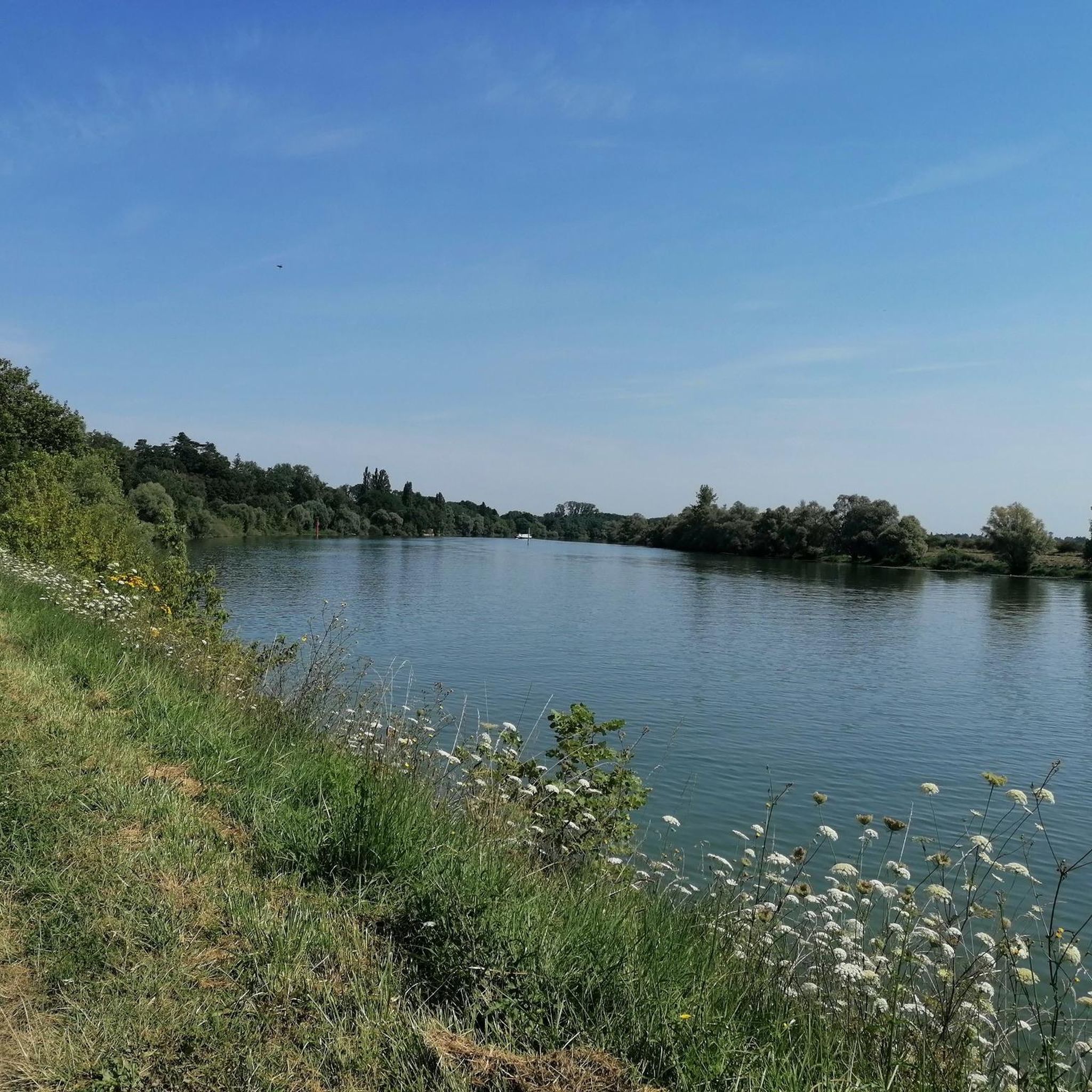
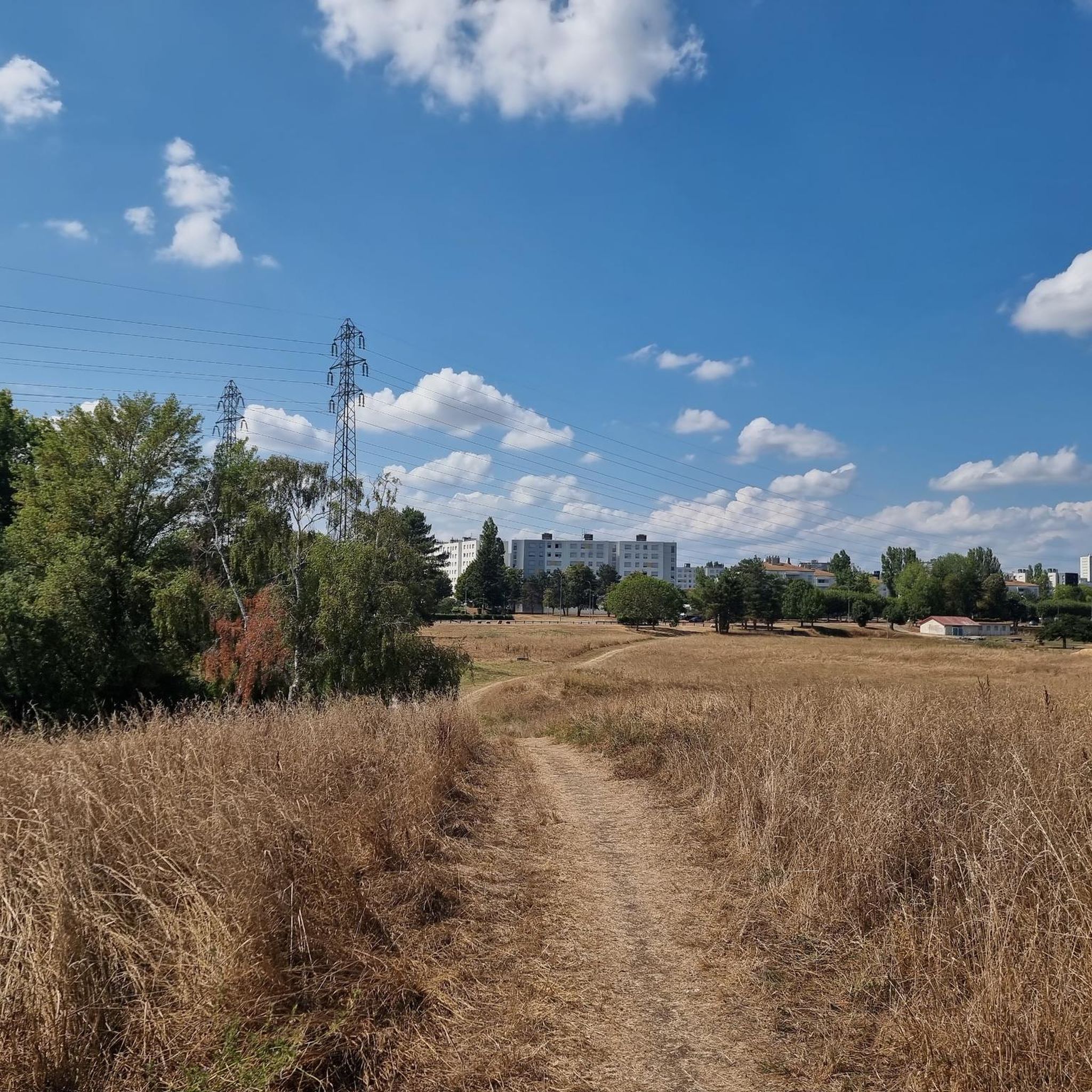
The area around Crissey is excellent for outdoor activities. You can enjoy cycling along the Canal du Centre and Fontaines Loop or the Voie Bleue Loop. For mountain biking, there are trails like the Saône-et-Loire Greenway loop. Running enthusiasts can find routes such as the Lake Park in Crissey loop or the Saône River loop.
Are there hiking or walking trails near Crissey?
Yes, there are numerous walking and hiking opportunities. While specific hiking trails are not detailed in the immediate vicinity, the Canal du Centre offers flat paths ideal for walking. For more structured routes, consider the running trails around Crissey, which can also be used for walking, including the Lake Park in Crissey loop.
What is the best time to visit Crissey and its surrounding attractions?
The Bourgogne-Franche-Comté region, where Crissey is located, generally enjoys pleasant weather from spring to early autumn (April to October). This period is ideal for exploring historical sites, enjoying outdoor activities along the canals, and visiting local markets. Summer months (July-August) can be warm and are popular for festivals, such as the 'Chalon dans la rue' festival in Chalon-sur-Saône.
What do visitors enjoy most about the attractions near Crissey?
Visitors particularly appreciate the blend of historical charm and natural beauty. The Canal du Centre is praised for its scenic routes and historical significance. In Chalon-sur-Saône, the picturesque half-timbered houses, the cathedral, and the vibrant atmosphere of squares like Rue du Chatelet with its cafes and restaurants are frequently highlighted. The region's rich history, from ancient Roman settlements to the birthplace of photography, also captivates many.
Are there any notable gardens or parks in the vicinity of Crissey?
Yes, the area features several beautiful gardens and parks. Just 3 km from Crissey, you can find the Jardin à la Faulx. Other notable options include the Château du Talmay Garden and the Parc et jardins du château de Sully, offering serene environments for a stroll.
Where can I find local markets near Crissey?
The region is known for its vibrant local markets. You can find markets in nearby towns such as Chalon-sur-Saône, Givry, Chagny, and Beaune. These markets typically operate on different days of the week, offering a chance to experience local produce and crafts.
What are some significant religious monuments in the area?
The region is rich in religious heritage. In Chalon-sur-Saône, you can visit the Saint Vincent Cathedral, known for its Romanesque and Gothic architecture. Further afield, the Abbatiale Eglise de Saint Philibert in Tournus, Eglise de Saint Pierre de Brancion, Eglise de Saint Martin in Chapaize, and the Cathédrale Saint Lazare in Autun are all significant historical religious sites.
Can I find cycling routes that follow the waterways near Crissey?
Absolutely. The Canal du Centre is a popular route for cyclists. You can explore the Canal du Centre and Fontaines Loop, an easy 29 km ride. Another option is the Voie Bleue Loop, which takes you from Chalon-sur-Saône to Verdun-sur-le-Doubs along the Saône River, offering a moderate 52 km journey.
Most popular routes around Crissey

Get inspired with the komoot mobile app


Explore more
Still not found the Highlight you’re looking for? See guides of the top attractions in other regions:
