The best walks and hikes around Lournand
4.7
(484)
1,997
hikers
253
hikes
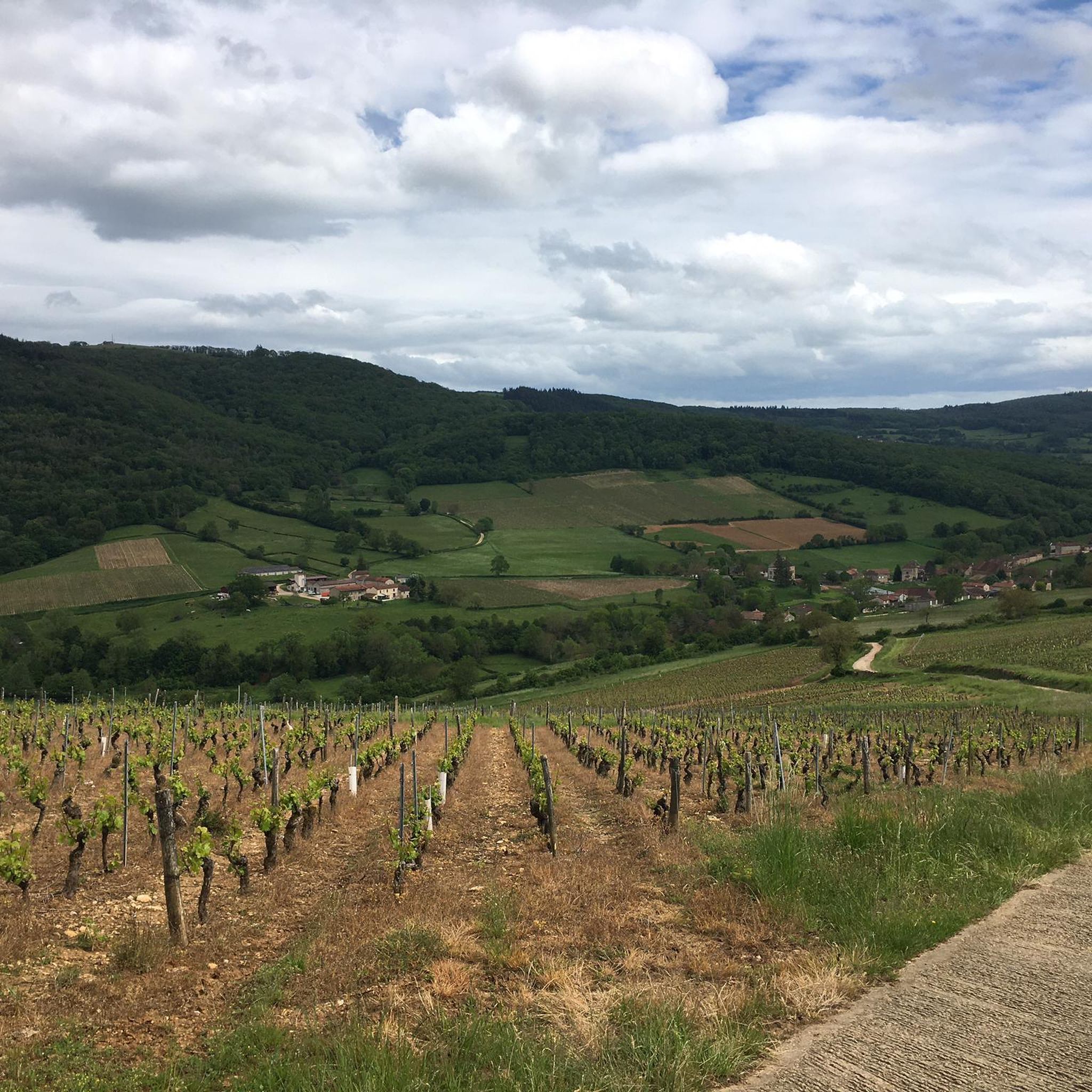
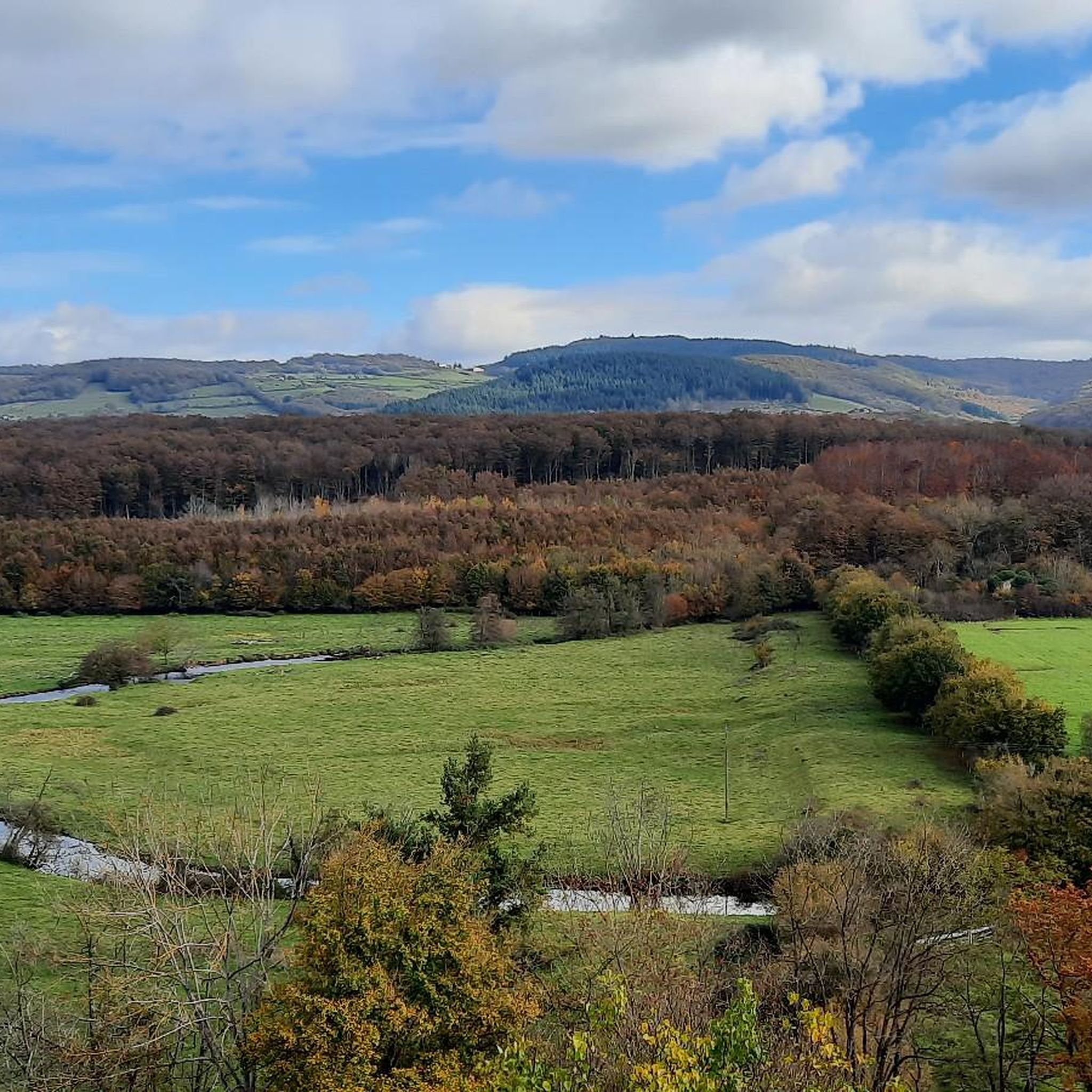
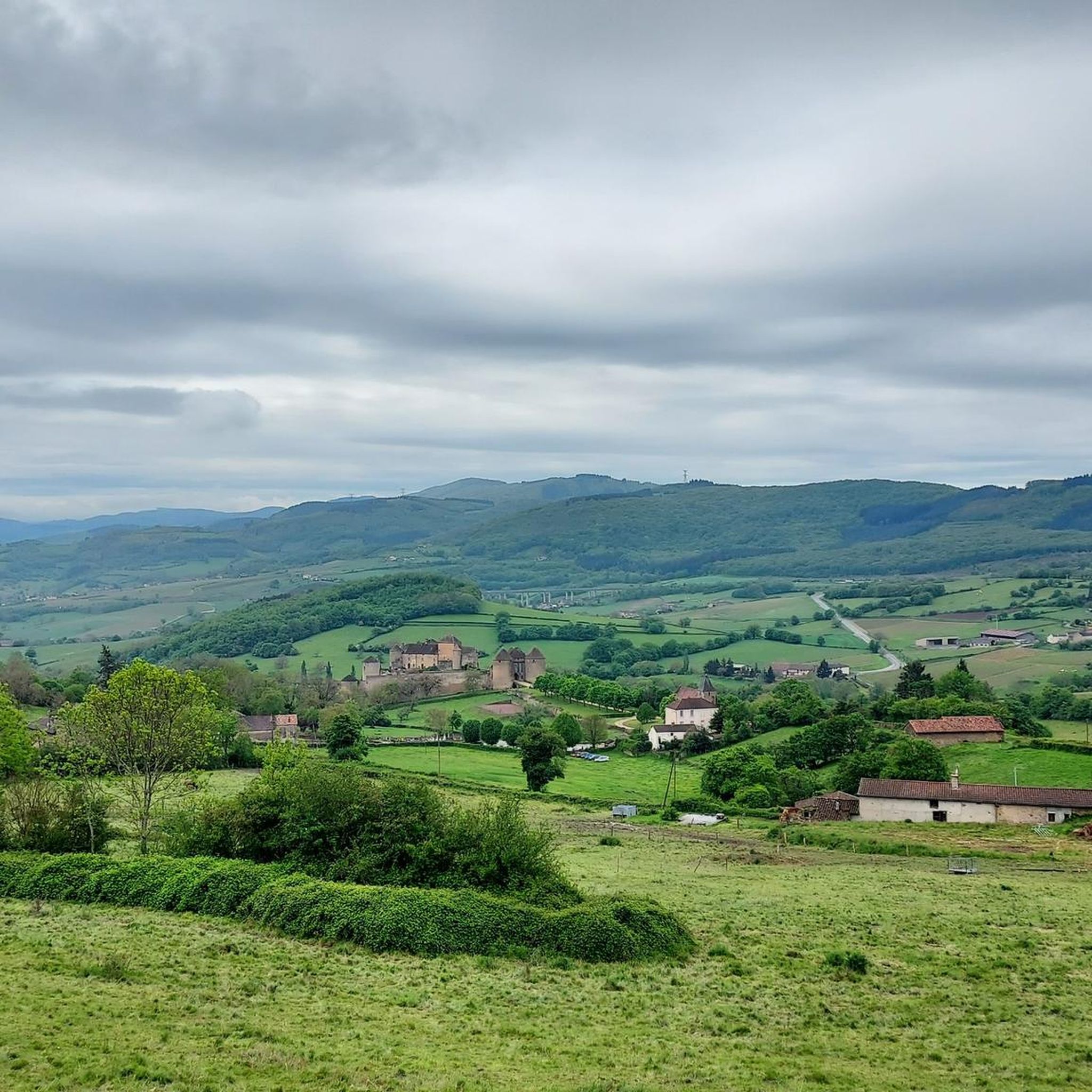
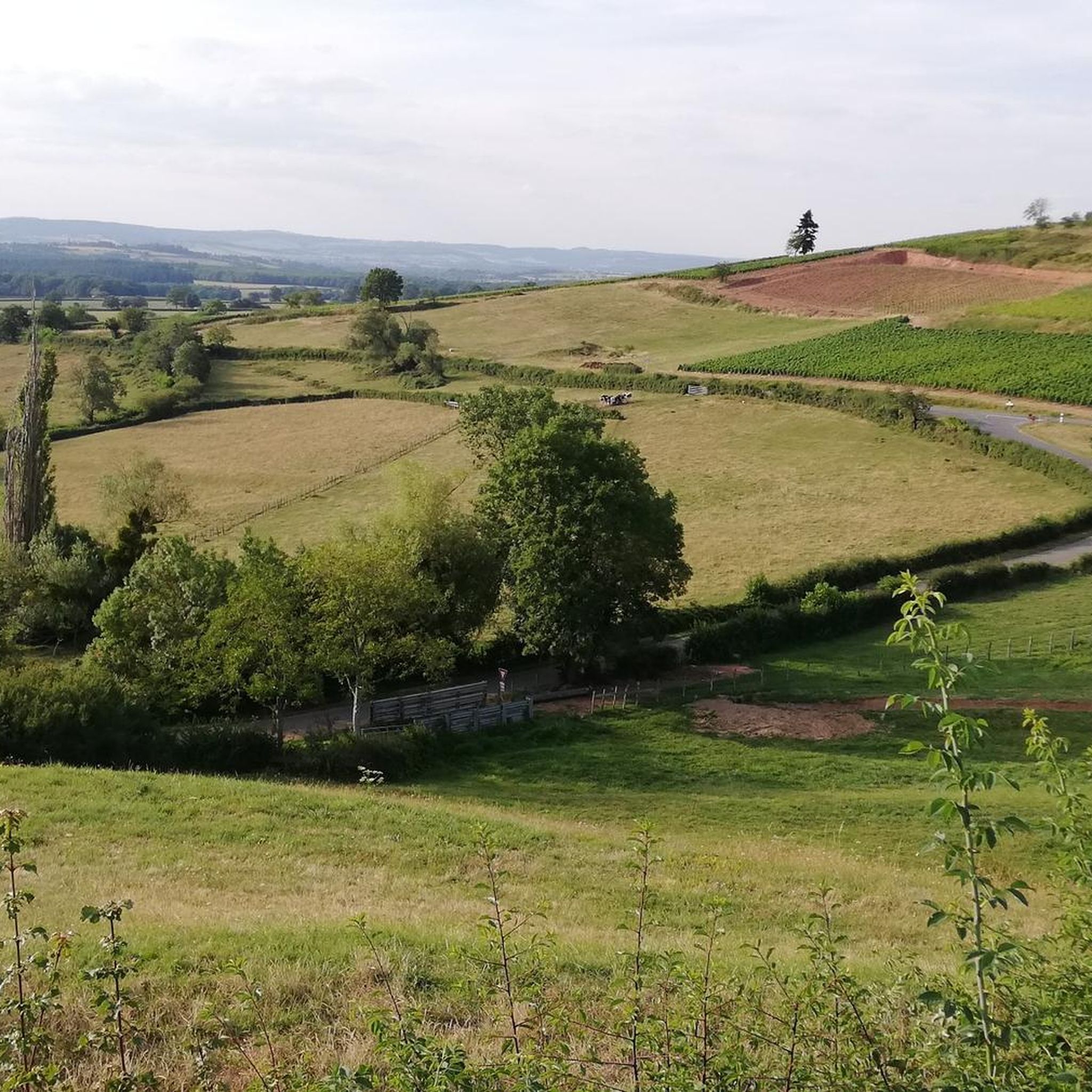
Hiking around Lournand provides access to a diverse landscape characterized by rolling hills and dense forests in the Saône-et-Loire department of France. The region features notable geological formations, including the dramatic Roche de Solutré, and is surrounded by the Mâconnais and Beaujolais vineyards. This varied terrain offers a blend of serene countryside and opportunities for exploring regional natural parks like the Morvan.
Best hiking trails around Lournand
- The most popular hiking route is Cluny Abbey – Cluny loop from Cluny…
Last updated: June 27, 2026
5.0
(6)
38
hikers
4.70km
01:13
30m
30m
Easy hike. Great for any fitness level. Easily-accessible paths. Suitable for all skill levels.
4.9
(7)
35
hikers
13.4km
03:55
350m
350m
Moderate hike. Good fitness required. Easily-accessible paths. Suitable for all skill levels.

Sign up for free
4.5
(18)
52
hikers
15.6km
04:27
360m
360m
Moderate hike. Good fitness required. Easily-accessible paths. Suitable for all skill levels.
4.8
(5)
15
hikers
6.10km
01:45
150m
150m
Easy hike. Great for any fitness level. Easily-accessible paths. Suitable for all skill levels.
5.0
(4)
19
hikers
10.4km
02:59
250m
250m
Moderate hike. Good fitness required. Easily-accessible paths. Suitable for all skill levels.
Get access to more routes and recommendations from other explorers.
Sign up for free
Already have an account?
Our route recommendations are based on thousands of hikes, rides, and runs completed by other people on komoot.
Start today with a free account
Your next adventure awaits.
Login or Signup

Tips from the Community

The Tour des Fromages is a preserved defensive tower from the 11th century, which originally belonged to the ramparts of the powerful Abbey of Cluny. In the Middle Ages, the structure was still called Tour des Fèves (Bean Tower), as supplies were stored there. It got its current, curious name in the 19th century because a merchant used the tower to dry her homemade cheeses. Today, the tower is a popular attraction. Visitors can climb the 120 steps to the top. From up there, you have a beautiful 360-degree panoramic view over the entire medieval monastic city and the surrounding Burgundy landscape. Access to the tower is directly through the local Cluny tourist office.
1
0
The historic Chapelle Saint-Laurent is located in the small hamlet of Collonges, which belongs to the municipality of Lournand. The origins of the chapel date back a long time and are estimated to be from before the year 900. For centuries, it was closely linked to the famous Abbey of Cluny, located only about 7 kilometers away. The building is located directly on the well-known long-distance hiking trail GR 76. For generations, it has served as a historic stopping point for pilgrims on the Camino de Santiago and the Way of Saint Francis of Assisi.
0
0
The palace is a rare and outstandingly preserved example of a lordly residence in the Flamboyant Gothic style. It was built in the 15th century for the powerful Abbot Jean de Bourbon. The building today houses the Musée d'Art et d'Archéologie de Cluny. Inside, you can visit monumental fireplaces, historical coins, as well as valuable sculptural remains and fragments of the once gigantic abbey church (Cluny III). The entrance to the museum is conveniently included in the ticket for the Abbey of Cluny.
0
0
The historic town of Cluny, located in the Bourgogne-Franche-Comté region, can best be admired from the viewing platform of the famous Cheese Tower (Tour des Fromages), from which you can enjoy a striking 360-degree view over the historic rooftops and the gentle, green hills of Southern Burgundy. Cluny is world-renowned for its Benedictine abbey, founded in 910 AD. In the High Middle Ages, the abbey was the starting point of the pioneering Cluniac reform movement and developed into the head of a Europe-wide monastic order with over 1,200 monasteries.
0
0
The Hôtel-Dieu de Cluny, a former historical hospital and today a museum in the French region of Burgundy. The striking, symmetrical central building with the grand outdoor staircase houses the hospital's own chapel. Its origins date back to a legacy in 1625, after which construction began in 1646 under the nuns of the Ursuline Order. From 1703, the complex was extensively rebuilt in the current classical style on the initiative of Cardinal de Bouillon, the 55th Abbot of Cluny. The complex served for centuries for the care of the sick and needy. It was only in 1960 that the medical hospital operations were finally discontinued.
1
0
The large work of art on the narrow building facade directly above the fountain is a monumental, historical sundial (cadran solaire). The faded, artistic lines and Roman numerals show the classic grid system of an old vertical sundial, which the townspeople could use to read the time of day. Such large astronomical mural paintings were widespread in the Burgundy region as well as on the outbuildings of the powerful abbey, in order to synchronize the monastic and urban daily routine.
1
0
The neoclassical fountain directly on the building wall was built in the 18th century and is also known today as Fontaine Prud'hon. It was named in honor of the famous French painter and draftsman Pierre-Paul Prud'hon, who was born in Cluny in 1758. The fountain is integrated into the wall like a "water cabinet" (buffet d'eau) and features a fluted basin on a pedestal. In the past, a lion's head spout fed the basin. Today, a modern tap serves cyclists and pedestrians as a public drinking water source.
1
0
Frequently Asked Questions
How many hiking trails are available around Lournand?
There are over 240 hiking routes around Lournand, offering a wide range of options for all skill levels. These trails explore the diverse landscape of rolling hills, dense forests, and vineyard paths.
What kind of terrain can I expect on hikes near Lournand?
Hikes around Lournand feature a varied terrain, primarily characterized by rolling hills and dense forests. You'll also find paths winding through the Mâconnais and Beaujolais vineyards. The region includes notable geological formations like the dramatic Roche de Solutré, offering both scenic beauty and varied walking surfaces.
Are there any easy hiking options suitable for beginners in Lournand?
Yes, Lournand offers a good selection of easy hikes. There are over 85 routes classified as easy, perfect for beginners or those looking for a relaxed stroll. An example is the Notre-Dame Church – Cluny loop from Cluny, which is just under 4 km long.
Can I find challenging hikes around Lournand?
For those seeking more challenging experiences, Lournand has 22 difficult routes. These trails often feature greater elevation changes and longer distances, providing a more strenuous workout amidst the region's beautiful landscapes.
Are the hiking trails around Lournand suitable for families with children?
Many trails around Lournand are suitable for families. The region's diverse landscape includes numerous easy and moderate routes through forests and gentle hills, perfect for walks with children. Look for shorter, less strenuous loops to ensure an enjoyable experience for everyone.
Are dogs allowed on the hiking trails in Lournand?
Generally, dogs are welcome on hiking trails around Lournand, especially in the natural countryside and forest areas. However, it's always advisable to keep them on a leash, particularly near livestock or in protected natural zones, and to check specific regulations for any nature reserves or private properties you might encounter.
What natural features or landmarks can I see while hiking near Lournand?
While hiking near Lournand, you can encounter several notable natural features and historical landmarks. The dramatic Roche de Solutré is a significant geological site. You might also explore the nearby Cormatin Castle or the historic town of Cluny, home to its famous abbey. The region is also known for its rolling hills, dense forests, and picturesque vineyards.
Are there circular hiking routes available in Lournand?
Yes, many of the hiking routes around Lournand are circular, allowing you to start and end your journey in the same location. Examples include the popular Saint-Marcel Church of Cluny – Col des Quatre Vents loop from Cluny and the Notre-Dame Church – Abbey Park of Cluny loop from Cluny.
What is the best time of year to go hiking in Lournand?
The best time to hike in Lournand is typically during spring (April to June) and autumn (September to October). During these seasons, the weather is generally mild and pleasant, and the natural scenery, whether blooming or displaying autumn colors, is at its most beautiful. Summer can also be good, but be prepared for warmer temperatures.
Are there places to eat or stay near the hiking trails in Lournand?
Lournand and its surrounding villages, particularly nearby Cluny, offer various amenities for hikers. You can find cafes, restaurants, and accommodation options ranging from guesthouses to hotels. These establishments provide convenient spots to refuel and relax before or after your hikes.
What do other hikers enjoy most about hiking in Lournand?
The hiking experience in Lournand is highly rated by the komoot community, with an average score of 4.7 stars from over 400 reviews. Hikers often praise the region's diverse landscapes, from serene forests and rolling hills to the charming vineyard paths, as well as the well-maintained trails and the blend of natural beauty with historical sites.
Is public transport available to access hiking trails around Lournand?
While Lournand itself is a small village, the broader region around Cluny may offer some public transport options, though these might be limited. For direct access to many trailheads, especially those further afield or in more rural settings, having a car is often the most convenient way to reach your starting point.
Most popular attractions around Lournand

Get inspired with the komoot mobile app


Explore more
Browse the best Hikes in other regions.
