Attractions and Places To See around Revest-Du-Bion - Top 20
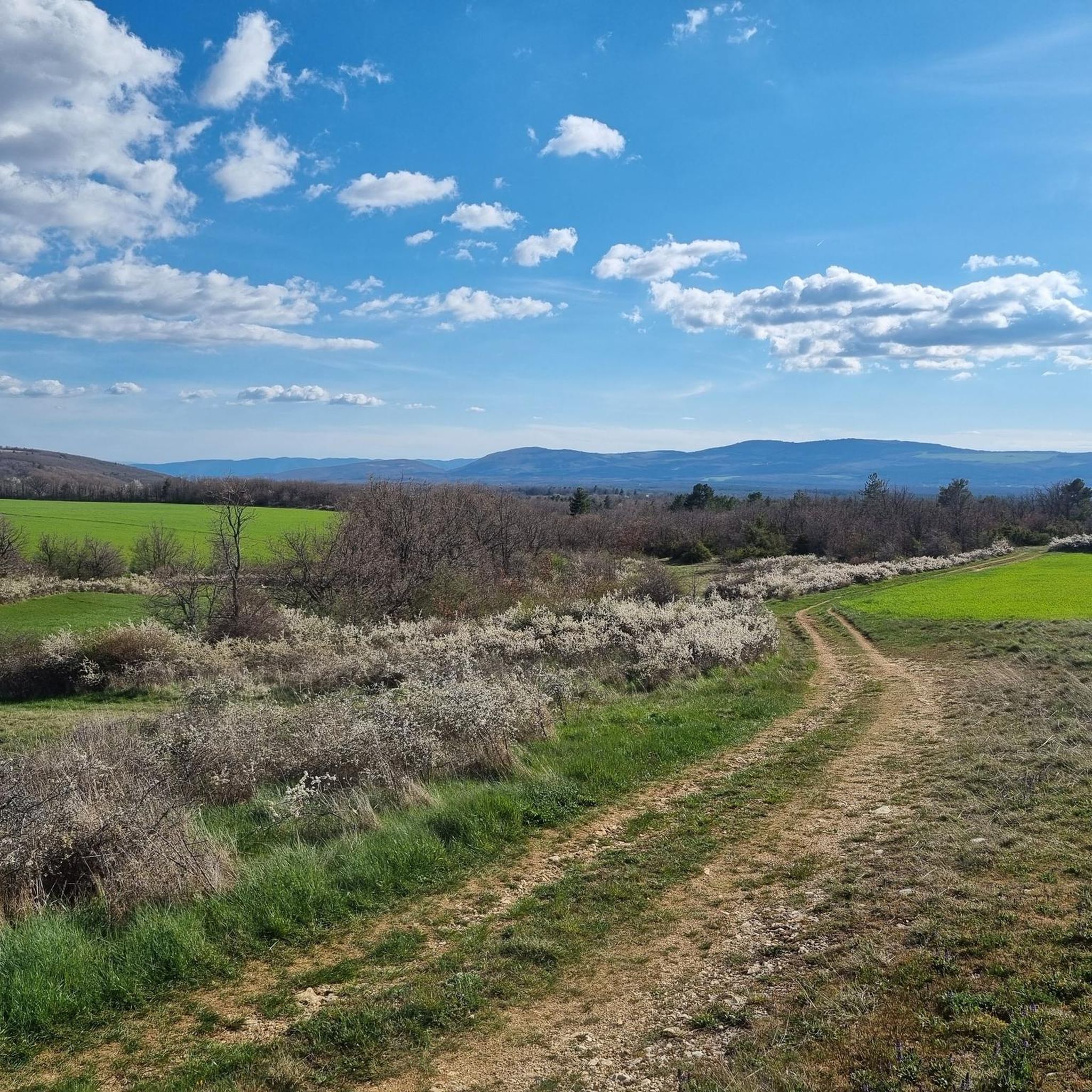
Best attractions and places to see around Revest-Du-Bion, a village located on the Albion plateau, offers a mix of historical landmarks and natural beauty. Situated between Mont Ventoux and Montagne de Lure, the area features extensive lavender fields and forests of white oak, pine, and beech. Visitors can explore remnants of old city walls, enjoy panoramic views, and discover the unique karstic landscape of the plateau. The region provides opportunities for outdoor activities and cultural experiences.
Best attractions and places…
Last updated: May 25, 2026
Sault
Highlight • Settlement
Translated by Google •
Tip by

Mont Ventoux Ascent from Sault
Highlight (Segment) • Climb
Translated by Google •
Tip by

Sign up now to discover places like this
Get recommendations on the best single tracks, peaks, & plenty of other exciting outdoor places.
Sign up for free
Montbrun-les-Bains
Highlight • Settlement
Showing Translation
Tip by

Aurel
Highlight • Settlement
Translated by Google •
Tip by

Col de l'Homme Mort
Highlight • Mountain Pass
Tip by

Sign up for free to discover even more attractions around Revest-Du-Bion.
Sign up for free
Already have an account?
Start today with a free account
Your next adventure awaits.
Login or Signup
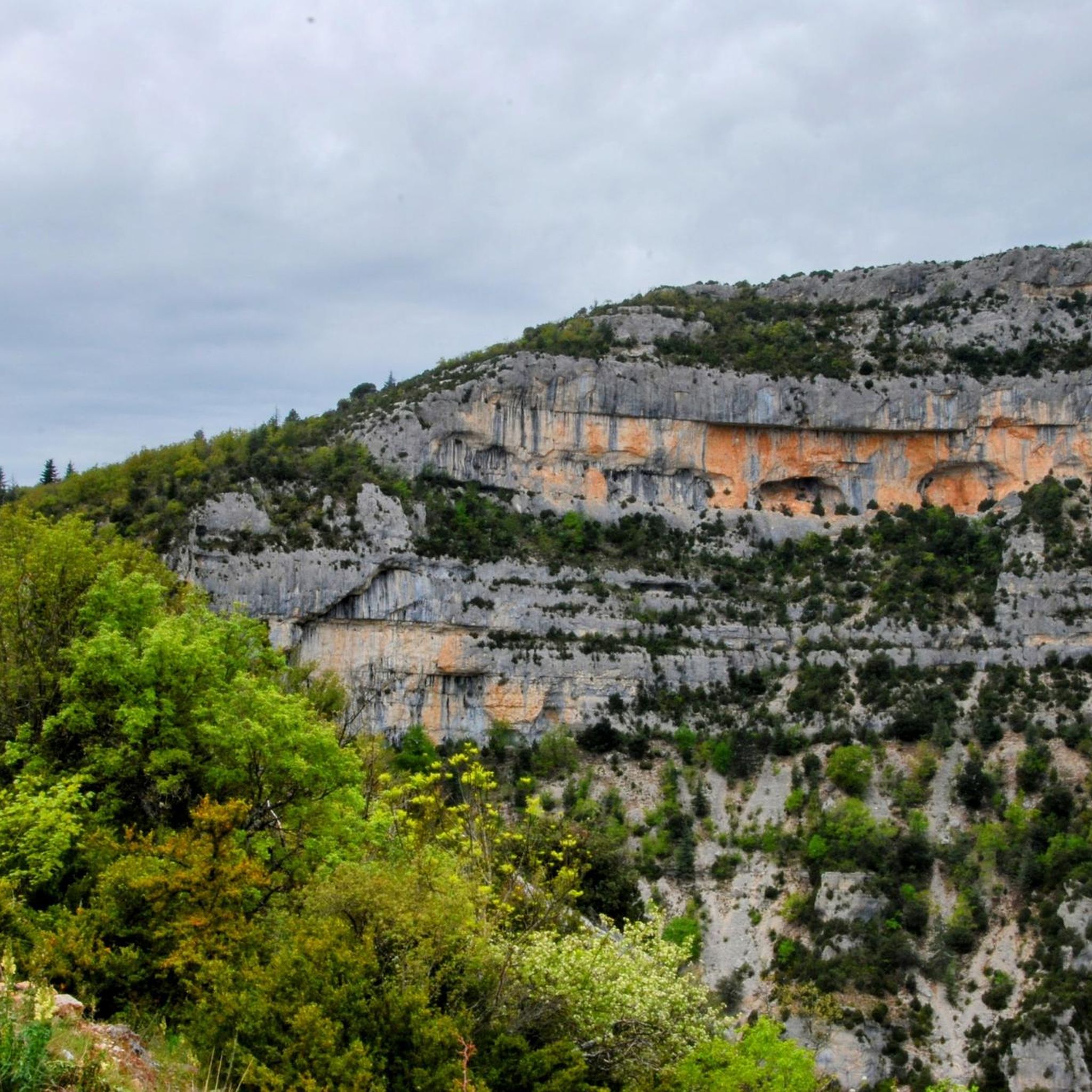
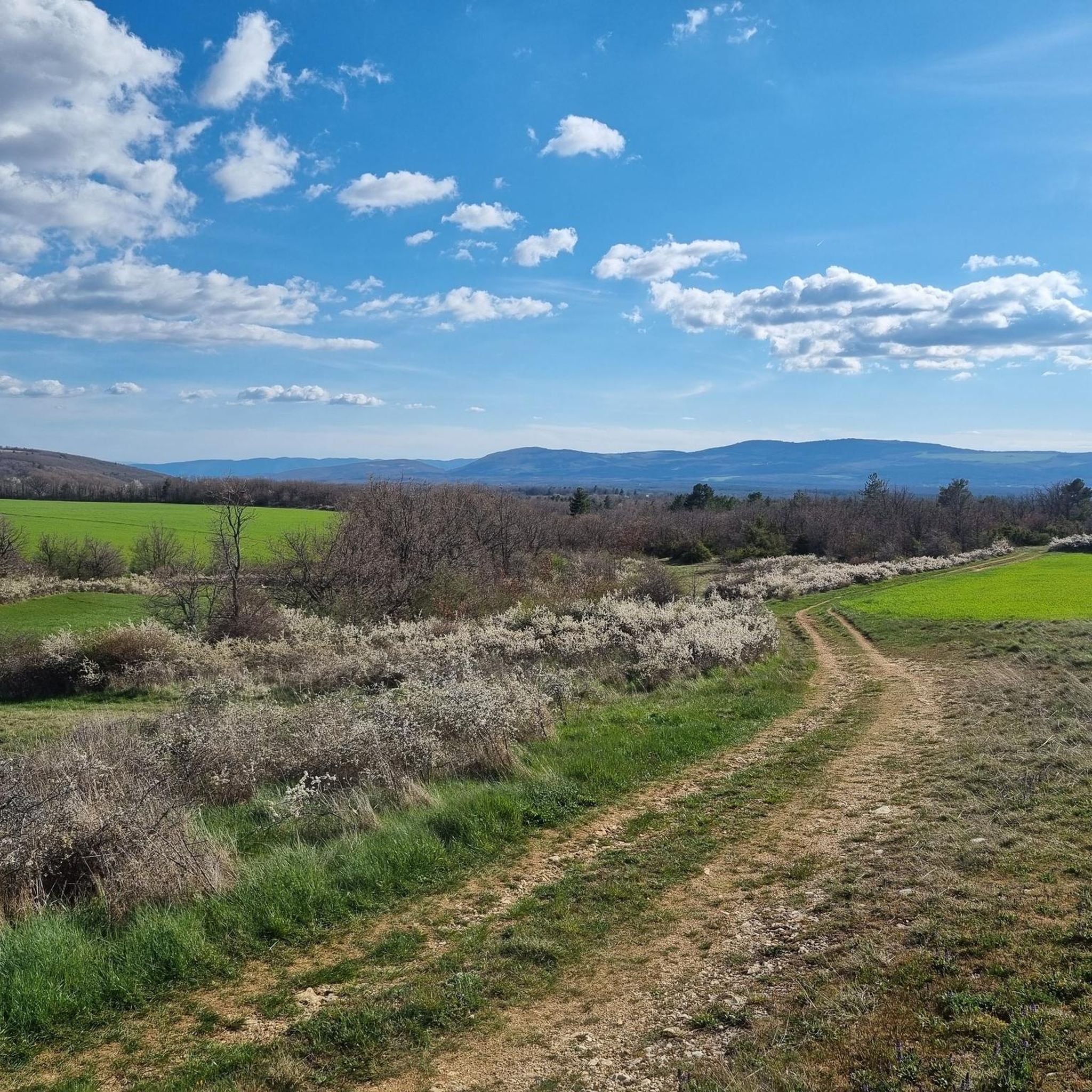
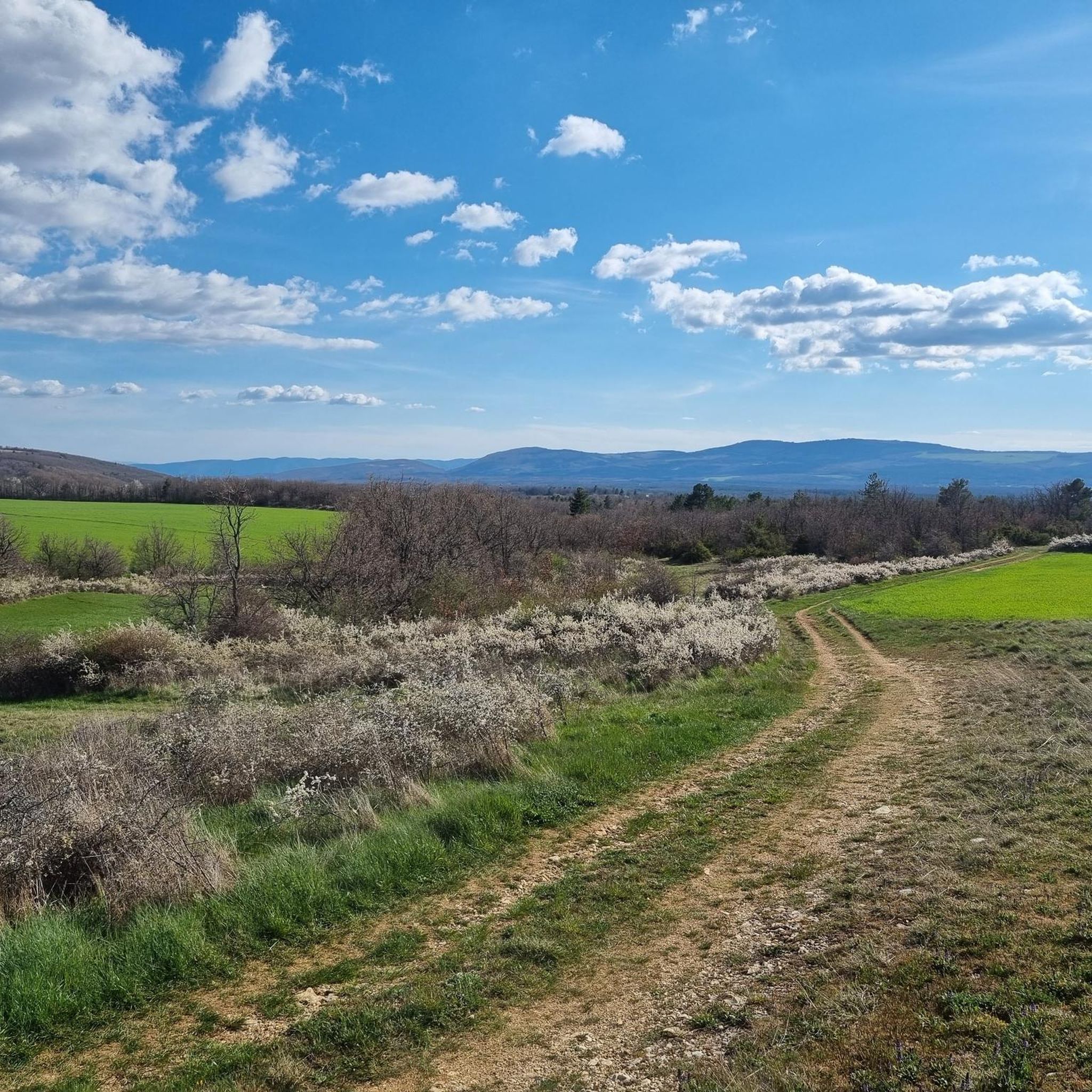
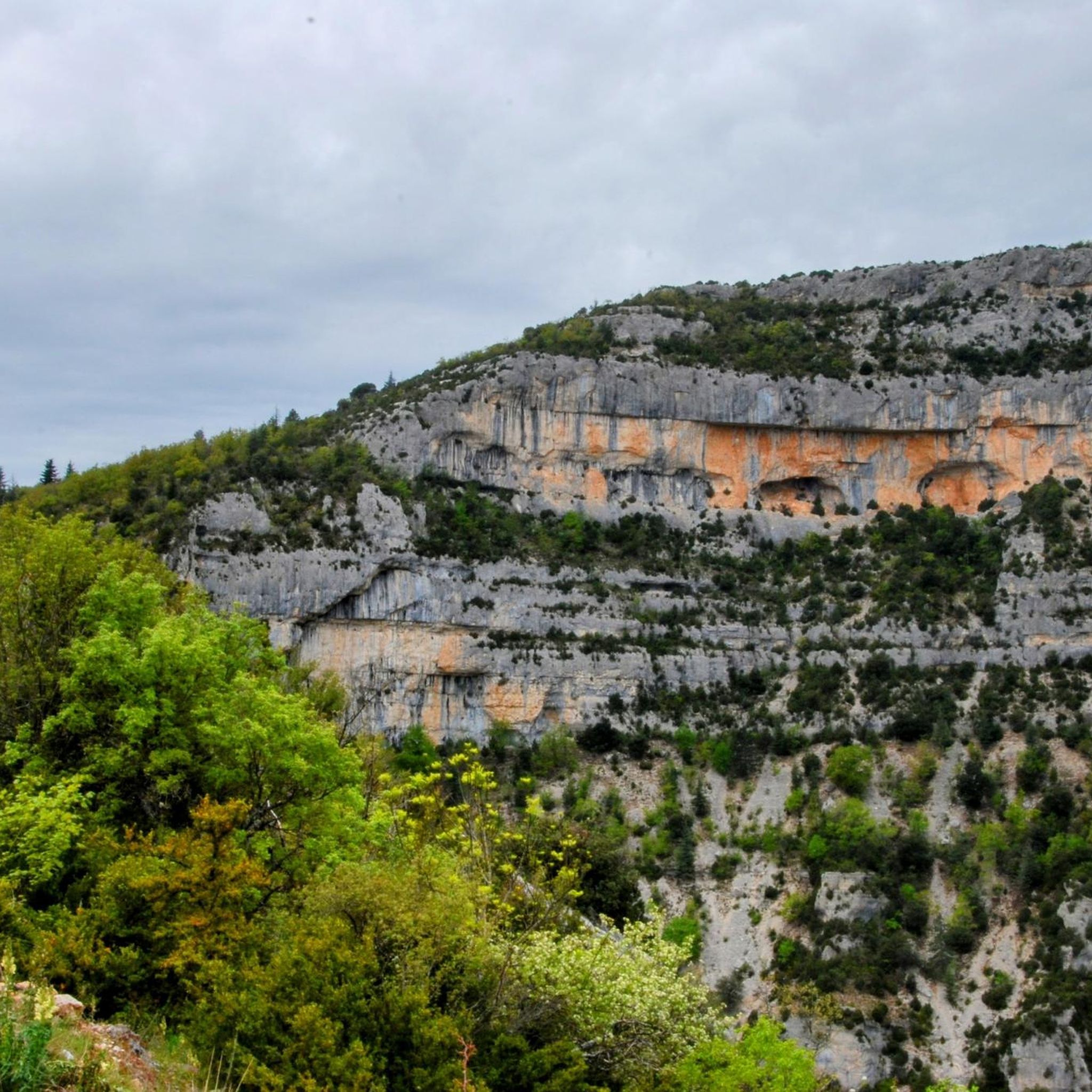
Tips from the Community

Very beautiful, old place with a great distant view, including the Ventoux.
0
0

Nice little place with a beautiful view.
0
0

Pretty pass with a gentle slope, very pleasant to climb.
0
0

A superb climb on smooth asphalt, even if it's not the most popular climb. Therefore, traffic is very light, which I personally find more important. Up to Chalet Reynard, you're surrounded by trees. Views are rare. Overall, the climb is very pleasant and suitable for those who want to take it easy.
2
0


Frequently Asked Questions
What are some popular villages or settlements to visit near Revest-Du-Bion?
Nearby, you can explore Sault, known for its lavender fields and as a starting point for Mont Ventoux ascents. Another must-see is Montbrun-les-Bains, a picturesque village built on a rock, famous for its historical architecture and sulphurous waters.
What natural features can I explore around Revest-Du-Bion?
Revest-Du-Bion is nestled on the Albion plateau, offering magnificent panoramic views of Mont Ventoux and Montagne de Lure. The area is surrounded by picturesque lavender fields, extensive forests of white oak, pine, and beech, and chestnut groves. You can also visit L'Étang, a small artificial pond perfect for relaxation and picnics.
Are there any historical sites or landmarks in Revest-Du-Bion?
Yes, the village boasts several historical points of interest. You can visit the Eglise Saint-Clair, which dates back to the 11th century. Remnants of the old city walls, including a fortified tower and the monumental "the Portissol" Gate, are also visible. A village walk with photos on building facades illustrates Revest-Du-Bion's rich history.
What kind of outdoor activities can I do around Revest-Du-Bion?
The region is ideal for various outdoor pursuits. You can enjoy hiking and horse-riding on numerous marked trails directly from the village. The Albion Plateau's unique karstic landscape, with lapiaz, sinkholes, and dolines, offers interesting exploration. For more specific routes, check out the hiking guide for the area.
Are there hiking trails suitable for different skill levels near Revest-Du-Bion?
Yes, there are trails for various abilities. For easy walks, consider the 'Col de l'Homme Mort (Dead Man Pass) – Col de l'Homme Mort loop' or the 'Lavender Botanical Trail loop from Ferrassières'. More moderate options include the 'Fountain with cool water loop from Saint-Trinit' and the 'Faille de l'Aze at St Christol loop'. You can find more details in the hiking guide.
Can I go cycling or mountain biking in the Revest-Du-Bion area?
Absolutely. The region offers excellent opportunities for cycling and mountain biking. For road cyclists, the Col de l'Homme Mort and Macuègne Pass provide steady climbs and scenic descents. Mountain bikers can explore routes like 'View of Banon and Surroundings' or 'The Old Mills Ruins'. Discover more routes in the MTB trails guide.
What is the best time to visit Revest-Du-Bion for outdoor activities?
The region is particularly beautiful when the lavender fields are in bloom, typically in summer. This season is also ideal for hiking and enjoying the refreshing spots like L'Étang. The Chestnut Festival in late October offers a unique cultural experience, though some outdoor activities might be more challenging due to cooler weather.
Are there family-friendly activities available in Revest-Du-Bion?
Yes, Revest-Du-Bion offers several family-friendly options. The 'Aires' – vast, shaded communal areas under lime and chestnut trees – are perfect for relaxation, social gatherings, pétanque, and children's games. L'Étang, with its picnic tables, is also a great spot for families, especially in summer. Easy hiking trails are also suitable for families.
What cultural experiences can I find in Revest-Du-Bion?
You can immerse yourself in local culture by visiting nearby markets to taste regional produce and specialties. If you visit in late October, you might experience the traditional Chestnut Festival, featuring a market with local products. The village also has historical ties to painter Eugène Martel and writer Jean Giono, adding to its cultural charm.
What do visitors enjoy most about the attractions around Revest-Du-Bion?
Visitors appreciate the blend of historical charm and natural beauty. The tranquil atmosphere of the village, the panoramic views of Mont Ventoux, and the extensive lavender fields are frequently highlighted. The well-preserved authenticity of the Albion Plateau and the opportunities for outdoor activities like hiking and cycling are also highly valued by the komoot community.
Are there any unique natural formations on the Albion Plateau near Revest-Du-Bion?
Yes, the Albion Plateau is known for its distinctive karstic landscape. This includes fascinating natural formations such as lapiaz (eroded limestone pavements), sinkholes, and dolines (bowl-shaped depressions). These features are a testament to the region's unique geology and offer interesting sights for explorers.
Where can I find places for relaxation or social gatherings in Revest-Du-Bion?
The village features 'the Aires,' which are large, shaded communal areas located under lime and chestnut trees. Historically used for agricultural purposes, these spots now serve as popular places for relaxation, social gatherings, games like pétanque, and children's activities, providing a pleasant community atmosphere.
Most popular routes around Revest-Du-Bion
Most popular attractions around Revest-Du-Bion

Get inspired with the komoot mobile app


Explore more
Still not found the Highlight you’re looking for? See guides of the top attractions in other regions:
