The best road cycling routes in Argeș
4.0
(2)
70
riders
6
rides
Road cycling in Argeș County, located in southern Romania, offers diverse landscapes for cyclists. The region is characterized by the Southern Carpathian Mountains, including the Făgăraș range, which features challenging mountain roads and significant elevation changes. Cyclists can expect a mix of dense forests, winding valleys, and alpine terrain, with notable features like the Transfăgărășan Road. This varied geography provides a range of road cycling experiences, from demanding mountain ascents to more moderate routes through the countryside.
Best road cycling…
Last updated: August 25, 2026
20
riders
58.4km
03:46
1,430m
1,430m
Hard road ride. Very good fitness required. Some segments of this route may be unpaved and difficult to ride.
6
riders
101km
04:15
730m
730m
Moderate road ride. Good fitness required. Some segments of this route may be unpaved and difficult to ride.

Sign up for free
3.0
(1)
7
riders
58.4km
02:49
540m
540m
Moderate road ride. Good fitness required. Some segments of this route may be unpaved and difficult to ride.
5
riders
114km
04:45
820m
820m
Moderate road ride. Good fitness required. Some segments of this route may be unpaved and difficult to ride.
5
riders
31.7km
01:30
240m
240m
Easy road ride. Great for any fitness level. Mostly well-paved surfaces and easy to ride.
Our route recommendations are based on thousands of hikes, rides, and runs completed by other people on komoot.
Start today with a free account
Your next adventure awaits.
Login or Signup
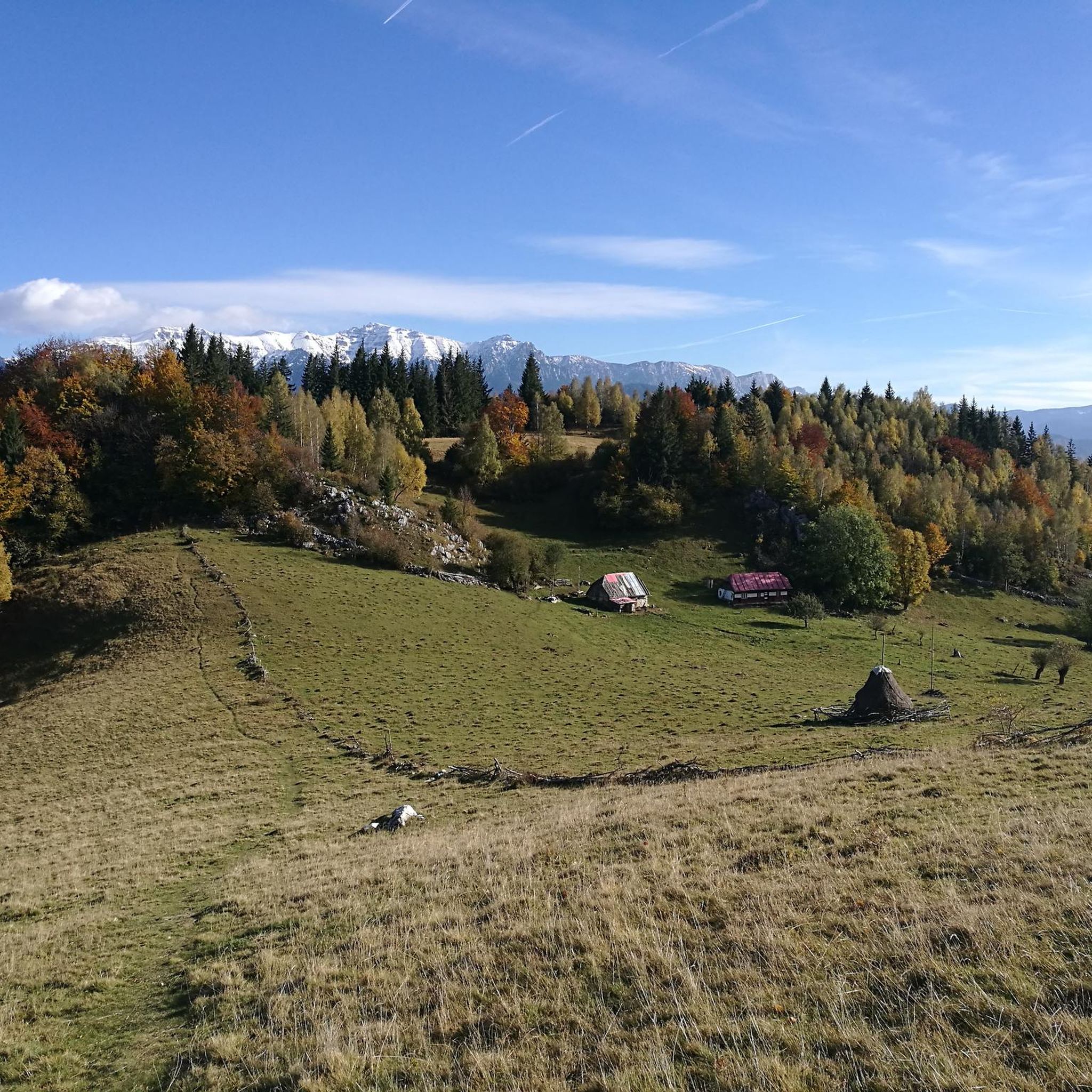

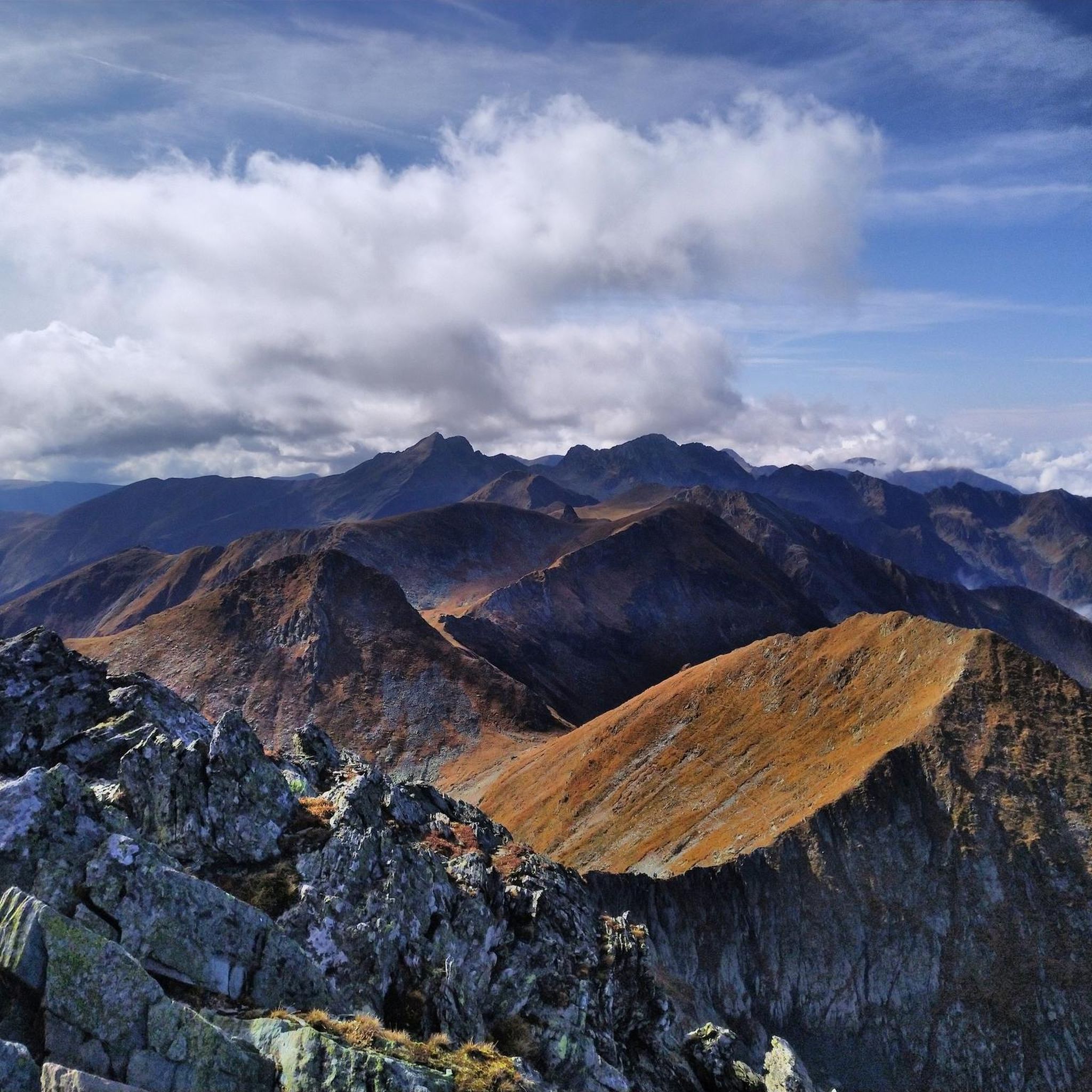
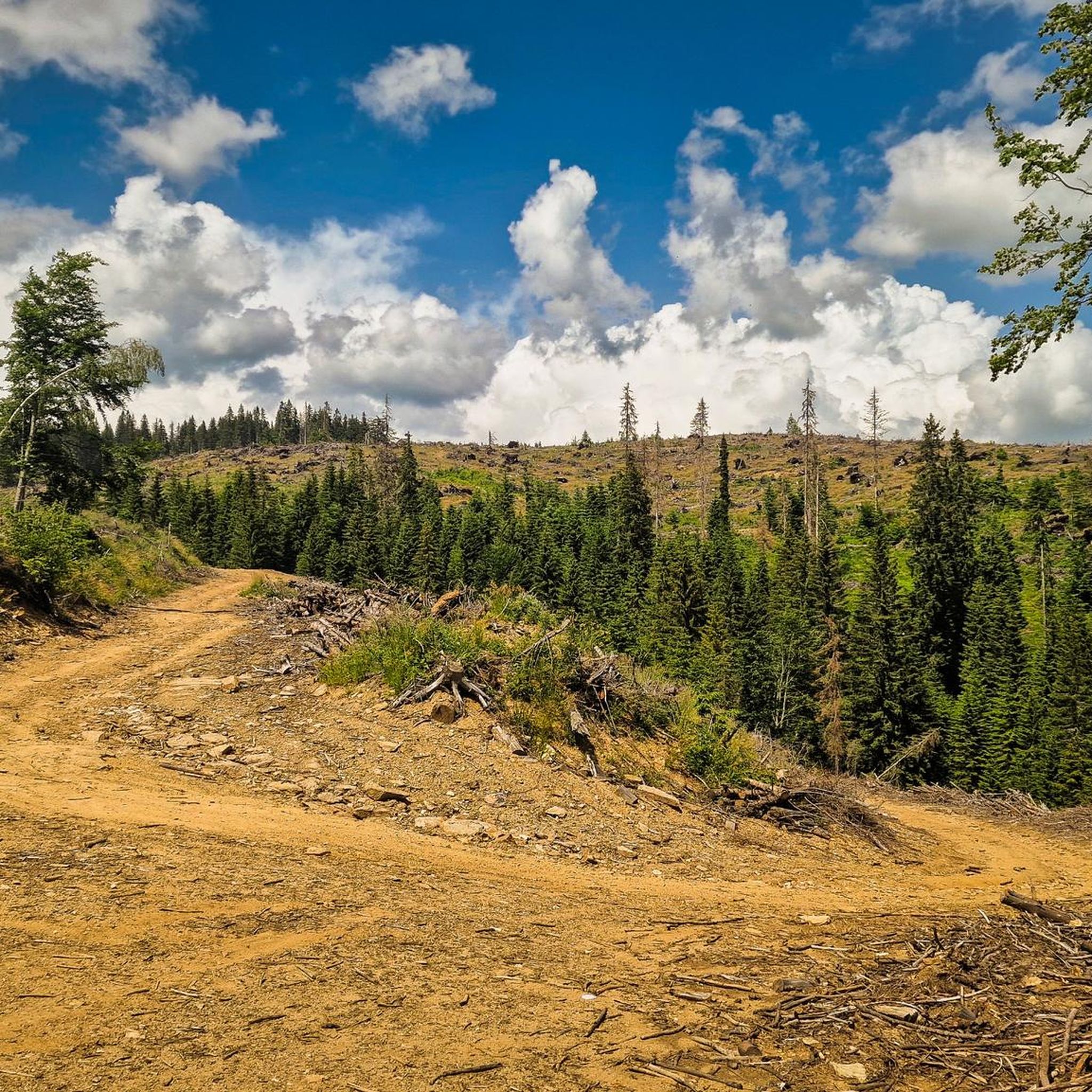

Tips from the Community

The Dâmbovicioara Gorge was formed over millennia by the erosive power of the Dâmbovița River, which carved deeply into the limestone of the Carpathians. The gorge is a typical example of a "Klus" – a narrow, mountain-enclosed valley formation, often created by tectonic shifts or river erosion. Its limestone and shale rock walls reach heights of over 100 meters in places and are crisscrossed by vertical cliffs, grottos, and natural balconies. Particularly impressive are the "Dâmbovicioara Waterfalls," which begin to roar after heavy rainfall or in spring due to the melting snow from the mountains. The river winds through the gorge like a green dragon, sometimes calm, sometimes wild and raging – a constant interplay between idyll and drama.
0
0

The Dâmbovicioara Gorges are part of the Piatra Craiului Mountains on the Rucar - Bran route. Amazing landscapes. Attention, bear tracks even in winter.
0
0
Frequently Asked Questions
How many road cycling routes are available in Argeș?
Argeș offers a diverse selection of road cycling routes, with over 9 routes documented on komoot. These range from easy countryside loops to challenging mountain ascents, catering to various skill levels.
What is the best time of year for road cycling in Argeș?
The best time for road cycling in Argeș is typically during the summer season, from mid-June until late October. This period ensures that higher altitude roads, such as the iconic Transfăgărășan, are open and free of snow, offering the most favorable weather conditions for exploring the region's diverse landscapes.
Are there any easy road cycling routes for beginners in Argeș?
Yes, Argeș has routes suitable for beginners. For instance, the Roadbike loop from Ion C. Brătianu is an easy 19.7-mile (31.7 km) trail that leads through rural areas, perfect for those looking for a more relaxed ride.
Are there challenging mountain routes for experienced road cyclists in Argeș?
Absolutely. Argeș is renowned for its challenging mountain terrain. The Roadbike loop from Dâmbovicioara is a difficult 36.3-mile (58.4 km) route with significant elevation gain through mountainous landscapes. The region's Făgăraș Mountains, including the Transfăgărășan Road, offer some of Eastern Europe's most iconic and demanding climbs.
Can I find circular road cycling routes in Argeș?
Yes, many of the road cycling routes in Argeș are designed as loops, allowing you to start and finish in the same location. Examples include the Roadbike loop from Pitești Nord and the Câmpulung Muscel – View of Bran Castle loop from Halta Parcul Krețulescu, offering varied distances and difficulties.
What natural features or landmarks can I see along road cycling routes in Argeș?
Road cycling in Argeș offers stunning natural and historical sights. You can encounter the dramatic Făgăraș Mountains, the scenic Lake Vidraru, and the impressive Vidraru Dam. For panoramic views, consider routes that pass by viewpoints towards peaks like Moldoveanu Peak or Viștea Mare Summit. The region also features lush forests and alpine meadows.
Are there any historical sites accessible by road bike in Argeș?
Yes, road cycling routes in Argeș can lead you to significant historical sites. Poenari Castle, often referred to as the 'real Dracula's Castle' and once a property of Vlad the Impaler, is accessible via the Transfăgărășan road, offering a unique historical stop amidst your ride.
What makes the Transfăgărășan Road special for road cyclists?
The Transfăgărășan Road (DN7C) is a bucket-list experience for road cyclists, renowned for its spectacular alpine scenery, numerous hairpin bends, and significant altitude gain. It crosses the Făgăraș Mountains, offering a challenging ascent and breathtaking views, making it one of Eastern Europe's most iconic climbs. You can learn more about its history and features on Wikipedia.
Are there places to eat or stay near the cycling routes in Argeș?
Yes, especially along popular routes and in towns like Curtea de Argeș or near the Transfăgărășan, you can find various options for cafes, pubs, and accommodation. While specific establishments are not listed here, the region is equipped to welcome cyclists, particularly during the peak season.
Are there family-friendly road cycling routes in Argeș?
While many routes in Argeș feature significant elevation, there are options suitable for families looking for less strenuous rides. Look for routes through rural areas or along flatter sections of valleys. The easy Roadbike loop from Ion C. Brătianu could be a good starting point for families.
What do other road cyclists enjoy the most about road cycling in Argeș?
The road cycling experience in Argeș is highly rated by the komoot community, with an average score of 4.0 stars. Reviewers often praise the dramatic Carpathian Mountain landscapes, the challenge of routes like the Transfăgărășan, and the diverse terrain that transitions from dense forests to wide alpine meadows.
Is public transport available to access road cycling routes in Argeș?
Public transport options to access specific trailheads might be limited, especially for more remote mountain routes. However, major towns like Pitești and Curtea de Argeș are accessible by bus or train, from where you can start your cycling adventure or connect to local roads leading to the routes.
Where can I find parking for road cycling routes in Argeș?
Parking is generally available in the starting towns or villages of many routes. For example, routes starting from Pitești Nord or Ion C. Brătianu will have parking facilities. For mountain routes, designated parking areas can often be found near popular attractions like the Vidraru Dam or along the Transfăgărășan Road.
Most popular attractions in Argeș

Get inspired with the komoot mobile app


Didn’t find what you were looking for?
Check out more Road cycling routes throughout Argeș below and find the perfect route in your destination.
Explore more
Browse the best Road cycling routes in other regions.
