The best road cycling routes around Arft
4.7
(60)
1,595
riders
85
rides
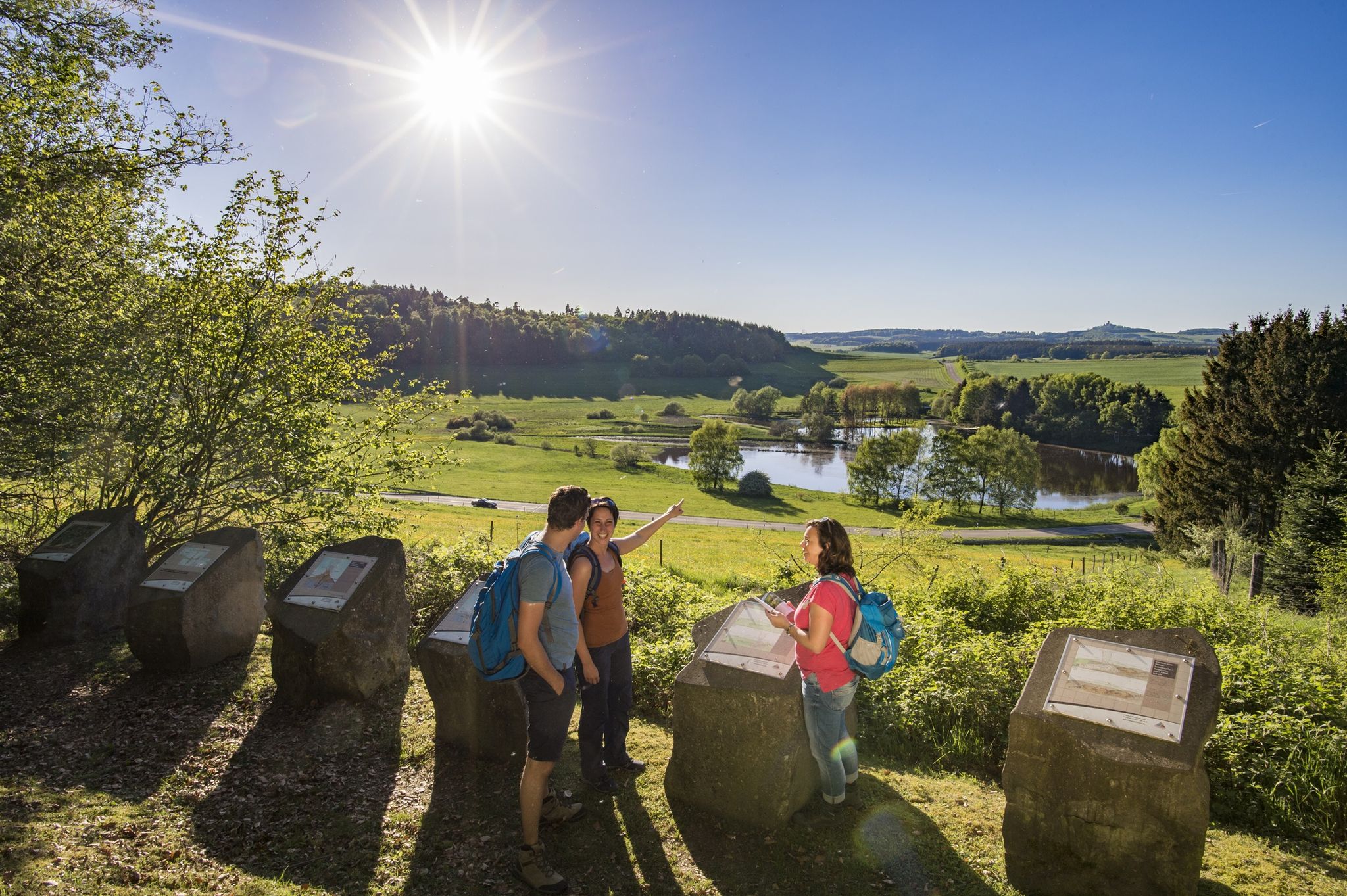
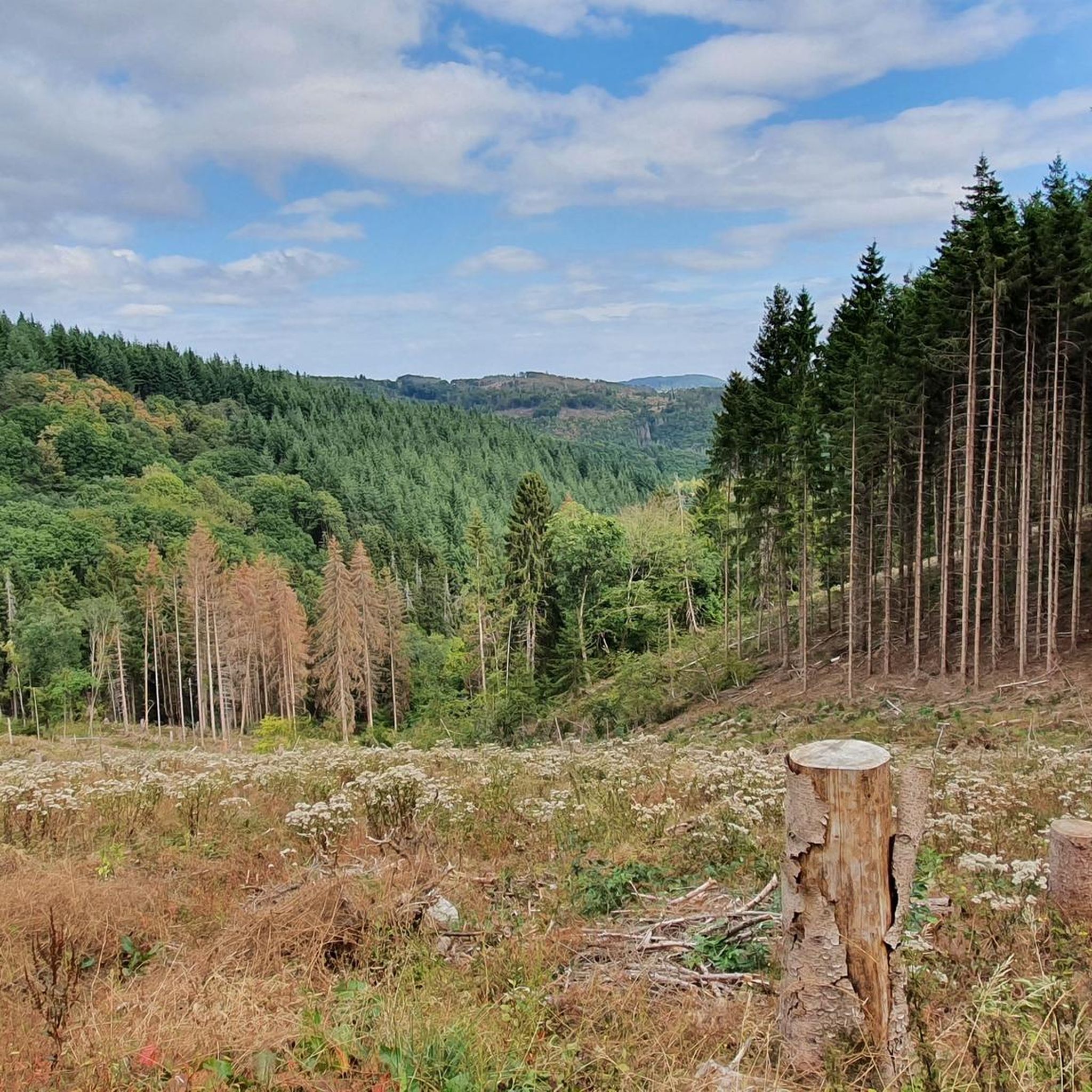
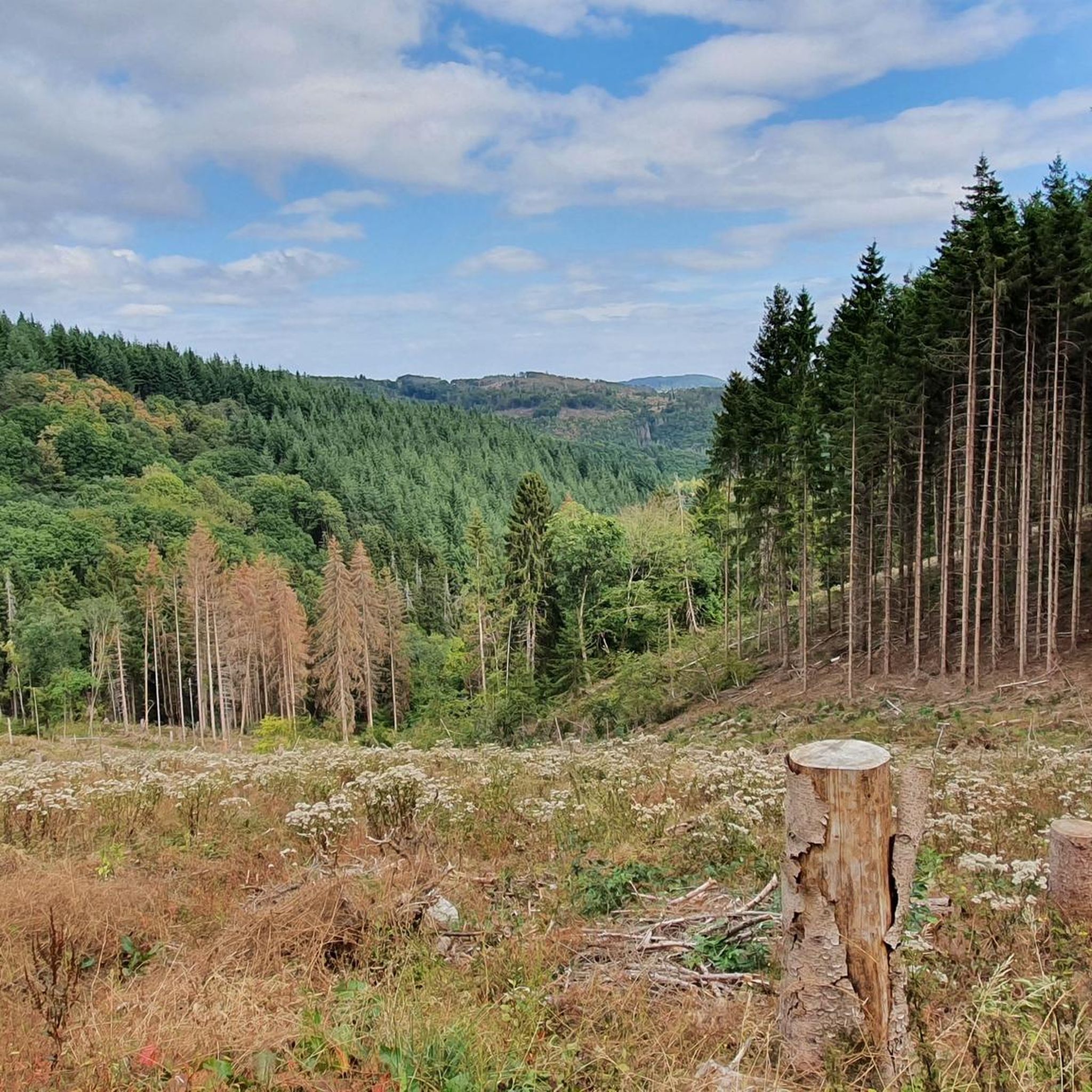
Road cycling routes around Arft are situated in the Eifel region of Germany, an area shaped by ancient volcanic activity. This results in a dynamic landscape characterized by rolling hills, verdant valleys, and distinctive geological features. Cyclists can expect varied topography with significant elevation changes, offering both gentle climbs and challenging ascents through forests and open meadows. The region provides an extensive network of well-maintained roads suitable for road cycling.
Best road cycling routes around Arft
- The most popular road…
Last updated: May 14, 2026
4.8
(5)
63
riders
54.2km
02:42
850m
860m
Moderate road ride. Good fitness required. Mostly well-paved surfaces and easy to ride.
4.5
(4)
72
riders
51.3km
02:35
710m
710m
Moderate road ride. Good fitness required. Some segments of this route may be unpaved and difficult to ride.

Sign up for free
5.0
(1)
30
riders
75.1km
03:27
840m
840m
Moderate road ride. Good fitness required. Some segments of this route may be unpaved and difficult to ride.
19
riders
88.8km
04:15
1,190m
1,190m
Hard road ride. Very good fitness required. Some segments of this route may be unpaved and difficult to ride.
5.0
(2)
21
riders
38.8km
02:02
700m
700m
Moderate road ride. Good fitness required. Mostly well-paved surfaces and easy to ride.
Get access to more routes and recommendations from other explorers.
Sign up for free
Already have an account?
Our route recommendations are based on thousands of hikes, rides, and runs completed by other people on komoot.
Start today with a free account
Your next adventure awaits.
Login or Signup

Tips from the Community

At the moment the road to Altenahr is closed here
0
0

The northern gate of the city fortifications, which still exists today, is the gatehouse located on the Nette river, built between 1299 and 1354. It secured the crossing of the Nette and primarily served as the city entrance from the direction of Koblenz, which is why it also bears the name "Koblenzer Tor" (Koblenz Gate). Since there are no signs of a slot in the wall for a portcullis, it is assumed that a drawbridge to the bridge pier on the Nette was used to secure the gate. Due to the flood in 1598, the gatehouse collapsed along with the outer gate. However, the chiseled number 1599 testifies that the gatehouse was rebuilt just one year later. From the beginning of the 19th century until 1855, the gatehouse was used as a prison. The city coat of arms, added in 1911, is still visible today. Source: Jonas Breithaupt, University of Koblenz-Landau, 2015
2
0

The oldest part of Bürresheim Castle is the imposing keep, a 12th-century tower that clearly reflects the castle's defensive origins. Over time, the castle developed into a complex double complex, consisting of the so-called Cologne Castle and the Trier Castle, which underwent different construction and expansion phases. While the Cologne Castle formed the older part and primarily served economic purposes—leading to its eventual decline—the Trier Castle was transformed into a prestigious residential palace, which continues to shape the character of the entire complex to this day.
2
0

The Brückentor (Bridge Gate) is one of Mayen's few remaining medieval city gates and once served as the most important entrance for travelers coming from Koblenz. Today, this historic building houses the Mayen Carnival Museum, which brings the city's long tradition of "Faasenaacht" (Carnival Night) to life.
0
0

A very beautiful market square with beautiful buildings (town hall, church, and castle). Plenty of cafés and restaurants, bakeries, etc., offer opportunities for a rest and refreshment.
9
0
The late Gothic castle was besieged, destroyed, and rebuilt several times over the course of its eventful history. The current complex consists of the upper castle with the 34-meter-high Golo Tower and the slightly lower outer castle. The castle is protected from the city by a large castle gate, and on the other side by the keep and a moat complex. The former moat is now a ring road spanned by a 20-meter-long Gothic stone bridge. The Genovevaburg Castle houses two exhibitions of the Eifel Museum: EifelTotal and the German Slate Mine.
9
0
The castle belongs to the municipality of Sankt Johann in Rhineland-Palatinate and is located northwest of Mayen on a rocky outcrop at the confluence of the Nitzbach and Nette rivers. Along with Eltz Castle and Lissingen Castle, Bürresheim Castle is one of the few aristocratic residences in the Eifel region that was never conquered or destroyed, surviving unscathed both the wars of the 17th and 18th centuries and the social upheavals resulting from the French Revolution. Its history was largely shaped by its location on the border between the two ecclesiastical electorates of Cologne and Trier.
9
0
The church's patron saint suggests its great age. It was first mentioned in 1330 in the Taxa generalis of the Archdiocese of Trier. The Romanesque west tower dates to the beginning of the 13th century. The core of the nave, which still stands today, was built around 1470. Around 1728, the choir was enlarged, and a sacristy was added to the south side of the east bay of the nave. Along with other minor alterations over time, the expansion between 1904 and 1906 was the most significant. Under the direction of the Bonn architect Johann Adam Rüppel, the northern aisle was renovated and a southern aisle was added. This created the current four-aisled hall church. In 1919, the western gallery was built from tuff stone in neo-Gothic style.
9
0
Frequently Asked Questions
How many road cycling routes are available around Arft?
There are over 85 road cycling routes around Arft, offering a wide variety of options for cyclists. These routes are highly rated by the komoot community, with an average score of 4.7 stars.
What kind of terrain can I expect when road cycling near Arft?
The terrain around Arft, situated in the Eifel region, is characterized by its volcanic origins. This means you'll encounter a dynamic landscape of rolling hills, verdant valleys, and significant elevation changes. Routes often feature both gentle climbs and challenging ascents through lush forests and open meadows.
Are there road cycling routes suitable for different skill levels?
Yes, the routes around Arft cater to various skill levels. You can find easy routes, moderate paths, and difficult challenges. Specifically, there are 5 easy routes, 45 moderate routes, and 37 difficult routes available, ensuring options for everyone from casual riders to seasoned cyclists.
What unique natural features can I see along the road cycling routes?
The Eifel's volcanic past offers distinctive natural sights. Cyclists can expect to encounter picturesque maars (crater lakes), deep valleys like the Herschbach Valley, and extensive forests. These features provide stunning backdrops and make every ride visually rewarding.
Are there any historical landmarks or castles to visit on a ride?
Yes, several routes pass by historical landmarks. For instance, the Bürresheim Castle – Volkesfeld Healing Spring loop from Hohenleimbach offers scenic views including the historic Bürresheim Castle. Other notable castles in the area include Nürburg Castle and Virneburg Castle Ruins.
Can I cycle on the Nürburgring near Arft?
Yes, the Nürburgring, a world-renowned motorsport complex, is located near Arft and frequently opens its Grand Prix track and the legendary Nordschleife to cyclists. This offers a unique opportunity to ride on the 'Green Hell,' an exhilarating challenge with significant elevation changes and turns. Events like 'Rad am Ring' also take place here. For more information on cycling events, you can visit Wikipedia's page on Rad am Ring.
What do other road cyclists think about the routes in Arft?
The road cycling routes around Arft are highly regarded by the komoot community, with an impressive average rating of 4.7 stars from over 50 reviews. More than 1,600 road cyclists have explored Arft's varied terrain using komoot, often praising the diverse landscapes and well-maintained roads.
Are there any loop routes for road cycling around Arft?
Yes, many road cycling routes around Arft are designed as loops, allowing you to start and end at the same point. Examples include the Bürresheim Castle – Volkesfeld Healing Spring loop from Hohenleimbach and the Herschbach Valley – Lüthildis Chapel Staffel loop from Hohenleimbach.
What is the typical elevation gain on road cycling routes in this region?
Due to the Eifel's volcanic hills, road cycling routes around Arft often feature significant elevation gains. For example, the popular Langenfeld and Herschbachtal route includes over 850 meters of ascent over 54.2 km, while more challenging routes can have even greater climbs.
What is the best time of year for road cycling in Arft?
The Eifel region, including Arft, is beautiful for road cycling from spring through autumn. Spring brings lush greenery and blooming flowers, while autumn offers vibrant foliage. Summer provides warmer temperatures, but it's always advisable to check local weather forecasts before heading out.
Where can I find parking for my car when starting a road cycling route?
While specific parking areas for cyclists in Arft are not detailed, as a popular outdoor destination, you can typically find public parking in the villages and towns from which routes commonly start. It's recommended to check local signage or use navigation apps for parking options at your chosen starting point.
How can I get to Arft with my bicycle using public transport?
Public transport options to Arft and the surrounding Eifel region may include regional trains and buses. While some services allow bicycles, it's crucial to verify the specific regulations and availability for bicycle transport with the local public transport providers in Rhineland-Palatinate before planning your journey.
Most popular attractions around Arft

Get inspired with the komoot mobile app


Explore more
Browse the best Road cycling routes in other regions.
