Top 16 Mountain Passes around Gouaux-De-Larboust
Best mountain passes around Gouaux-De-Larboust are situated in the Pyrenees, offering access to high-altitude routes and scenic valleys. The region, particularly near Bagnères-de-Luchon, is known for its challenging ascents and historic cycling routes, including those featured in the Tour de France. These passes connect various valleys and provide diverse terrain for outdoor activities. The area features a range of passes, from well-known cycling landmarks to more secluded routes.
Best mountain passes around Gouaux-De-Larboust
- The most popular mountain pass is Peyresourde…
Last updated: September 29, 2026
Peyresourde Pass
Highlight • Mountain Pass
Translated by Google •
Tip by

Col de Val Louron-Azet
Highlight • Mountain Pass
Translated by Google •
Tip by
Sign up now to discover places like this
Get recommendations on the best single tracks, peaks, & plenty of other exciting outdoor places.
Port de Balès
Highlight • Mountain Pass
Translated by Google •
Tip by
Port de Pierrefite Cromlech
Highlight • Monument
Translated by Google •
Tip by

Ascent of the Col de Peyresourde from Arreau
Highlight (Segment) • Climb
Translated by Google •
Tip by

Sign up for free to discover even more mountain passes around Gouaux-De-Larboust.
Already have an account?
Start today with a free account
Your next adventure awaits.

Tips from the Community

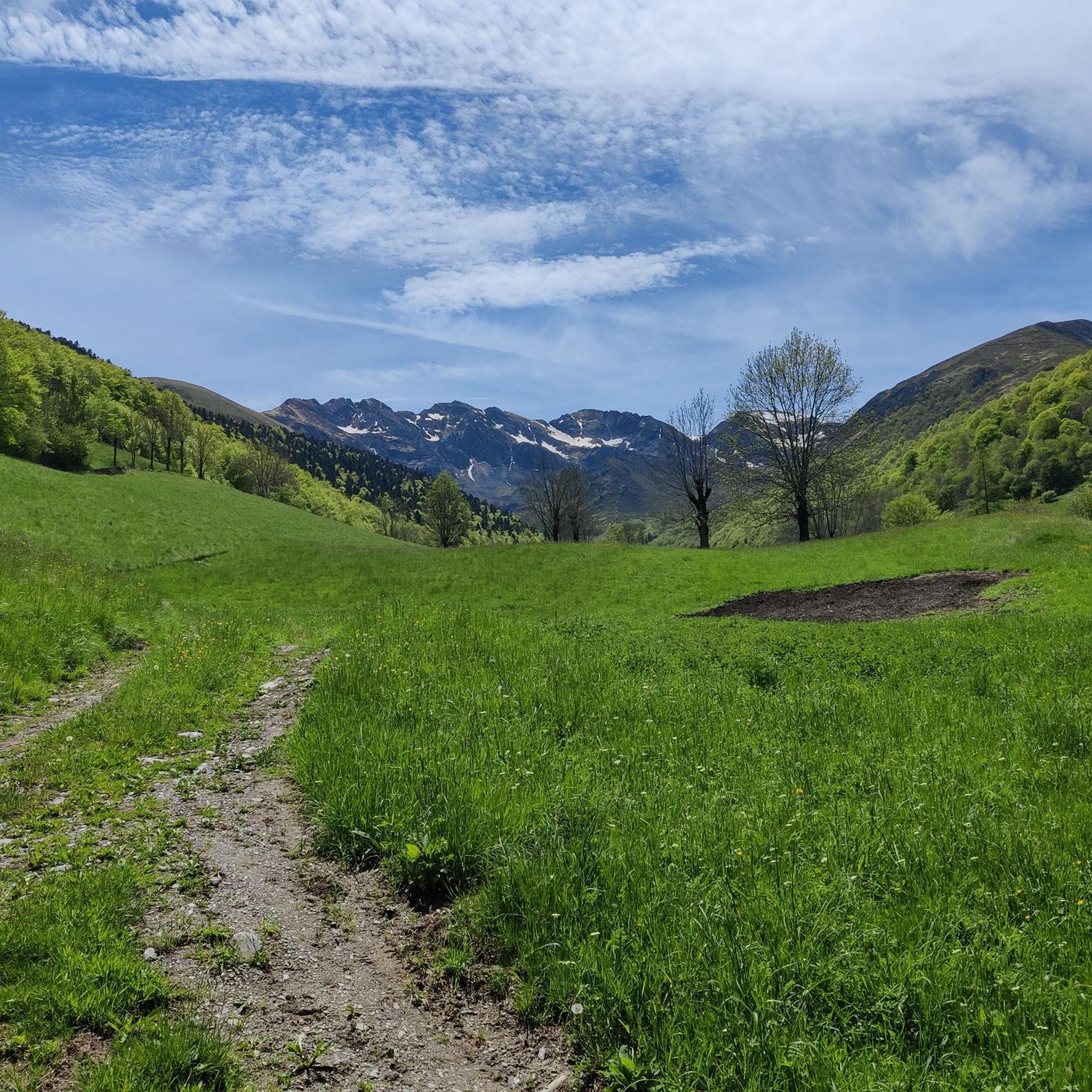
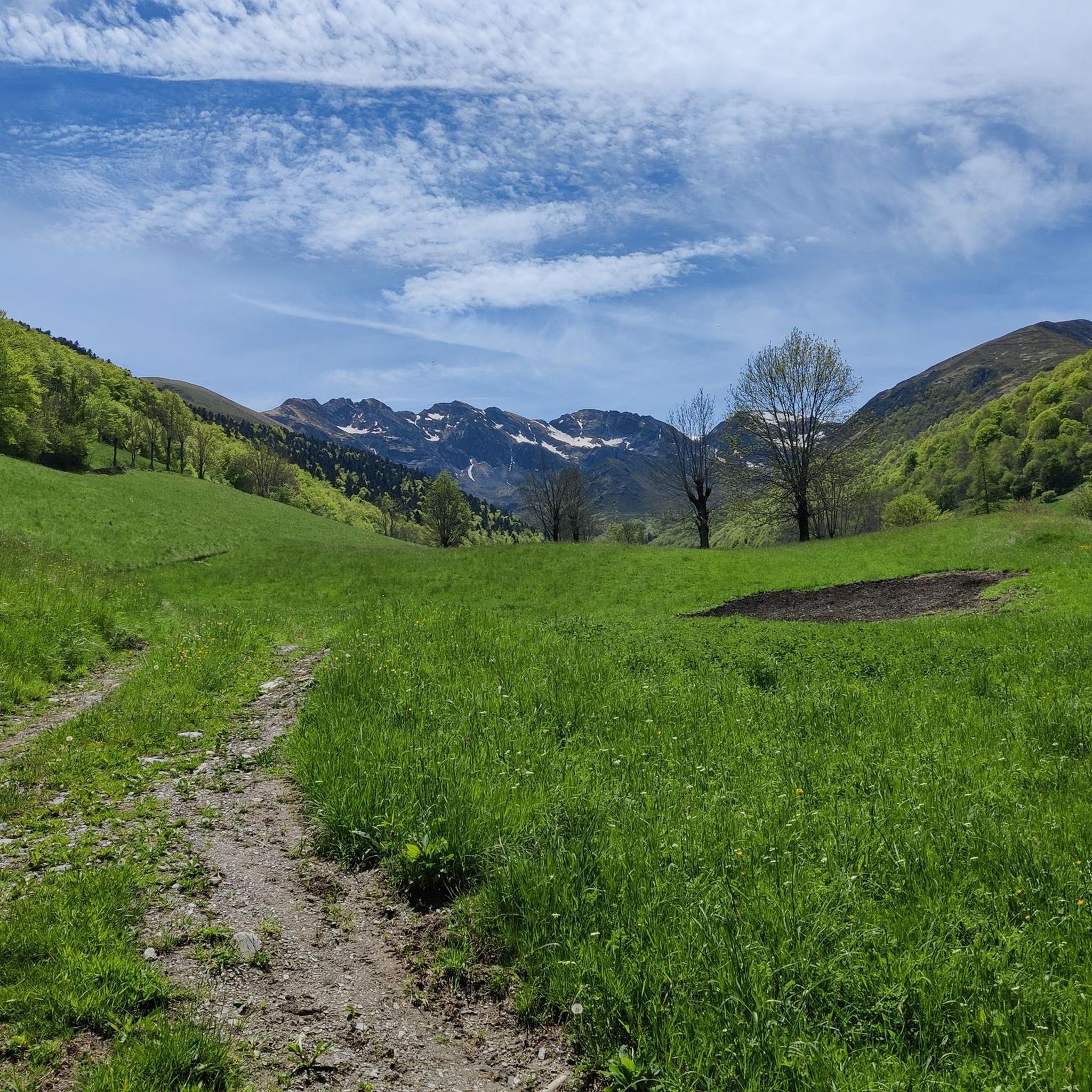
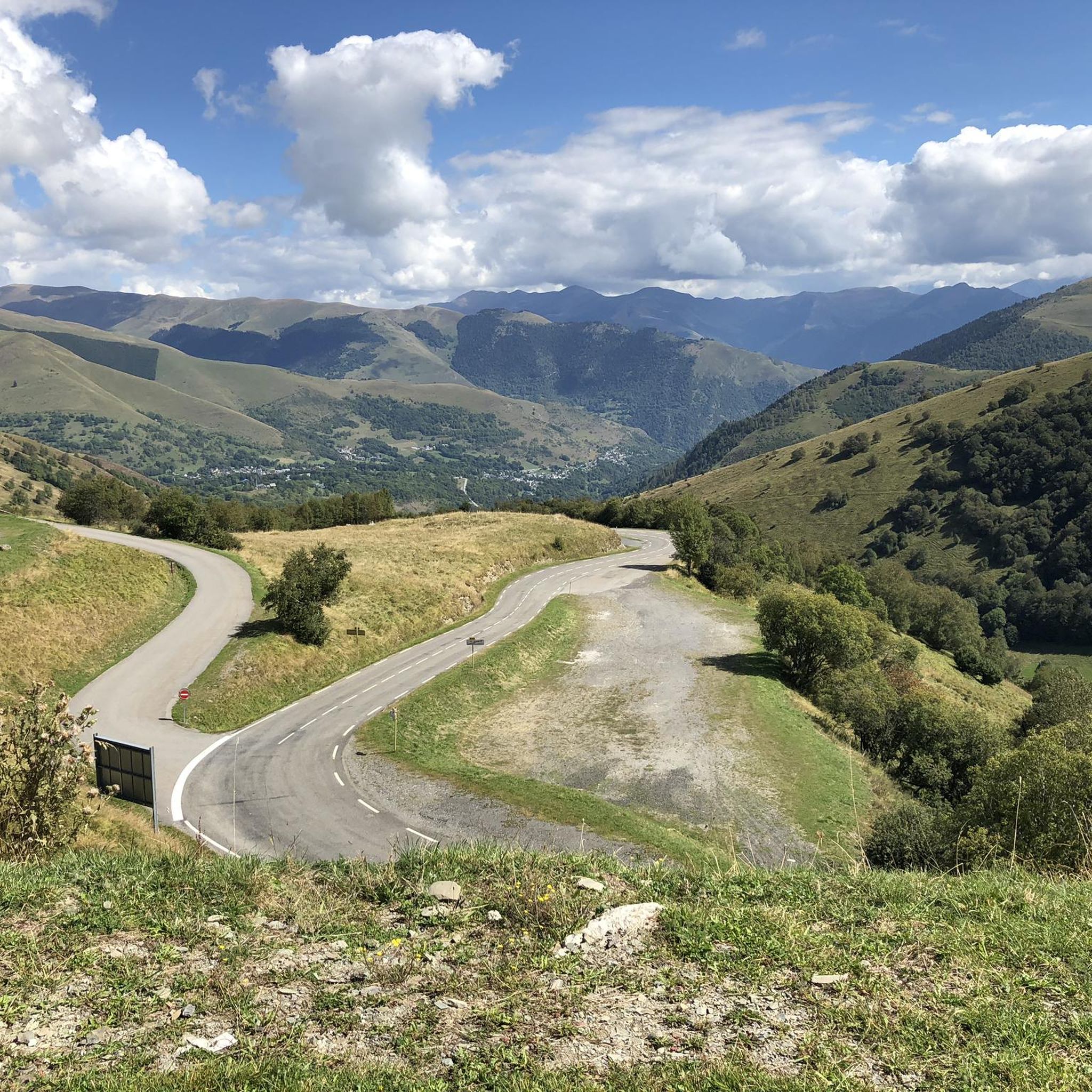
The summit rock and a seating area are located after the strenuous ascent. Here you have to decide which way you want to go next.
0
0

Quite accessible for a normal training level. The first section is more shaded, the second more open. Almost at the end, turn right to climb to the Peyragudes station. You can also do it at the summit with less gradient; it's a more accessible road in good condition.
0
0

Although the climb up the Col de Peyresourde from Arreau is 18 kilometers, the slope only really steepens after Avajan, from the eleventh kilometer. You'll therefore need to save your strength for the first part to be able to tackle this Pyrenean classic.
0
0

Passes reserved for cyclists 9-12 p.m. this Monday 07/15, happiness!
0
0

I would just like to remember that Alejandro Valverde was the first rider at the top of this pass when the Tour crossed it for the first time in 2012, subsequently winning the stage that ended in Peryagudes.
0
0
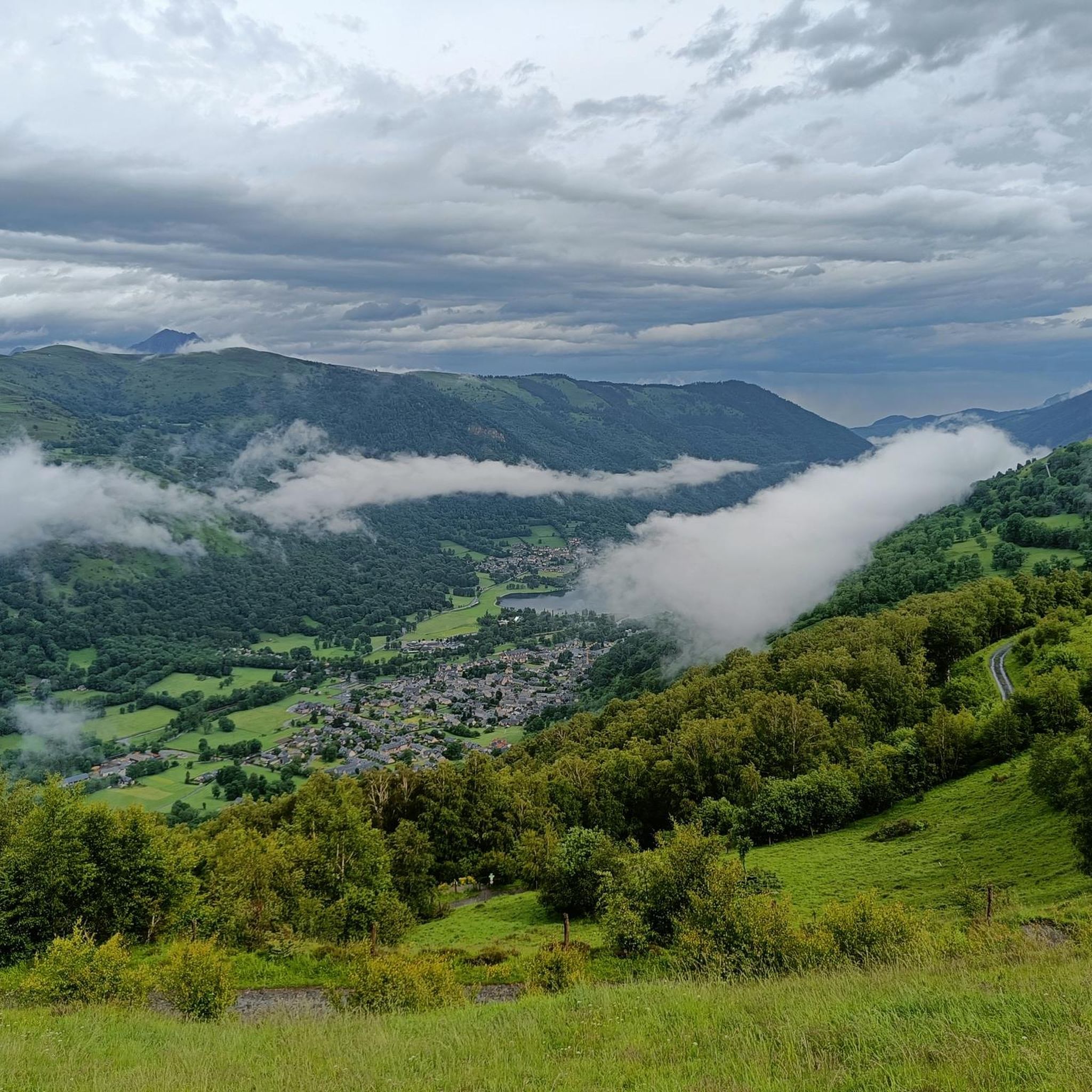
Port de Balès is one of the great colossi of the Pyrenees, discovered for professional cycling in the 2012 Tour, crowned by Alejandro Valverde for the first time. The two times I have climbed it it has been on its northern slope, the longest and hardest, although the southern slope is also very hard. The northern slope begins with a very nice road that runs next to the river and goes up it at a very gentle rate. Starting from a bridge, where you leave the river on the left, the hard 11 km stretch to the top begins, although it is true that there are 2 stretches where the slope softens and allows you to take a break. The last 5 km have spectacular views of the valley and the surrounding peaks. At the top, the panoramic view of the Pyrenees is incredible.
0
0

The Col d'Azet is a road mountain pass located at 1,585 meters above sea level. It allows you to go from the Aure valley to the Louron valley. It is one of the 34 passes connected by the famous pass road.
0
0

A nice reward awaits you with delicious pancakes...
1
0
Frequently Asked Questions
What are some of the most popular mountain passes near Gouaux-De-Larboust?
The region around Gouaux-De-Larboust, particularly near Bagnères-de-Luchon, is home to several renowned mountain passes. Among the most popular are Peyresourde Pass, known for its iconic status in the Tour de France and scenic views, Port de Balès, offering a long and varied ascent, and Col de Val Louron-Azet, which provides a challenging climb with rewarding views of the Louron Valley.
Which mountain passes offer the most challenging cycling experiences?
For serious cyclists seeking a challenge, the Col de Portet is considered one of the hardest climbs in the Pyrenees, reaching an elevation of 2,215 meters with an average gradient of 8.3% over 17 km. Peyresourde Pass also presents a significant challenge, especially the 13.8 km climb from Bagnères-de-Luchon with sections up to 11.7%. Col de Val Louron-Azet and Port de Balès also feature steep gradients and sustained ascents.
Are there any family-friendly mountain passes in the area?
Yes, Peyresourde Pass is considered family-friendly. While it offers a challenging climb for cyclists, its scenic beauty and the famous pancake hut at the summit make it an enjoyable destination for visitors of all ages, whether driving or cycling at a more leisurely pace.
What kind of natural scenery can I expect to see at these mountain passes?
The mountain passes around Gouaux-De-Larboust offer breathtaking Pyrenean scenery. You can expect picturesque views, rolling green countryside, and panoramic vistas of the high mountains. Passes like the Col de Portet provide expansive high-altitude views, with roads clinging to the mountainside, immersing you in the wild Pyrenean landscape.
Are there any historical or cultural sites near the mountain passes?
Yes, the Port de Pierrefite Cromlech is a notable historical site. It features megalithic structures arranged in a circular shape, dating back to 1200 to 600 BC, offering a glimpse into ancient history amidst the natural beauty of the Pyrenees.
What is the best time of year to visit the mountain passes?
Many of the mountain passes, such as Peyresourde Pass, are generally kept open throughout the year due to their importance. However, short-term winter closures can occur due to weather conditions. For cycling and hiking, late spring to early autumn (May to October) typically offers the most favorable weather, with clear roads and pleasant temperatures for outdoor activities.
What outdoor activities can I do near the mountain passes around Gouaux-De-Larboust?
The region is excellent for various outdoor activities. You can explore numerous cycling routes, including challenging climbs featured in the Tour de France. There are also extensive MTB Trails and Gravel biking routes. For road cyclists, there are many cycling tours that traverse these scenic passes.
What do visitors enjoy most about the mountain passes in this region?
Visitors frequently praise the breathtaking views and the sense of accomplishment from conquering challenging climbs. The unique experience of stopping at the famous pancake hut at the summit of Peyresourde Pass is often highlighted. The diverse terrain and the opportunity to follow in the tracks of professional cyclists also contribute to a memorable experience.
Are there any car-free sections on the mountain passes?
Yes, notably, the last 9 kilometers of the climb to the Col de Portet are often restricted to cars. This provides a unique, tranquil experience for cyclists, allowing them to immerse themselves in nature without vehicle traffic.
Can I find food and drink options at the summits of these passes?
Yes, at the summit of Peyresourde Pass, there is a well-known pancake hut, which is a popular stop for many visitors. While not all passes have dedicated facilities, it's a good idea to carry snacks and water, especially on longer routes.
How long does it take to cycle some of these passes?
The duration depends on your fitness level and the specific pass. For example, the climb up Peyresourde Pass from Bagnères-de-Luchon is 13.8 km with an average gradient of 6.9%, which can take a few hours for a moderately fit cyclist. The Col de Portet is a longer and tougher climb at 17 km with an 8.3% average gradient, requiring significant effort and time.
Are there any specific tips for climbing the Col de Peyresourde?
When climbing Peyresourde Pass from Bagnères-de-Luchon, the ascent begins immediately with an 8% slope. After a false flat and a small descent, the climb resumes with elevations up to 10%. The final part features many switchbacks with a consistent 8-9% slope. Cyclists will find kilometer markers on the western ascent to help with pacing.
Most popular routes around Gouaux-De-Larboust
Most popular attractions around Gouaux-De-Larboust

Get inspired with the komoot mobile app


Explore more
See even more epic mountain passes by checking out these guides around Gouaux-De-Larboust:
