The best cycling routes around Glatigny
4.5
(161)
1,041
riders
146
rides
Touring cycling around Glatigny, located in the Manche department of Normandy, France, offers a diverse landscape for cyclists. The region features a mix of rural roads, coastal views, and historical sites. Terrain varies from flat sections along greenways to rolling hills, providing options for different skill levels. The area is characterized by its blend of natural beauty and cultural landmarks, making it suitable for exploring by bike.
Best touring cycling routes around Glatigny
- The most popular touring cycling route is…
Last updated: October 3, 2026
4.3
(20)
73
riders
27.5km
01:47
110m
110m
Easy bike ride. Great for any fitness level. Mostly paved surfaces. Suitable for all skill levels.
5.0
(2)
12
riders
52.9km
03:27
650m
660m
Hard bike ride. Very good fitness required. Mostly paved surfaces. Suitable for all skill levels.

4.0
(1)
11
riders
37.3km
02:13
210m
210m
Moderate bike ride. Good fitness required. Mostly paved surfaces. Suitable for all skill levels.
5
riders
32.1km
02:02
320m
320m
Moderate bike ride. Good fitness required. Mostly paved surfaces. Suitable for all skill levels.
3.5
(2)
6
riders
42.7km
02:49
470m
470m
Hard bike ride. Very good fitness required. Mostly paved surfaces. Suitable for all skill levels.
Get access to more routes and recommendations from other explorers.
Already have an account?
Our route recommendations are based on thousands of hikes, rides, and runs completed by other people on komoot.
Start today with a free account
Your next adventure awaits.
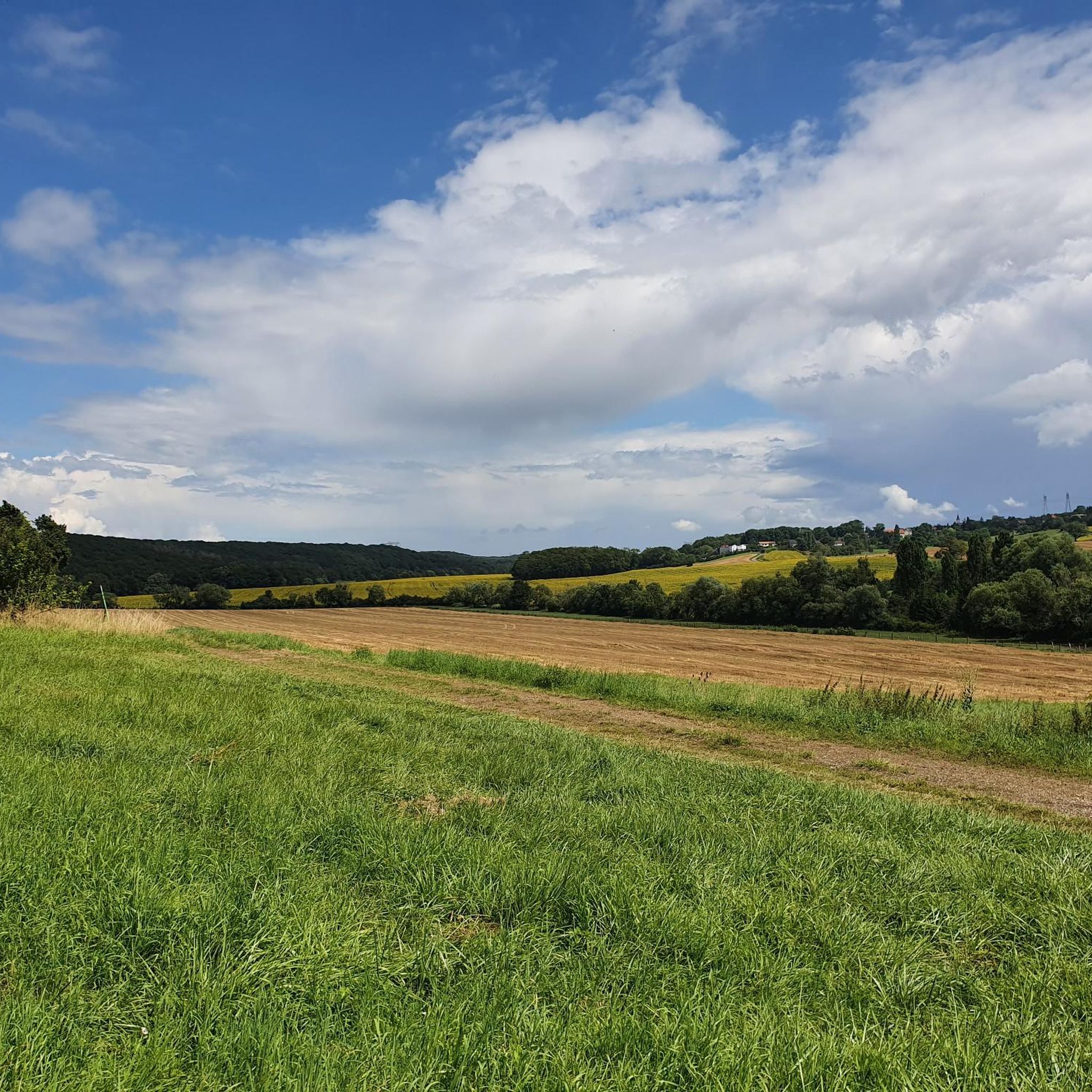
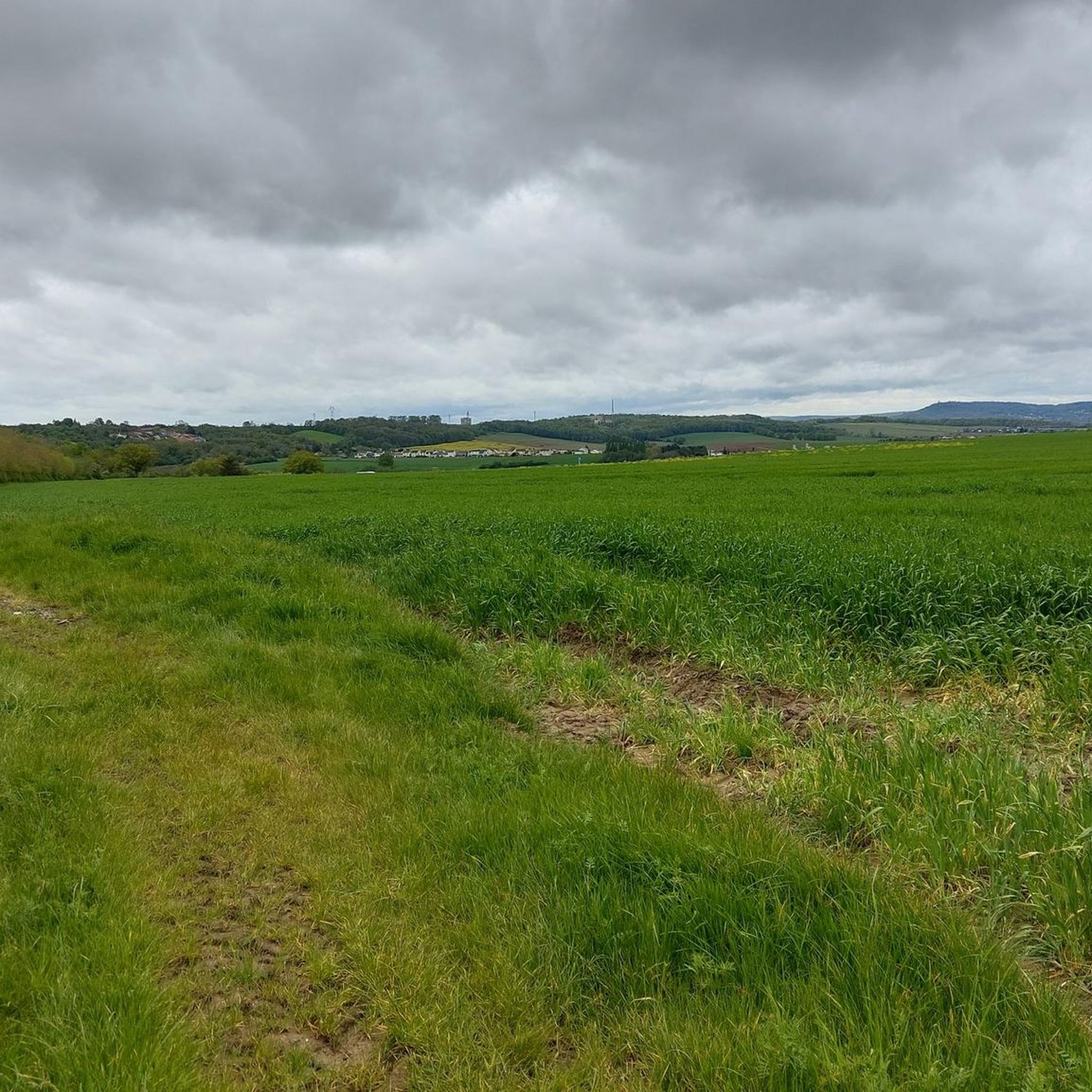
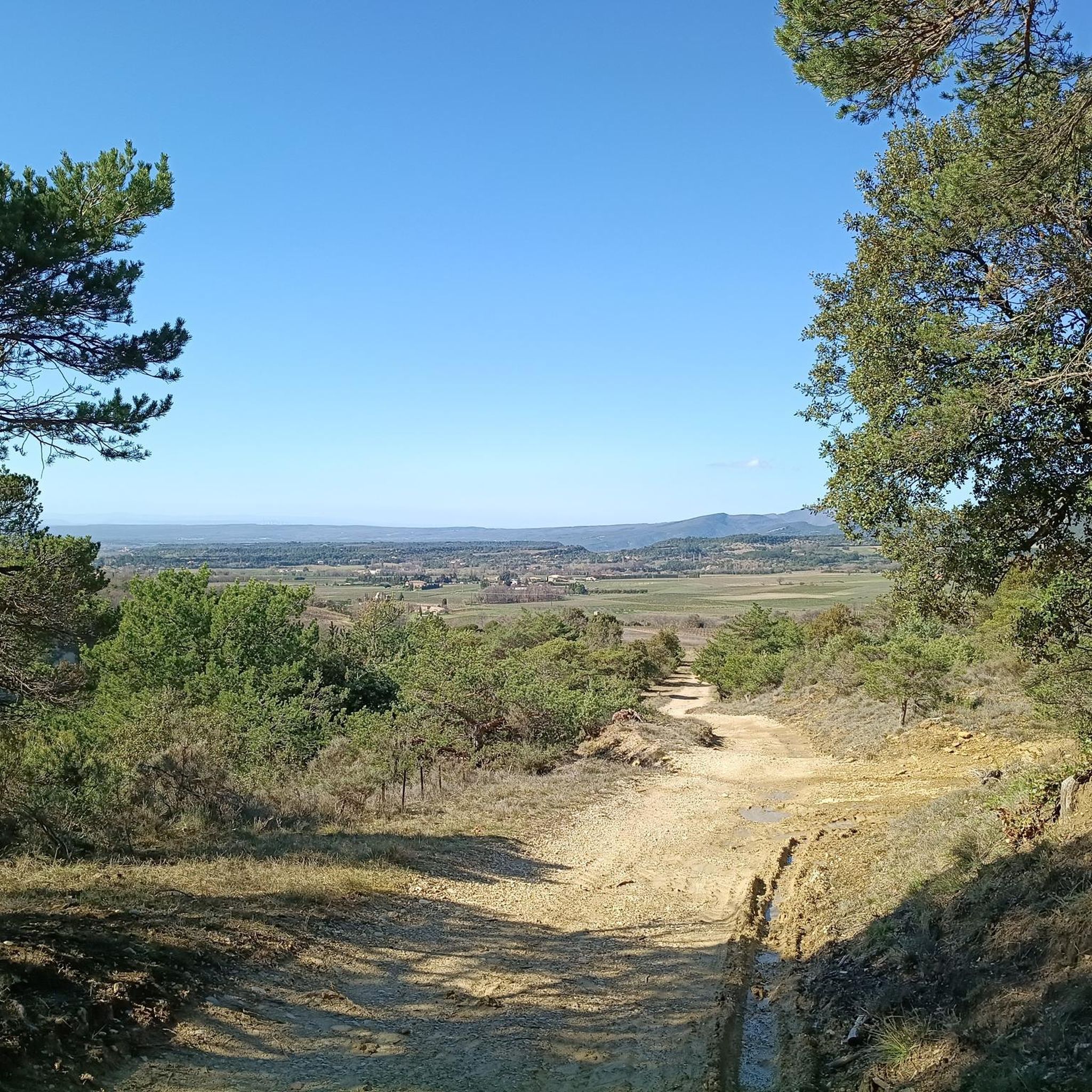
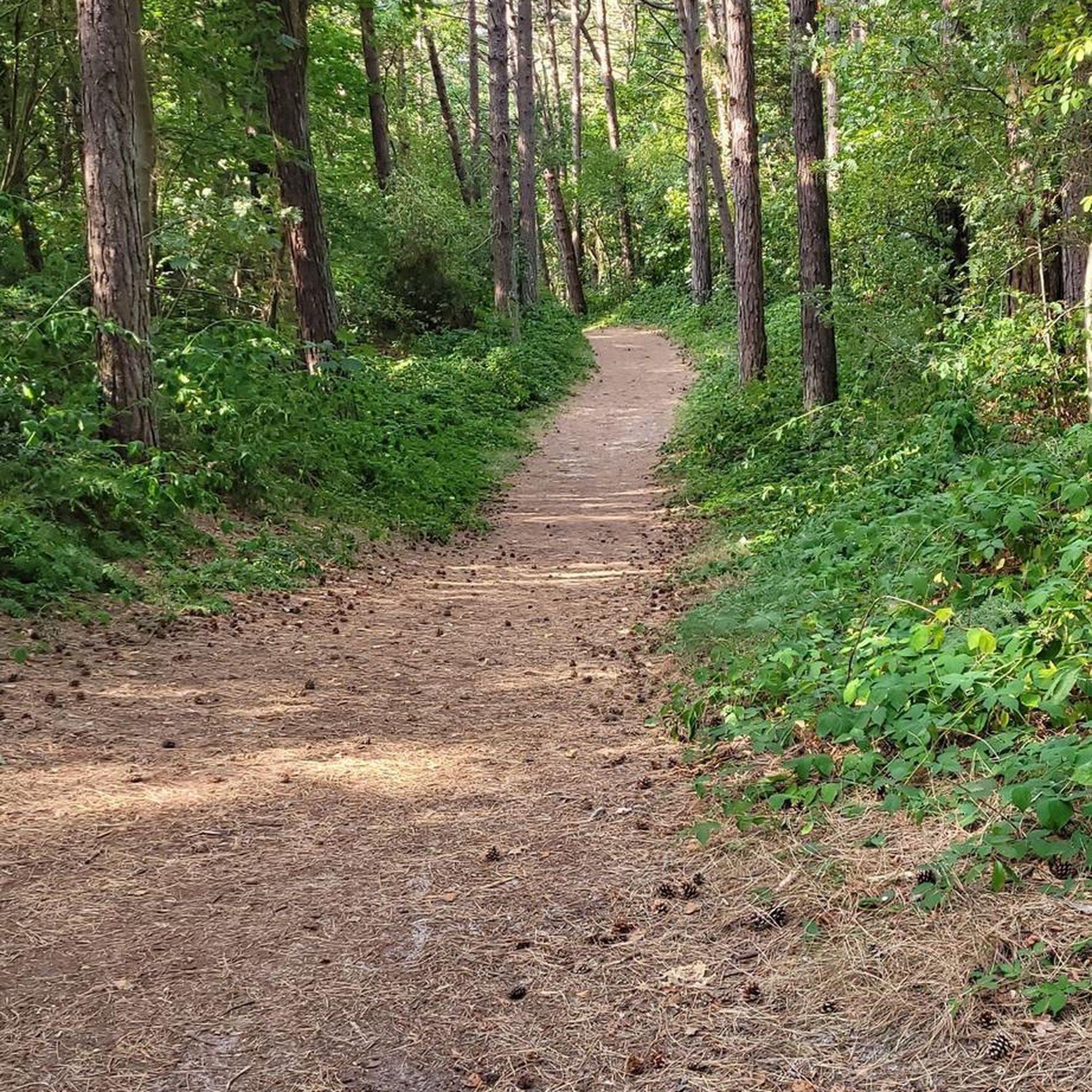

Tips from the Community

Memorial to the fallen of the two world wars 🕊️
0
0

very peaceful place in the middle of the forest! to discover in every season
1
0

The origin of “Pont-à-Domangeville is lost in the mists of time. The Roman road from Metz to the Rhine already passed through there. Under the old regime, it was a tiny separate lordship, with a toll bridge. Usually blocked and padlocked, to cross it you had to pay a fee, depending on the livestock and products passed through. The lordship belonged in the 13th century to the Saint-Vincent de Metz abbey, then to the successive lords of Domangeville; in 1716, to the Laubrussels, then to the Leuryses, finally to the Thomas de Pange. It included, in addition to the bridge, the road - 50 toises on this side, 18 beyond - the bed of the Nied on both sides and, on the south-east bank, land with a hostelry (current Mayot farm) . In 1789, the community of Bazoncourt declared in its list of grievances “the enlightenment of the State and the kindness of the King will undoubtedly eliminate a right of final injustice perceived at Pont-à-Domangeville. However poor a plowman he may be, he pays three does and several pay without passing through.” After the revolution, the bridge had to be repaired. Paradoxically, the general council had the expenditure entered in the 1814 and 1815 rolls of the localities which had subscribed to the bridge in 1766. On this ordeal is inscribed: “This monument of our redemption was erected by the care of MM. De Pange, de Courten, Devaux and Dauphin, Commissioners responsible for the reconstruction of this bridge, in the year of our Lord 1816. During the reconstruction work and near the bridge, Joseph GRANDIDIER de Hernicourt and François ANIEL perished in the waters on July 20 from Domangeville, both attached to the service of the neighboring farm »
1
0

Two people died during the reconstruction of the bridge over the Nied Française in Domangeville in 1816.
1
0

This old wayside cross from the 19th century is located just after the village of Hayes on the way to Metz
0
0

This typical castle of classicism was built in the 18th century. Property of the Pange family, it is entrusted to an association responsible for making it a house of arts, encounters and cultures. Besides the building, the gardens are also splendid. More information is available on the chateau website: http://www.chateaudepange.fr/.
1
0
This Protestant temple was erected in 1895, when Courcelles-Chaussy was occupied by Germany. In neo-Gothic style, it is distinguished by its rose window on the west side and its Greek cross plan.
1
0
Beautiful abbey with a small, old cemetery.
1
0
Frequently Asked Questions
How many touring cycling routes are available around Glatigny?
There are nearly 150 touring cycling routes around Glatigny, offering a wide range of options for different skill levels and preferences. These include 29 easy routes, 73 moderate routes, and 44 difficult routes.
What kind of terrain can I expect when cycling around Glatigny?
The terrain around Glatigny is diverse, featuring a mix of rural roads, coastal views, and paths leading to historical sites. You'll find everything from flat sections along greenways to rolling hills, accommodating both leisurely rides and more challenging tours. The broader Normandy region, where Glatigny is located, is known for its varied landscapes, including coastal areas, marshes, and forests.
Are there any family-friendly cycling routes in the Glatigny area?
Yes, Glatigny offers several family-friendly cycling options, particularly among its 29 easy routes. These routes often feature gentler gradients and scenic paths suitable for all ages. An example of an easy route is the Château de Pange loop from Les Étangs, which is 10 miles (16.1 km) long and leads through rural landscapes.
What are some notable landmarks or natural features I can explore by bike near Glatigny?
The area around Glatigny is rich in natural beauty and historical sites. You can cycle to the Pange Castle, or explore the Cyclepath of Charles le Téméraire. Other points of interest include the Path along the banks of the Moselle and the Charlemagne Spring. Historically, Lessay Abbey is just 9 km away, and the dramatic Nez de Jobourg headland offers stunning coastal views about 49 km distant.
Are there any challenging touring cycling routes for experienced riders?
Absolutely. For experienced riders seeking a challenge, Glatigny offers 44 difficult routes with more significant elevation changes and demanding terrain. A notable difficult route is the Canyon de Saint-Hubert – Villers-Bettnach Abbey loop from Silly-sur-Nied, which spans 32.8 miles (52.8 km) and features substantial climbs.
Can I find circular touring cycling routes around Glatigny?
Yes, many of the touring cycling routes around Glatigny are designed as loops, allowing you to start and end your ride in the same location. Examples include the easy Pange Castle – Courcelles s/Nied -Hayes loop from Les Étangs and the moderate Superboucle – Château de Pange loop from Silly-sur-Nied.
What is the best time of year for touring cycling in Glatigny?
The best time for touring cycling in Glatigny, and Normandy in general, is typically from spring through early autumn (April to October). During these months, the weather is generally milder and more stable, making for pleasant riding conditions. The region's natural beauty is also at its peak, with lush landscapes and vibrant coastal views.
Are there options for bike rental in or near Glatigny?
Yes, the broader Normandy region is very cycle-friendly, and you can find bike and electric bike rentals, along with accessories, in local towns. Some accommodations, like Glatigny Farmhouse mentioned in regional research, even provide bicycles for their guests, so it's worth checking with local providers or your accommodation.
What do other touring cyclists say about the routes in Glatigny?
The touring cycling routes in Glatigny are highly regarded by the komoot community, holding an average rating of 4.4 stars from over 150 reviews. More than 1000 touring cyclists have used komoot to explore the varied terrain, often praising the blend of coastal routes, rural roads, and paths leading to historical sites.
Are there cafes, pubs, or accommodation options for cyclists near Glatigny?
Yes, the region is well-equipped to support cycling holidays. You'll find cafes, pubs, and various accommodation options in nearby charming villages and towns such as La Haye-du-Puits, Portbail, and Barneville-Carteret, which also host regular markets. Many establishments cater to cyclists, offering a convenient stop for refreshments or an overnight stay.
How accessible is Glatigny by public transport for cyclists?
While specific public transport options directly to Glatigny for cyclists may vary, the broader La Manche department has a developing infrastructure. For detailed information on public transport routes that accommodate bicycles, it's best to consult local transport authorities or tourism offices in larger towns like Coutances or Cherbourg.
Most popular attractions around Glatigny

Get inspired with the komoot mobile app


Explore more
Browse the best Cycling routes in other regions.
