Attractions and Places To See around Xermaménil - Top 10
Attractions and places to see around Xermaménil, a commune in northeastern France, offer a variety of points of interest in its vicinity. The area is characterized by its historical significance, with notable landmarks and cultural sites. Visitors can explore a landscape that includes the Mortagne River and surrounding countryside, providing a mix of natural and man-made attractions.
Best attractions and places to see around Xermaménil
- The most popular attractions is Lunéville Castle, a castle featuring splendid architecture, gardens, and…
Last updated: July 1, 2026
Lunéville Castle
Highlight • Castle
Showing Translation
Tip by

Bosquets Park
Highlight • Structure
Showing Translation
Tip by
Sign up now to discover places like this
Get recommendations on the best single tracks, peaks, & plenty of other exciting outdoor places.
Sign up for free
Panoramic View from Léomont Hill
Highlight • Viewpoint
Translated by Google •
Tip by

Saint Quentin fountain
Highlight • Other
Translated by Google •
Tip by
Moyen Castle
Highlight • Castle
Translated by Google •
Tip by
Sign up for free to discover even more attractions around Xermaménil.
Sign up for free
Already have an account?
Start today with a free account
Your next adventure awaits.
Login or Signup




Tips from the Community

The baroque castle of the Dukes of Lorraine is the largest in Eastern France and is considered the "Lorraine Versailles". It was severely damaged by a fire in 2003 and restored in the 2010s after high-profile fundraising campaigns. The castle and park are worth seeing.
5
0
The park behind the castle is huge, the entire castle complex covers 21 hectares. As is customary in the Baroque period, it is strictly geometric in the French style and offers many flower beds, ponds, statues, and much more.
5
0


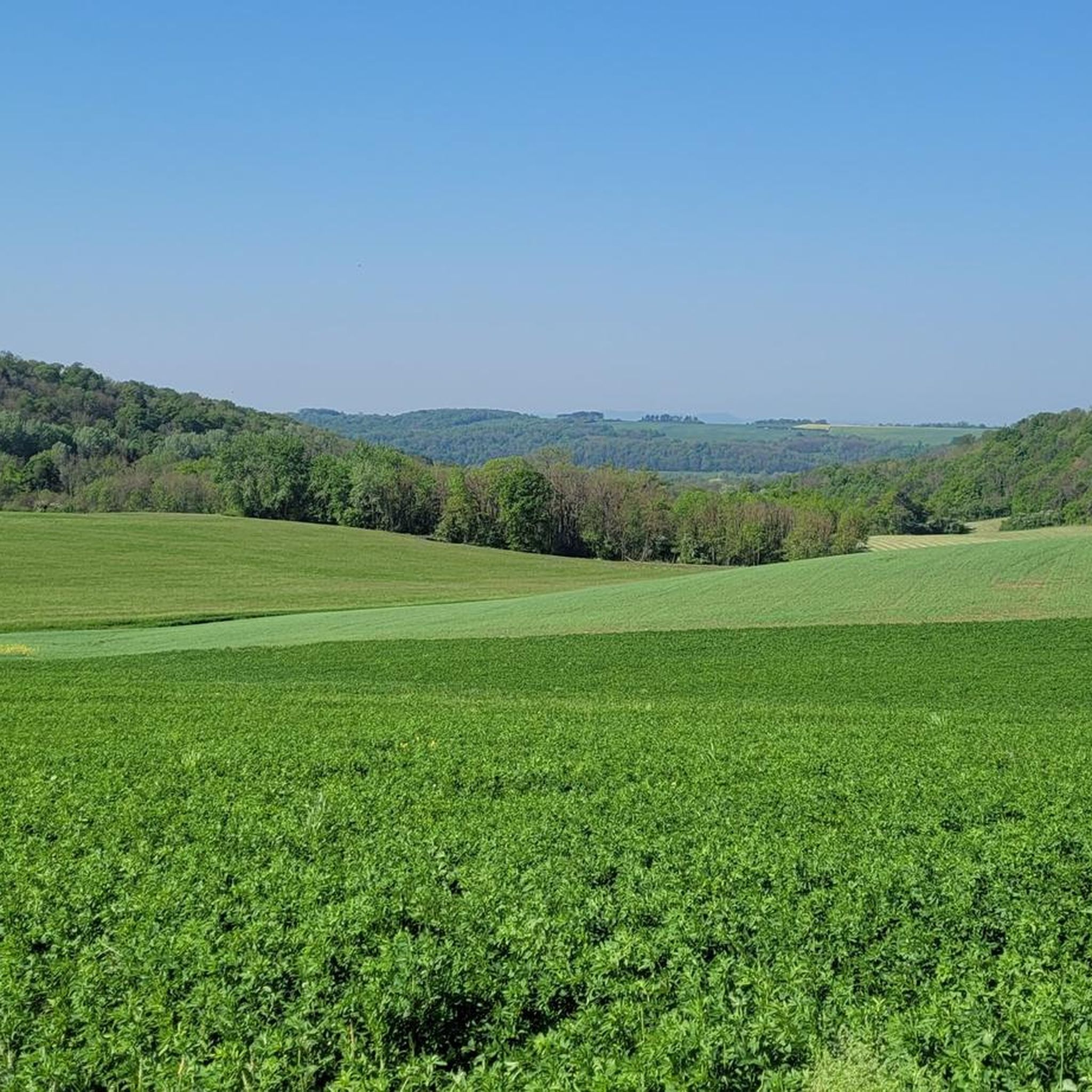
Splendid panoramas and soothing forest
1
0

The castle courtyard and the park are freely accessible 👍
1
0

The Château de Moyen is a 15th century fortress also known as the Château de Qui-qu'en-grogne. It was built by Conrad Bayer de Boppart, bishop of Metz, to defend his possessions against the Dukes of Lorraine. The castle was besieged and dismantled several times. Today it is partly restored and partly in ruins. You can explore the remains of the castle, such as the stately home, towers, walls and moat, and enjoy the panoramic view of the surrounding countryside. The castle is open to visitors from April to October, and you can also take part in guided tours or restoration workshops organized by a local association.
3
0
Lunéville Castle, also known as the Versailles of Lorraine, is a magnificent castle built by the Dukes of Lorraine in the 18th century. It features splendid architecture, gardens and exhibitions. You can explore the castle and its surroundings by following a guided tour or a virtual museum. The Château de Lunéville is an ideal destination for lovers of history and beauty.
3
0
Frequently Asked Questions
What historical sites can I visit near Xermaménil?
The region boasts several significant historical sites. You can explore the magnificent Lunéville Castle, often called the "Versailles of Lorraine," with its 18th-century architecture and gardens. Another notable site is the 15th-century Moyen Castle, a fortress with ruins and panoramic views. Additionally, the Panoramic View from Léomont Hill is a place of remembrance for the First World War, offering historical context alongside scenic vistas.
Are there any natural parks or gardens to explore in the Xermaménil area?
Yes, nature lovers have several options. The Bosquets Park, adjacent to Lunéville Castle, offers an idyllic setting with French-style gardens and wilder areas along the Vezouze river. The region also features various other gardens, including the Parc romantique et Art Nouveau du château and the Jardin botanique du Montet near Nancy. For a significant natural area, the Domaine de Lindre, a sensitive natural area with 12 fish ponds, is a classified wetland of global interest.
What family-friendly attractions are available around Xermaménil?
Many attractions in the area are suitable for families. Lunéville Castle and its surrounding Bosquets Park are great for all ages, offering historical exploration and open spaces. The Panoramic View from Léomont Hill provides an opportunity for a gentle outdoor excursion with rewarding views. Exploring the ruins of Moyen Castle can also be an engaging experience for children interested in history.
Where can I find panoramic views of the countryside near Xermaménil?
For breathtaking vistas, head to the Panoramic View from Léomont Hill in Vitrimont. This site not only offers extensive views of the surrounding countryside but also serves as a place of remembrance for the First World War. The ruins of Moyen Castle also provide a great vantage point for panoramic views.
What outdoor activities, like hiking or biking, can I do near Xermaménil's attractions?
The area around Xermaménil is excellent for outdoor activities. You can find numerous routes for gravel biking, such as the 'Lunéville Castle – Vitrimont Forest loop' or the 'Fantastic stretch of gravel' near Chanteheux. For hiking, popular trails include loops from Moncel-lès-Lunéville or Fraimbois. There are also dedicated running trails, like the 'Running loop from Xermaménil' itself. You can find more details on these activities and routes on the respective guide pages for Gravel biking around Xermaménil, Hiking around Xermaménil, and Running Trails around Xermaménil.
Are there specific hiking trails recommended around Xermaménil?
Yes, there are several recommended hiking trails. You can explore moderate routes like the 'Hiking loop from Moncel-lès-Lunéville' (approximately 10.5 km) or the '36th RIC Monument loop from Fraimbois' (around 11 km). Another option is the 'Adoménil Castle loop from Lunéville' (about 15 km). These trails offer a great way to experience the local landscape. For more options, refer to the Hiking around Xermaménil guide.
What is the "Versailles of Lorraine" and where is it located?
The "Versailles of Lorraine" refers to Lunéville Castle. This magnificent 18th-century castle, built by the Dukes of Lorraine, is located in Lunéville, a short distance from Xermaménil. It features splendid architecture, extensive gardens, and hosts various exhibitions, making it a significant historical and cultural landmark in the region.
What do visitors particularly enjoy about the attractions around Xermaménil?
Visitors frequently praise the beauty and historical significance of the area. Many highlight Lunéville Castle as a must-see, appreciating its architecture and the serene setting of Bosquets Park. The panoramic views from Léomont Hill are also highly regarded for their splendor and the peaceful forest surroundings. The historical fountains, like the Saint Quentin fountain, are noted as interesting points of local heritage.
Is there a place for wildlife observation or nature conservation nearby?
Yes, the Domaine de Lindre is a significant natural area for wildlife and conservation. This sensitive natural area (ENS) spans nearly 1000 hectares and features 12 fish ponds, including the large Lindre pond, which is recognized as a classified wetland of global interest. It's a peaceful haven ideal for observing local flora and fauna.
What cultural sites, beyond castles, are worth visiting in the region?
Beyond the castles, the region offers other cultural points of interest. Place Stanislas in Nancy, a UNESCO World Heritage site, is renowned for its impressive architecture and vibrant atmosphere, often hosting performances. You might also find interest in the House La Mirabelle - Distillery Grallet Dupic near Rozelieures for a taste of local production, or the Theater of Luneville - the Meridian for performing arts.
Are there any unique or 'hidden gem' attractions near Xermaménil?
While not strictly 'hidden,' the Saint Quentin fountain offers a glimpse into local history as a former center for washing and water supply, often overlooked but still a charming point of interest. The partially restored Moyen Castle, with its ruins and panoramic views, provides a less crowded historical experience compared to larger sites.
Can I find places for a leisurely walk or stroll in the area?
Absolutely. The Bosquets Park in Lunéville is perfect for leisurely walks, offering both formal French-style gardens and more natural areas along the Vezouze river. Many of the smaller local gardens mentioned in the region research also provide pleasant settings for a stroll. Additionally, the numerous hiking and running loops around Xermaménil, particularly the easier sections, are suitable for a relaxed walk.
Most popular routes around Xermaménil

Get inspired with the komoot mobile app


Explore more
Still not found the Highlight you’re looking for? See guides of the top attractions in other regions:
