Attractions and Places To See around Ymeray - Top 20
Attractions and places to see around Ymeray include historical landmarks and natural features within the Eure-et-Loir department of France. The commune, situated at an average altitude of 120 meters, is characterized by its rural landscape and is drained by several small watercourses. It offers access to both ancient sites, such as Neolithic monuments, and significant regional cultural institutions. The area provides a base for exploring the heritage of the Centre-Loire Valley region.
Best attractions and places to see around Ymeray
…Last updated: July 6, 2026
Saint-Piat Mill
Highlight • Monument
Translated by Google •
Tip by

Washhouse and Footbridge of Val Drouette
Highlight • Historical Site
Rebuilt in 1911 and recently restored, it is equipped …
Translated by Google •
Tip by

Sign up now to discover places like this
Get recommendations on the best single tracks, peaks, & plenty of other exciting outdoor places.
Sign up for free
Saint-Germain Church of Hanches
Highlight • Religious Site
Translated by Google •
Tip by

Saints Peter and Paul Church, Gallardon
Highlight • Other
In the 13th century, a choir was built, …
Translated by Google •
Tip by

Moulin de Jouy
Highlight • Monument
Translated by Google •
Tip by
Sign up for free to discover even more attractions around Ymeray.
Sign up for free
Already have an account?
Start today with a free account
Your next adventure awaits.
Login or Signup

Tips from the Community

According to tradition, the church choir covers the remains of an older building, possibly dating back to the 6th century, which was built to house the saint's body. According to current knowledge, the commune of Saint-Piat (Sanctus Piatus in Latin) officially appeared in 1087, mentioned in a charter of the Nottonville Priory (Eure-et-Loir), on which it depended. The current building was rebuilt during the time of Francis I, as suggested by the date 1535 engraved on two buttresses of the apse and the date 1542 engraved on a piece of wood from the vault. This is according to a study by the SAEL (Eure-et-Loir Archaeological Society). The three-sided apses, the dripstone towers (horizontal members projecting from a wall), and the sculpted roof structures are a testament to the importance of the reconstructions carried out in the department during the 16th century. The church of Saint-Piat is one of them. While the church has not been officially recognized, it nevertheless contains objects that have attracted attention both for their antiquity and quality, but not always for good reason. Their artistic value, far from attracting only religious or aesthetic interest, has also aroused a covetousness that, unfortunately, remains for some of them. Fortunately, those still in place are carefully cared for and offer the curious a story to discover, a beauty to slowly ponder as they progress toward the choir.
0
0

Many centuries ago, our ancestors discovered the possibility of harnessing the power of the elements—which, while helpful and useful on the one hand, could also be a threat as untamed forces of nature—for various purposes, thus eliminating the need for human or animal muscle power. Mills like these are a good example of the human engineering skills of earlier generations: The heavy millstones used to grind grain or press oil, for example, could be powered by wind or—as in this case—water.
0
0

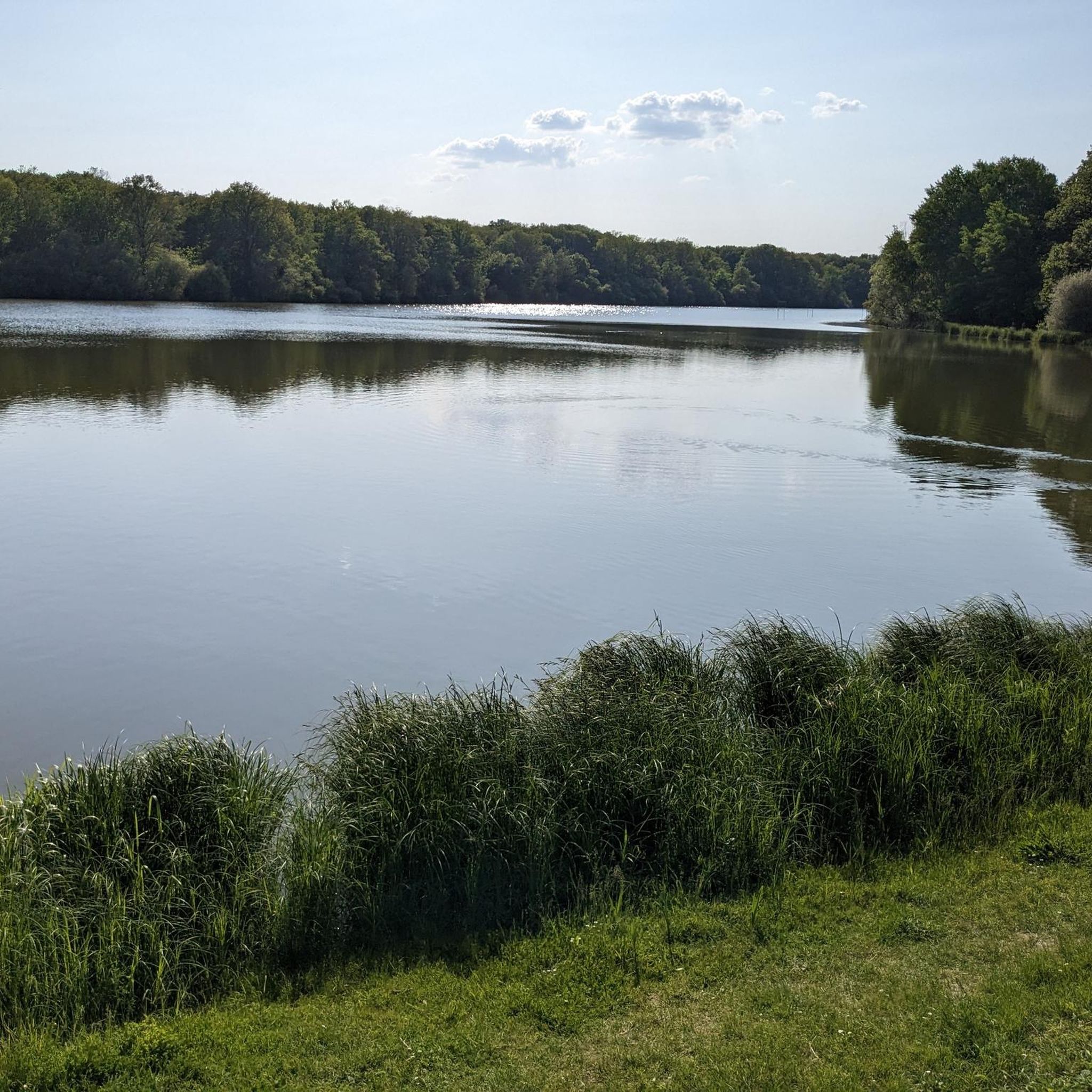
The Moulin de Saint-Piat is a water mill located on the Eure and dating from the 11th century where it was once used for the production of flour and the extraction of oil. You can admire the architecture of the mill, which was extended in 1865, and enjoy the view of the river and the nearby church. The mill is also a good place for birdwatching, as you may be able to see herons, kingfishers and ducks along the water.
4
0

Pretty mill to contemplate for a refreshing break along the Eure. Its construction is estimated at the 11th century, but its existence is attested only at the end of the 15th century.
1
0
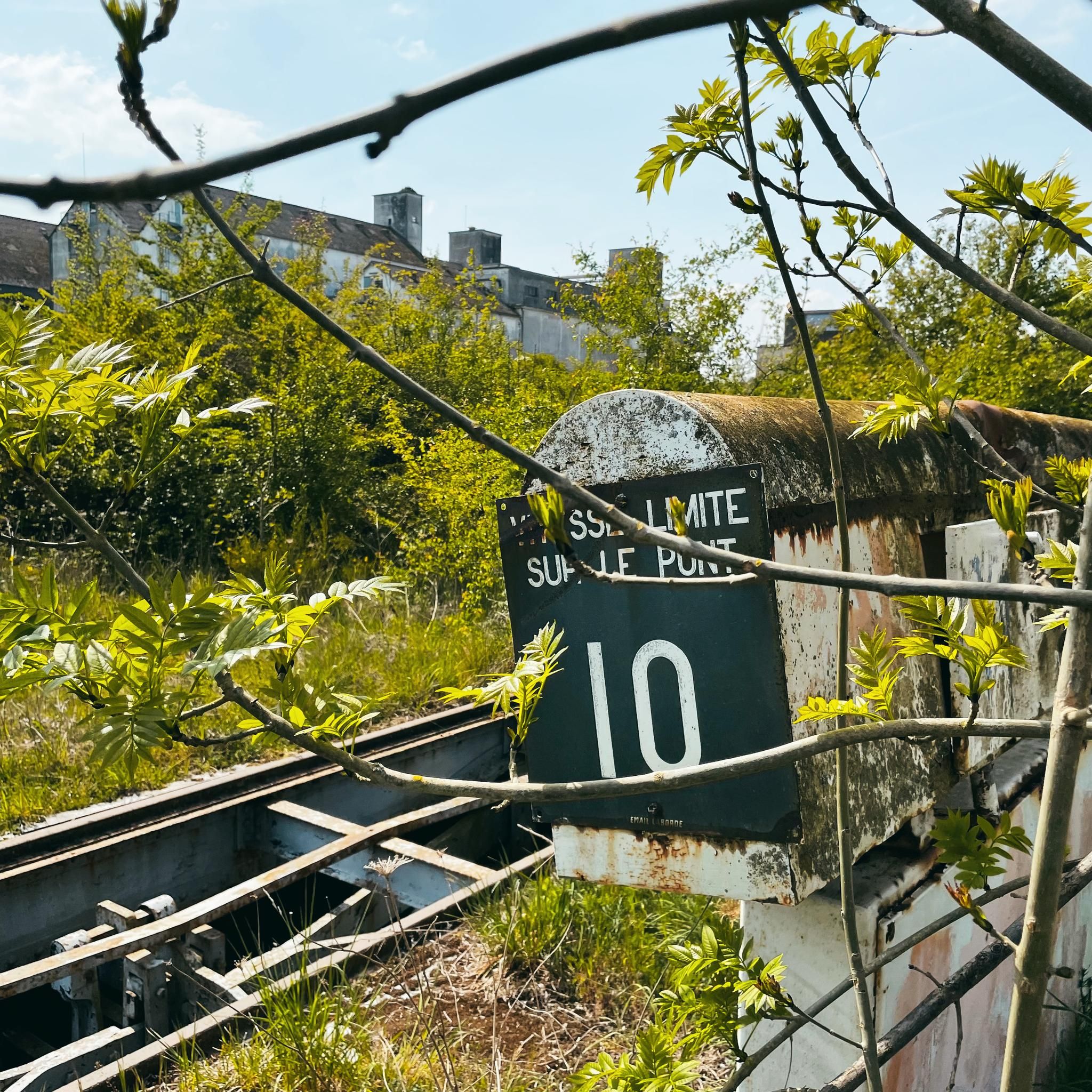
This laundrette was an essential place for the large washes that took place once or twice a year in the countryside. Rebuilt in 1911 and recently restored, it is equipped with a movable floor. It was adjusted to the level of the river so that the washerwomen's feet remained dry. The footbridge was built by the inhabitants of the Billardière district who wanted to attend the church service without having to make a detour to the town hall.
1
0

This mill was enlarged in 1865 according to a date engraved on an arch, but it existed in the first half of the 18th century, according to archives from 17451. In the 20th century, in addition to the production of flour, the mill supplied an oil mill built nearby. The activity ceased in 1960. source: wikipedia
1
0
the washhouse remains a vestige of another time, but for all that, it is important not to forget this past, these traditions, it was the daily life of our grandmothers, persisting with a tedious but so important work. Let us therefore keep and take good care of this common heritage.
1
0

Very beautiful church backing onto its cemetery.
0
0
Frequently Asked Questions
What historical sites can I visit in and around Ymeray?
Ymeray and its vicinity are rich in history. Within Ymeray, you can find the ancient Menhir de Chantecoq, a Neolithic monument, and the historic Church of Saint-Georges, dating back to the 12th century. Nearby, don't miss the Saints Peter and Paul Church, Gallardon, a 13th-century church classified as a historical monument, and the Saint-Germain Church of Hanches, with parts dating to the 11th century. Further afield, the UNESCO World Heritage site of Chartres Cathedral is approximately 17 kilometers away.
Are there any ancient monuments or megaliths near Ymeray?
Yes, the area around Ymeray features ancient monuments. The Menhir de Chantecoq is a protected Neolithic monument located directly in Ymeray. Additionally, you can explore the Dolmens of Changé, which were erected around 3,500 BC and include a sepulchral dolmen and another used for ceremonies, featuring remarkable engravings.
What natural features or scenic spots are there to explore near Ymeray?
While Ymeray itself is a rural commune with small watercourses like the Voise and Rémarde, the region offers several natural attractions. The commune is part of an ecological, faunistic, and floristic interest zone. For more extensive natural beauty, the vast Forêt de Rambouillet is about 20 kilometers away, offering opportunities for nature enthusiasts. The Vaux de Cernay and Vallée de Chevreuse are also within a reasonable driving distance for scenic landscapes.
Are there family-friendly attractions around Ymeray?
Many attractions around Ymeray are suitable for families. The Saint-Piat Mill offers a glimpse into history and a pleasant view of the Eure river, often with birdwatching opportunities. The Washhouse and Footbridge of Val Drouette is an interesting historical site with a recently restored washhouse. The ancient Dolmens of Changé can also be an engaging visit for children interested in prehistory.
What kind of outdoor activities can I do near Ymeray's attractions?
The area around Ymeray is excellent for outdoor activities. You can find numerous routes for cycling, hiking, and running. For example, there are easy cycling loops like the 'Maintenon Castle – Maintenon loop' and 'Lavoir de Soulaires – Saint-Piat Mill loop'. Hikers can enjoy trails such as the 'Garden of ideas loop' or the 'Esclimont Castle loop'. Runners have options like the 'Running loop from Ymeray'. You can explore more options on the dedicated komoot guides for Cycling around Ymeray, Hiking around Ymeray, and Running Trails around Ymeray.
Are there good hiking trails around Ymeray?
Yes, there are several hiking trails suitable for various levels around Ymeray. You can find easy routes like the 'Garden of ideas loop from Gallardon' (7.1 km) or the 'Emancé small bridge loop from Droue-sur-Drouette' (5.7 km). For slightly longer or more challenging options, consider the 'Le Gland loop from Soulaires' (11.9 km) or the 'Hiking loop from Orphin' (9 km). More details and routes can be found in the Hiking around Ymeray guide.
Can I find cycling routes near Ymeray?
Absolutely! The region offers a variety of cycling routes. You can enjoy easy rides such as the 'Maintenon Castle – Maintenon loop from Gallardon' (27.9 km) or the 'Lavoir de Soulaires – Saint-Piat Mill loop from Gallardon' (33.2 km). For a moderate challenge, the 'Chartres – the Guillaume Gate loop from Gallardon' (53.5 km) is available. Discover more options in the Cycling around Ymeray guide.
What do visitors particularly enjoy about the attractions near Ymeray?
Visitors appreciate the historical depth and tranquil beauty of the area. For instance, the Saint-Piat Mill is loved for its 11th-century architecture, its historical significance in flour production, and the serene views of the Eure river, often with opportunities for birdwatching. The Washhouse and Footbridge of Val Drouette is valued for preserving a piece of local tradition and offering a beautiful view from its small bridge. The churches, like Saint-Germain Church of Hanches, are admired for their ancient origins and architectural details.
Are there any unique or lesser-known attractions worth visiting near Ymeray?
Beyond the major landmarks, you can discover charming and unique spots. The Saint-Piat Mill, an 11th-century water mill, offers a picturesque historical insight. The Washhouse and Footbridge of Val Drouette is a beautifully restored historical site with a movable floor, reflecting past traditions. These sites provide a glimpse into the local heritage and daily life of previous centuries.
What is the best time of year to visit Ymeray and its surrounding attractions?
The Centre-Loire Valley region, where Ymeray is located, is generally pleasant to visit from spring to early autumn (April to October). During these months, the weather is typically mild, making it ideal for exploring historical sites, enjoying outdoor activities like hiking and cycling, and appreciating the natural landscapes. Summer offers warmer temperatures and longer daylight hours, while spring and autumn provide comfortable conditions with fewer crowds and beautiful seasonal foliage.
How long should I plan for a visit to the attractions around Ymeray?
The duration of your visit depends on how many attractions you wish to see and how far you plan to venture. For Ymeray's local historical sites like the Menhir de Chantecoq and Church of Saint-Georges, a few hours would suffice. If you plan to include nearby highlights such as the Saint-Piat Mill, Washhouse and Footbridge of Val Drouette, and the Dolmens of Changé, a full day would allow for a relaxed exploration. If you intend to visit major regional attractions like Chartres Cathedral or the Château de Rambouillet, plan for separate half-day or full-day excursions for each.

Get inspired with the komoot mobile app


Explore more
Still not found the Highlight you’re looking for? See guides of the top attractions in other regions:
