The best road cycling routes around Ymeray
4.3
(66)
1,775
riders
220
rides
Road cycling routes around Ymeray traverse the rural landscape of the Eure-et-Loir department, characterized by open fields, small villages, and historical estates. The terrain generally features gentle undulations, making it suitable for various fitness levels. Roads often connect historical churches and châteaux, providing points of interest along the way. The region's network of quiet country roads offers extensive options for road cyclists.
Best road cycling routes around Ymeray
- The most popular road cycling route is Armenonville church – Château de…
Last updated: July 7, 2026
3.8
(5)
27
riders
47.0km
01:55
210m
210m
Easy road ride. Great for any fitness level. Mostly well-paved surfaces and easy to ride.
5.0
(1)
13
riders
126km
05:01
500m
500m
Hard road ride. Very good fitness required. Mostly well-paved surfaces and easy to ride.

Sign up for free
5.0
(4)
15
riders
38.1km
01:38
160m
160m
Easy road ride. Great for any fitness level. Mostly well-paved surfaces and easy to ride.
6
riders
53.8km
02:16
270m
270m
Moderate road ride. Good fitness required. Mostly well-paved surfaces and easy to ride.
5
riders
76.1km
03:07
430m
430m
Moderate road ride. Good fitness required. Mostly well-paved surfaces and easy to ride.
Get access to more routes and recommendations from other explorers.
Sign up for free
Already have an account?
Our route recommendations are based on thousands of hikes, rides, and runs completed by other people on komoot.
Start today with a free account
Your next adventure awaits.
Login or Signup

Tips from the Community

The Saint-Lubin church of Coltainville is a religious monument located in the commune of Coltainville, in the Centre-Val de Loire region. Although its name suggests a dedication to Saint Lubin, bishop of Chartres in the 6th century, the available sources do not specify its period of construction or its detailed history. This type of building, typical of the French countryside, often plays a central role in local life, both spiritually and communally. In the general context of the Centre-Val de Loire, parish churches like that of Coltainville were historically essential gathering places. They served not only for religious services, but also for social events, such as baptisms, weddings, or village assemblies. Their architecture and decoration often reflect local resources and know-how, as well as regional or national stylistic influences depending on the era.
0
0


The Moulin de Mormoulins is a watermill located on the Eure River in the hamlet of Mormoulins. This mill dates back to the 18th and 19th centuries and is a listed historical monument. You can admire the old stone building, the wooden wheel, and the canal that diverts water from the river as you pass in front of the mill. The mill is surrounded by green fields and trees, creating a peaceful and relaxing atmosphere.
0
0
According to tradition, the church choir covers the remains of an older building, possibly dating back to the 6th century, which was built to house the saint's body. According to current knowledge, the commune of Saint-Piat (Sanctus Piatus in Latin) officially appeared in 1087, mentioned in a charter of the Nottonville Priory (Eure-et-Loir), on which it depended. The current building was rebuilt during the time of Francis I, as suggested by the date 1535 engraved on two buttresses of the apse and the date 1542 engraved on a piece of wood from the vault. This is according to a study by the SAEL (Eure-et-Loir Archaeological Society). The three-sided apses, the dripstone towers (horizontal members projecting from a wall), and the sculpted roof structures are a testament to the importance of the reconstructions carried out in the department during the 16th century. The church of Saint-Piat is one of them. While the church has not been officially recognized, it nevertheless contains objects that have attracted attention both for their antiquity and quality, but not always for good reason. Their artistic value, far from attracting only religious or aesthetic interest, has also aroused a covetousness that, unfortunately, remains for some of them. Fortunately, those still in place are carefully cared for and offer the curious a story to discover, a beauty to slowly ponder as they progress toward the choir.
0
0
Before 528, the village of Saint-Prest was called Saint-Jean-sur-Eure. At that time, the Bishop of Chartres, Ethère, had a building built adjoining the southern flank of the parish church, including a "martyrium" to house the remains of holy martyrs (the legend of Saint-Prest), which were placed in ten sarcophagi. The most honored relics were those of a certain Priscus; following numerous miracles, the parish took the name of Saint-Prest. The current church's crypt is the apse of the 9th-century Carolingian church, which replaced a 6th-century sanctuary. Access to the 12th-century nave, on the west side, is through a beautiful Romanesque portal, carved from beautiful limestone, surmounted by a triple saw-tooth archivolt and framed by two small columns with capitals. On the right, a face would be that of Eve, and on the left would appear the tempting serpent.
0
0

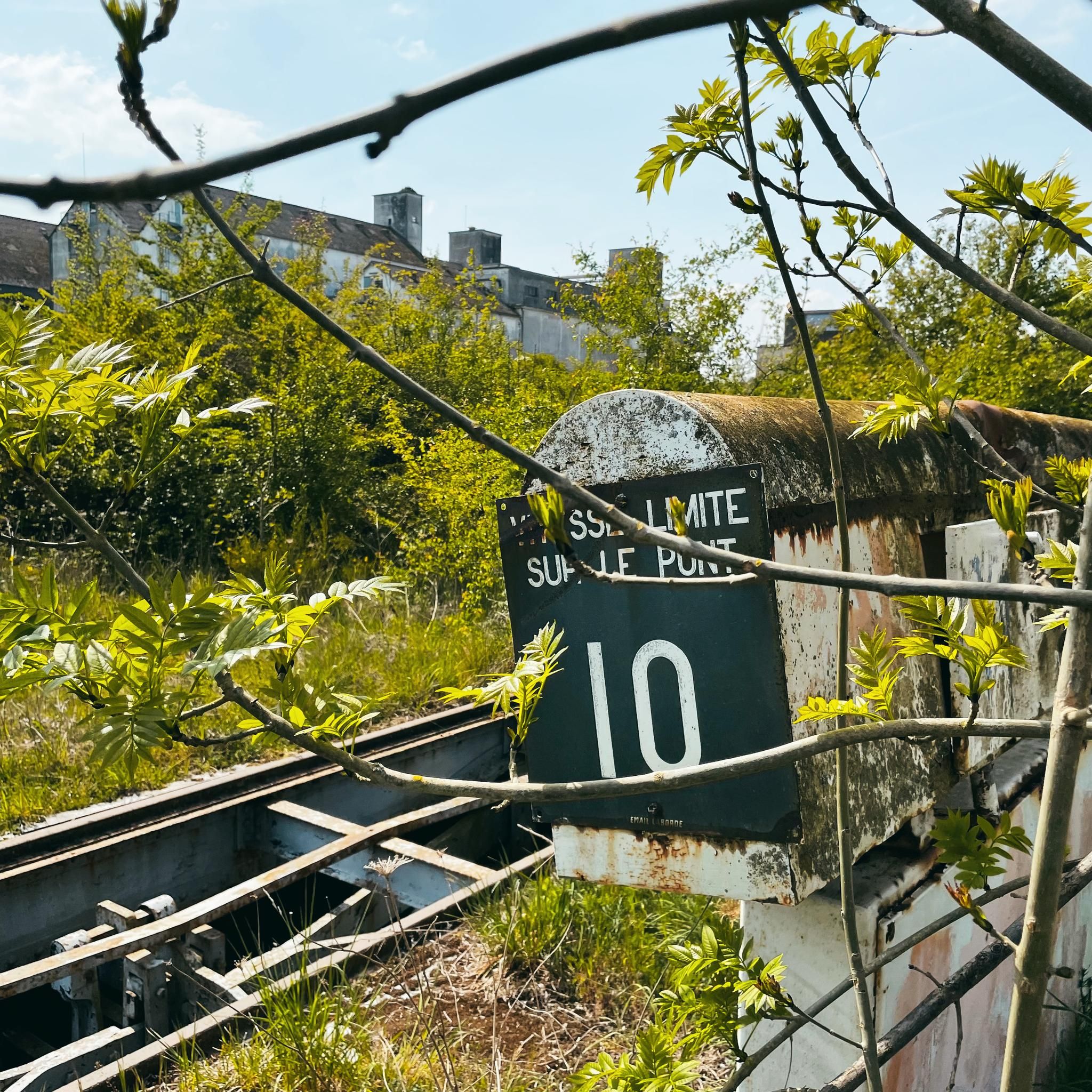
Many centuries ago, our ancestors discovered the possibility of harnessing the power of the elements—which, while helpful and useful on the one hand, could also be a threat as untamed forces of nature—for various purposes, thus eliminating the need for human or animal muscle power. Mills like these are a good example of the human engineering skills of earlier generations: The heavy millstones used to grind grain or press oil, for example, could be powered by wind or—as in this case—water.
0
0
The current church was built in 1547 on the site of an earlier church dating back to the 11th century. The work was financed by the Brézé family, who were lords of Gasville-Oisème at the time. The church was restored over the following centuries, particularly in the 19th century. The church's façade is its most remarkable feature. It is adorned with a Renaissance portal, surmounted by a sculpted tympanum depicting Christ in Majesty. The church's interior is also remarkable. It is adorned with sculpted columns and capitals, as well as several religious paintings. The Church of Saint Gregory is a remarkable historical monument, a testament to Renaissance religious architecture in France. It is also an important place of worship for the parish community. The church is open to the public upon request.
0
0

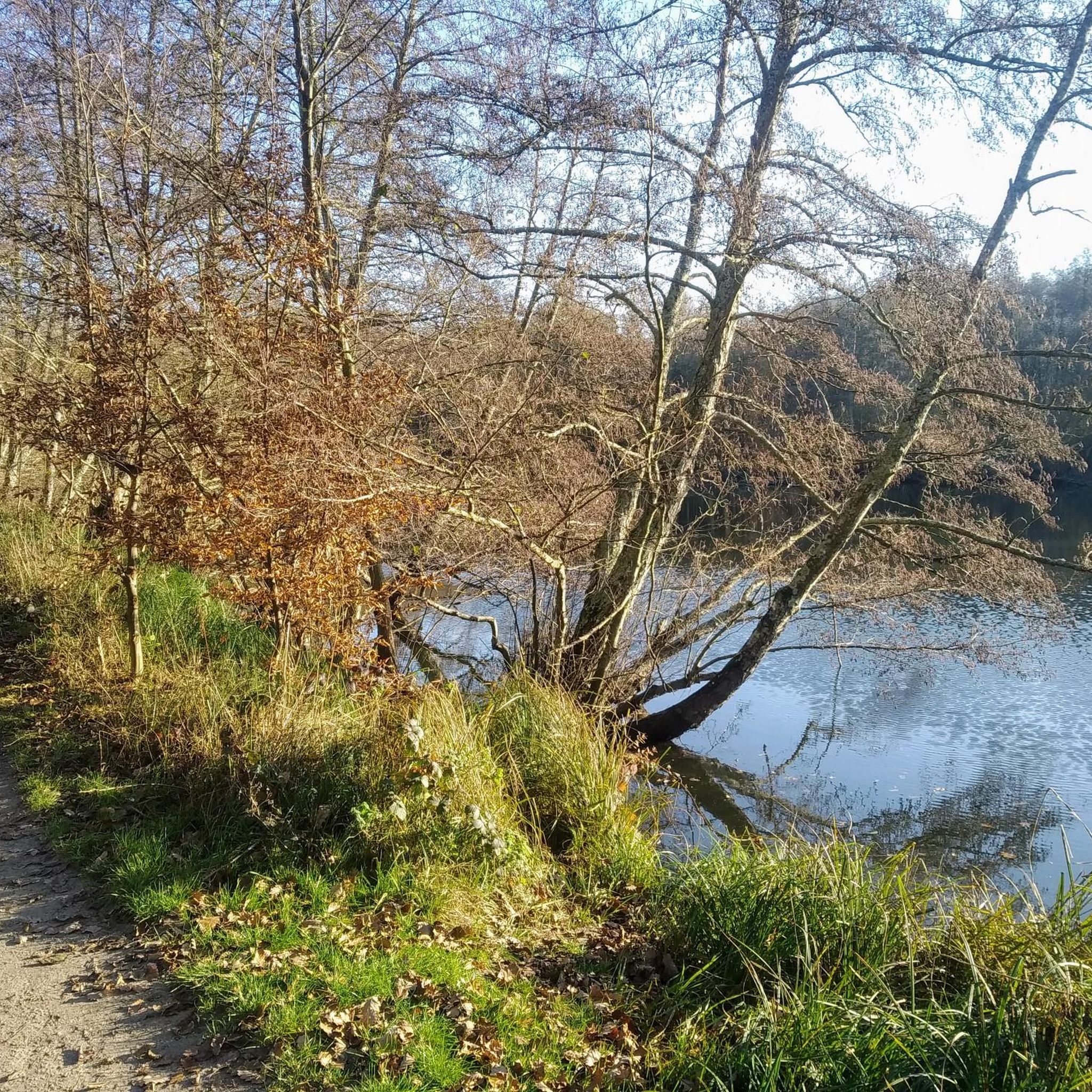
Very beautiful pond
0
0
Frequently Asked Questions
Are there easy road cycling routes suitable for beginners in Ymeray?
Yes, Ymeray offers a good selection of easy road cycling routes. There are over 50 routes specifically categorized as easy, featuring the region's generally gentle undulations and quiet country roads. A great option for beginners is the Armenonville church – Château de Maintenon loop from Gallardon, which is 26.5 miles (42.7 km) long and has minimal elevation gain.
What are the typical distances for road cycling routes around Ymeray?
Road cycling routes around Ymeray vary in distance to suit different preferences. You can find shorter loops, such as the 26.5-mile (42.7 km) Armenonville church – Château de Maintenon loop from Gallardon, or longer, more challenging rides like the 48.4-mile (77.9 km) Guiperreux Toad Crossing – Esclimont Castle loop from Le Gué-de-Longroi. The majority of routes fall into the moderate category, offering distances between 30 to 50 miles.
Where can I find parking for road cycling routes in Ymeray?
Parking for road cycling routes in Ymeray is generally available in the villages and towns that serve as starting points for many tours. Look for public parking areas in places like Gallardon or Le Gué-de-Longroi, which are common access points for popular routes. These areas typically offer convenient spots to leave your vehicle before heading out on your ride.
Are there family-friendly road cycling routes in Ymeray?
While specific 'family-friendly' designations are less common for road cycling, the region's quiet rural roads and gentle terrain make many of the easier routes suitable for families with older children or those comfortable with road cycling. The Bréau-sans-Nappe obelisk – Esclimont Castle loop from Gallardon is an easy 27.9-mile (44.8 km) option that avoids major climbs and passes by interesting historical sites.
What kind of challenging road cycling routes can I find in Ymeray?
While Ymeray is known for its gentle terrain, there are routes that offer a more challenging experience, primarily due to their length rather than significant climbs. For instance, the Armenonville church – Esclimont Castle loop from Gallardon is a moderate 48.6-mile (78.2 km) route that provides a longer endurance test with varied scenery. There are a few routes with slightly more elevation gain for those seeking a greater workout.
What can I see along the road cycling routes around Ymeray?
Road cycling routes around Ymeray often pass by historical landmarks and scenic points of interest. You can expect to see charming churches, châteaux, and other architectural highlights. Notable attractions include the Saint-Piat Mill, the Washhouse and Footbridge of Val Drouette, and the impressive Saints Peter and Paul Church in Gallardon. Many routes also offer views of the rural landscape and open fields.
Are there circular road cycling routes in Ymeray?
Yes, the majority of road cycling routes around Ymeray are designed as circular loops, allowing you to start and finish at the same point. This is ideal for cyclists who drive to their starting location. Examples include the Sonchamp church – Esclimont Castle loop from Gallardon and the Guiperreux Toad Crossing – Esclimont Castle loop from Le Gué-de-Longroi, both offering convenient circular journeys through the countryside.
What do other road cyclists enjoy most about road cycling in Ymeray?
The road cycling experience in Ymeray is highly rated by the komoot community, with an average score of 4.3 stars from over 50 reviews. Cyclists frequently praise the region's quiet rural roads, the gently rolling terrain suitable for various fitness levels, and the numerous historical landmarks and châteaux that provide interesting points along the routes. The extensive network of roads offers diverse options for exploration.
How many road cycling routes are available in Ymeray?
There are over 220 road cycling routes available around Ymeray, offering a wide range of options for cyclists of all abilities. This includes more than 50 easy routes, over 160 moderate routes, and a few more challenging options, ensuring there's always a new path to explore.
Are there any hidden gem road cycling routes in Ymeray?
While many routes are well-known, the extensive network of quiet country roads around Ymeray means there are always less-traveled paths to discover. Exploring routes that connect smaller hamlets or less prominent historical sites can often lead to a unique experience. Look for routes that venture slightly off the main village-to-village connections to find your own hidden gems.
What is the best time of year for road cycling in Ymeray?
The best time of year for road cycling in Ymeray is typically from spring through early autumn (April to October). During these months, the weather is generally mild and pleasant, with less rainfall and comfortable temperatures for cycling. The rural landscape is particularly beautiful in spring with blooming fields and in autumn with changing foliage.
Are there cafes or places to stop for refreshments along the road cycling routes?
Yes, many road cycling routes in Ymeray pass through or near small villages and towns where you can find cafes, bakeries, or small shops for refreshments. Planning your route to include stops in places like Gallardon or other local communities will ensure you have opportunities to refuel and relax during your ride.
Most popular attractions around Ymeray

Get inspired with the komoot mobile app


Explore more
Browse the best Road cycling routes in other regions.
