The best MTB trails around Ampass
4.6
(3494)
20,661
riders
268
rides
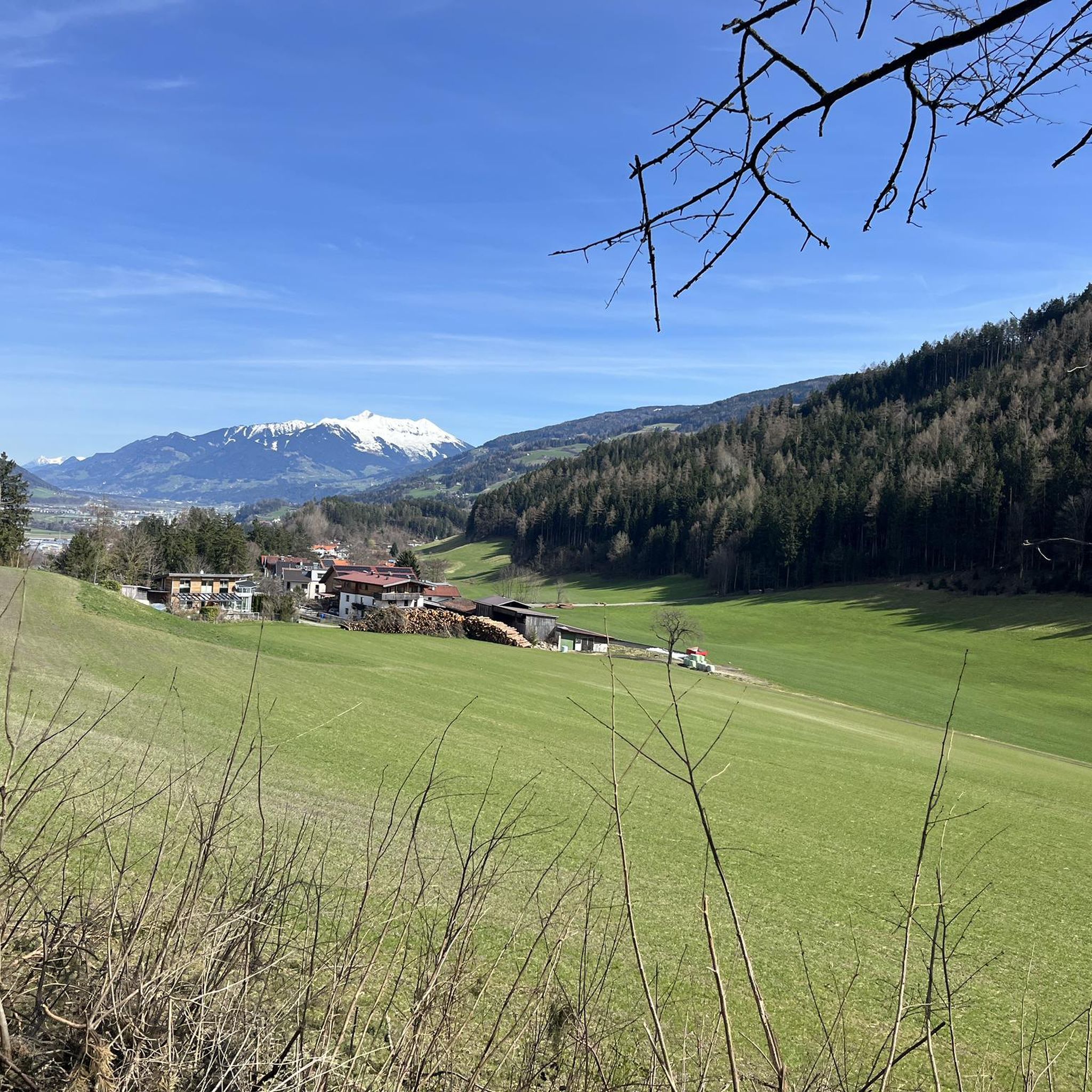
Mountain biking around Ampass offers a diverse landscape characterized by alpine pastures, forested slopes, and views of the surrounding valleys. The region features a mix of moderate climbs and descents, with trails often winding through varied terrain. Riders can expect routes that traverse both open areas and denser woodlands, providing a range of experiences. The elevation changes are consistent with mountain biking in a pre-alpine setting.
Best mountain bike trails around Ampass
- The most popular mountain bike trail is Mint…
Last updated: July 1, 2026
4.6
(57)
253
riders
Moderate mountain bike ride. Good fitness required. Suitable for all skill levels.
4.1
(29)
168
riders
16.2km
01:54
780m
780m
Moderate mountain bike ride. Good fitness required. Suitable for all skill levels.

Sign up for free
4.8
(9)
141
riders
Moderate mountain bike ride. Good fitness required. Advanced riding skills necessary.
4.2
(31)
243
riders
Moderate mountain bike ride. Good fitness required. Suitable for all skill levels.
4.2
(16)
74
riders
86.6km
05:25
810m
810m
Hard mountain bike ride. Very good fitness required. Suitable for all skill levels.
Get access to more routes and recommendations from other explorers.
Sign up for free
Already have an account?
Our route recommendations are based on thousands of hikes, rides, and runs completed by other people on komoot.
Start today with a free account
Your next adventure awaits.
Login or Signup

Tips from the Community

Maria Larch The pilgrimage church of Maria Larch is located at the entrance to the Larch valley and is a beautiful destination for walks in the surroundings of Terfens / Gnadenwald. The origin of the pilgrimage to Maria Larch dates back to 1665. The beneficiary of St. Martin in Gnadenwald gave a peasant woman an image of the Mother of God made of clay, which was hung on a tree to awaken good thoughts in passers-by. About 10 years later, a chapel was built, which, however, underwent several renovations. Two miraculous healings were the trigger for Maria Larch becoming a popular pilgrimage site: a mute girl regained her speech after a heartfelt prayer before the image of grace, and a seriously ill child was healed. Text / Source: wallfahrt-online.at https://wallfahrt-online.at/maria-larch/
9
0
The spring: (Pilgrimage Chapel Maria Larch, Terfens) The Pilgrimage Chapel Maria Larch dates back to the 17th century. In the baroque well house, St. Florian watches over the water, which is still considered a revitalizing drink today. In the 18th century, it healed a mute girl from her suffering and later many, many more - probably also before and after. It is a right-turning water in a place of power that could not be more impressive. When the custodians of this gem have to openly ask for a donation for the water, it is actually a sign of poverty for those who bottle water here. Three things should be a matter of course at every holy spring: reverence, gratitude, and an "offering", whatever that may look like. Text / Source: Austria-Forum https://austria-forum.org/af/Kunst_und_Kultur/B%C3%BCcher/Heilige_Quellen/Tirol/Terfens_Maria_Larch
9
0
Maria Larch Legend: A devout woman named Magdalena Bogner, who was married to the respected farmer Veit Spieltenner in Schlegelsbach, gave the first occasion for it (the chapel). This woman felt an inexplicable urge within her to perform her devotion at the spot where the chapel now stands, and where she herself often passed by, either on Sundays and holidays on her way to church in Terfens or for business reasons. Johann Weiß, the chaplain in the hermitage of St. Martin in the woods, to whom she had confided the peculiar feeling in her heart, gave her a statue of the Mother of God, which she was to place somewhere at the designated spot, and then she could devote herself to prayer there without hesitation. The chaplain had made the statue himself out of clay. It is a shoe high; the divine mother holds the dear Christ child in her left hand and carries the gilded apple in her right. The woman brought the precious gift home with a joyful heart, and immediately had her husband place the statue at the designated spot in a small niche carved out of a strong larch tree. A narrow roof from above was to serve as protection for the statue against the falling rain; at the bottom, a narrow block was placed so that people could kneel more comfortably while praying. This happened in the year 1665. Text / Source: Legende: sagen.at https://www.sagen.at/doku/quellen/quellen_tirol/maria_larch.html
9
0
The spring: (Pilgrimage chapel Maria Larch, Terfens) The pilgrimage chapel Maria Larch dates from the 17th century. In the baroque well house, Saint Florian watches over the water, which is still considered a revitalizing drink today. In the 18th century, it healed a mute girl from her suffering and later many, many more - probably before and after as well. It is a right-turning water at a place of power, as impressive as it can be. The fact that the custodians of the jewel must openly ask for a donation for the water is actually a testament to the poverty of those who bottle water here. Three things should be a matter of course at each of the holy springs: reverence, gratitude, and an "offering", whatever that may be. Text / Source: Austria-Forum https://austria-forum.org/af/Kunst_und_Kultur/B%C3%BCcher/Heilige_Quellen/Tirol/Terfens_Maria_Larch
9
0
Maria Larch Legend: A devout woman named Magdalena Bogner, who was married to the respected farmer Veit Spieltenner in Schlegelsbach, gave the first occasion for it (the chapel). This woman felt an inexplicable urge within her to perform her devotion at the spot where the chapel now stands, and where she herself often passed by, either on Sundays and holidays on her way to church in Terfens or for her business. Johann Weiß, the chaplain in the hermitage of St. Martin in the woods, to whom she had confided the peculiar feeling in her heart, gave her a picture of the Mother of God, which she was to place somewhere at the designated spot, and then she could devotedly pray there without hesitation. The chaplain had made the image himself from clay. It is a shoe high; the divine mother holds the dear Christ child with her left hand, and in her right she carries the gilded apple. The woman, with a joyful heart, brought the precious gift home and immediately had her husband place the image at the designated spot in a small niche carved from a strong larch tree. A narrow roof from above was to serve as protection for the image against the falling rain; at the bottom on the ground, a narrow block was placed so that people could kneel more comfortably while praying. This happened in the year 1665. Text / Source: Legend: sagen.at https://www.sagen.at/doku/quellen/quellen_tirol/maria_larch.html
9
0
Pilgrimage chapel Maria Larch, Terfens from 1678 In 1678, the pilgrimage chapel Maria Larch was founded for a seated figure of Mary, formed from clay, which was once attached to a larch tree ("Larch"). In 1994, the chapel underwent a renovation and has shone with new splendor ever since. The water flowing from the well near the chapel is said to have healing powers. Text / Source: Tourismusverband Silberregion Karwendel https://silberregion-karwendel.com/de/terfens/rid/29092918
9
0


Frequently Asked Questions
How many mountain bike trails are available around Ampass?
There are over 280 mountain bike trails around Ampass, offering a diverse range of experiences. These include routes suitable for various skill levels, from moderate climbs to more challenging descents.
Are there easy mountain bike trails suitable for beginners in Ampass?
Yes, Ampass offers a good selection of trails for beginners. There are 36 easy mountain bike routes available, providing a gentle introduction to the region's scenic landscapes without overly demanding technical sections.
What kind of challenges can advanced mountain bikers expect around Ampass?
Advanced mountain bikers will find plenty of challenging terrain around Ampass, with 102 difficult routes available. These trails often feature significant elevation changes, technical sections, and longer distances, such as the Lake Achensee – View of Lake Achensee loop from Hall in Tirol, which covers nearly 87 km with over 800 meters of ascent.
Are there mountain bike trails around Ampass that are suitable for families?
While specific 'family-friendly' designations aren't always explicit, many of the easier and moderate routes around Ampass can be enjoyed by families looking for less strenuous rides. Focus on routes with lower elevation gain and shorter distances, which are often found among the 36 easy trails available.
What is the best time of year to go mountain biking in Ampass?
The best time for mountain biking in Ampass is typically from late spring through early autumn (May to October). During these months, the weather is generally mild, trails are clear of snow, and the alpine scenery is at its most vibrant. Always check local weather conditions before heading out.
Are there any circular mountain bike routes in the Ampass area?
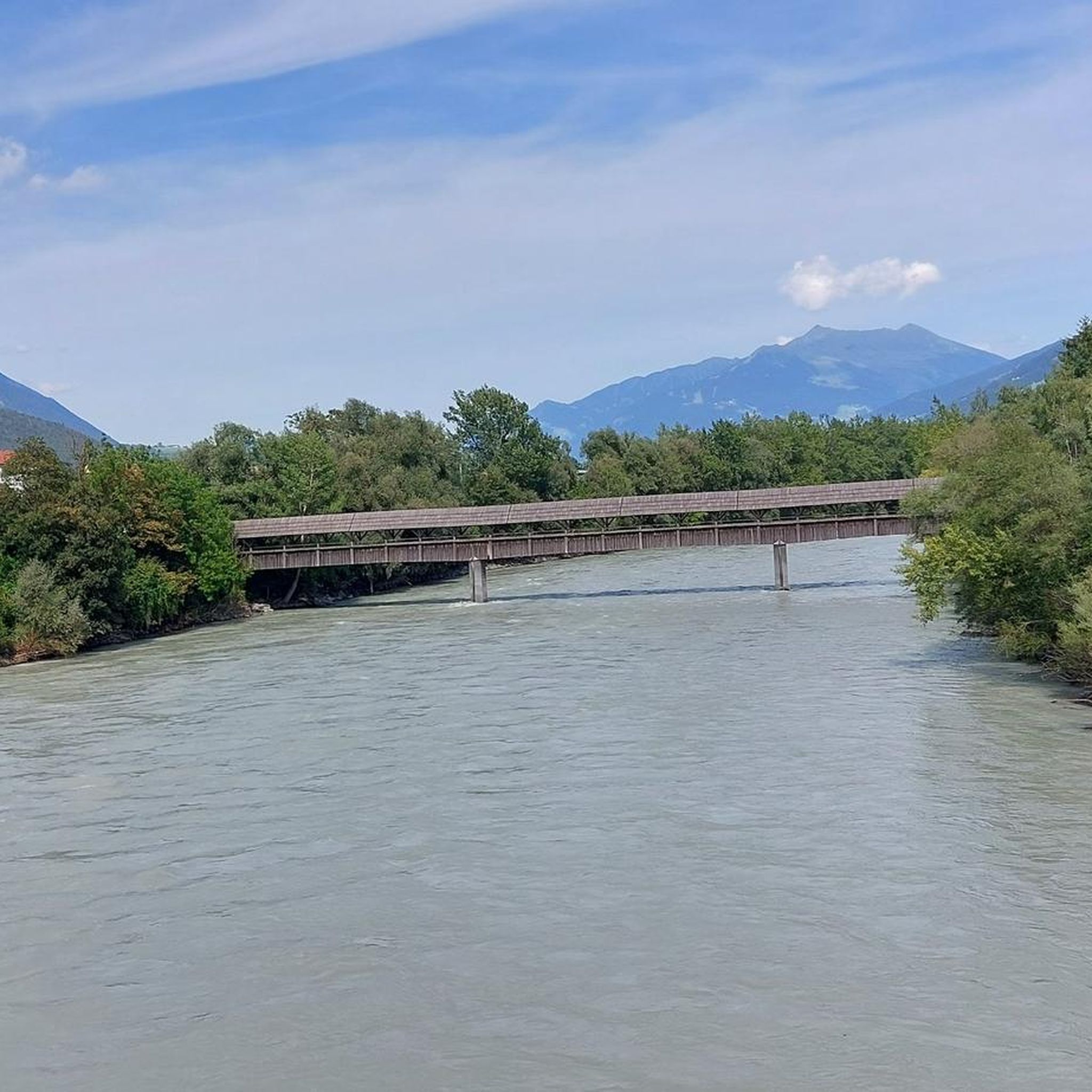
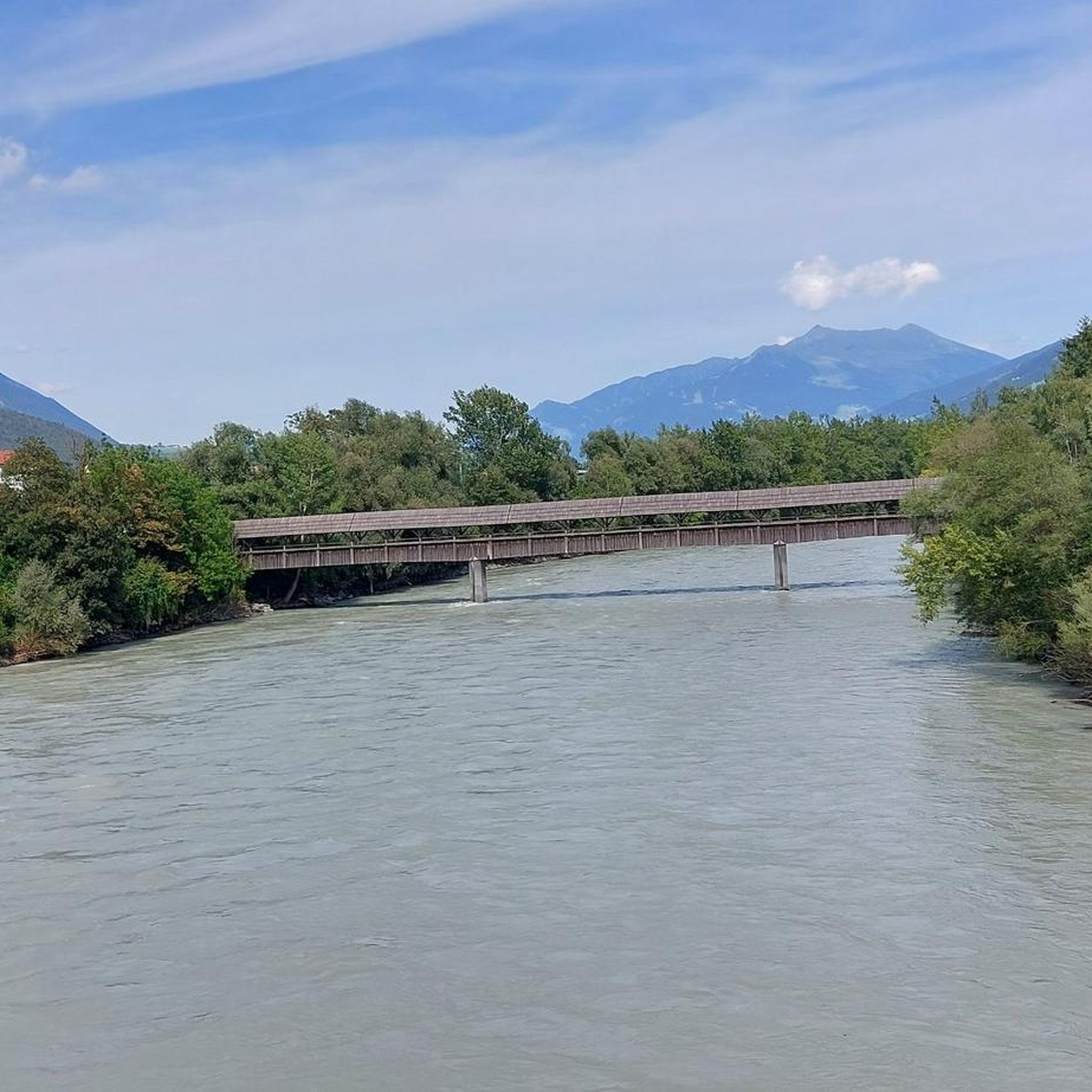
Yes, many mountain bike routes around Ampass are designed as loops, allowing you to start and finish in the same location. Examples include the Herzsee Aldrans – Aldrans Alpine Pasture loop from Aldrans, which offers panoramic views, or the longer The cycle bridge near Rotholz – View from the Cycle Path loop from Hall in Tirol.
What are some scenic viewpoints or attractions accessible by mountain bike around Ampass?
Mountain biking around Ampass offers numerous scenic opportunities. You can ride towards areas with views of the surrounding valleys and alpine pastures. Notable natural attractions in the broader region include the Hafelekar Peak and Patscherkofel Summit. For a more relaxed view, the Herzsee is also accessible.
Can I bring my dog on the mountain bike trails around Ampass?
While many trails in the Ampass region are generally dog-friendly, it's important to keep your dog on a leash, especially in forested areas, near livestock, or on shared paths. Always be mindful of other trail users and local regulations regarding dogs in natural areas.
Are there mountain bike trails around Ampass with cafes or refreshment stops nearby?
Yes, many routes in the Ampass region pass by or are close to traditional alpine huts (Almen) or cafes, especially in popular areas. For example, the Walderalm is a hut that can be a destination or a stop along certain routes, offering refreshments amidst the mountains.
What do other mountain bikers enjoy most about the trails in Ampass?
The mountain bike trails around Ampass are highly rated by the komoot community, with an average score of 4.6 stars from over 3,300 reviews. Riders often praise the diverse landscape, which combines alpine pastures, forested slopes, and scenic valley views, as well as the variety of routes suitable for different skill levels.
Is public transport available to access mountain bike trails near Ampass?
Ampass and the surrounding towns like Hall in Tirol and Aldrans are generally well-connected by public transport within the Innsbruck region. Many trailheads are accessible via bus routes, allowing you to reach starting points without a car. It's advisable to check specific bus schedules and routes to your chosen trailhead.
Where can I find parking for mountain biking trails in Ampass?
Parking is typically available at or near the starting points of many popular mountain bike trails in Ampass and the surrounding villages. Look for designated parking areas in towns like Hall in Tirol or Aldrans, which serve as common access points for the region's trail network. Always check for local parking regulations and fees.
Most popular attractions around Ampass

Get inspired with the komoot mobile app


Explore more
Browse the best MTB trails in other regions.
