Attractions and Places To See around Obterre - Top 7
Attractions and places to see around Obterre, located in the Indre department of France, offer a mix of historical landmarks, cultural sites, and natural beauty. The area is situated within the Brenne Regional Natural Park, characterized by lakes, marshland, and woods. This region provides opportunities for exploring local heritage and landscapes.
Best attractions and places to see around Obterre
- The most popular attractions is Crossing the Claise with a view of the bell tower, a scenic spot that offers…
Last updated: July 1, 2026
Château d'Azay-le-Ferron
Highlight • Castle
Translated by Google •
Tip by

Crossing the Claise with a view of the bell tower
Highlight • Other
The commune of Preuilly-sur-Claise has several archaeological sites.
The archaeological site of Picardy is an open-air site, discovered …
Translated by Google •
Tip by

Sign up now to discover places like this
Get recommendations on the best single tracks, peaks, & plenty of other exciting outdoor places.
Sign up for free
Châtillon-sur-Indre
Highlight • Settlement
Translated by Google •
Tip by

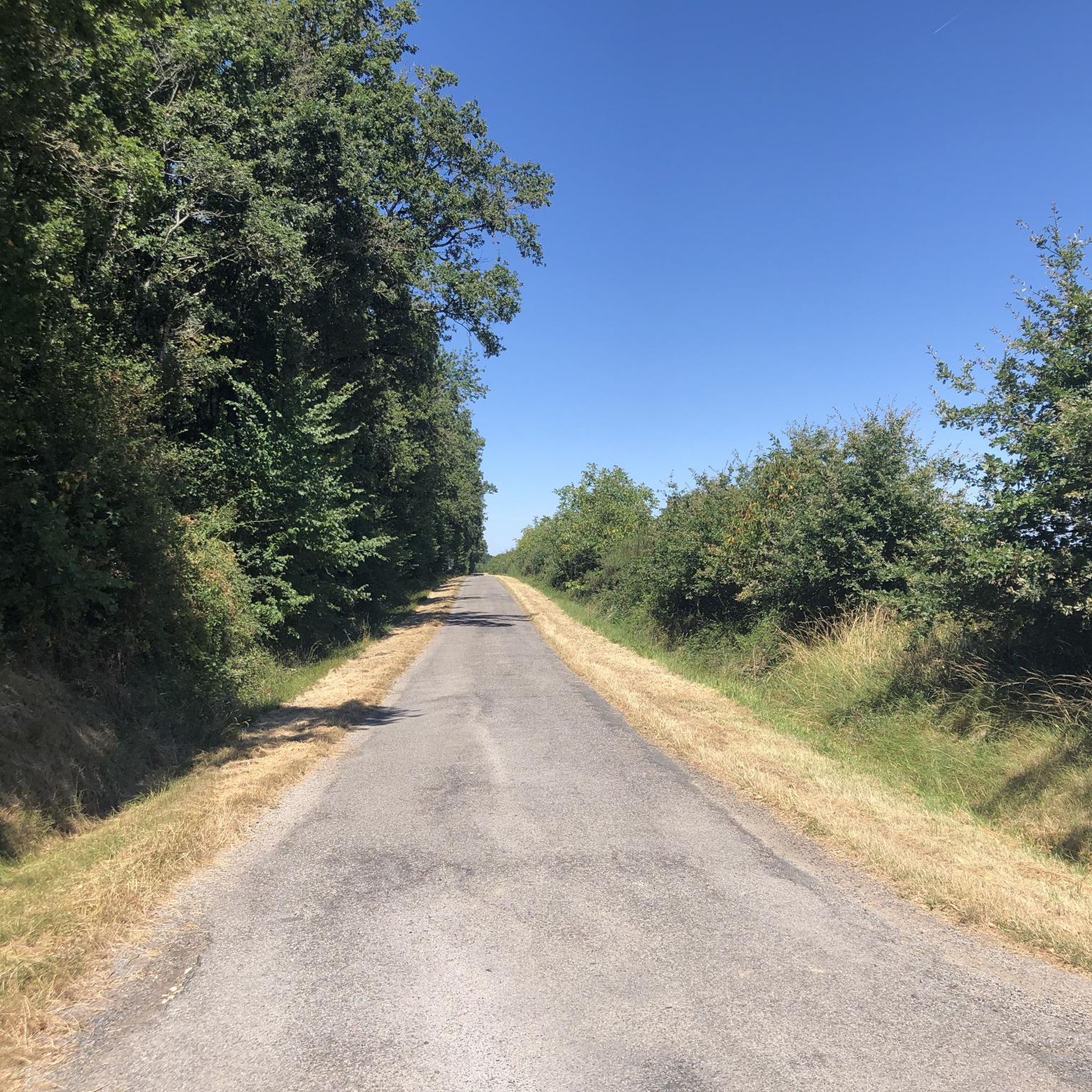
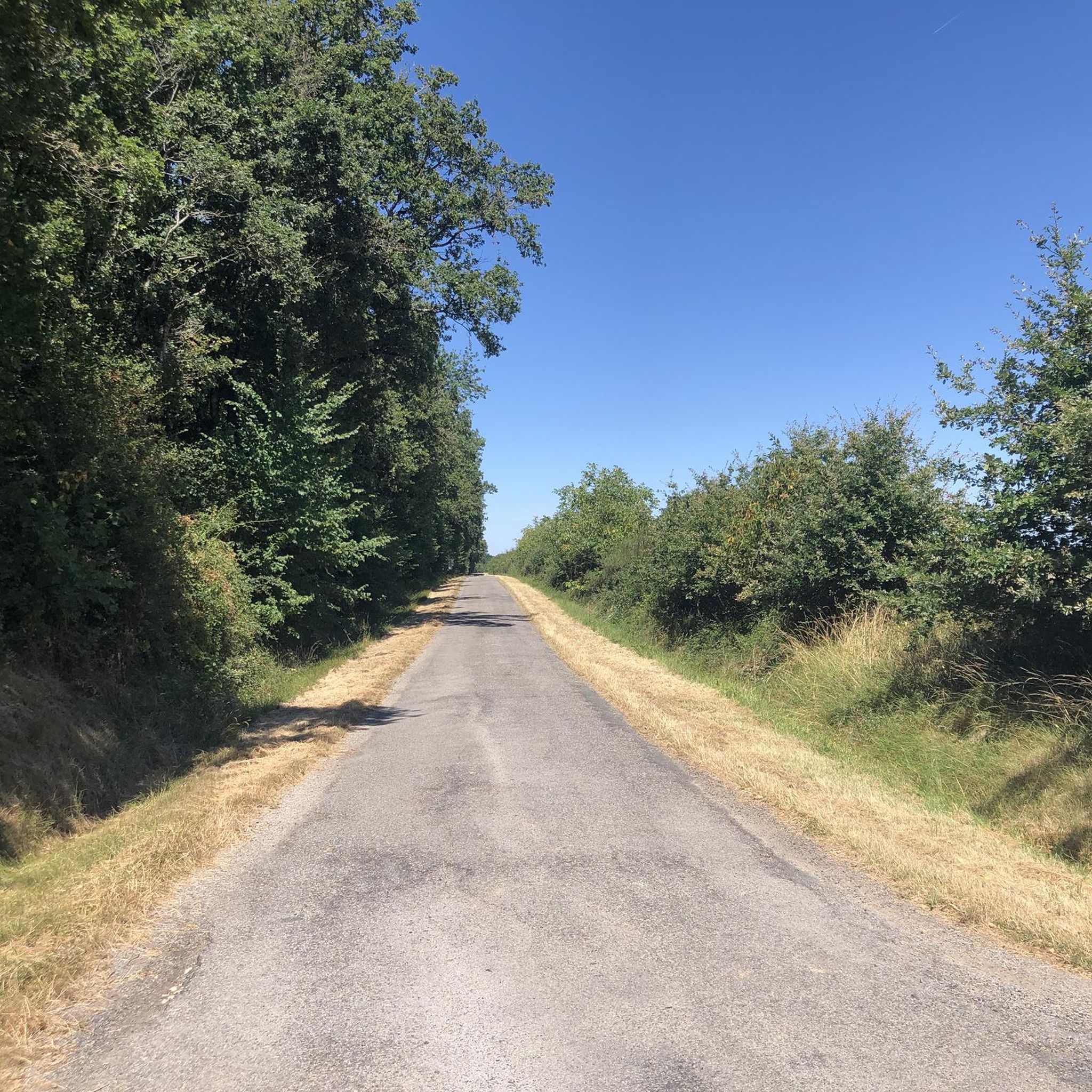
Quiet roads beyond the fields...
Highlight • Other
Translated by Google •
Tip by

César Tower (keep) and remains of the fortress, Châtillon-sur-Indre
Highlight • Other
Translated by Google •
Tip by
Sign up for free to discover even more attractions around Obterre.
Sign up for free
Already have an account?
Start today with a free account
Your next adventure awaits.
Login or Signup



Tips from the Community

Located in the heart of the Brenne regional natural park, the Azay-le-Ferron castle, rich in architecture stretching from the 15th to the 18th century, will transport you through styles and eras. Throughout the visit, you will discover living rooms, bedrooms, dining room, kitchen, library. Approximately fifteen sumptuously furnished rooms in which the Hersent-Luzarche family lived, owners since 1852. The last descendant of this family, Marthe Hersent-Luzarch, bequeathed the estate to the city of Tours in 1951, giving it the mission of open the doors of this exceptional place to the public. This exceptional ensemble is located in a remarkable 26-hectare green setting redeveloped by Denis and Eugène Bülher, a famous 19th century landscaper. They imagined a landscaped park decorated with numerous groves where a multitude of tree species, boxwood beds and topiaries coexist, the collection of which is renowned among the most beautiful in France. The walk continues into the flower gardens where the collection rose dominates. A conservatory orchard based on old varieties of apples and pears completes the plant diversity of the site. Lively tours in period costumes will allow you to discover the castle from a new perspective. They will notably be an opportunity to see rooms usually closed to the public, while having the opportunity to meet with guides and actors around a tasting of local products.
1
0

A peaceful mix of dirt road and tarmac track along the Etang des Marais. Among the activities, it is possible to fish, but it is not recommended to swim, there is a lot of aquatic vegetation.
0
0
An exceptionally bucolic castle located in the middle of 55 hectares of greenery. Average duration of individual visit: 45 minutes. Average duration of the group visit: 1 hour. Animals are accepted. Languages available: French, English, German, Chinese, Spanish, Italian, Dutch, Russian
0
0

Pretty pass on the river, with the bell tower of Saint-Pierre abbey. The commune of Preuilly-sur-Claise has several archaeological sites. The archaeological site of Picardy is an open-air site, discovered in the 1980s, located on the left bank of the Claise, on a plateau.
0
0
The castle complex at Châtillon-sur-Indre includes numerous protected elements, including the Place du Vieux-Château. The castle played an important role in the struggles between Henry II of England and Philip Augustus. Henry II had a powerful fortress built between 1160 and 1185 (of which the slightly conical keep still remains today), which can be seen from afar as one approaches the town.
0
0

Châtillon-sur-Indre is a village of 3,000 inhabitants which dates from around the 9th century. Its rich heritage consists of a castle built in the 13th century, the César Tower, built around 1130 and the Notre-Dame church.
0
0

A fine example of one of the Loire châteaux with its parterre gardens and wilder park. The owner family, who had owned it since 1832, donated it to the city of Tours in 1951.
3
0

a great initiative that this self-service repair workshop
0
0
Frequently Asked Questions
What historical sites can I explore near Obterre?
The region around Obterre is rich in history. You can visit Châtillon-sur-Indre, a village dating back to the 9th century, featuring a 13th-century castle, the César Tower, and the Notre-Dame church. Another significant historical landmark is Château d'Azay-le-Ferron, showcasing architecture from the 15th to 18th centuries with sumptuously furnished rooms and extensive gardens. Further afield, Loches, about 22 km away, is known for its citadel and numerous historic monuments.
Are there any natural parks or reserves near Obterre?
Yes, Obterre is located within the expansive Brenne Regional Natural Park, known for its numerous lakes, pools, marshland, and woods. This park is a haven for wildlife and offers public access to birdwatching hides and nature trails. Additionally, the Zoological Reserve of la Haute-Touche, near Azay-le-Ferron, is an ethical 500-hectare zoo focused on protecting endangered animals, offering a family-friendly destination.
What are the best options for walking or hiking around Obterre?
The area around Obterre offers several pleasant walking opportunities. You can explore the Path around Etang Neuf🤗 in the forest of Preuilly, which features rolling paths and beautiful scenery. For more extensive options, check out the various routes available in the Hiking around Obterre guide, which includes trails like the 'L'Étang Neuf loop' and 'Azay-le-Ferron loop'.
Are there family-friendly attractions in the Obterre area?
Absolutely! Château d'Azay-le-Ferron is a great family-friendly option, offering tours of its furnished rooms and extensive gardens. The Zoological Reserve of la Haute-Touche is another excellent choice for families, providing opportunities to see endangered animals and hire bikes or buggies. The historical village of Châtillon-sur-Indre also offers engaging historical sites for all ages.
Can I find cycling routes near Obterre?
Yes, the region around Obterre is well-suited for cycling. You'll find peaceful dirt and tarmac tracks, such as the Quiet roads beyond the fields... along the Etang des Marais. For mountain biking enthusiasts, the MTB Trails around Obterre guide provides several routes, including loops around Étang Neuf and Étang des Marais.
What cultural sites are worth visiting near Obterre?
Beyond the châteaux, you can explore the commune of Preuilly-sur-Claise, which features a picturesque crossing over the Claise River with views of the Saint-Pierre abbey's bell tower, and several archaeological sites, including the open-air archaeological site of Picardy. The Musée de la Préhistoire - Grand-Pressigny, about 17.8 km from Obterre, offers insights into the Neolithic Era and ancient flint sharpening workshops.
What is the best time of year to visit Obterre for outdoor activities?
The Centre-Loire Valley region generally experiences pleasant weather from spring through early autumn (April to October), making it ideal for outdoor activities. During these months, temperatures are mild, and the natural landscapes, especially the Brenne Regional Natural Park, are vibrant and welcoming for hiking, cycling, and exploring historical sites.
Are there any scenic viewpoints or picturesque spots in the area?
A notable scenic spot is the Crossing the Claise with a view of the bell tower in Preuilly-sur-Claise, offering pleasant views over the Claise River and the Saint-Pierre abbey. The extensive gardens of Château d'Azay-le-Ferron also provide beautiful landscaped settings and views.
Can I find running trails near Obterre?
Yes, there are several options for running. The Running Trails around Obterre guide lists various routes, including easy loops from Le Petit-Pressigny and Châtillon-sur-Indre, as well as more challenging trails like the 'Étangs de la Philipponnière – Étang de Bréviande loop'.
What are some lesser-known or quieter places to visit around Obterre?
For a quieter experience, explore the Quiet roads beyond the fields..., which offer peaceful dirt and tarmac tracks ideal for a serene walk or cycle. The Path around Etang Neuf🤗 in the forest of Preuilly also provides a tranquil natural setting away from more crowded attractions.
Are there any famous Loire Valley castles within a day trip's reach?
While Obterre is not directly in the heart of the main Loire Valley château region, some notable castles are within reach for a day trip. The broader Loire Valley, a UNESCO World Heritage site, is famous for its numerous châteaux, including the notable Château de Chenonceau, which can be visited from Obterre.
What kind of archaeological sites are in the Obterre area?
The commune of Preuilly-sur-Claise, near Obterre, is home to several archaeological sites. Notably, the open-air archaeological site of Picardy, discovered in the 1980s, is located on the left bank of the Claise River on a plateau. The Musée de la Préhistoire - Grand-Pressigny also focuses on the significant Neolithic flint sharpening workshops that existed in Southern Touraine.

Get inspired with the komoot mobile app


Explore more
Still not found the Highlight you’re looking for? See guides of the top attractions in other regions:
