The best cycling routes around Obterre
4.5
(13)
60
riders
13
rides
Touring cycling routes around Obterre traverse the Indre department of France's Centre-Loire Valley region, offering diverse landscapes for cyclists. The area features quiet roads winding through expansive fields, picturesque countryside, and fertile agricultural lands. It encompasses parts of the Brenne Regional Natural Park, known for its unique landscape of lakes, marshland, and woods, providing a serene backdrop for cycling. Routes also follow rivers like the Claise and pass through forests, with options for both paved and unpaved segments.
Best touring…
Last updated: July 2, 2026
4.5
(2)
2
riders
Moderate bike ride. Good fitness required. Mostly paved surfaces. Suitable for all skill levels.
5.0
(3)
12
riders
41.0km
02:28
270m
270m
Moderate bike ride. Good fitness required. Mostly paved surfaces. Suitable for all skill levels.

Sign up for free
4.0
(2)
6
riders
38.8km
02:17
200m
200m
Moderate bike ride. Good fitness required. Mostly paved surfaces. Suitable for all skill levels.
3.0
(1)
5
riders
Moderate bike ride. Good fitness required. Mostly paved surfaces. Suitable for all skill levels.
6
riders
58.5km
03:33
290m
290m
Moderate bike ride. Good fitness required. Mostly paved surfaces. Suitable for all skill levels.
Get access to more routes and recommendations from other explorers.
Sign up for free
Already have an account?
Our route recommendations are based on thousands of hikes, rides, and runs completed by other people on komoot.
Start today with a free account
Your next adventure awaits.
Login or Signup



Tips from the Community


The Musée de la Préhistoire du Grand-Pressigny is a must-see site for history and prehistory enthusiasts, located in the village of Grand-Pressigny, in Indre-et-Loire, Centre-Val de Loire region. This museum is housed in a remarkable setting, within the Château du Grand-Pressigny, and offers a fascinating dive into the origins of humanity. Points of Interest: Exceptional Collections: European Prehistory: The museum houses one of the richest and most complete collections in France on Prehistory. It exhibits objects dating from the Paleolithic to the Neolithic, with a particular focus on flint tools produced in the region. The Silex du Grand-Pressigny: The museum is renowned for its exceptional flint pieces. Le Grand-Pressigny is famous for its production of large flint blades, which were traded over vast distances across Europe during the Neolithic. Why visit the Musée de la Préhistoire du Grand-Pressigny? A dive into prehistory: The museum offers a fascinating immersion into the early stages of human history, with remarkable artifacts that tell the story of the lives of the region’s first inhabitants. Exceptional historical setting: Housed in a historic castle, the museum combines archaeological discovery with the exploration of a remarkable architectural heritage. Enriching activities: Interactive workshops and temporary exhibitions enrich the experience, making it accessible and captivating for all ages. In short, the Musée de la Préhistoire du Grand-Pressigny is an enriching destination for anyone interested in prehistory, archaeology, or who simply wants to discover a fascinating aspect of the region’s heritage.
1
0
The Château de Boussay is a castle located in the commune of Boussay, in Indre-et-Loire, in the Centre-Val de Loire region, not far from the Vienne. This castle, although less known than the famous castles of the Loire, offers a particular charm with its history, its architecture and its natural environment. Points of Interest: History and Architecture: Medieval Origins: The Château de Boussay dates back to the Middle Ages, with origins that can be traced back to the 12th century. It was modified and enlarged over the centuries, particularly during the Renaissance, which gives it a unique architecture that mixes medieval and classical elements. Architecture: The castle has an architecture typical of the manors of the region with round towers, moats, and an elegant main building. The different periods of construction are reflected in the architectural styles present on the site. Why visit the Château de Boussay? Historical Heritage: The Château de Boussay offers a dive into medieval and Renaissance history, with preserved architecture and a rich history to discover. Natural Setting: The castle is surrounded by a magnificent park that invites you to walk and relax, ideal for an outing with family or as a couple. Cultural Experience: The guided tours and cultural events organized at the castle allow you to discover the heritage from a different angle, enriching the visit with varied activities. In short, the Château de Boussay is an interesting destination for lovers of history, architecture, and nature, offering an authentic and enriching experience in a peaceful and historical setting.
1
0

Located in the heart of the Brenne regional natural park, the Azay-le-Ferron castle, rich in architecture stretching from the 15th to the 18th century, will transport you through styles and eras. Throughout the visit, you will discover living rooms, bedrooms, dining room, kitchen, library. Approximately fifteen sumptuously furnished rooms in which the Hersent-Luzarche family lived, owners since 1852. The last descendant of this family, Marthe Hersent-Luzarch, bequeathed the estate to the city of Tours in 1951, giving it the mission of open the doors of this exceptional place to the public. This exceptional ensemble is located in a remarkable 26-hectare green setting redeveloped by Denis and Eugène Bülher, a famous 19th century landscaper. They imagined a landscaped park decorated with numerous groves where a multitude of tree species, boxwood beds and topiaries coexist, the collection of which is renowned among the most beautiful in France. The walk continues into the flower gardens where the collection rose dominates. A conservatory orchard based on old varieties of apples and pears completes the plant diversity of the site. Lively tours in period costumes will allow you to discover the castle from a new perspective. They will notably be an opportunity to see rooms usually closed to the public, while having the opportunity to meet with guides and actors around a tasting of local products.
1
0

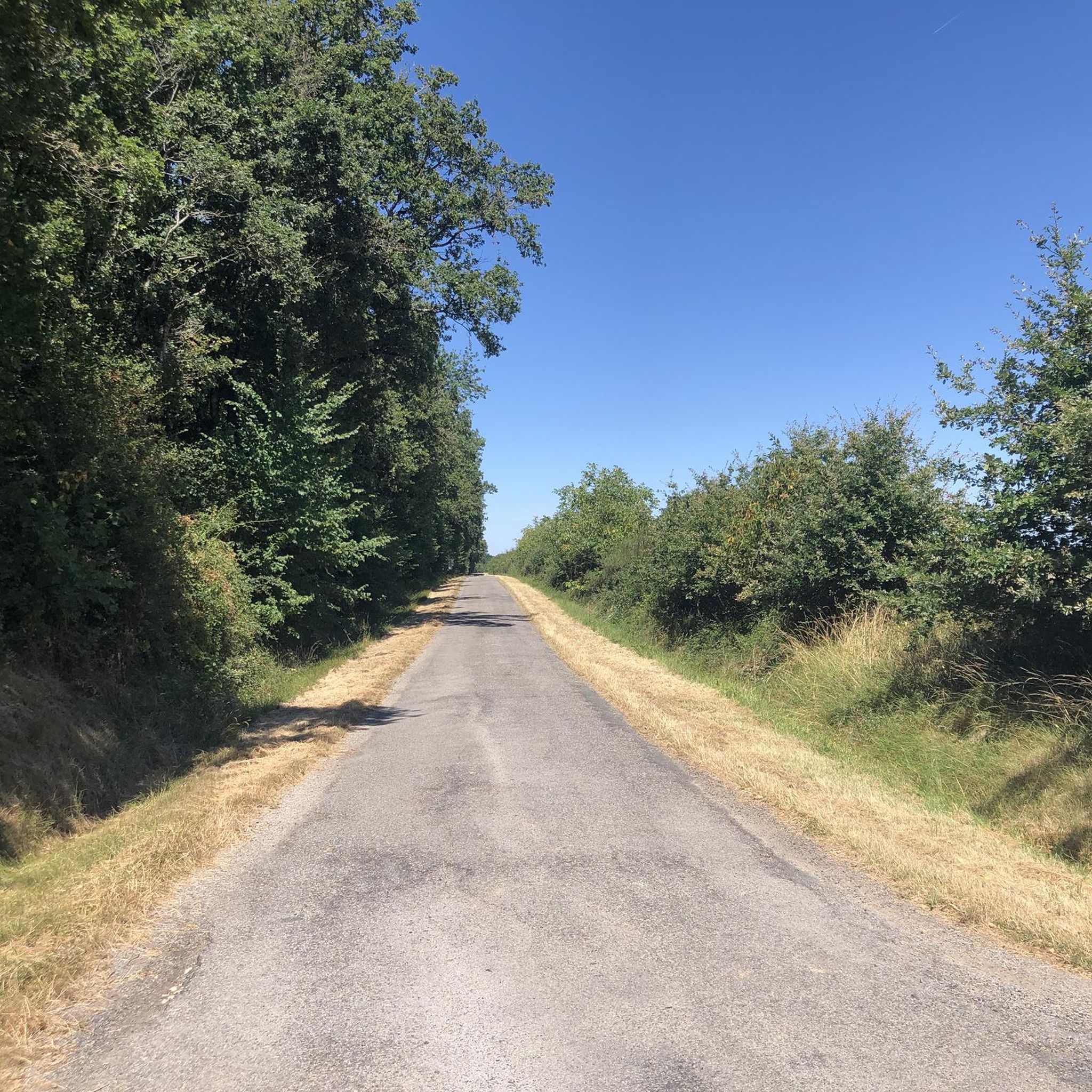
A peaceful mix of dirt road and tarmac track along the Etang des Marais. Among the activities, it is possible to fish, but it is not recommended to swim, there is a lot of aquatic vegetation.
0
0
This castle is currently a hotel. From the initial construction, almost nothing visible remains in the current castle. On the other hand, the northern portion of the fortified enclosure remains to a large extent. It is possible to reserve a room online: https://chateauderys.blog/reservation-en-ligne/
0
1
An exceptionally bucolic castle located in the middle of 55 hectares of greenery. Average duration of individual visit: 45 minutes. Average duration of the group visit: 1 hour. Animals are accepted. Languages available: French, English, German, Chinese, Spanish, Italian, Dutch, Russian
0
0

Pretty pass on the river, with the bell tower of Saint-Pierre abbey. The commune of Preuilly-sur-Claise has several archaeological sites. The archaeological site of Picardy is an open-air site, discovered in the 1980s, located on the left bank of the Claise, on a plateau.
0
0
Frequently Asked Questions
What types of landscapes will I encounter on touring cycling routes around Obterre?
The Obterre area, situated in the Indre department of France's Centre-Loire Valley, offers diverse landscapes for touring cyclists. You'll find quiet roads winding through expansive fields, picturesque countryside, and fertile agricultural lands. A significant portion of the routes traverse the Brenne Regional Natural Park, known as the 'land of a thousand lakes,' featuring a unique mix of lakes, marshland, and woods. Some routes also follow rivers like the Claise and pass through forests, with options for both paved and unpaved segments.
Are there easy touring cycling routes suitable for beginners or families in Obterre?
Yes, Obterre offers several easy touring cycling routes perfect for beginners or families. The region's quiet roads and relatively gentle terrain make it accessible. For example, there are 3 easy routes available, which are generally shorter and have less elevation gain. These routes provide a pleasant way to explore the countryside without significant physical demands.
What historical sites or natural landmarks can I see while cycling around Obterre?
The Obterre area is rich in historical and natural attractions. While cycling, you can encounter magnificent châteaux, medieval towns, and serene natural features. Notable landmarks include the impressive Château d'Azay-le-Ferron with its extensive gardens, the medieval town of Châtillon-sur-Indre, and the bell tower of Saint-Pierre abbey in Preuilly-sur-Claise, often visible when crossing the Claise river. You can also discover tranquil spots like the Path around Etang Neuf within the Preuilly forest.
Can I find circular touring cycling routes in the Obterre area?
Yes, many of the touring cycling routes around Obterre are designed as circular loops, allowing you to start and end at the same point. This is convenient for those traveling by car. An example is the Saint-Michel-en-Brenne, Azay-le-Ferron and the Château de Rys — loop from Martizay, which offers a scenic round trip through the Brenne Regional Natural Park.
Are there more challenging touring cycling routes for experienced cyclists?
While Obterre is known for its gentle terrain, there are moderate routes that offer more of a challenge for experienced touring cyclists. These routes often feature longer distances and more significant elevation gains compared to the easy options. For instance, the Chamussay Bridge – Saint Martin fountain loop from Le Château covers nearly 40 km with almost 300 meters of ascent, providing a good workout.
What do other touring cyclists enjoy most about cycling in Obterre?
The touring cycling routes in Obterre are highly rated by the komoot community, with an average score of 4.3 stars from over 13 reviews. Cyclists often praise the region's quiet roads, the expansive fields, and the serene beauty of the lakes and woods within the Brenne Regional Natural Park. The opportunity to combine cycling with visits to historical châteaux and charming villages is also a highlight for many.
Where can I park my car when starting a touring cycling route in Obterre?
Parking is generally available in the villages and towns that serve as starting points for many routes, such as Martizay or Preuilly-sur-Claise. Look for designated public parking areas within these settlements. Given the rural nature of the region, finding a suitable spot is usually straightforward, especially outside of peak tourist seasons.
Are there places to stop for refreshments or food along the touring cycling routes?
Yes, the routes often pass through or near small villages and towns where you can find local bakeries, cafes, or small restaurants to refuel. Larger towns like Preuilly-sur-Claise or Azay-le-Ferron offer more options. It's always a good idea to check opening hours, especially in smaller communities, or carry some snacks and water, particularly on longer stretches.
What is the best time of year to go touring cycling in Obterre?
The spring and autumn months are generally considered the best time for touring cycling in Obterre. During these seasons, the weather is typically mild and pleasant, with less extreme heat than summer and fewer crowds. The natural landscapes, especially within the Brenne Regional Natural Park, are particularly beautiful with vibrant foliage in spring or rich colors in autumn. Summer can also be enjoyable, but it's advisable to cycle earlier in the morning or later in the afternoon to avoid the midday heat.
Are there any touring cycling routes that pass by the Château d'Azay-le-Ferron?
Yes, the magnificent Château d'Azay-le-Ferron is a prominent landmark in the region and is featured on several touring cycling routes. For example, the Saint-Nazaire Church – Château d'Azay-le-Ferron loop from Martizay takes you directly past this historical site, allowing you to admire its architecture and extensive gardens.
How many touring cycling routes are available around Obterre?
There are over 15 touring cycling routes available around Obterre, catering to various preferences and skill levels. These routes range from easy rides suitable for a leisurely day out to more moderate options for those seeking a greater challenge.
What kind of surfaces can I expect on the touring cycling routes?
The touring cycling routes around Obterre feature a mix of surfaces. You'll primarily encounter quiet paved roads that are ideal for touring bikes. However, some routes, especially those venturing deeper into the Brenne Regional Natural Park or along riverbanks, may include unpaved segments, such as gravel paths or compacted dirt tracks, adding variety to your cycling experience.
Most popular attractions around Obterre

Get inspired with the komoot mobile app


Explore more
Browse the best Cycling routes in other regions.
