Attractions and Places To See around Labécède-Lauragais - Top 20
Best attractions and places to see around Labécède-Lauragais include a blend of historical landmarks and natural features. This village, situated between the Montagne Noire and the Lauragais plain in the Aude department, offers remnants of its medieval fortifications and a rich cultural heritage. The surrounding area provides diverse landscapes, from the rocky Argentouïre Valley to the foothills of the Montagne Noire. Visitors can explore historical sites and natural environments, making it a destination for those interested in history and outdoor…
Last updated: May 26, 2026
Grand Bassin in Castelnaudary
Highlight • Other
Translated by Google •
Tip by

Vivier Lock
Highlight • Monument
Translated by Google •
Tip by

Sign up now to discover places like this
Get recommendations on the best single tracks, peaks, & plenty of other exciting outdoor places.
Sign up for free
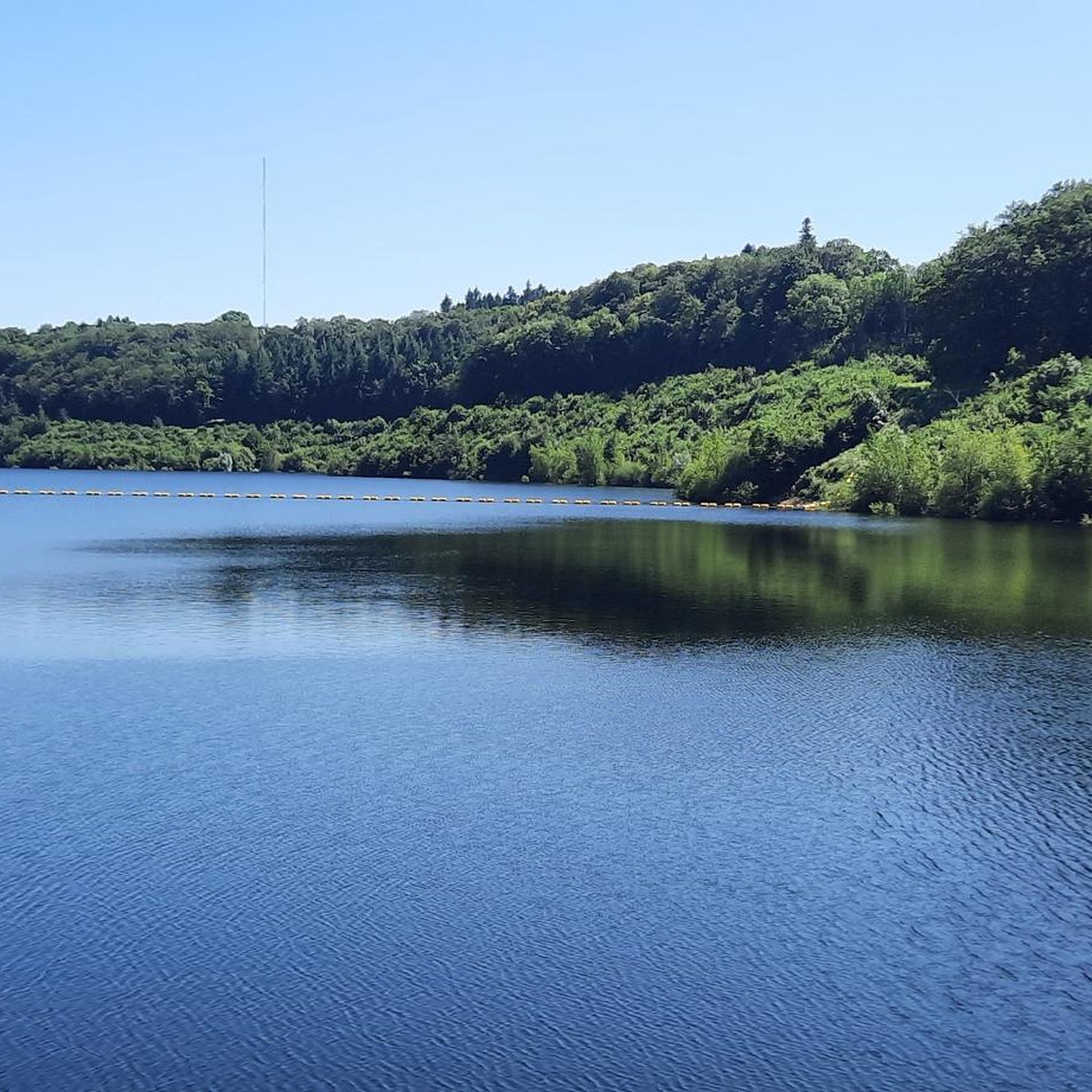
Lac des Cammazes
Highlight • Lake
Translated by Google •
Tip by

Vauban Vault
Highlight • Bridge
Translated by Google •
Tip by

Saint-Papoul Abbey
Highlight • Religious Site
More information: de.wikipedia.org/wiki/Abtei_Saint-Papoul?wprov=sfla1
Translated by Google •
Tip by

Sign up for free to discover even more attractions around Labécède-Lauragais.
Sign up for free
Already have an account?
Start today with a free account
Your next adventure awaits.
Login or Signup

Tips from the Community

Beautiful location in Castelnaudary. Benches are placed all around so you can take a break in front of the large pool!
0
0

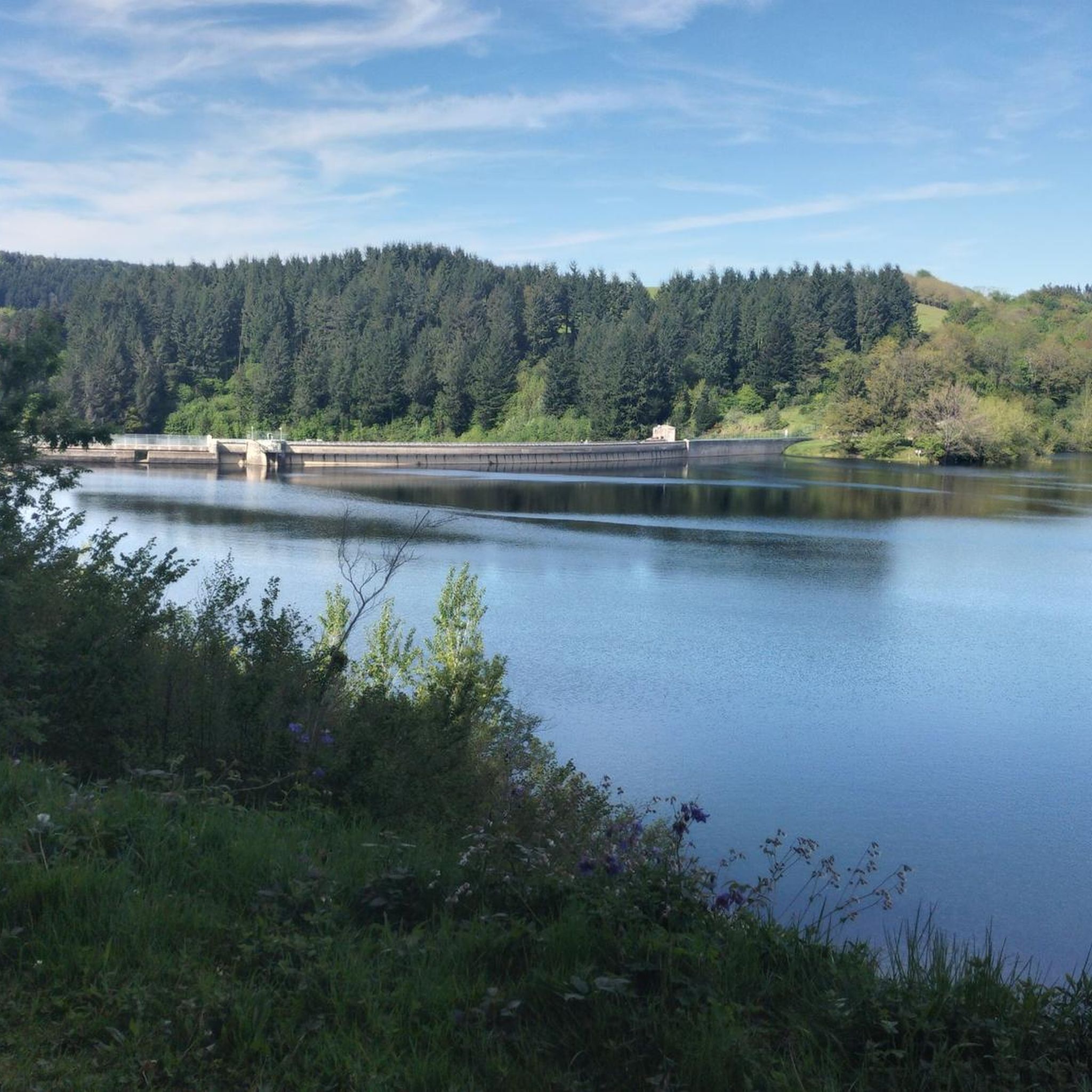
The Cammazes Dam is located in the Montagne Noire massif in the Tarn department. It provides a drinking water reserve for the municipalities around Revel. Built between 1954 and 1957 and commissioned in 1958, the Cammazes Dam is located on the Sor River, between the municipalities of Cammazes and Sorèze in the Tarn department, and the municipality of Saissac in the Aude department. It forms Lake Cammazes, which also receives excess water from the mountain channel via the Conquet spillway. The structure is intended for drinking water supply and irrigation. It supplies 200 municipalities, representing over 170,000 inhabitants. The surface area of the body of water is approximately 90 hectares. Its reservoir volume is 18.8 million cubic meters; the watershed area is 30 km². The operator is the Montagne Noire Water Institution. The water is piped to the Picotalen treatment plant. It also serves as a reserve for the Canal du Midi via a water intake feeding the mountain channel (water rights of 4 million cubic meters) (Wikipedia)
0
0

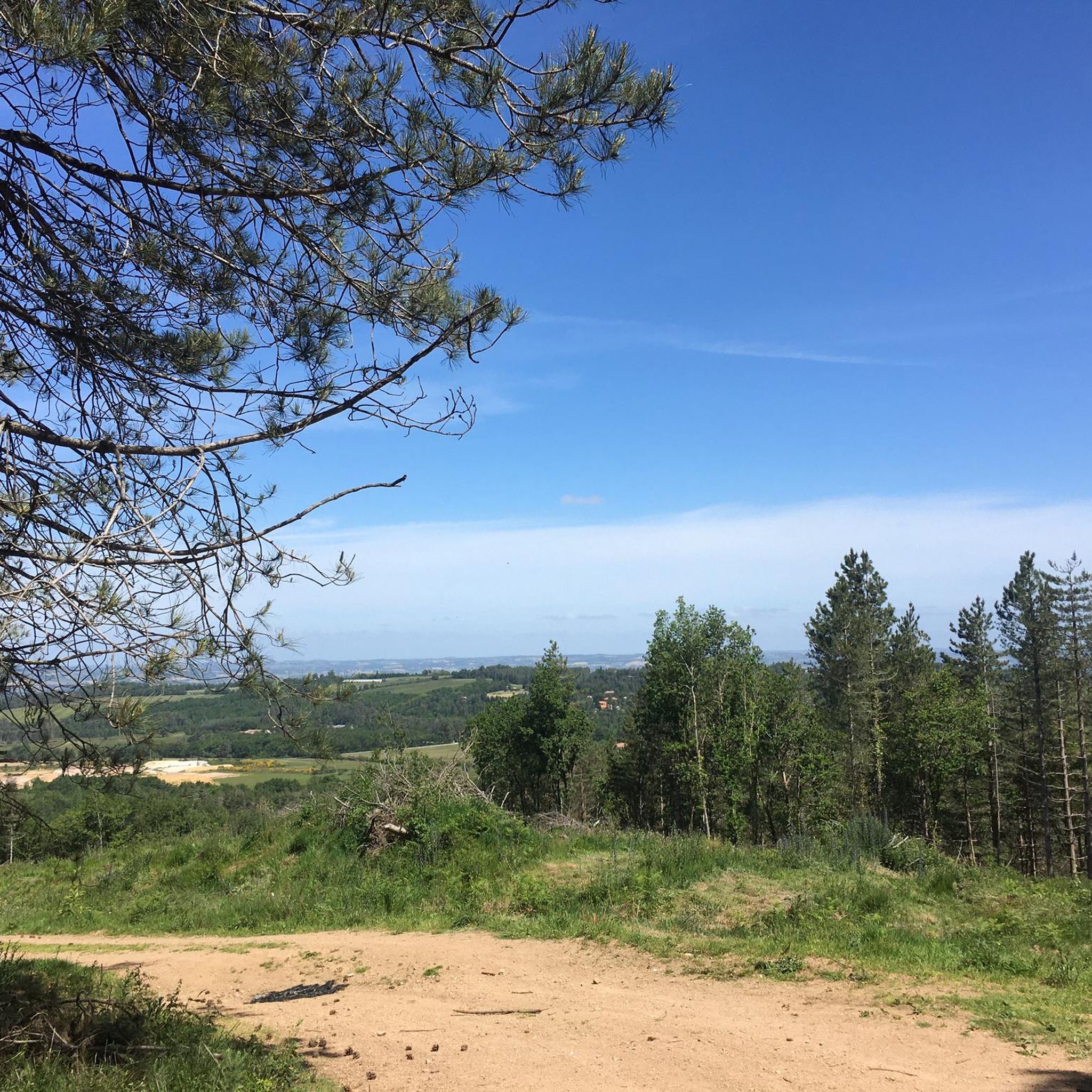
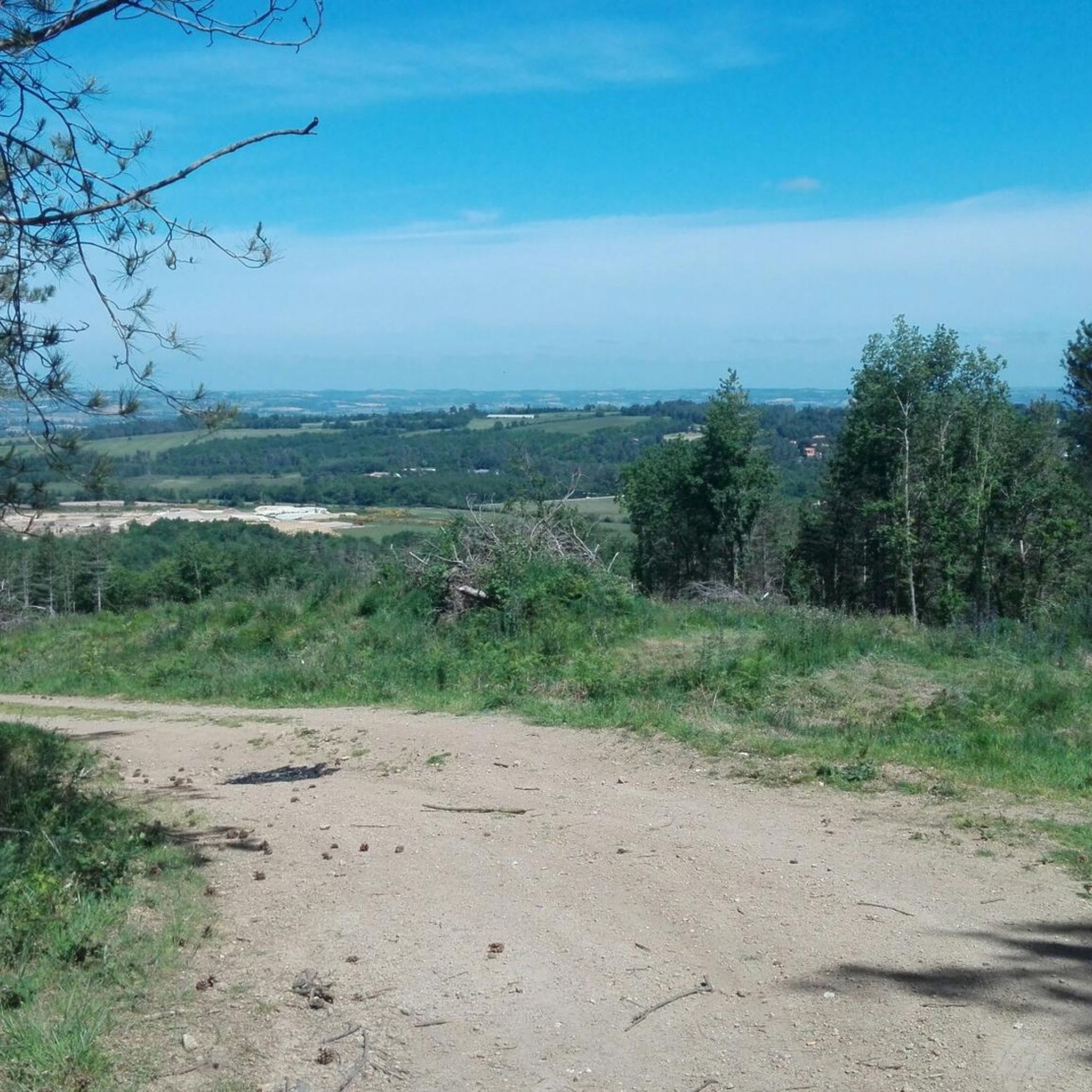
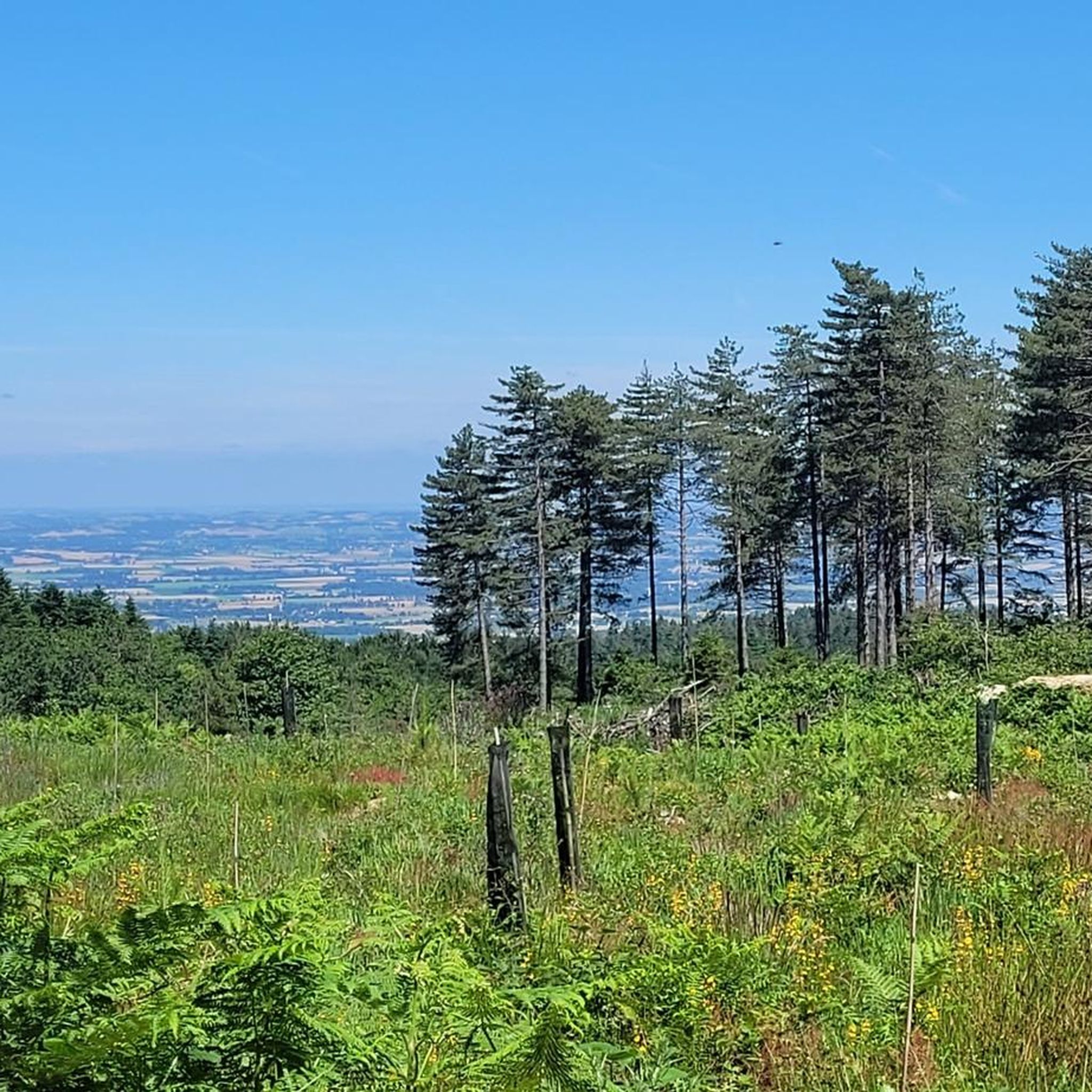
This hike is accessible to all. The trail is good, with some paved sections and others on dirt or stone. There are pleasant shaded sections. There are beautiful views of the valleys that border this route.
0
0

very beautiful city
0
0


This small, ancient abbey is located just a few kilometers off the cycle path on the Canal dei MIDI. It was founded as a Benedictine monastery in the 8th century, but became a canonry in the 14th century when it was elevated to a diocese and the abbot was ordained bishop. The origins go back to Saint-Papoul, who came here as a student of Saint-Sernin of Toulouse and was martyred. Although it is in dire need of renovation, it is still worth a visit. Less crowded with tourists, it impresses with its stonemasonry by the Master of Capestany and its quiet atmosphere.
0
0
At this special lock system there is also a mill with a small shop that sells products from the mill and the region. It's worth taking a look inside! We bought a spread with olive paste.
0
0

The German-language television series "Treasures of the World - Heritage of Humanity" honors special sites from all eras and continents in over 250 episodes with short film contributions, which, despite all their differences, have one thing in common: they have been declared World Heritage Sites by UNESCO. One of the episodes presents the CANAL DU MIDI. This is a connection - desired in the minds of many centuries, but also considered structurally impossible - between the southern coast of France on the Mediterranean and the vastness of the Atlantic Ocean. The episode mentioned is available in the ARD media library at the following link: => https://www.ardmediathek.de/video/schaetze-der-welt/gcanal-du-midi-frankreich-folge-224/swr/Y3JpZDovL3N3ci5kZS82OTg2NDg2
3
0
Frequently Asked Questions
What historical sites can I explore in Labécède-Lauragais?
Labécède-Lauragais is rich in history, featuring remnants of its medieval past. You can discover the fortified Porte d'Amont and the Porte du Castelas, a historical monument dating back to the Renaissance. The village also has a section of old ramparts, the site of the ancient Castelas, and a very old house with a vaulted arch bearing the Sabatery coat of arms from 1583. The Gothic Church of the Nativity of Notre-Dame, built on older foundations, and a historical communal washhouse are also notable.
Are there natural attractions or outdoor areas to visit near Labécède-Lauragais?
Yes, the area offers beautiful natural settings. The Argentouïre Valley features rocky sites, a waterfall, and remains of old water mills. Labécède-Lauragais is also situated at the foothills of the Montagne Noire, providing picturesque landscapes, hiking trails, and shaded forests. For a larger body of water, consider visiting Lac des Cammazes, which is excellent for cycling or walking around.
What kind of outdoor activities are available near Labécède-Lauragais?
The region is ideal for various outdoor activities. You can find numerous hiking trails, with options like the easy 'Lac de Saint-Ferréol – Lac de Saint-Ferréol loop' or the moderate 'Calvetout Trail loop'. For running, there are trails such as the 'Calvetout Trail – Lac de Saint-Ferréol loop'. Mountain biking enthusiasts can explore routes like the 'Berniquaut – Laudot Falls loop'. You can find more details on these and other routes in the hiking, running, and MTB guides for the area.
What role does the Canal du Midi play in the region's attractions?
The Canal du Midi is a significant feature in the area, offering both historical and recreational attractions. You can visit the Grand Bassin in Castelnaudary, the largest open body of water along the canal, which serves as a tourist port. Another engineering marvel is Vivier Lock, a series of three locks built in 1674. The Vauban Vault is also part of the canal's historical infrastructure, designed to improve water management.
Are there any religious or architectural landmarks to visit?
Absolutely. The Gothic Church of the Nativity of Notre-Dame in Labécède-Lauragais, built in the late 19th century on older foundations, is a central point of local life. Further afield, the Saint-Papoul Abbey is a must-see. This abbey-cathedral has a history spanning over a millennium, is listed as a historic monument, and features impressive stonemasonry.
What is the best time of year to visit Labécède-Lauragais for outdoor activities?
The region's natural environment, with its hiking and cycling trails, is best enjoyed during spring, summer, and early autumn when the weather is mild and conducive to outdoor exploration. The Montagne Noire offers shaded forests, making it pleasant even on warmer days.
Are there any unique or lesser-known historical features in the village itself?
Beyond the main fortifications, Labécède-Lauragais holds several unique historical gems. The village features a section of old ramparts, approximately 50 meters long, adorned with a discoidal cross. You can also find the site of 'La Citadelle', an older château, and a very old house with a vaulted arch displaying the 'Sabatery' coat of arms, dated 1583.
What do visitors enjoy most about the attractions around Labécède-Lauragais?
Visitors appreciate the blend of historical significance and natural beauty. The Grand Bassin in Castelnaudary is loved for its beautiful views of the old town and its role as a tourist port. The Saint-Papoul Abbey is praised for its rich history, impressive stonemasonry, and quiet atmosphere. Many also enjoy the scenic routes around Lac des Cammazes and the interesting engineering of the Canal du Midi locks like Vivier Lock.
Are there any specific points of interest related to water management or engineering?
Yes, the region showcases impressive historical water management. The Canal du Midi itself is an engineering marvel, and you can see this at the Vivier Lock, a triple lock system built in 1674. Additionally, the Vauban Vault is a significant structure, part of a program launched in 1686 to improve water supply to the Saint-Ferréol reservoir.
Can I find any unique recreational activities in the area?
Beyond hiking and cycling, the area offers a unique recreational opportunity with its gliding center. Located northwest of the commune, this center has been welcoming glider pilots and enthusiasts since 1933, making it a distinctive spot for those interested in aviation sports.
What are the main geographical features surrounding Labécède-Lauragais?
Labécède-Lauragais is uniquely positioned between two distinct geographical areas. To the north, it lies at the foothills of the Montagne Noire, known for its forests, waterfalls, and sheep farming. To the south, it borders the Lauragais plain. The village is also characterized by the Argentouïre Valley, with its rocky and enclosed sites.
Most popular routes around Labécède-Lauragais
Most popular attractions around Labécède-Lauragais

Get inspired with the komoot mobile app


Explore more
Still not found the Highlight you’re looking for? See guides of the top attractions in other regions:
