Attractions and Places To See around Saint-Léger-Vauban - Top 20
Best attractions and places to see around Saint-Léger-Vauban include a variety of natural and cultural sites within the Morvan Regional Natural Park. This region is characterized by its forested landscapes, granite formations, and significant water bodies. Visitors can explore ancient geological features, learn about local heritage, and discover historical monastic traditions. The area provides opportunities to engage with both the natural environment and cultural landmarks.
Best attractions and places to see around Saint-Léger-Vauban
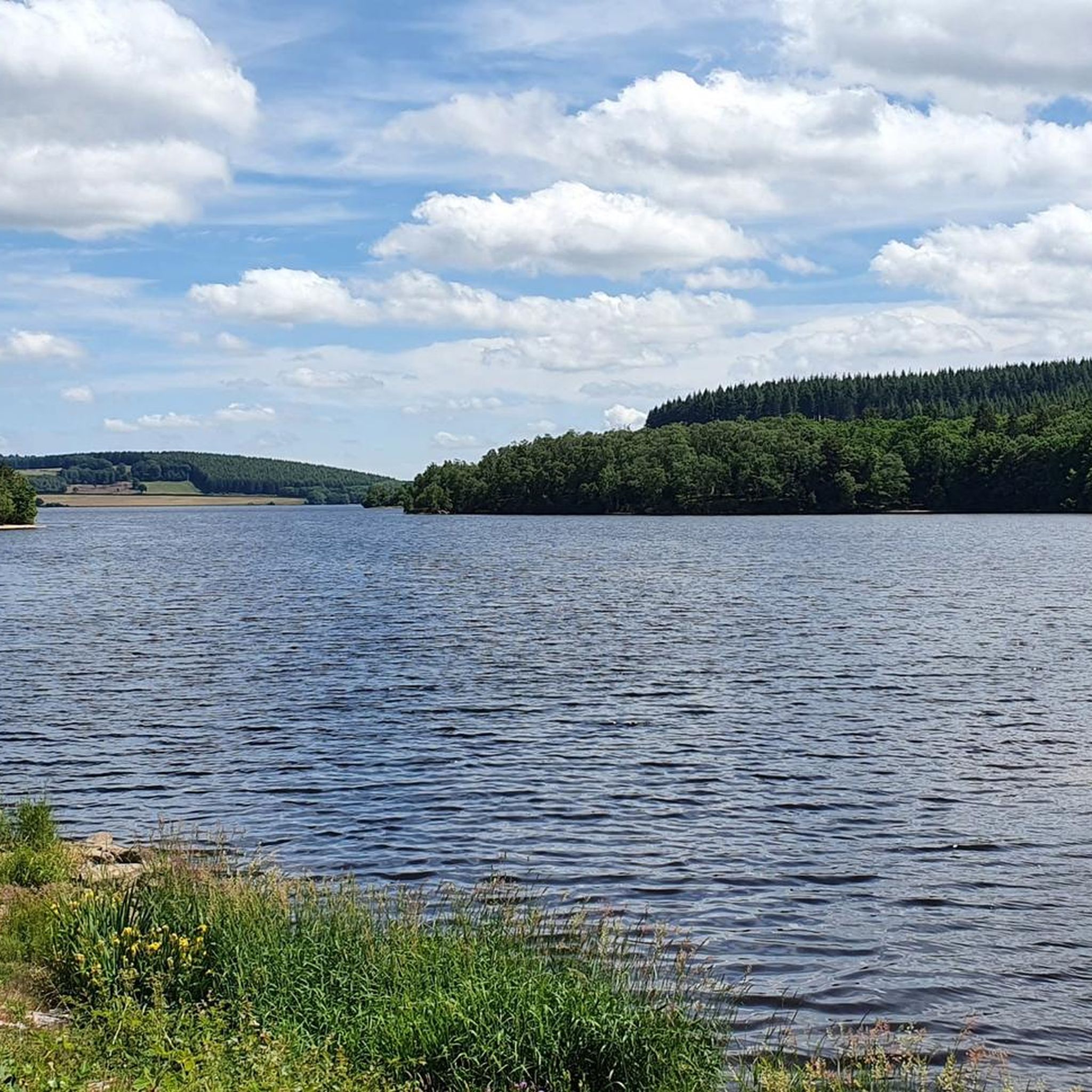
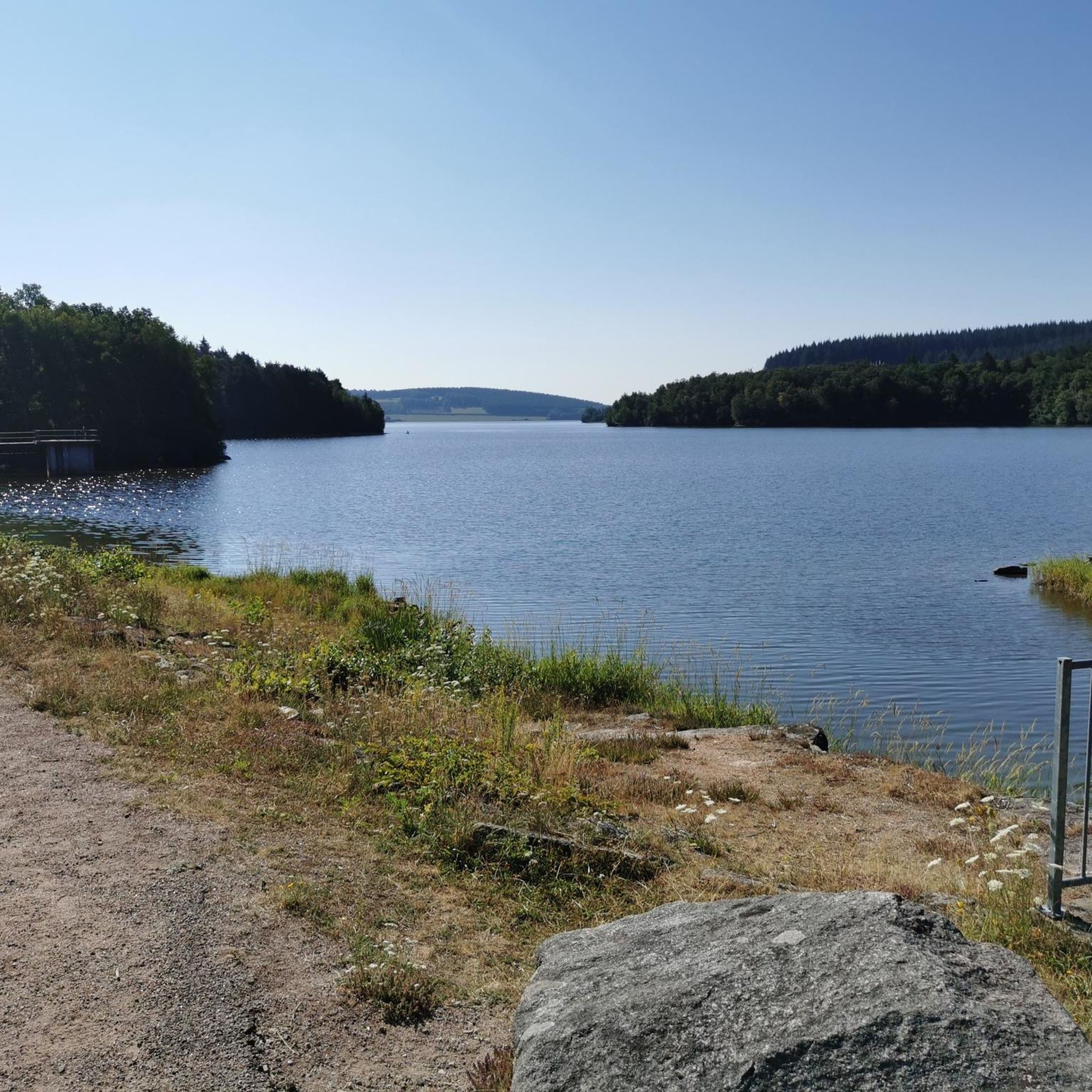
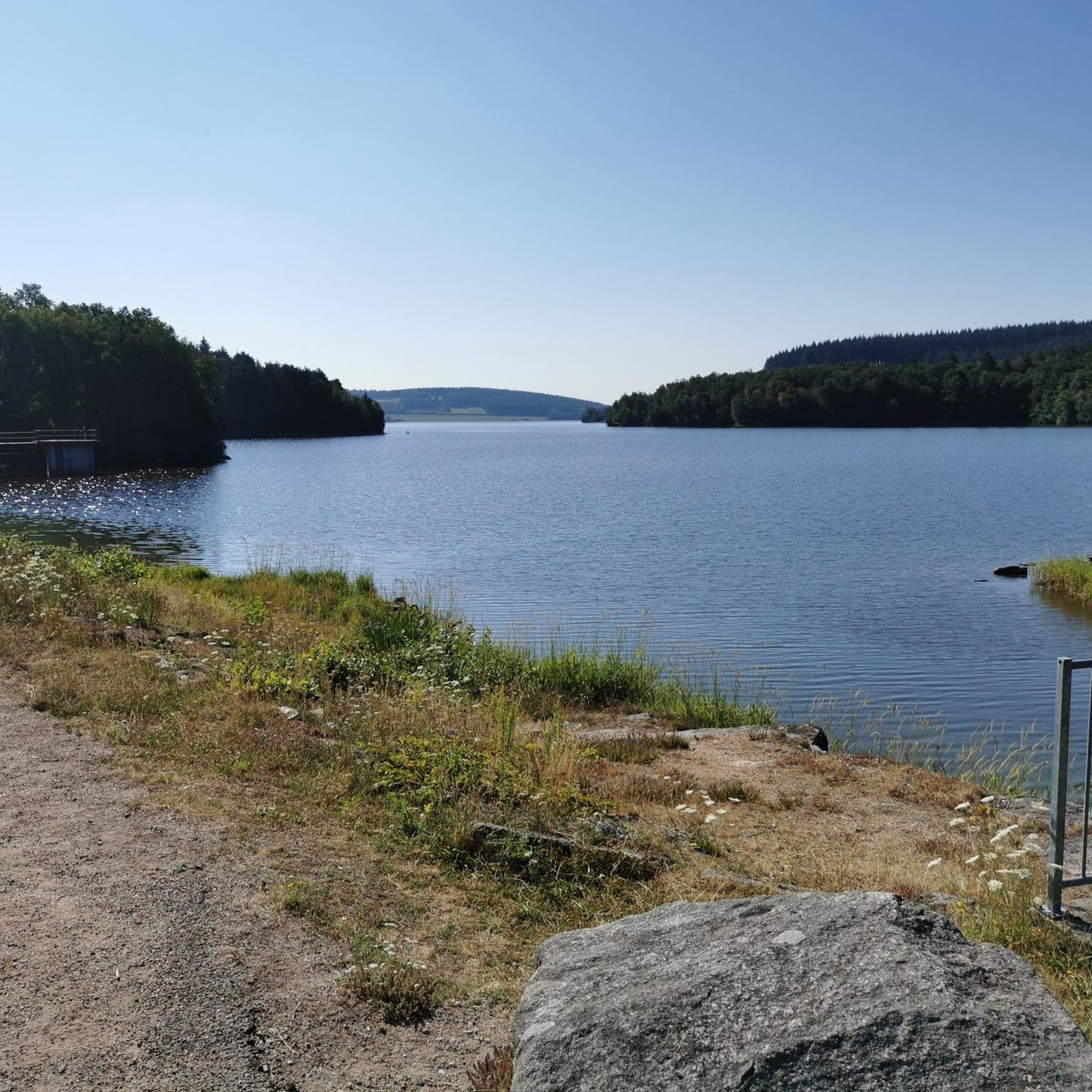
- The most popular attractions is Lake Saint-Agnan, a lake that features a dam and offers scenic views. Its waters are known for their turquoise colors, and the dam is equipped with a hydroelectric power station.
- Another must-see spot is Morvan Regional Park Visitor Centre, a visitor center offering discovery trails, a heritage orchard, and a botanical garden. It serves as an ideal stop for learning about the Morvan region's treasures and includes a bistro-tea room.
- Visitors also love La Pierre-qui-Vire Abbey, an abbey founded in 1850. This site is known for its modern architecture and a community of monks who produce cheeses.
- Saint-Léger-Vauban is known for its natural landmarks, cultural heritage sites, and historical abbeys. The region offers a diverse range of attractions to see and explore, from geological curiosities to educational centers.
- The attractions around Saint-Léger-Vauban are appreciated by the komoot community, with more than 28 upvotes and 15 photos contributing to their appeal.
Last updated: July 2, 2026
Chevresse Dolmen
Highlight • Other
Translated by Google •
Tip by

Morvan Regional Park Visitor Centre
Highlight • Other
Translated by Google •
Tip by

Sign up now to discover places like this
Get recommendations on the best single tracks, peaks, & plenty of other exciting outdoor places.
Sign up for free
La Pierre-qui-Vire Abbey
Highlight • Other
With its modern, clean lines, the abbey stands out. The community of monks who still live there make excellent cheeses. A word to the wise, gourmets.
Translated by Google •
Tip by

Moulin Cadoux
Highlight • Monument
Translated by Google •
Tip by

Crescent Dam
Highlight • Monument
The road across it is narrow and only allows passage for one vehicle. Fortunately, there is very little traffic.
Translated by Google •
Tip by

Sign up for free to discover even more attractions around Saint-Léger-Vauban.
Sign up for free
Already have an account?
Start today with a free account
Your next adventure awaits.
Login or Signup
Popular around Saint-Léger-Vauban

Other adventures around Saint-Léger-Vauban

Tips from the Community

The Maison du Parc offers a preserved setting. Located near the Étang Taureau (Taureau Pond), it's a true playground for exploration for young and old alike. Discovery trails, a heritage orchard, a botanical garden... It's an ideal stop for discovering the treasures of the Morvan region. A bistro-tea room is also available for refreshments.
0
0

Located in the heart of the Morvan forest, the Abbey of La Pierre-qui-Vire was founded in the 19th century. It owes its name to an imposing granite block "in equilibrium," an emblem of the place. An almost suspended atmosphere reigns here.
0
0

The Maison du Parc in Saint-Brisson is a complex that includes the administrative center of the Morvan Regional Natural Park, a documentation center, two museums, various educational facilities, a bistro, and the Morvan Regional Natural Park Tourist Office. This site is immersed in resplendent nature and a relaxing setting. This group of buildings was built in an original style imported by an English architect. The structure of the house consists of a rectangular block with thick walls and small windows to protect it from the harsh and contrasting climate of the Morvan. In addition to the central block, this complex consists of two symmetrical buildings for storing grain and hay and housing animals. Finally, opposite the end of each wing, there is a chapel and a hunting lodge. The complex is completed by a sheepfold and the last farmer's house, which currently serves as the administrative center of the Park. An agricultural and landscaped park, created in 1858 by the Count of Choulot, completes this group of buildings. Taureau Pond, a fishing pond located below an English-style garden, was once a reservoir for floating logs on the Vignan River, a complementary economic activity for the Morvan people of the 19th century. https://www.parcdumorvan.org/le-parc/la-maison-du-parc/un-peu-dhistoire/
0
0
The Abbey of Sainte-Marie-de-la-Pierre-qui-Vire is a Benedictine abbey founded in 1850 by Reverend Father Jean-Baptiste Muard. The community is located in the heart of nature, in a wild, wooded setting, on the banks of the Trinquelin, a small stream that flows between granite rocks. https://fr.wikipedia.org/wiki/Abbaye_Sainte-Marie_de_la_Pierre-qui-Vire
0
0


As in probably every other profession, there are a few so-called “black sheep” among the many honorable millers in the milling trade. The popular children's book author Otfried Preußler tells the following short episode in “The Flight into Egypt”: “And they didn't even get all the way to Klostergrätz that evening, but there was a mill on their way, the monastery mill - they stayed there until the next morning. At first the monastery miller was almost shocked when the k.k. Gendarmerie knocks on his door: There had been a certain dispute with a customer last week about a few sacks of milling material which had disappeared in the mill here in a completely inexplicable way […] but it could have been that he had been reported for it anyway – and now they’re coming to pick him up… then of course all the disputed milling sacks had immediately fallen from his mind, the monastery miller, just as [sergeant] Hawlitschek was now simply asking him for a place to stay for the night.”
0
0

a museum about the resistance against the German Nazis. If you know a little French, you will be well served here and will learn something in particular about the groups that were active in the Morvan.
0
0
Frequently Asked Questions
What natural features can I explore around Saint-Léger-Vauban?
The region is rich in natural beauty, primarily within the Morvan Regional Natural Park. You can visit Lake Saint-Agnan, known for its scenic views and turquoise waters, or the impressive Crescent Dam, which regulates the Yonne and Seine rivers. The area also features unique geological formations like the Chevresse Dolmen, a natural granite chaos.
Are there any unique geological sites to visit?
Yes, the Chevresse Dolmen, located in the national forest of Breuil Chenue, is a notable site. While classified as a dolmen, it is actually a fascinating natural granite chaos formed by the erosion of surrounding rocks. It's a great spot for a break and to observe unique rock formations.
What cultural and historical sites are there to visit?
You can explore La Pierre-qui-Vire Abbey, a Benedictine monastery founded in 1850, known for its modern architecture and the cheeses produced by its monastic community. The Morvan Regional Park Visitor Centre also offers insights into the region's heritage, including a museum about the local resistance during WWII.
Are there family-friendly activities or attractions in the area?
Absolutely. The Morvan Regional Park Visitor Centre is an ideal stop for families, offering discovery trails, a heritage orchard, and a botanical garden. Lake Saint-Agnan is also considered family-friendly, providing scenic views and opportunities for gentle walks along the water's edge.
What outdoor activities can I do near these attractions?
The area around Saint-Léger-Vauban is perfect for various outdoor activities. You can find numerous routes for hiking, running, and road cycling. For detailed routes, explore the guides for Hiking around Saint-Léger-Vauban, Running Trails around Saint-Léger-Vauban, and Road Cycling Routes around Saint-Léger-Vauban.
Are there hiking trails suitable for different skill levels?
Yes, the region offers a variety of hiking trails. Many moderate routes are available, such as the 'Lake Saint-Agnan – La Pierre-qui-Vire Abbey loop' from the Abbey, which is about 7.5 km. You can find more options in the Hiking around Saint-Léger-Vauban guide.
Can I go cycling in the area?
Yes, road cycling is a popular activity. There are routes like the 'Lake Saint-Agnan – Quarré-les-Tombes loop' which is a challenging 61 km ride, or shorter moderate options like the 'Saint-Léger-Vauban loop' at 26 km. Check the Road Cycling Routes around Saint-Léger-Vauban guide for more details.
Are there options for running?
Runners will find several trails, including moderate loops around Lake Saint-Agnan, such as an 8.2 km loop in the Morvan Regional Natural Park. Longer and more difficult routes are also available. For more running options, refer to the Running Trails around Saint-Léger-Vauban guide.
What makes the Morvan Regional Park Visitor Centre a must-see?
The Morvan Regional Park Visitor Centre offers a comprehensive introduction to the region's natural and cultural treasures. It features discovery trails, a heritage orchard, a botanical garden, and a museum focusing on the local resistance. There's also a bistro-tea room for refreshments, making it a pleasant and informative stop.
What is the story behind La Pierre-qui-Vire Abbey?
La Pierre-qui-Vire Abbey, founded in 1850, gets its name from a natural phenomenon: a large, loose granite rock that once 'moved' with simple pressure. Although the stone no longer moves and is topped with a statue of the Virgin Mary, the abbey itself is known for its distinctive modern architecture and the community of monks who produce highly regarded cheeses.
What do visitors enjoy most about the attractions?
Visitors frequently appreciate the serene natural settings, such as the 'magnificent turquoise colors' of Lake Saint-Agnan and the peaceful atmosphere at La Pierre-qui-Vire Abbey. The Morvan Regional Park Visitor Centre is praised for its educational value and its bistro, offering 'good desserts and nice little beer'.
When is the best time to visit Saint-Léger-Vauban for outdoor activities?
The Morvan Regional Natural Park is beautiful year-round, but for outdoor activities like hiking, cycling, and running, the spring (April to June) and autumn (September to October) months generally offer the most pleasant weather. Summers can also be enjoyable, though it can get warmer. Winter provides opportunities for different activities, but some trails might be less accessible.
Most popular routes around Saint-Léger-Vauban
Most popular attractions around Saint-Léger-Vauban

Get inspired with the komoot mobile app


Explore more
Still not found the Highlight you’re looking for? See guides of the top attractions in other regions:
