Attractions and Places To See around Villiers-Saint-Orien - Top 12
Best attractions and places to see around Villiers-Saint-Orien include a blend of historical landmarks, natural features, and cultural sites. The commune is situated in the Eure-et-Loir department of France, offering insights into its rich history and natural beauty. The Conie river valley runs through the area, known for its picturesque setting and historical significance, including Neolithic and Gallo-Roman vestiges. Villiers-Saint-Orien also features two Natura 2000 sites, highlighting its biodiversity.
Best attractions and places to see around Villiers-Saint-Orien
- The most popular…
Last updated: July 7, 2026
Bonneval
Highlight • Settlement
Translated by Google •
Tip by

Porte de Boisville
Highlight • Historical Site
Translated by Google •
Tip by

Sign up now to discover places like this
Get recommendations on the best single tracks, peaks, & plenty of other exciting outdoor places.
Sign up for free
Château de Moléans
Highlight • Castle
Translated by Google •
Tip by

Dheury bridge at Donnemain-Saint-Mamès
Highlight • Bridge
Translated by Google •
Tip by

Little Bridge of Vouvray
Highlight • Bridge
Translated by Google •
Tip by

Sign up for free to discover even more attractions around Villiers-Saint-Orien.
Sign up for free
Already have an account?
Start today with a free account
Your next adventure awaits.
Login or Signup



Tips from the Community

Porte de Boisville Its ogival portal opens into a thick quadrangular massif where there was a room for operating the portcullis. We can still see the groove in the thickness of the walls. On the left and right two small funnel-shaped spaces allowed the defenders to observe and repel the enemies who appeared on the bridge. The gate was topped by a building serving as a guardhouse which was demolished in 1761. The guarding of these doors and their keys was in the troubled times of the Hundred Years' War the subject of concern for the inhabitants and also a source of quarrels and trials between the city and the abbey. This gate is preceded by a bridge of 5 stone arches, the one adjoining the gate was built in 1774 and replaced a drawbridge which defended the entrance.
0
0

Bonneval, nicknamed the little Venice of Beauce
0
0

The Château de Moléans is a castle which extends from the 16th century to the 19th century. You can admire the exterior of the castle which includes a terrace overlooking the Conie valley, a wing of outbuildings inspired by the Château de Fleury-en-Bière, two Louis XIII pavilions and 19th century additions. Be sure to appreciate it as you pass by.
2
0
The castle of Moléans is a castle which extends from the 16th to the 19th century. You can admire the exterior of the castle which includes a terrace overlooking the Conie valley, a wing of outbuildings inspired by the castle of Fleury-en-Bière, two Louis XIII pavilions and additions from the 19th century. The castle is open from July 1 to September 3, and you can book a guided tour in French for a small fee. The Château de Moléans is a piece of French architectural history not to be missed.
2
0

Bonneval is a beautiful town with still-present fortifications. The old town is surrounded by a wall at the foot of which flows the Loir. This city retains many period buildings such as the Saint-Roch Gate and the King's Tower. Among its must-see attractions, the city also includes the Benedictine abbey of Saint-Florentin-et-Saint-Hilaire, many times destroyed and rebuilt during wars.
2
0


A marvel to discover along the connie
0
0
Along the Connie, you will cross this metal bridge with a wash house on its right and a mill on its left. The exceptional heritage of these places is worth a look.
1
0
Frequently Asked Questions
What historical landmarks can I explore in Villiers-Saint-Orien?
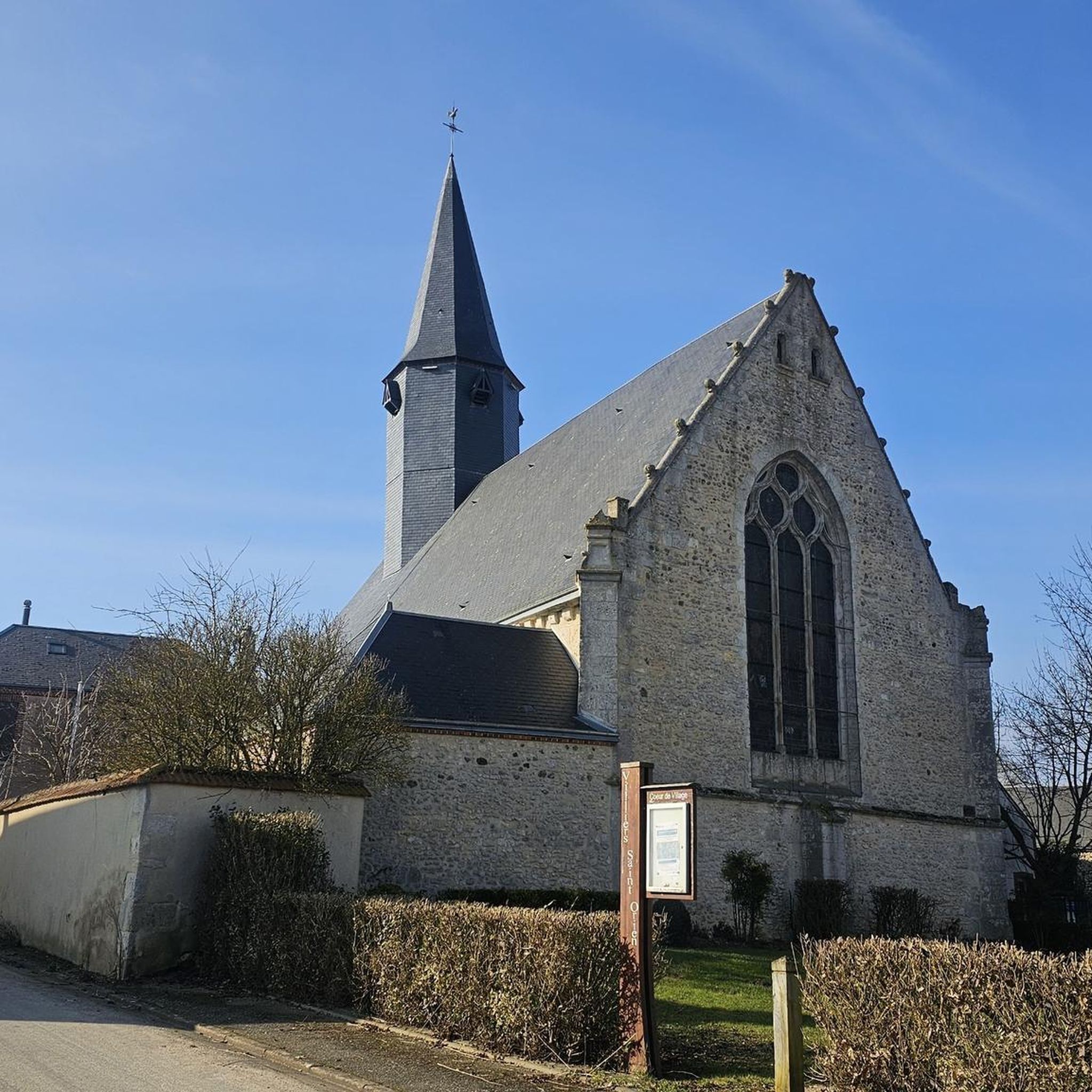
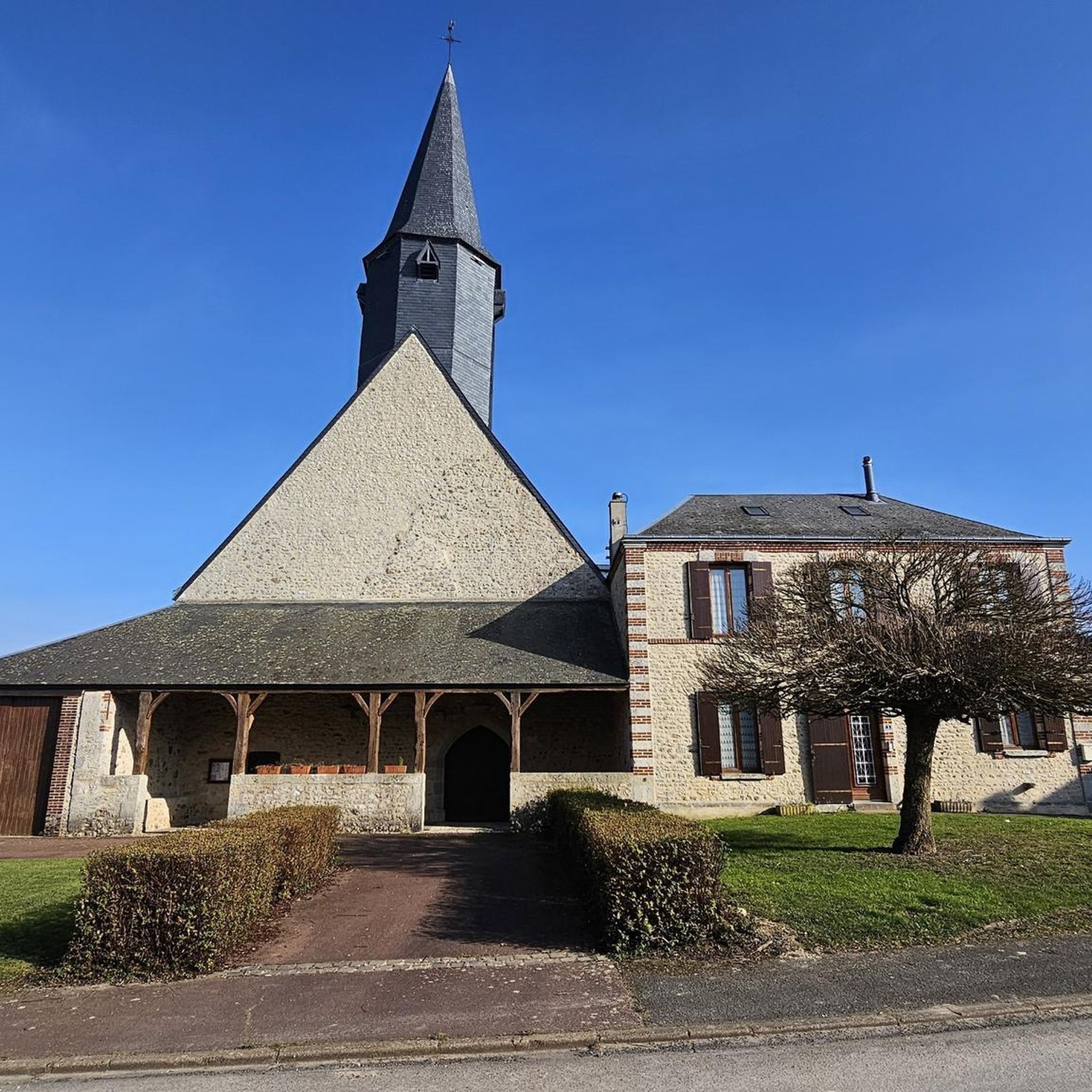
Villiers-Saint-Orien and its surroundings offer several historical landmarks. You can visit the Château de Moléans, a castle dating from the 16th to 19th century, known for its exterior architecture and terrace overlooking the Conie valley. The Église Sainte-Christine is another notable cultural site. Nearby, the town of Bonneval features well-preserved fortifications, the Saint-Roch Gate, the King's Tower, and the Benedictine abbey of Saint-Florentin-et-Saint-Hilaire. Don't miss the Porte de Boisville, a historical gate marking the entry into Bonneval.
What natural features can I discover around Villiers-Saint-Orien?
The region is rich in natural beauty, particularly the picturesque Conie Valley, which flows through the commune and is known for its historical significance with Neolithic and Gallo-Roman vestiges. Villiers-Saint-Orien also hosts two Natura 2000 sites, highlighting its biodiversity. You can enjoy the scenery around the Little Bridge of Vouvray, a pleasant spot for picnics, or admire the views from the Dheury bridge at Donnemain-Saint-Mamès, which offers a glimpse of an old mill and washhouse along the Conie.
Are there family-friendly attractions or activities in Villiers-Saint-Orien?
Yes, several spots are suitable for families. The Little Bridge of Vouvray is a great place for pedestrians and cyclists, leading to a picturesque area perfect for family picnics. Exploring the exterior of the Château de Moléans can also be an engaging activity, as can visiting the historical Porte de Boisville in Bonneval, which sparks imagination about medieval times.
What outdoor activities can I do near these attractions?
The area around Villiers-Saint-Orien is excellent for outdoor enthusiasts. You can find numerous hiking and cycling opportunities. For hiking, consider routes like the 'Woods of Moléans Loop' or the 'Château de Mémillon loop from Saint-Maur-sur-le-Loir'. Cyclists can explore routes such as the 'Little Bridge of Vouvray – Bonneval loop' or the 'Château de Moléans loop from Donnemain-Saint-Mamès'. You can find more details and specific routes in the Hiking around Villiers-Saint-Orien and Cycling around Villiers-Saint-Orien guides.
When is the best time to visit Villiers-Saint-Orien for outdoor attractions?
The Château de Moléans is typically open for guided tours from July 1st to September 3rd, making summer a good time to visit this specific historical site. Generally, for enjoying outdoor activities like hiking and cycling along the Conie Valley and exploring the natural sites, the warmer months from late spring to early autumn (May to September) offer the most pleasant weather conditions.
Are there any specific architectural highlights to look out for?
Absolutely. The Château de Moléans is a significant architectural attraction, showcasing styles from the 16th to 19th centuries, including Louis XIII pavilions. In Bonneval, the town's fortifications, the Saint-Roch Gate, and the King's Tower are notable. The Benedictine abbey of Saint-Florentin-et-Saint-Hilaire, with its early Gothic church dating mainly from the 13th century and a 16th-century slate spire, is also a remarkable architectural gem.
What is the significance of the Conie Valley in Villiers-Saint-Orien?
The Conie Valley is a central feature of Villiers-Saint-Orien, known for its picturesque landscapes and rich history. It's not just a beautiful natural setting but also historically significant, featuring dolmens and polissoirs (polished stones) that are vestiges of important Neolithic occupation and a Gallo-Roman presence. The Conie river itself drains the commune, contributing to its natural heritage.
Can I find places for picnics or relaxation near the attractions?
Yes, the area around the Little Bridge of Vouvray is described as a very nice and picturesque place, suitable for picnics with family or friends. The general natural setting of the Conie Valley also offers many tranquil spots for relaxation amidst nature.
What do visitors enjoy most about the attractions around Villiers-Saint-Orien?
Visitors particularly appreciate the blend of historical charm and natural beauty. The fortifications and historic buildings of Bonneval, including its abbey, are highly regarded. The scenic views from bridges like the Dheury bridge, offering glimpses of old mills and washhouses, are also a highlight. The peaceful and picturesque setting of places like the Little Bridge of Vouvray for picnics is also a favorite.
Are there any easy hiking trails suitable for beginners or casual walkers?
Yes, there are options for easier walks. For instance, the 'Mémillon Castle – Château de Mémillon loop from Saint-Maur-sur-le-Loir' is an easy hiking route covering about 3 km. Many of the cycling routes, especially those marked 'easy' in the Cycling around Villiers-Saint-Orien guide, can also be adapted for pleasant walks, offering gentle terrain through the scenic countryside.
What is the history behind the fortifications in Bonneval?
The town of Bonneval, often called the 'little Venice of Beauce,' is renowned for its still-present fortifications. The old town is encircled by a wall at the foot of which the Loir river flows. These fortifications, along with structures like the Saint-Roch Gate and the King's Tower, are vestiges of a rich history, reflecting the town's strategic importance and its resilience through various conflicts, including the Hundred Years' War.
Can I find information about the local biodiversity?
Villiers-Saint-Orien is recognized for its significant natural heritage and biodiversity. The commune includes two Natura 2000 sites and a natural zone of ecological, faunal, and floral interest. These designations highlight the area's importance for various species and habitats, making it a valuable location for nature observation and understanding local ecosystems.
Most popular routes around Villiers-Saint-Orien

Get inspired with the komoot mobile app


Explore more
Still not found the Highlight you’re looking for? See guides of the top attractions in other regions:
