Attractions and Places To See around Dalstein - Top 20
Attractions and places to see around Dalstein, a commune in the Moselle department of France, offer a tranquil rural setting. The area is characterized by significant agricultural territories and substantial forest areas, making up 42% of its land. Visitors can explore local historical sites and natural points of interest within Dalstein and its immediate vicinity. The region provides opportunities to experience the quiet countryside and discover historical fortifications.
Best attractions and places to see around Dalstein
- The most popular attractions…
Last updated: August 31, 2026
Hackenberg Fort
Highlight • Historical Site
Translated by Google •
Tip by

Charlemagne Spring
Highlight • Natural Monument
legende-et-realite.blogspot.com/2009/04/la-legende-de-la-chapelle-de-rabas-et.html
Translated by Google •
Tip by

Sign up now to discover places like this
Get recommendations on the best single tracks, peaks, & plenty of other exciting outdoor places.
Sign up for free
Kédange-sur-Canner Church
Highlight • Religious Site
Translated by Google •
Tip by
Sainte-Croix de Bouzonville abbey
Highlight • Religious Site
The **Saint-Croix Abbey** in **Bouzonville** is one of the oldest monastic complexes in the region. Founded in the …
Translated by Google •
Tip by

Abri des Chênes Brûlés
Highlight • Historical Site
The **Abri des Chênes Brûlés** (German: "Shelter of the Burnt Oaks") is hidden in the forest near **Kemplich** …
Translated by Google •
Tip by
Sign up for free to discover even more attractions around Dalstein.
Sign up for free
Already have an account?
Start today with a free account
Your next adventure awaits.
Login or Signup


Tips from the Community

⛪ **Saint-Croix Abbey in Bouzonville – Monastic Tradition with a Rich History** The **Saint-Croix Abbey** in **Bouzonville** is one of the oldest monastic complexes in the region. Founded in the **11th century**, it was a spiritual center between the Moselle and Saar rivers for centuries. The Romanesque-Gothic architecture of the monastery church has been rebuilt and restored several times, but its origins remain. 📜 After its dissolution during the French Revolution, the monastery was partially destroyed but later returned to religious use. Today, it is inhabited by a **Benedictine community** that welcomes visitors. **Tip:** The simple, spiritual atmosphere of the complex invites you to pause for a moment. Ideal for a quiet stroll or a quick visit to the monastery shop – featuring handmade products made by the nuns.
0
0
⛪ **Church of Kédange-sur-Canner – A Simple Jewel in the Moselle Valley** The **Église Saint-Martin** in **Kédange-sur-Canner** is a tranquil example of rural church architecture in Lorraine. Its origins date back to the **18th century**, and it has been restored several times over the years. The church is located slightly elevated in the village center and, with its steeple, offers a striking landmark. 🕊️ Its interior is simple, exuding a tranquil atmosphere – with harmonious proportions, light plaster, and a chancel illuminated by discreet glass panels. **Tip:** Those on quiet tours will find a quiet place to rest here with a view of village life – ideal for a moment of reflection or an architectural photo.
1
0
🛡️ **Abri des Chênes Brûlés – Hidden Shelter of the Maginot Line** The **Abri des Chênes Brûlés** (German: "Shelter of the Burnt Oaks") is hidden in the forest near **Kemplich** and was part of the French **Maginot Line**. It served as an **underground shelter for infantry units** stationed along the line. 🕳️ The concrete bunker is partially overgrown but still clearly recognizable – with typical features such as loopholes, ventilation openings, and massive steel reinforcements. Today, it is not accessible, but visible from the outside and impressively preserved. **Tip:** The shelter is quietly located on the edge of the forest – ideal as a quiet, historic stopover on a hike through the former defense area. Please treat it with respect – it is a place of military-historical significance.
3
0
🛡️ **Ouvrage du Hackenberg** – The Largest Fortification of the Maginot Line** The **Ouvrage du Hackenberg** near **Veckring** is the most impressive and largest fortification of the **Maginot Line** – a real must-see for history buffs. Built between 1929 and 1935, it includes: 🔩 **17 combat and entry blocks**, 🚇 over **10 km of underground tunnels**, 🚂 an **internal electric railway**, ⚙️ barracks, ammunition depots, a hospital, and a power supply. During World War II, the fort was combat-ready, but was evacuated without a fight after the armistice in 1940. The French Army later reused the facility during the Cold War. 🎟️ Today, Hackenberg has been beautifully restored and can be visited on guided tours – including a ride on the original narrow-gauge railway. Tip: Be sure to take a guided tour – it lasts about two hours. The underground coolness is pleasant even in summer! It's ideal for a half-day excursion with a historical twist.
0
0

This cemetery, with its partly elaborate gravestones, is located directly on the main road in front of the church of Kedange.
0
0
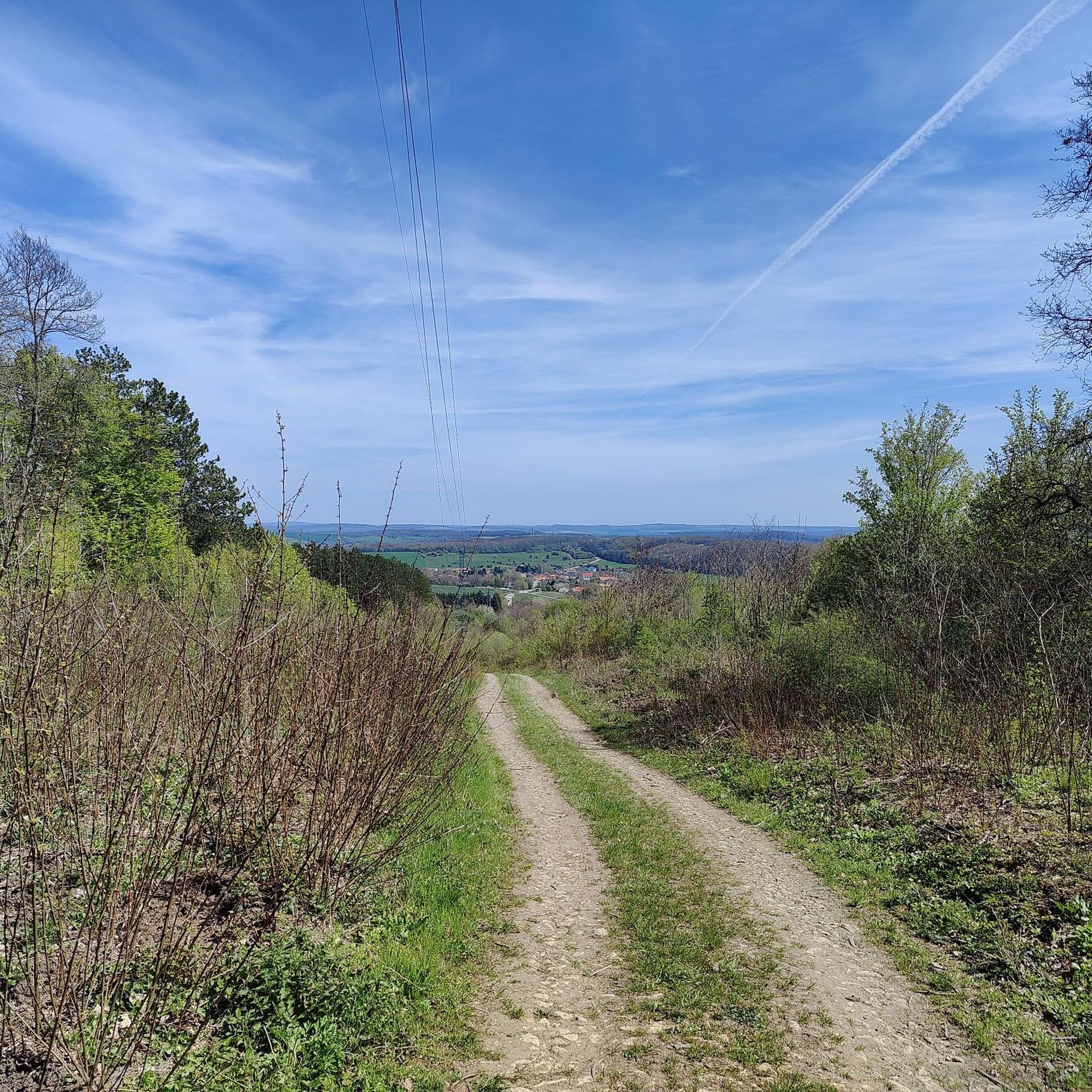
A super asphalted one-way road leads up to the fort and back down again 🚴👍
1
0
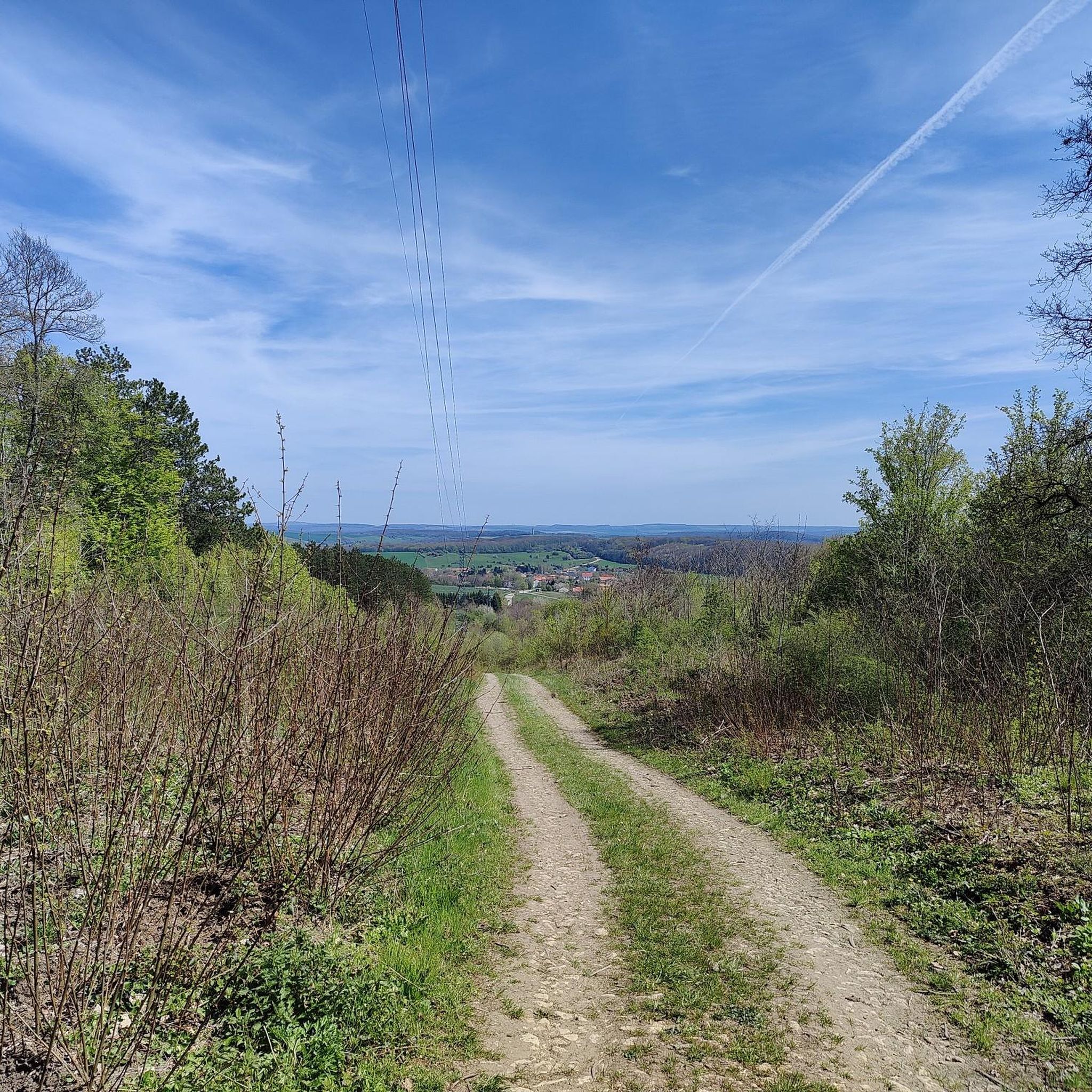
Rest area with a good view of the Nied and the abbey.
0
1
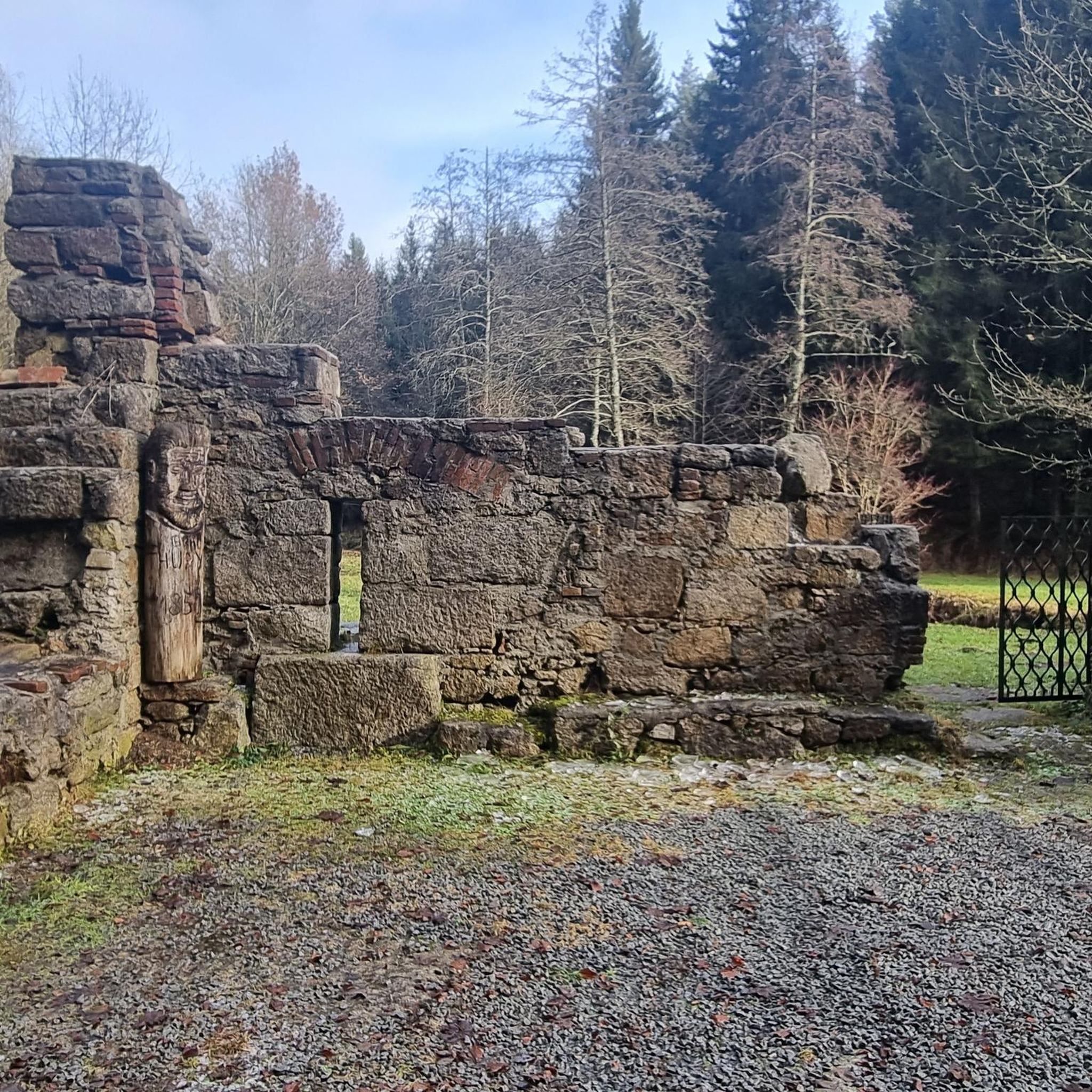
Legend has it that the ruler, so thirsty, promised the Virgin to build a chapel if she would quench his thirst. Then his horse pawed the ground and a spring appeared.
1
0
Frequently Asked Questions
What historical sites can I explore around Dalstein?
The region around Dalstein is rich in history. You can visit the impressive Hackenberg Fort, a major fortification of the Maginot Line, offering tours through its galleries and firing chambers. Another significant Maginot Line site is the Abri des Chênes Brûlés, an underground infantry shelter. Beyond military history, explore the Kédange-sur-Canner Church and the historic Sainte-Croix de Bouzonville abbey. Nearby, you'll also find Château Saint Sixte, Malbrouck Castle, and Chateau des Ducs de Lorraine, adding to the area's historical depth.
Are there any natural attractions or scenic spots near Dalstein?
Yes, Dalstein is surrounded by a tranquil rural landscape with significant agricultural territories and forest areas. A notable natural attraction is Charlemagne Spring, a mythical spring in the forest. For those willing to travel a bit further, the Vallée de la Pétrusse in Luxembourg offers beautiful natural scenery.
What outdoor activities, like hiking or cycling, are available near Dalstein?
The area around Dalstein offers various outdoor activities. For hiking, you can explore trails like the 'Hackenberg Fort – Abri des Chênes Brûlés loop' or the 'Menskirch loop'. Cyclists can enjoy routes such as the 'Moselle cycle path sign – Charles le Téméraire cycle route loop'. Mountain biking enthusiasts also have options, including the 'Fort aux Fresques – Canyon de Saint-Hubert loop'. You can find more details and routes in the dedicated guides for hiking, cycling, and MTB trails around Dalstein.
Are there family-friendly attractions around Dalstein?
Many attractions in the area are suitable for families. Hackenberg Fort offers an engaging historical experience for all ages. The legendary Charlemagne Spring provides a pleasant walk in nature. For more active fun, nearby options include Zoo d'Amneville and Walygator Park, an amusement park.
What do visitors enjoy most about the attractions around Dalstein?
Visitors particularly appreciate the unique historical experience at Hackenberg Fort, with its well-preserved galleries and demonstrations. The tranquil atmosphere and historical significance of sites like the Abri des Chênes Brûlés are also highly valued. The natural beauty and ancient legend surrounding Charlemagne Spring also draw many visitors seeking a peaceful outdoor experience.
Can I find any hidden gems or less-known spots in the Dalstein area?
Beyond the main attractions, the Abri des Chênes Brûlés, a hidden Maginot Line shelter nestled in the forest near Kemplich, offers a glimpse into military history in a quiet setting. The Dalstein Communal Cemetery is also considered a heritage site, with efforts to preserve its older, artistic graves, offering a unique cultural point of interest.
What is the best time of year to visit Dalstein and its attractions?
The best time to visit Dalstein and its surrounding attractions is generally during the spring, summer, and early autumn months (April to October). During these periods, the weather is most favorable for exploring historical sites, enjoying outdoor activities like hiking and cycling, and experiencing the rural landscape. Many attractions, especially those outdoors, are more accessible and enjoyable in milder temperatures.
Are there any dog-friendly trails or attractions near Dalstein?
While specific dog-friendly policies vary by attraction, the rural landscape and numerous forest trails around Dalstein are generally suitable for walks with dogs, provided they are kept on a leash. Natural sites like Charlemagne Spring and the surrounding forest paths are good options for dog owners. Always check local regulations for specific sites.
Where can I find cafes, pubs, or restaurants near Dalstein?
Dalstein itself is a small rural commune, so dining options within the immediate village may be limited. However, you can find cafes and restaurants in nearby towns and villages. Larger cities like Metz, within driving distance, offer a wider selection of culinary experiences. When planning a hike or cycle, consider routes that pass through villages with amenities.
Are there any specific routes for mountain biking around Dalstein?
Yes, mountain biking is a popular activity. You can find routes like the 'Fort aux Fresques – Canyon de Saint-Hubert loop' which is a challenging 71 km ride, or the 'Hackenberg South Casemate – Moulun loop' which is a moderate 27 km route. For more options and detailed information, refer to the MTB Trails around Dalstein guide.
What kind of terrain can I expect on hiking trails in the Dalstein region?
The terrain around Dalstein is varied, featuring agricultural zones, prairies, and substantial forest areas. Hiking trails can range from easy walks through the countryside to more moderate paths that might include some elevation changes, especially around historical fortifications like Hackenberg Fort. Expect a mix of paved and unpaved paths, often winding through wooded areas.
Is public transport available to reach attractions around Dalstein?
Dalstein is a rural commune, and public transport options directly to all attractions may be limited. While some regional bus services might connect larger towns, reaching specific historical sites or natural monuments often requires personal transportation. It's advisable to check local transport schedules in advance or consider driving to access the various points of interest.
Most popular routes around Dalstein

Get inspired with the komoot mobile app


Explore more
Still not found the Highlight you’re looking for? See guides of the top attractions in other regions:
