The best MTB trails around Dalstein
4.5
(45)
260
riders
49
rides
Mountain biking around Dalstein offers a diverse landscape characterized by rolling hills, dense woodlands, and historical fortifications. The region features varied terrain, including sections through natural canyons and past casemates, providing a mix of technical challenges and scenic stretches. Elevations vary, with routes traversing both lower valleys and higher ground, making for dynamic rides. This area provides a range of mountain bike trails suitable for different skill levels.
Best mountain bike trails around Dalstein
- The most popular mountain bike trail…
Last updated: August 29, 2026
5.0
(2)
8
riders
27.5km
02:36
610m
610m
Moderate mountain bike ride. Good fitness required. Advanced riding skills necessary.
2
riders
30.2km
01:45
300m
300m
Moderate mountain bike ride. Great for any fitness level. Advanced riding skills necessary.

Sign up for free
3.0
(1)
3
riders
26.2km
01:59
230m
230m
Moderate mountain bike ride. Great for any fitness level. Advanced riding skills necessary.
5
riders
61.5km
04:14
520m
520m
Moderate mountain bike ride. Good fitness required. Advanced riding skills necessary.
3.0
(1)
7
riders
33.6km
02:59
570m
570m
Moderate mountain bike ride. Good fitness required. Advanced riding skills necessary.
Get access to more routes and recommendations from other explorers.
Sign up for free
Already have an account?
Our route recommendations are based on thousands of hikes, rides, and runs completed by other people on komoot.
Start today with a free account
Your next adventure awaits.
Login or Signup


Tips from the Community

This is a spot with tracks going in all directions on old military trenches. There are transitions of all sizes and at least one small drop.
0
0

🛡️ **Ouvrage de Kobenbusch – Mighty Fortification of the Maginot Line** The **Ouvrage de Kobenbusch**, located south of Cattenom near the Luxembourg border, is one of the large underground fortifications of the **Maginot Line**. It was built between 1930 and 1935 and consisted of several combat blocks, underground connecting tunnels, a barracks, ammunition depots, and machine rooms – on several levels, anchored deep in the limestone. ⚙️ Particularly noteworthy: The technical systems were designed to be self-sufficient for months – including power generation, ventilation, a kitchen, and a hospital. The fort was occupied without a fight during World War II, continued to be used in part after the war, and is now privately owned. 🚷 It's **not open to the public**, but some ventilation towers and blockhouses are still visible in the forest near the D64 road (between Cattenom and Berg-sur-Moselle). **Tip:** For Maginot fans, a walk through the forest is worthwhile – with a little research, you'll find several bunker remains. Respect barriers, as some entrances are unstable or secured.
1
0
🛡️ **Ouvrage du Galgenberg – A Deep Look into the Maginot Line** The **Ouvrage de Galgenberg** is a large underground fortification of the **Maginot Line**, located south of Cattenom. It was built between 1930 and 1935 and served to defend the French border against Germany. The complex consists of several **combat bunkers**, **barracks**, **tunnels**, and **supply facilities** located deep underground. During the Cold War, the fort was modernized and remained in active use until the 1980s. 🔦 Today, it is accessible for guided tours (registration only), including a view of the original equipment: rails, power supply, ventilation systems, and gun emplacements. **Tip:** Ideal for military and history buffs – bring warm clothing, as it's chilly inside! Guided tours with former soldiers or experts are particularly impressive.
1
0

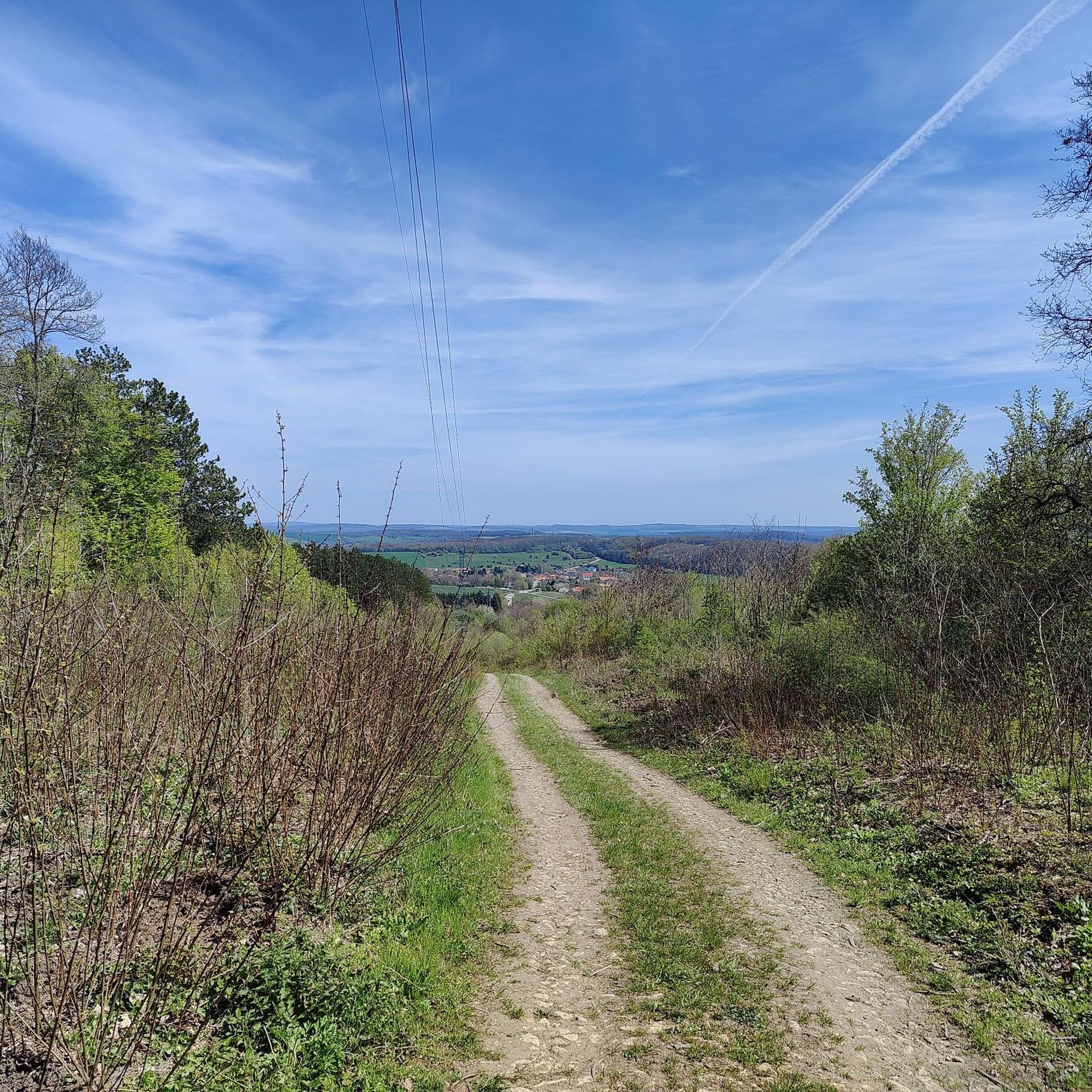
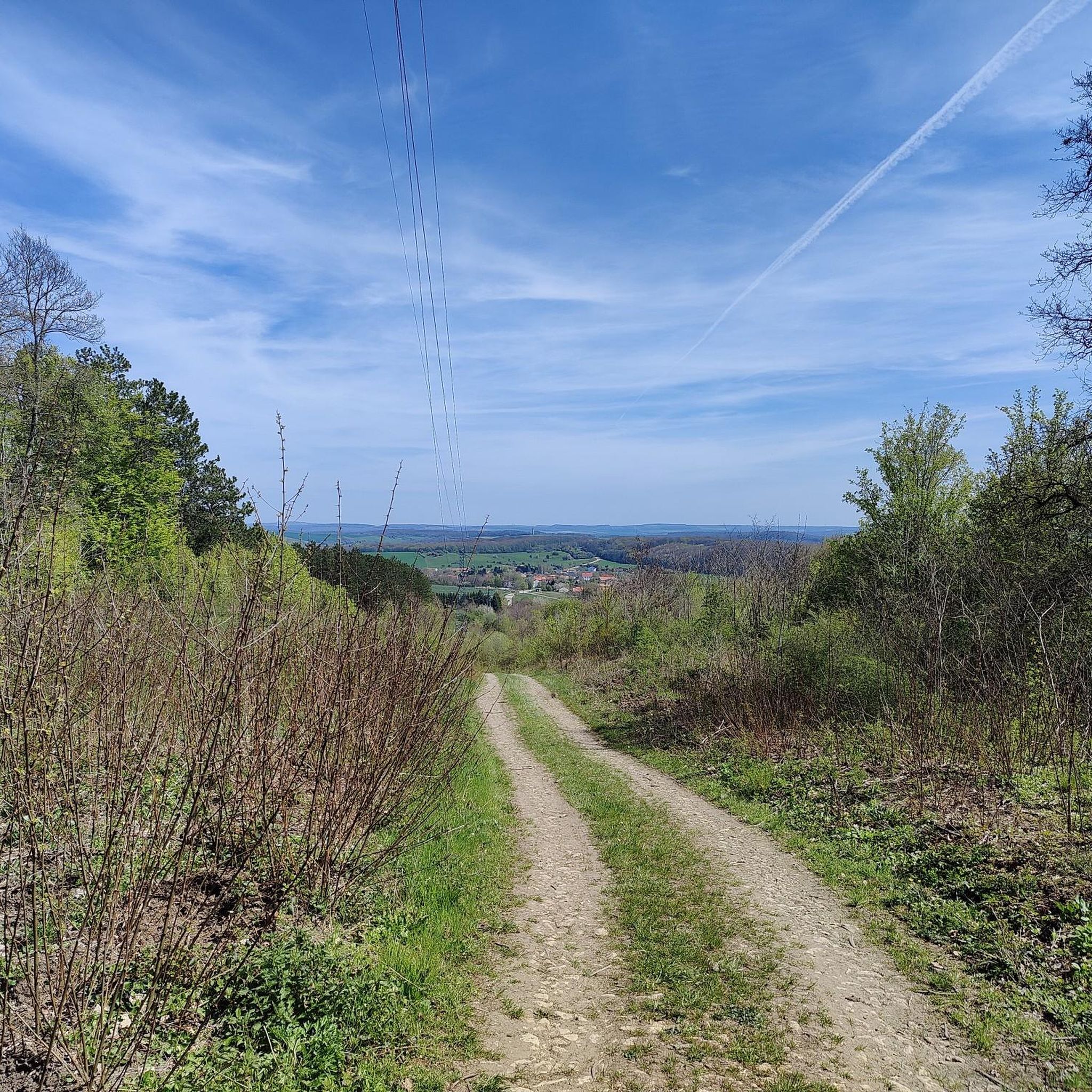
perfect for adrenaline-fueled mountain biking, sometimes between the very close trees
0
0

The Hackenberg structure is one of the largest fortifications of the Maginot Line in France. This gigantic underground complex, built between 1929 and 1935, is made up of 19 blocks connected by kilometers of tunnels. You can explore the surface of the site, where you will see the impressive anti-tank wall, the artillery casemates and the Hackenberg Chapel. You can also take a guided tour of the interior, aboard a small train, and discover the living quarters, the power station and the ammunition depot of the fort. The Hackenberg Ouvrage is a fascinating place to discover the history and technology of the interwar period.
4
0

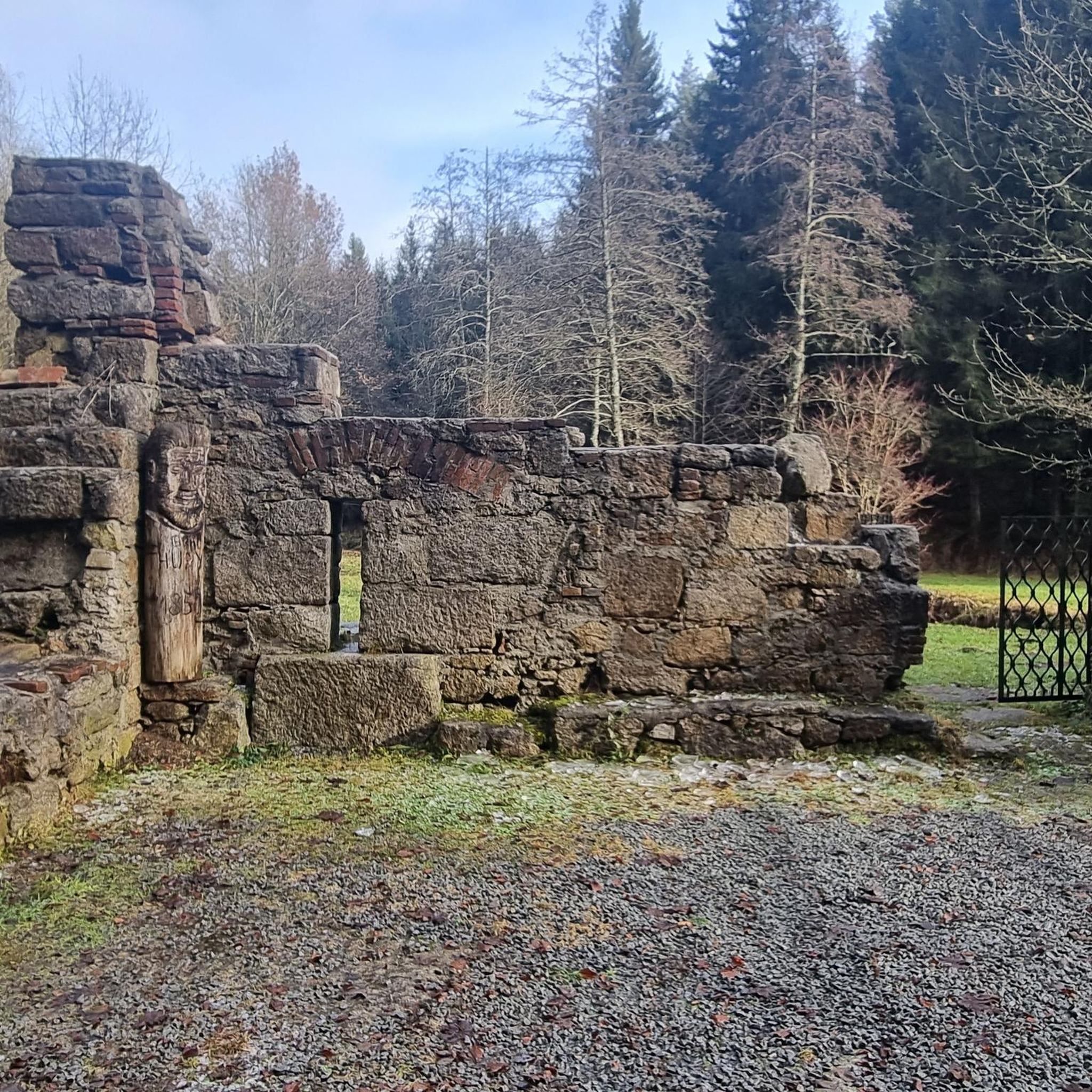
Entering the building prohibited
0
0
Frequently Asked Questions
How many mountain bike trails are available in Dalstein?
Dalstein offers a wide selection of mountain bike trails, with over 45 routes available on komoot. These trails cater to various skill levels, from easy to difficult.
Are there easy mountain bike trails suitable for beginners in Dalstein?
Yes, Dalstein has 16 easy mountain bike trails. These routes are generally less technical and cover shorter distances, making them ideal for beginners or those looking for a relaxed ride through the region's woodlands and rolling hills.
What are the options for advanced mountain bikers in Dalstein?
For experienced riders seeking a challenge, Dalstein features 2 difficult mountain bike trails. One notable option is the Fort aux Fresques – Canyon de Saint-Hubert loop from Luttange, which is 44.3 miles (71.3 km) long and explores historical forts and natural canyon landscapes, offering significant elevation changes.
Are there any family-friendly mountain bike routes in Dalstein?
While specific 'family-friendly' designations aren't always clear-cut, the 16 easy trails in Dalstein are generally suitable for families with older children or those comfortable with basic mountain biking. These routes often feature smoother paths through the region's dense woodlands.
What kind of scenery can I expect on mountain bike trails around Dalstein?
Mountain biking in Dalstein offers diverse scenery, including dense woodlands, rolling hills, and historical fortifications. Many routes traverse natural canyons and pass by casemates, providing a mix of natural beauty and historical interest. You'll encounter varied terrain and dynamic elevations throughout the region.
Are there circular mountain bike routes in Dalstein?
Yes, many of the mountain bike trails in Dalstein are designed as loops, allowing you to start and finish at the same point. For example, the Canyon de Saint-Hubert – Saint-Hubert Canyon loop from Luttange is a moderate 22.0 miles (35.4 km) circular path that offers engaging riding through scenic landscapes.
What are some interesting landmarks or attractions to see along the mountain bike trails in Dalstein?
The Dalstein area is rich in historical and natural attractions. Along your rides, you might encounter sites like the Hackenberg Fort, a significant historical site, or the serene Charlemagne Spring. The region also features various casemates and religious buildings such as the Kédange-sur-Canner Church.
When is the best time of year to go mountain biking in Dalstein?
The best time for mountain biking in Dalstein is typically during the spring, summer, and early autumn months. During these periods, the weather is generally more favorable, and the trails through the dense woodlands and rolling hills are usually in good condition. Always check local weather forecasts before heading out.
What do other mountain bikers say about the trails in Dalstein?
The mountain bike trails in Dalstein are highly regarded by the komoot community, with an average rating of 4.5 stars from over 40 reviews. Riders often praise the diverse terrain, the blend of natural beauty with historical elements like forts and casemates, and the variety of routes suitable for different skill levels.
Are there any moderate mountain bike trails that offer a good balance of challenge and scenery?
Absolutely. Dalstein has 30 moderate mountain bike trails that provide a balanced riding experience. The Casemate Michelsberg I – Eglise Hestroff loop from Anzeling is a popular moderate route, covering 24.3 miles (39.1 km) and leading through historical casemate areas and scenic countryside.
Can you recommend a mountain bike trail that incorporates historical sites?
Many trails in Dalstein pass by historical fortifications. The Hackenberg South Casemate – Anhydrite descent loop from Veckring is a moderate 21.9 miles (35.3 km) route that specifically highlights the region's casemates and historical significance, offering a ride through areas with a rich past.
Most popular attractions around Dalstein

Get inspired with the komoot mobile app


Explore more
Browse the best MTB trails in other regions.
